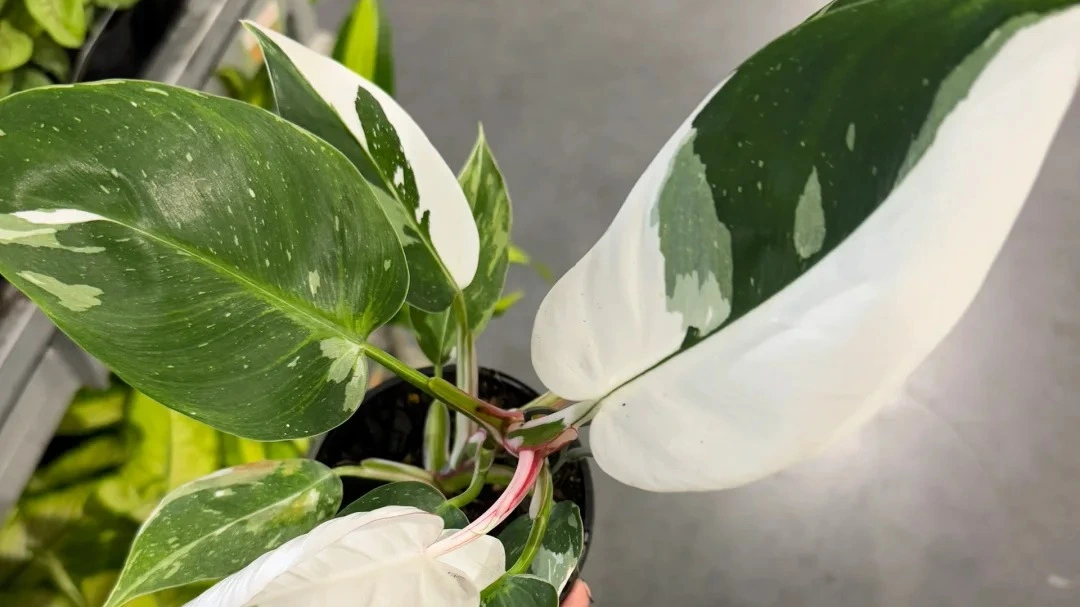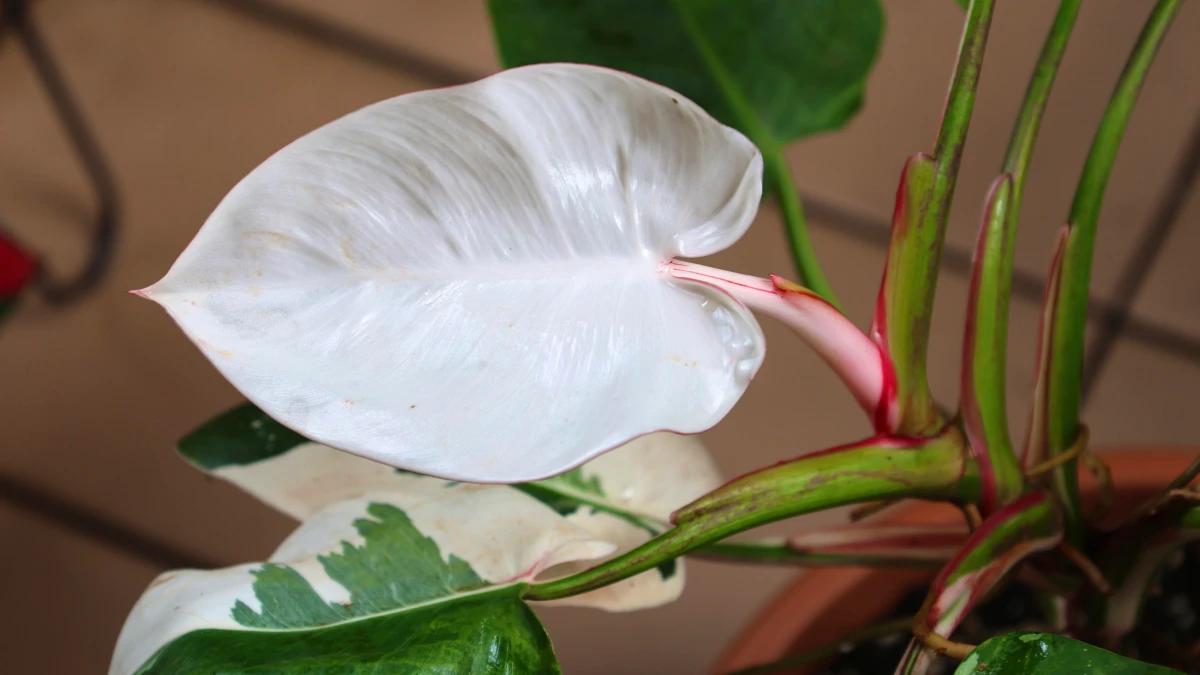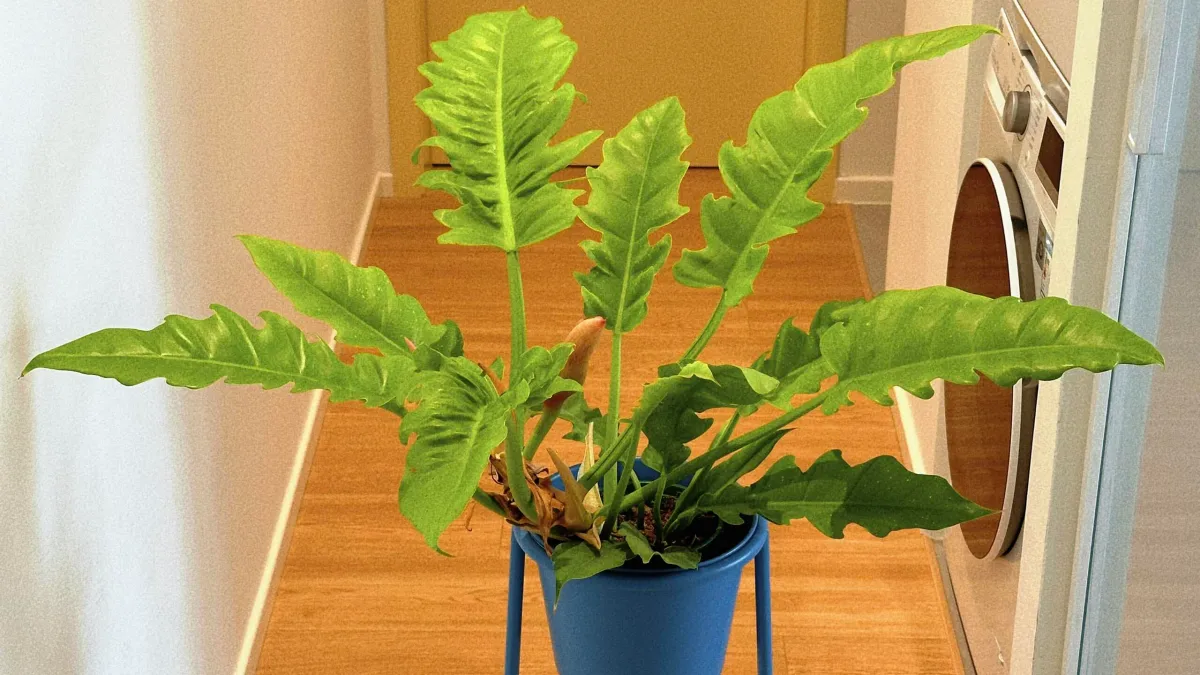
Philodendrons do not always grow small leaves for the same reason. Sometimes it is completely normal, especially when a new side shoot has just started and is still building momentum. In other cases, smaller leaves are a sign that the plant is stretching, trailing for too long, or growing without the support it actually wants. They can also point to weaker roots, lower light, or a plant that no longer has enough energy to size up properly. That is why I do not like giving one simple answer to this problem. What matters most is figuring out which kind of small-leaf pattern you are actually looking at.
Not All Small Philodendron Leaves Mean the Same Thing
When a philodendron starts putting out smaller leaves, I do not like jumping straight to one explanation. Small leaves can look similar on the surface, but the growth pattern behind them is often very different. A side shoot restarting from lower down on the plant is not the same thing as a long vine gradually shrinking at the tip. A trailing philodendron staying small is also different from a climbing one that never really gets the chance to size up.
I also think it matters whether the plant is otherwise healthy. A philodendron with weak roots, low energy, or stalled growth is telling a different story from one that is simply producing smaller juvenile leaves from a fresh growth point. In one case, the plant may be underperforming because something is limiting it. In another, it may just be growing in a normal but smaller phase.
That is why I do not blame fertilizer or humidity too quickly. Before I assume either one, I want to know what kind of growth I am actually looking at — a new side shoot, a long unsupported vine, a climbing plant without support, or a plant whose roots and light level are no longer strong enough to support larger foliage.
A New Side Shoot Often Starts With Smaller Leaves
One of the most normal reasons a philodendron starts producing smaller leaves is that it is growing from a new side shoot rather than continuing from the old main growth point.
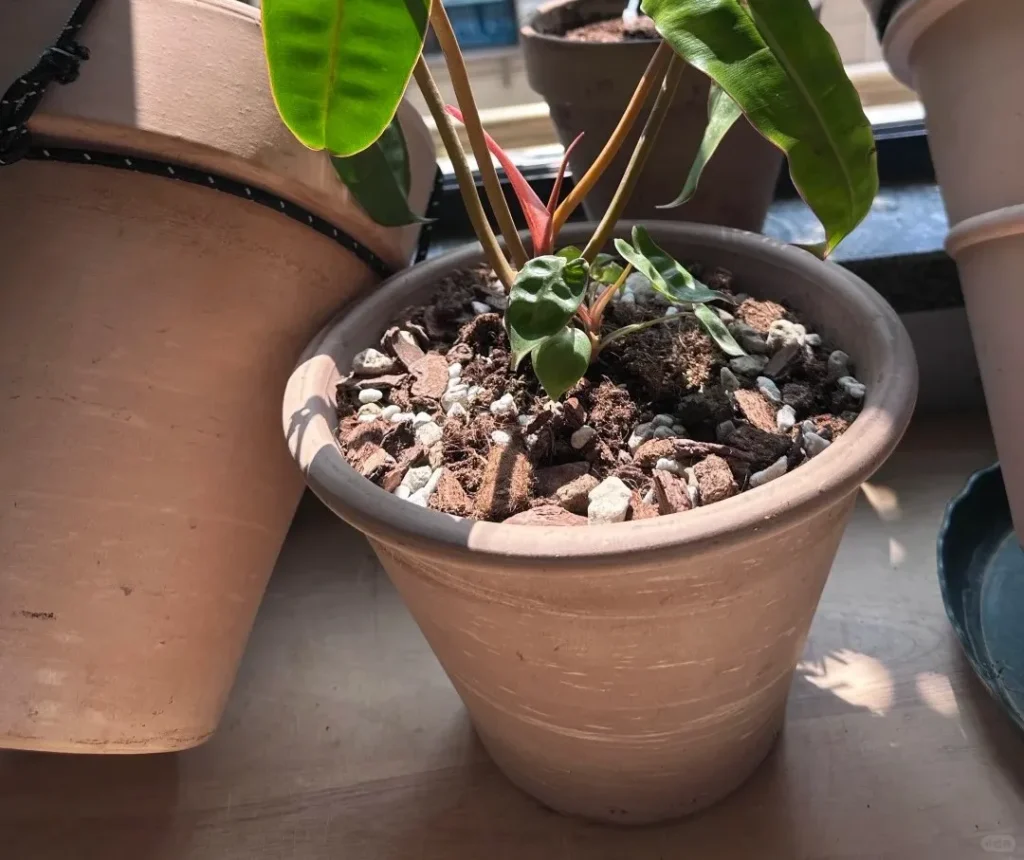
Side shoots usually restart from a smaller baseline. The plant is not simply picking up where the larger leaves left off. It is beginning again from a new growth point, and that often means the first few leaves come out smaller, simpler, and less mature-looking. In many cases, they do not reflect a decline in overall plant health at all. They just reflect the fact that this part of the plant is still building momentum.
I see this most often after pruning, after damage to the main growth point, or when a lower node suddenly activates and starts pushing its own growth. The new shoot may be healthy, but it still behaves like a newer, less established part of the plant. Because of that, smaller leaves at the beginning are very common.
If the plant is otherwise healthy — with decent light, functioning roots, and steady growth instead of stalled growth — leaf size often improves gradually over time. Sometimes smaller leaves simply mean a new growth point is starting from scratch, not that the whole plant is declining.
Trailing Vines Often Shrink When Light or Energy Is Not Enough
A long vine can keep growing even when the plant no longer has enough energy to support larger leaves properly. That is why the tip often tells the real story. The vine gets longer, but the newest leaves start coming in smaller and smaller instead of building size over time. In many cases, this is less about humidity and more about the plant gradually running on weaker conditions than it really needs.
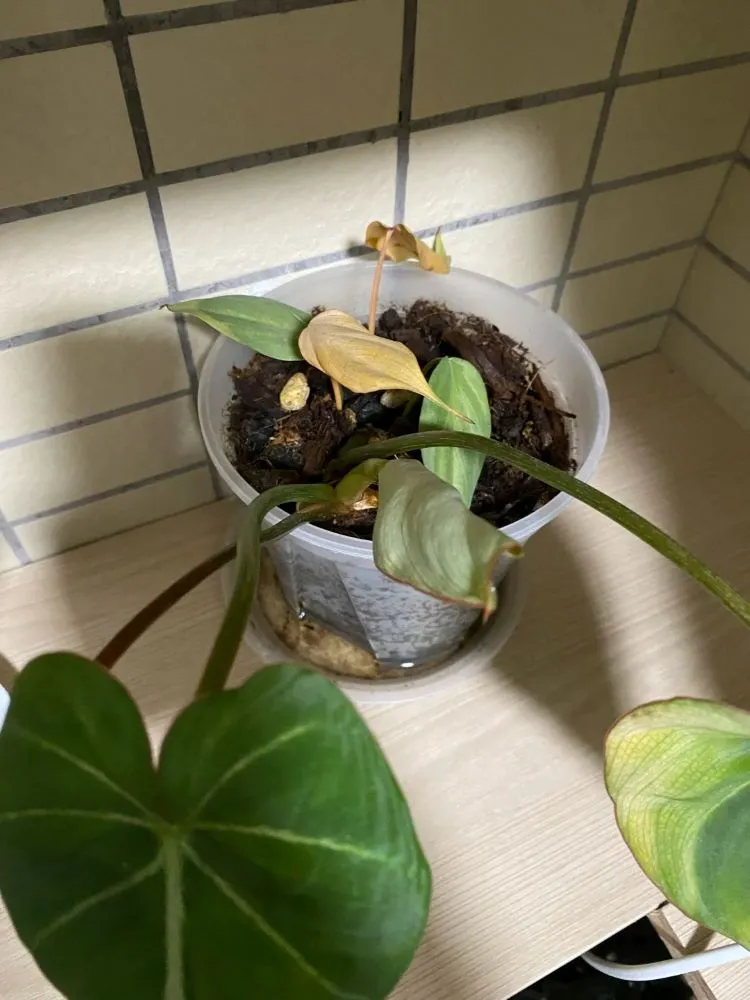
One of the biggest reasons is light. When a trailing philodendron sits too far from the window or grows in weaker light for too long, it may still continue pushing new growth, but each new leaf becomes a smaller investment. The plant is still alive and active, just not strong enough to size up properly. That is why long vines in dimmer conditions often look stretched, with smaller leaves toward the tip.
I see this especially often on trailing types like Micans and Brasil, where the vine can keep extending even as the newest leaves gradually shrink. Once the vine is allowed to trail for a long time, leaf size often stabilizes at a smaller range or gradually shrinks instead of increasing. The plant may still look healthy overall, but it is not being set up for larger foliage.
There is also the question of energy supply. If the pot has become too crowded, if the plant has gone a long time without feeding, or if it regularly dries harder than it should, tip growth often gets smaller first. The newest part of the vine is usually where limited energy shows up most clearly.
So when I see smaller leaves along the tip of a long trailing philodendron, I usually think about light, vine length, support, root space, and overall energy before I blame humidity. Humidity can affect how soft or clean new growth looks, but in my experience, it is rarely the main reason a long vine keeps producing smaller and smaller leaves.
Climbing Philodendrons Often Stay Smaller Without Support
Many climbing philodendrons are built to size up as they climb. In their natural growth pattern, the stem does not just keep extending through space. It moves upward, anchors itself, and gradually produces larger foliage as the plant becomes more established. Because of that, a climbing philodendron that is left unsupported often keeps growing, but not in the way that leads to its best leaf size.
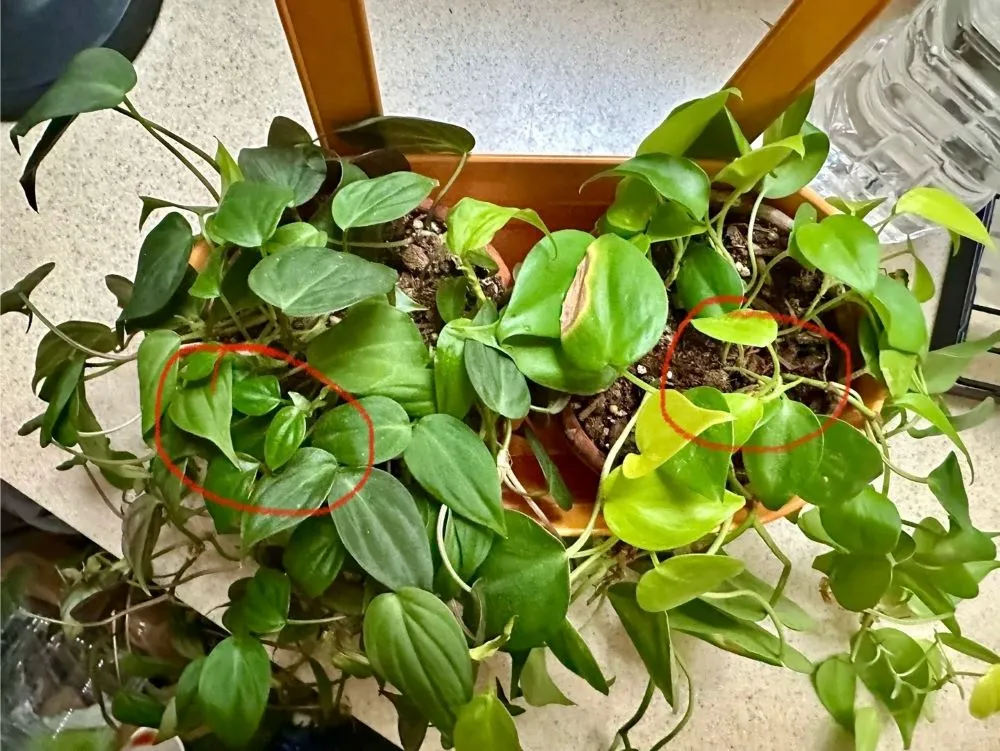
Without a pole or some other vertical support, the plant may still push new leaves, but those leaves often stay smaller than they could. The vine continues, yet the overall growth looks less powerful and less mature. In many cases, the problem is not that the plant has stopped growing. It is that it is no longer growing in the form that encourages larger leaves.
This is one reason a moss pole can make such a visible difference. It helps not just because it raises local moisture around the aerial roots, but because it gives the stem and those aerial roots something to attach to. That contact changes the way many climbing philodendrons grow. Once the plant can anchor itself and follow a more natural upward habit, leaf size often improves more noticeably than it would on an unsupported vine.
I think this difference is especially obvious in climbing types like Billietiae, Florida Green, Melanochrysum, and Painted Lady. These plants can keep living without a pole, but they often do not show their best leaf development that way. The leaves may stay narrower, smaller, or less impressive than they would be with proper support.
That said, I would not apply this idea to every philodendron. Many smaller trailing types are perfectly fine being grown as hanging or trailing plants, and not every philodendron needs to be pushed toward larger climbing growth. The point is simply that if you are growing a true climber and wondering why the leaves are staying small, lack of support is often a much more important factor than humidity alone.
Small Leaves Can Also Mean the Roots Are Not Supporting Growth Well
Sometimes the problem is not above the soil at all. A philodendron can keep producing new leaves even when the root system is no longer supporting growth properly, but those leaves often come out smaller, slower, and less substantial than before.
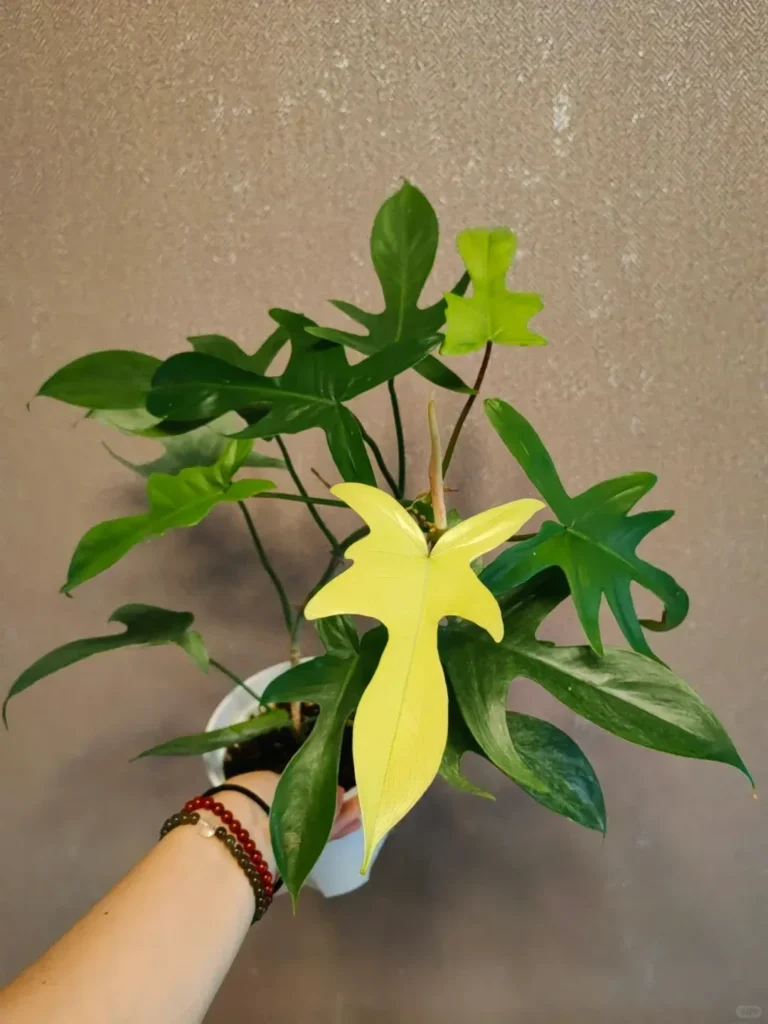
I pay attention to this especially after root rot, root loss, or long periods of stress in the pot. A plant may still be alive, and the growth point may still be active, but the roots are no longer strong enough to support larger foliage. In that situation, the plant often keeps moving just enough to survive, not enough to size up well.
This can also happen when the plant has become too rootbound, when the pot stays wet too long and the roots are functioning poorly, or when the root system is technically alive but no longer vigorous. The result often looks similar: new leaves get smaller, growth slows down, the bud keeps pushing but never seems to produce a properly sized leaf, and the whole plant loses some of the strength it used to have.
That is one reason I do not like treating small leaves as just a fertilizer issue. If the roots are struggling, more feeding usually does not solve the real problem. I would rather ask whether the root system is still healthy enough to support stronger growth in the first place.
When Small Leaves Are More About Nutrition — and When They Are Not
Poor feeding can absolutely contribute to smaller philodendron leaves, but I do not think it explains as many cases as people assume.
If a plant has been in the same potting mix for a long time, has been growing actively, and has not been fed at all, it can eventually start producing weaker growth. In that kind of situation, smaller leaves may partly reflect that the plant is running low on resources. The growth is still moving, but it does not have as much to work with as it used to.
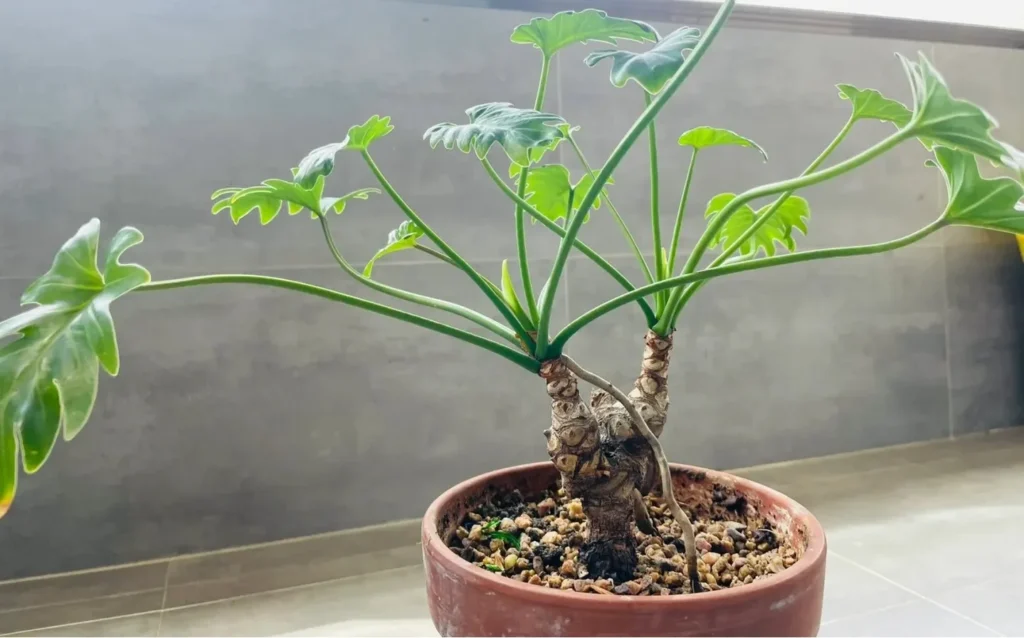
At the same time, fertilizer is often blamed too quickly. If the real problem is weak light, poor root function, or a long unsupported vine, feeding more usually does not solve the actual issue. A philodendron in low light does not suddenly size up properly just because it gets fertilizer. A plant with struggling roots usually cannot make good use of extra nutrients either. In those cases, feeding may add something, but it does not fix the reason the leaves got smaller in the first place.
That is why I usually treat nutrition as a supporting factor, not the first answer. If a philodendron has been underfed for a long time, feeding may help. But if the plant is stretched, root-stressed, or growing in weak light, I would correct those problems first before expecting fertilizer to change leaf size in a meaningful way.
How I Tell Which Small-Leaf Pattern I’m Seeing
When a philodendron starts making smaller leaves, I usually do not ask one big question first. I ask a few smaller ones. Is this a new side shoot or the main vine? Is the plant trailing when it would rather climb? Has the light gotten weaker over time? Does the pot still dry normally, and do the roots seem healthy? Has the plant been growing for a long time without enough feeding or support?
Those questions usually tell me more than the small leaves alone. They help me decide whether I am looking at a normal restart, a weak-light problem, an unsupported climber, or a plant whose roots and energy are no longer strong enough to size up properly.
What Usually Helps Small Leaves Get Bigger Again
What helps depends on why the leaves got smaller in the first place, so I do not expect one fix to work for every plant.
If the plant is growing from a new side shoot, the main thing it usually needs is time. A fresh growth point often starts from a smaller baseline, and the first few leaves may stay modest before the shoot builds more strength.
If it is a climbing philodendron, adding proper support often makes a bigger difference than people expect. A pole can help the plant grow in a more natural way, give the stem and aerial roots something to attach to, and make it easier for later leaves to size up.
If the plant has been growing in weak light, the most useful change is usually moving it somewhere brighter. A philodendron that is not getting enough energy will rarely solve its own small-leaf problem by staying in the same dim setup.
If the roots are struggling, I would fix that first before expecting anything else to improve. A plant with weak or damaged roots often keeps producing undersized growth until the root system becomes stronger again.
And if the plant has simply been depleted for a long time, then gradual feeding may help — but only after the more basic issues, like light and root health, are in a decent place.
One thing I always keep in mind is that already-grown small leaves will not suddenly become bigger. The real change shows up in the leaves that come after. That is why I usually judge improvement by the next few leaves, not the ones that are already there.
What This Usually Means in Real Life
In real home conditions, small philodendron leaves usually point to one of three things: a new growth point starting from a juvenile baseline, a plant running on weaker energy than before, or a growth setup that does not match the way that philodendron actually wants to grow.
That is also why I do not like blaming humidity too quickly. Humidity can affect how cleanly new leaves emerge and how soft growth looks, but it usually does not explain a long pattern of smaller leaves as well as growth habit, support, light, and root function do. So when I see a philodendron producing smaller leaves, those are the things I look at first.
FAQ
Still not sure what your philodendron is telling you?
If your philodendron still seems off, this may be only one part of the picture. I’ve collected the most common indoor philodendron problems — along with the patterns I watch for and the changes that have helped my plants recover.
Go to Problems Hub →