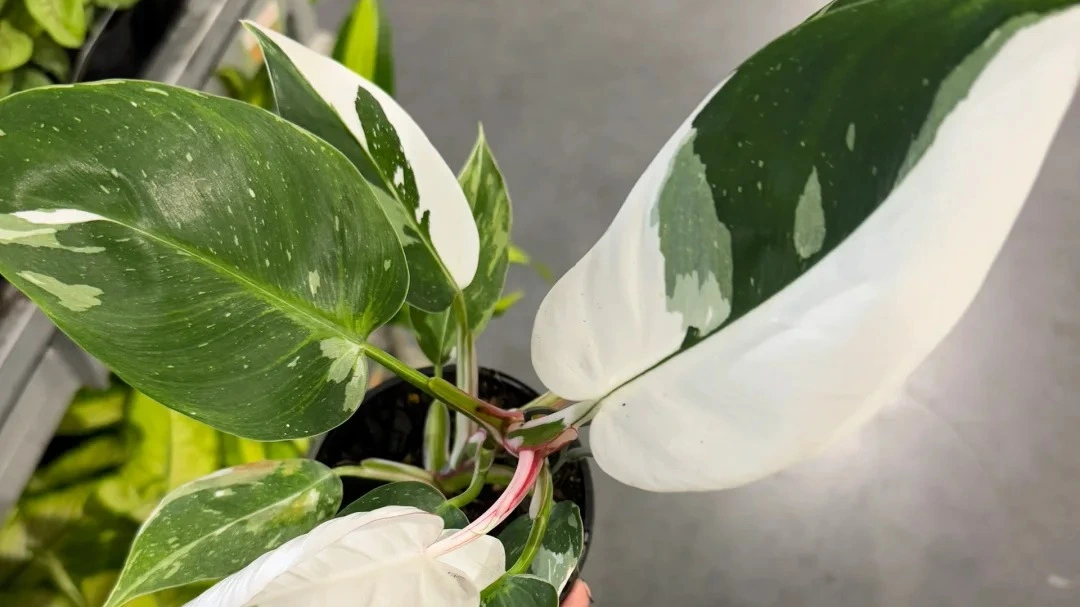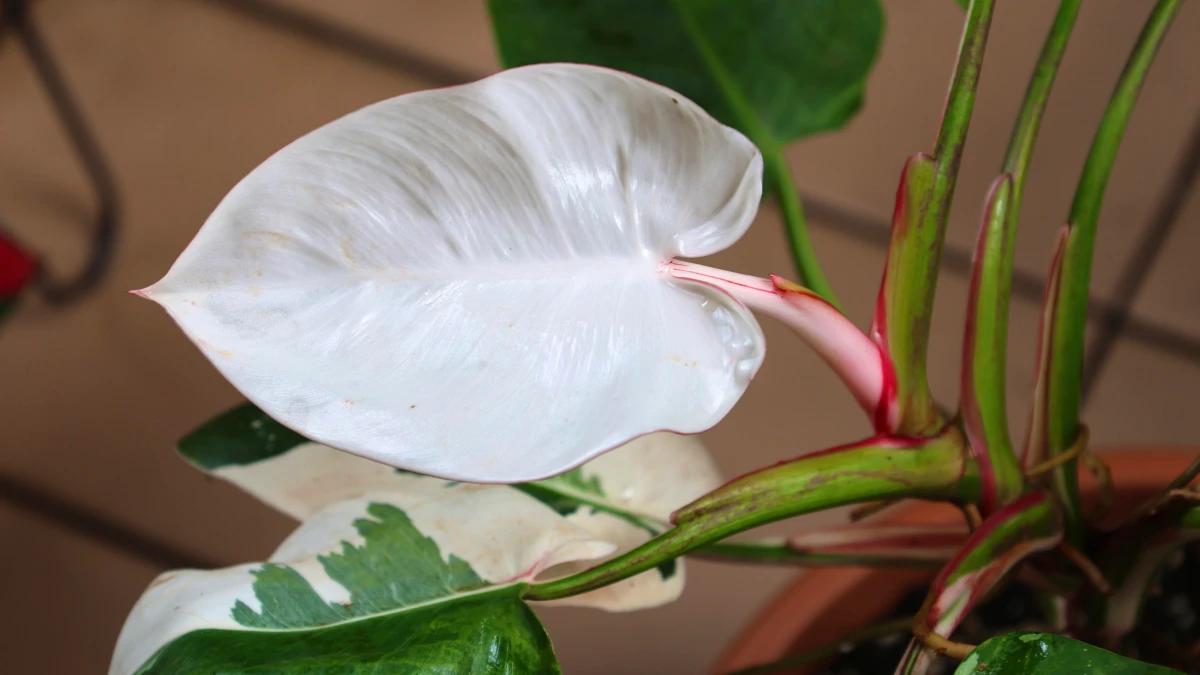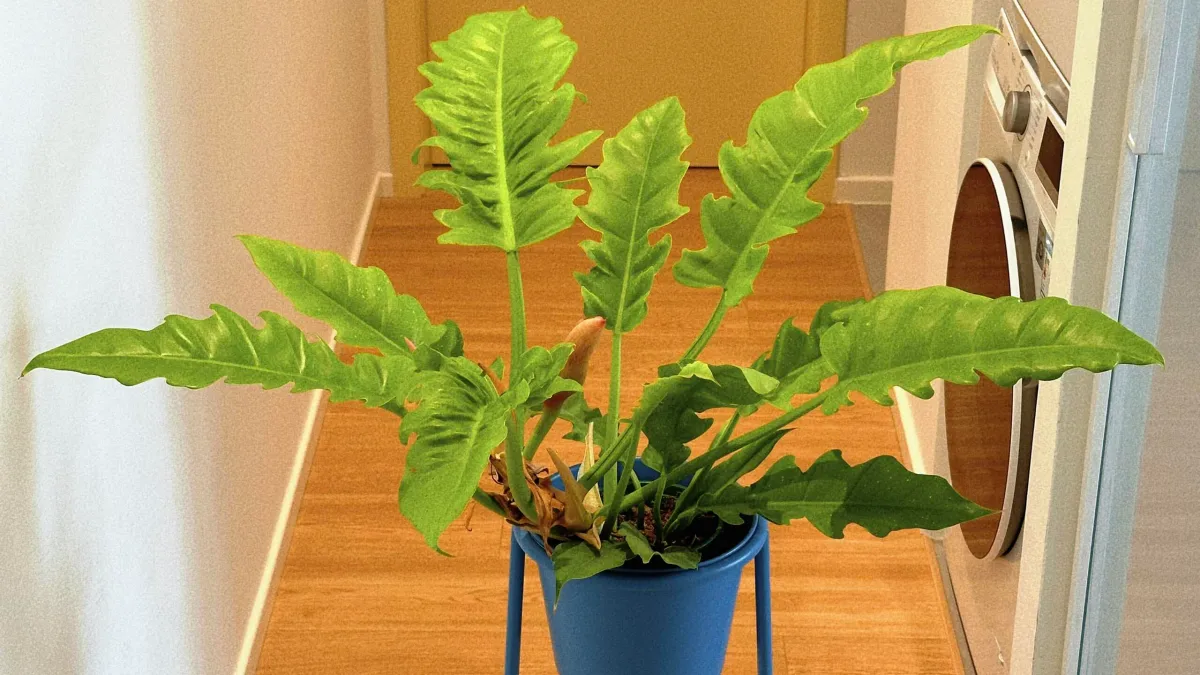
When a philodendron seems to stop growing, the problem is not always as simple as it sounds. Sometimes the plant has clearly slowed down for weeks or even months. Other times, a new bud appears, but then just sits there without moving, making it hard to tell whether the plant is actually stalled or simply progressing much more slowly than expected.
Over time, I’ve realized that “not growing” can describe very different situations in philodendrons. A plant may look stuck because the growth point has stalled, or it may still be growing in a technical sense but doing so far more slowly than it should because the roots, pot size, or conditions are not working in its favor. In a lot of cases, that comes down to whether the pot is actually moving through a healthy drying rhythm.
That difference matters, because the right response is not the same. A philodendron with a new bud that has not moved for weeks should not be read the same way as a plant that has been sitting in an oversized pot for months with almost no meaningful top growth. If both situations get labeled as “not growing” without any further thought, it becomes much easier to miss what the plant is actually struggling with.
In this article, I’m not just listing generic reasons why philodendrons stop growing. I’m sharing two real cases from my own plants: one where a new bud stayed still for weeks, and another where a Billietiae that was supposed to grow quickly barely moved for months after I sized up the pot too early. These experiences taught me that before trying to fix a slow philodendron, it helps to look more closely at how the slowdown is actually showing up.
Not Growing Does Not Always Mean the Same Thing
Sometimes a philodendron looks “not growing” because a new bud has already appeared, but then it barely moves for weeks. The growth point is there, so the plant is not completely inactive, yet the new growth seems stuck in place for so long that it feels like everything has stalled.
Other times, the plant does keep growing, but so slowly that it still feels like no real progress is happening. You may get one or two new leaves over several months, but they stay small, take a long time to harden off, or fail to give the plant any stronger overall momentum.
Both situations can fall under “philodendron not growing,” but they usually point to different kinds of slowdown. One is more about stalled new growth, while the other is more about weak overall progress. For me, learning to tell those apart has been much more useful than treating every slow philodendron as the same problem.
Case 1: When a New Philodendron Bud Stayed Still for Weeks
One of the most confusing kinds of “not growing” I’ve seen in a philodendron was when a new bud had clearly appeared, but then seemed to do almost nothing for two to three weeks. It wasn’t that the plant had no growth point at all — the bud was there — but the progress was so slow that it looked almost frozen.
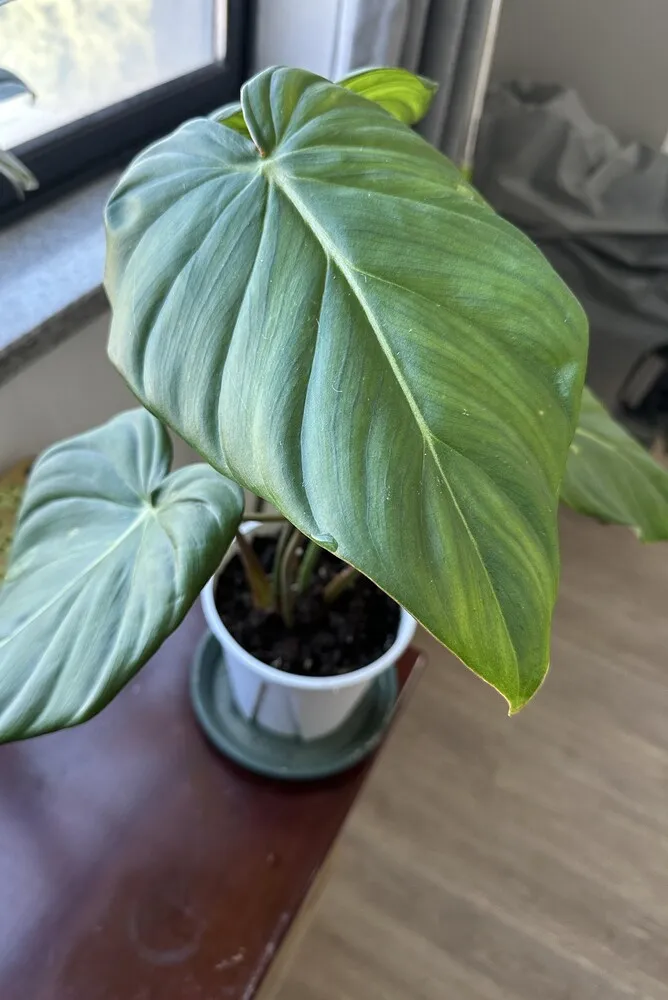
At first, this kind of situation is easy to misread. When a bud sits in place for that long, it can feel like the plant has completely stalled. But in my case, it turned out to be more like a stalled growth point than a plant with no growth intention at all.
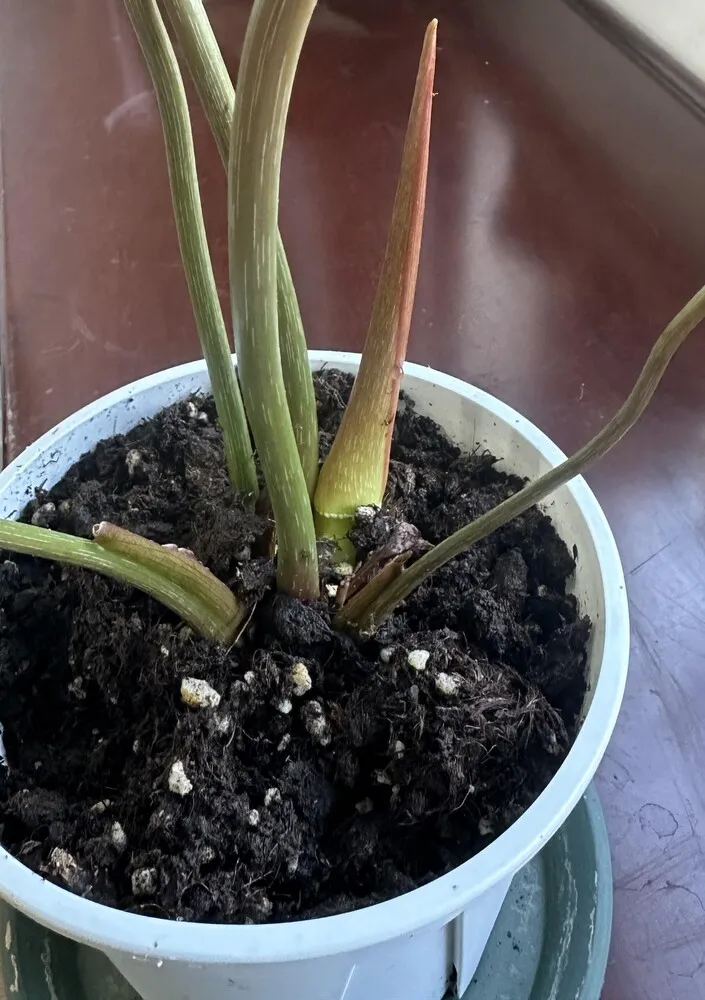
What helped me understand it better was watching what changed when the environment improved. I checked the humidity and realized it was only around 30% to 40%, which is much drier than I had assumed. Later, when temperatures rose and started staying above about 25°C, the plant suddenly began growing much more actively.
I also reduced watering a bit so the pot could move through a faster wet-dry cycle instead of staying damp for too long. Once the conditions became warmer and the overall rhythm improved, the bud finally started pushing forward instead of sitting still.
Looking back, I don’t think this was a case of true growth failure. It was more like the plant was technically trying to grow, but the combination of low humidity, cooler conditions, and a slower root-zone rhythm made that new growth pause for much longer than I expected. In that sense, it had more in common with a stuck or slow-moving new leaf than with a plant that had stopped entirely.
This experience taught me that when a philodendron bud stays still for weeks, it does not always mean the plant has stopped growing completely. Sometimes the growth point is simply stalled by conditions that are good enough for survival, but not good enough for steady momentum.
Case 2: My Billietiae Barely Grew After I Sized Up Too Early
This was a very different kind of “not growing,” because the plant was not completely frozen — it was just growing so slowly that the result felt deeply disappointing.
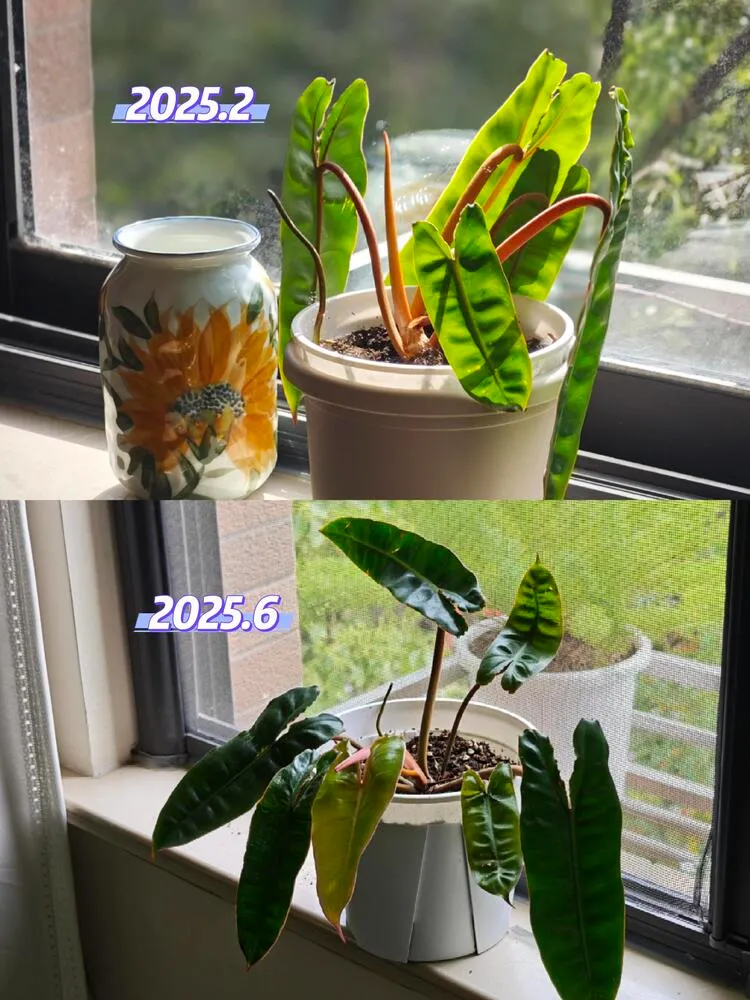
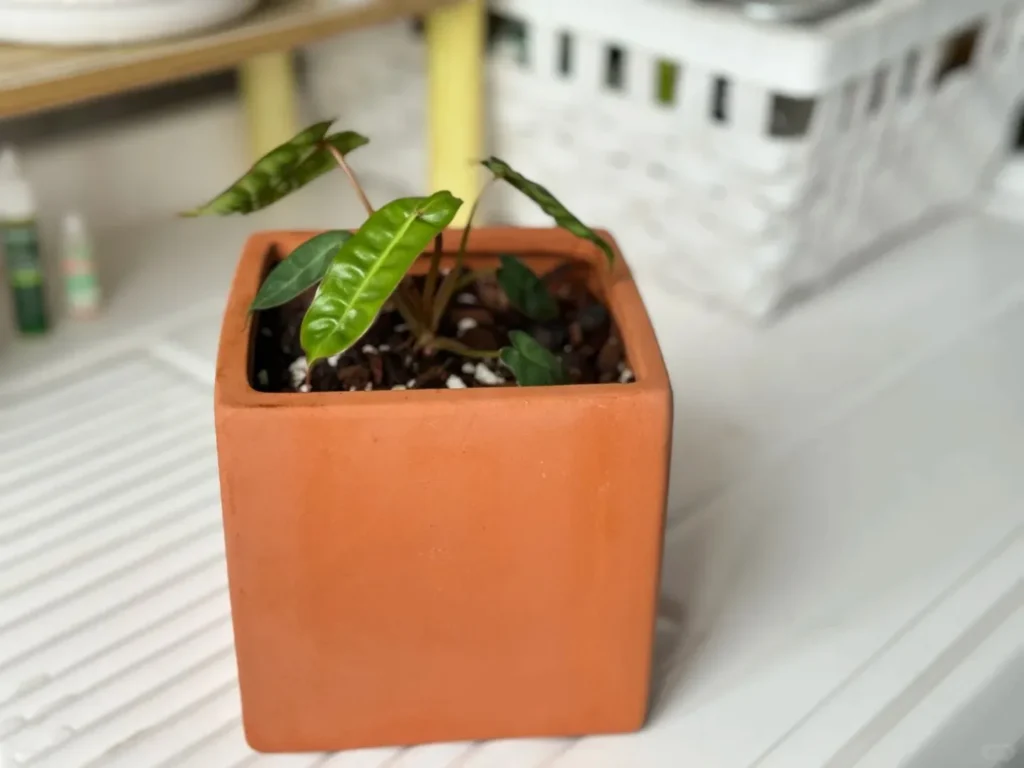
I bought my Billietiae in February 2025, and by June it had only produced two new leaves. For a plant that is often described as fast-growing, that felt underwhelming enough on its own. What made it more frustrating was that the newer leaves did not even seem especially strong or large. If anything, the plant almost looked like it was shrinking rather than building momentum.
Earlier in spring, I had moved it into an 18 cm pot and also cleaned up the roots a bit at the same time. I kept it on a south-facing balcony floor, fed it during the growing season, and watered when the soil dried. On paper, that sounded reasonable. But in reality, the mix was drying quite slowly, and the plant never really took off. That was also a reminder that even a good philodendron soil mix can work against you if the pot size is too ambitious for the root system.
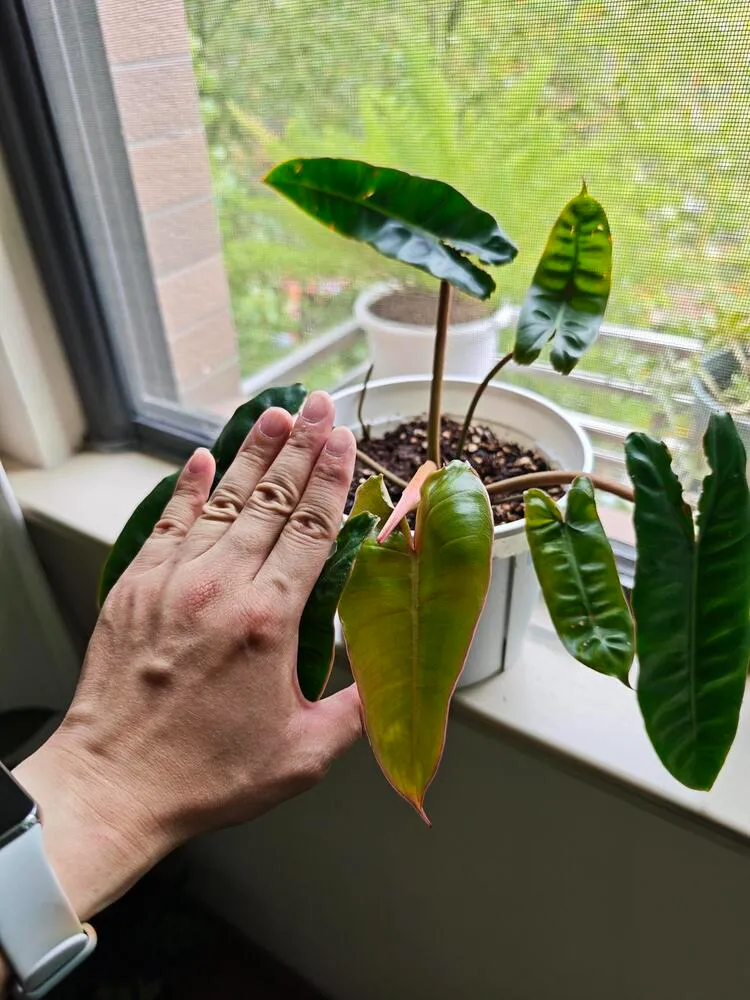
That was the point when I started realizing the problem probably was not fertilizer and not simply light either. The bigger issue was that I had sized up too early. I had treated the plant like it was ready for more root space before the root system was actually strong enough to use that space well.
Looking back, I think this is one of the most common beginner mistakes with philodendrons. Repotting and potting up are not always the same decision. Sometimes a plant needs a better soil mix for home conditions, but that does not automatically mean it also needs a much larger pot. If the roots are still sparse, not especially thick, and nowhere near filling the existing root ball, giving the plant extra space can slow the whole rhythm down instead of speeding it up.
In my case, the slow top growth made much more sense once I looked at it through the lens of root strength. A philodendron can only grow quickly above the soil when the roots underneath are strong enough to support that pace. If the roots are not ready, the plant may spend a long time just trying to stabilize itself in the larger pot, while the leaves above barely move. At that stage, the problem can start looking less like simple slow growth and more like the early pattern of a plant staying too wet for too long.
This experience changed the way I think about “fast-growing” philodendrons. A Billietiae may have the potential to grow quickly, but that potential only shows up when the root system, pot size, and drying rhythm are actually working together. Otherwise, even a vigorous plant can sit there for months looking like it has almost stopped.
What These Two Cases Taught Me About Slow Philodendron Growth
What these two cases made very clear to me is that “philodendron not growing” does not always describe the same kind of problem. In one case, the growth point was there, but the bud stayed stalled for weeks before conditions improved enough for it to move. In the other, the plant was technically growing, but so slowly and weakly that it still felt like almost no real progress was happening.
That difference matters because the cause is not always the same. Sometimes the issue is stalled new growth, often because the environment is just good enough to keep the plant alive but not good enough to support steady momentum. Other times, the bigger issue is that the root system is not strong enough yet to support faster top growth, especially after sizing up too early.
Looking back, both situations kept leading me to the same underlying lesson: most slow philodendron growth can eventually be traced back to the relationship between root strength and growing conditions. If the roots are weak, disturbed, or sitting in a pot that stays damp for too long, the plant often slows down above the soil. And if the environment is too dry, too cool, or otherwise not supportive enough, even an active growth point can pause much longer than expected.
For me, that has been much more useful than thinking of “not growing” as one single diagnosis. A philodendron may look stuck for very different reasons, but in the end I now pay closest attention to two things: whether the root system is truly ready to support more growth, and whether the surrounding conditions are actually helping the plant move forward instead of merely survive.
How I Read a Philodendron That Isn’t Growing Now
After going through these different situations, I no longer react to a slow philodendron in the same way I used to. The first thing I ask now is not simply “Why isn’t it growing?” but what kind of slowdown I’m actually looking at.
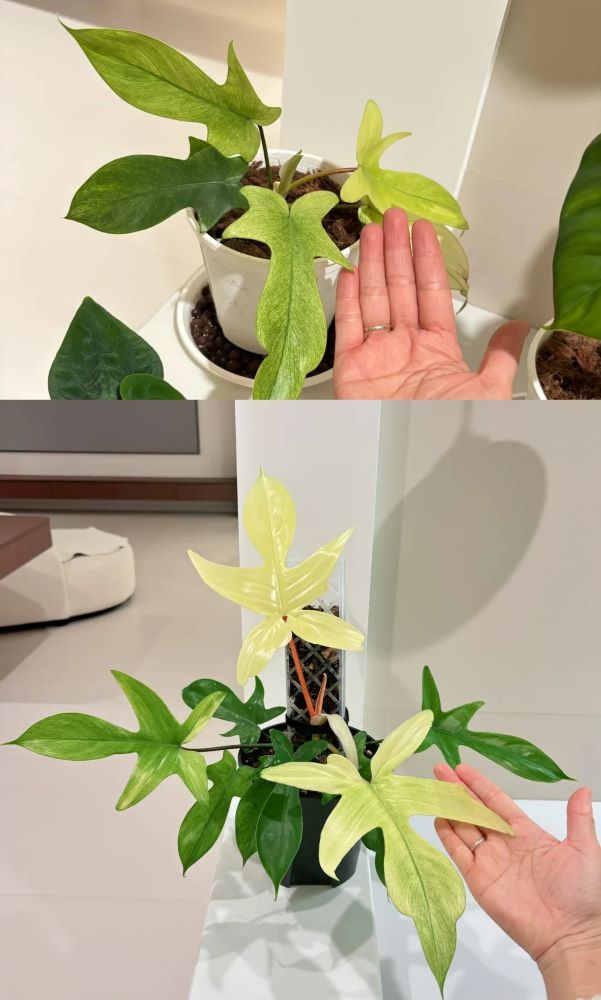
If a new bud has appeared but barely moves for weeks, I start by thinking about temperature, humidity, and overall growth momentum. In my experience, a stalled growth point often means the plant is trying to grow, but the environment is not supportive enough for that growth to keep pushing forward steadily.
If the plant has been sitting for months after repotting and only produces weak or minimal new leaves, I think much more about the roots and the pot size. At that point, I’m less interested in adding more fertilizer and more interested in whether the root system was actually strong enough for the pot it was moved into.
If the soil stays damp for a long time and the drying cycle feels slow, I don’t rush to “boost” the plant with more feeding. Slow top growth in that situation often tells me that the rhythm below the soil is not working well yet, and more fertilizer will not fix that on its own. In practice, this is why I pay much more attention to how the pot is drying than to the calendar.
Most importantly, I’ve learned that not every philodendron that seems stuck needs more intervention. Sometimes the worst thing you can do is keep changing too many variables at once — more water, more fertilizer, another repot, another move. A slow plant still needs to be read before it is “corrected.”
For me, the biggest shift has been learning to see slow growth as a pattern instead of a single failure. Once I started paying closer attention to root strength, drying rhythm, warmth, and humidity, it became much easier to tell whether a philodendron was truly not growing — or simply not growing well under the conditions I had given it.
FAQ
Still not sure what your philodendron is telling you?
If your philodendron still seems off, this may be only one part of the picture. I’ve collected the most common indoor philodendron problems — along with the patterns I watch for and the changes that have helped my plants recover.
Go to Problems Hub →