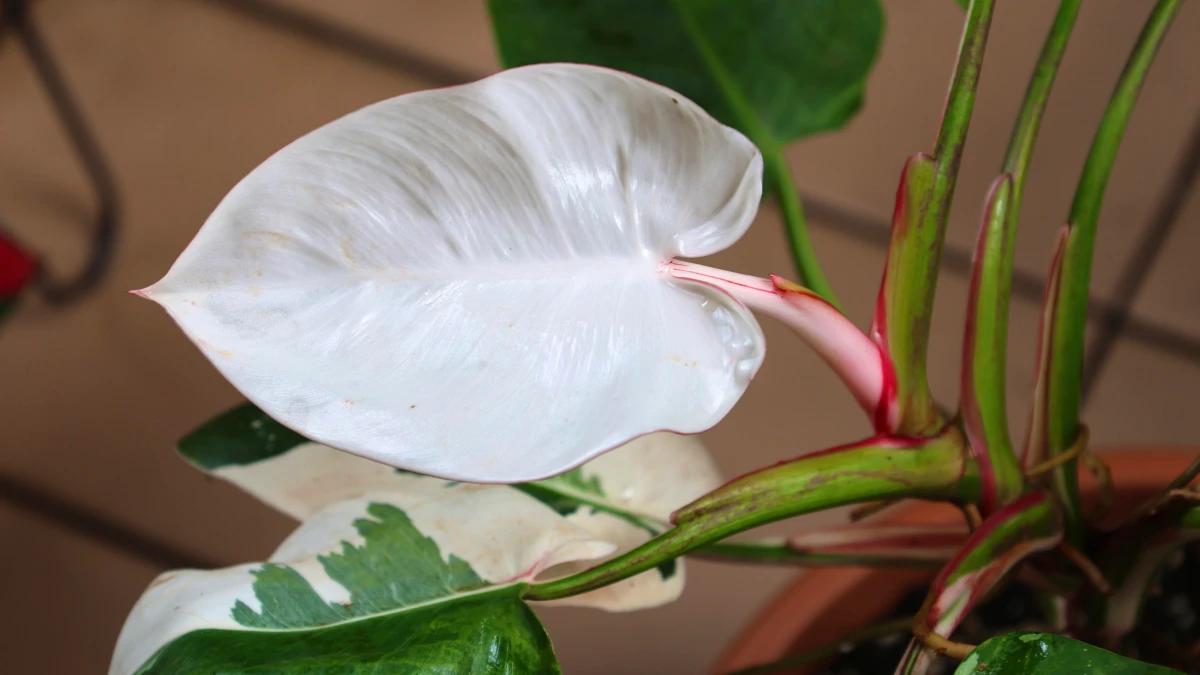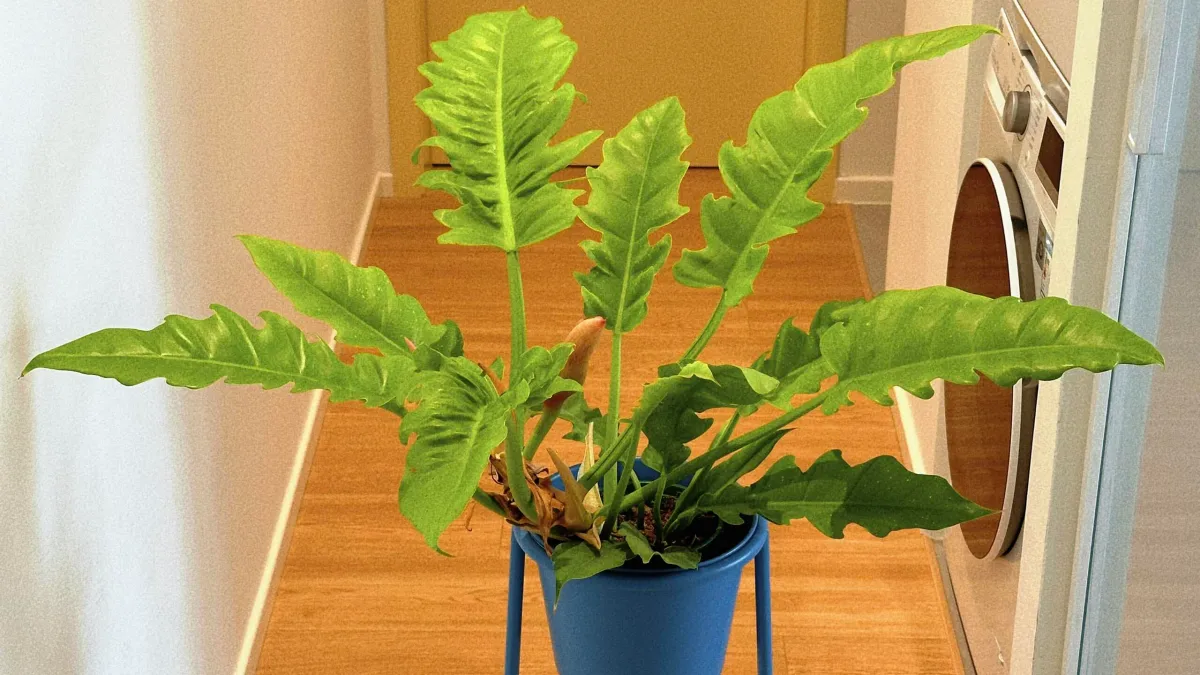
Philodendron White Princess is one of those plants I care about more than I expected.
It is not the hardest philodendron I grow, but its newest growth makes me pay attention. The white variegation is beautiful, and when a little pink shows up, it feels even more special. But those pale new leaves also show stress quickly.
With mine, the most useful lessons came from three moments: brown specks and fine webbing, a trapped new leaf that would not open, and one weak plant that surprised me after being cut back.
So this is not a guide about chasing the whitest or pinkest leaf. It is about how I read White Princess early, when I step in, and when I try not to make things worse by overreacting.
Brown Specks and Webbing: The Pest Sign I Check Fast
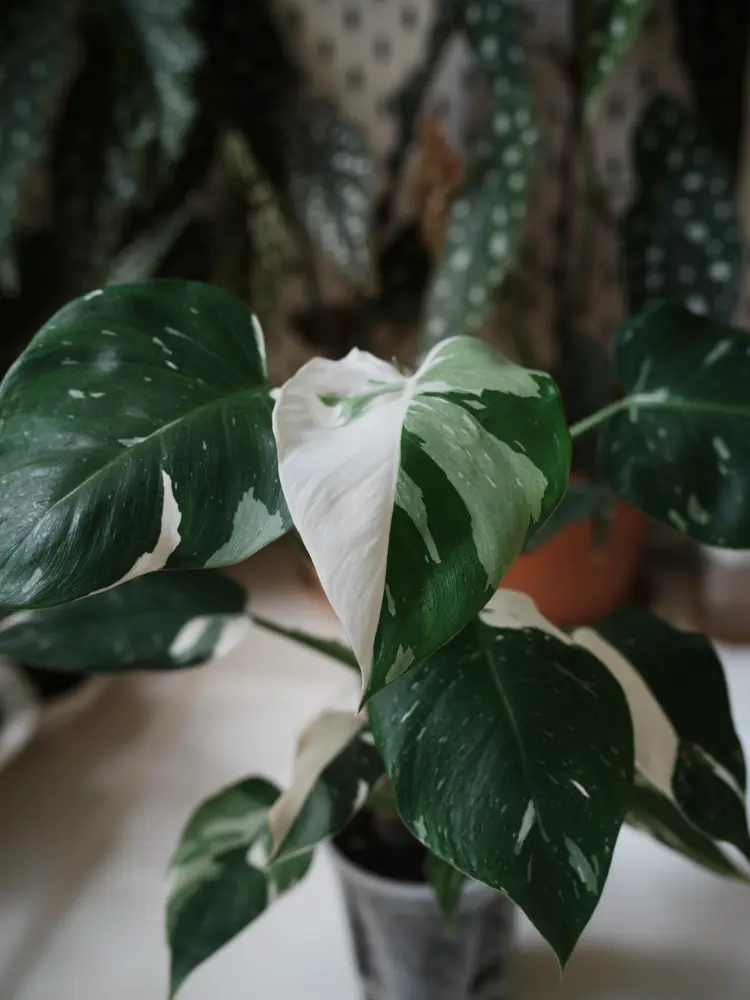
The first sign was not dramatic. I only noticed a few small brown specks on the new leaves of my Philodendron White Princess. At first, it would have been easy to treat them as minor leaf damage, especially because variegated leaves often show little marks faster than plain green leaves.
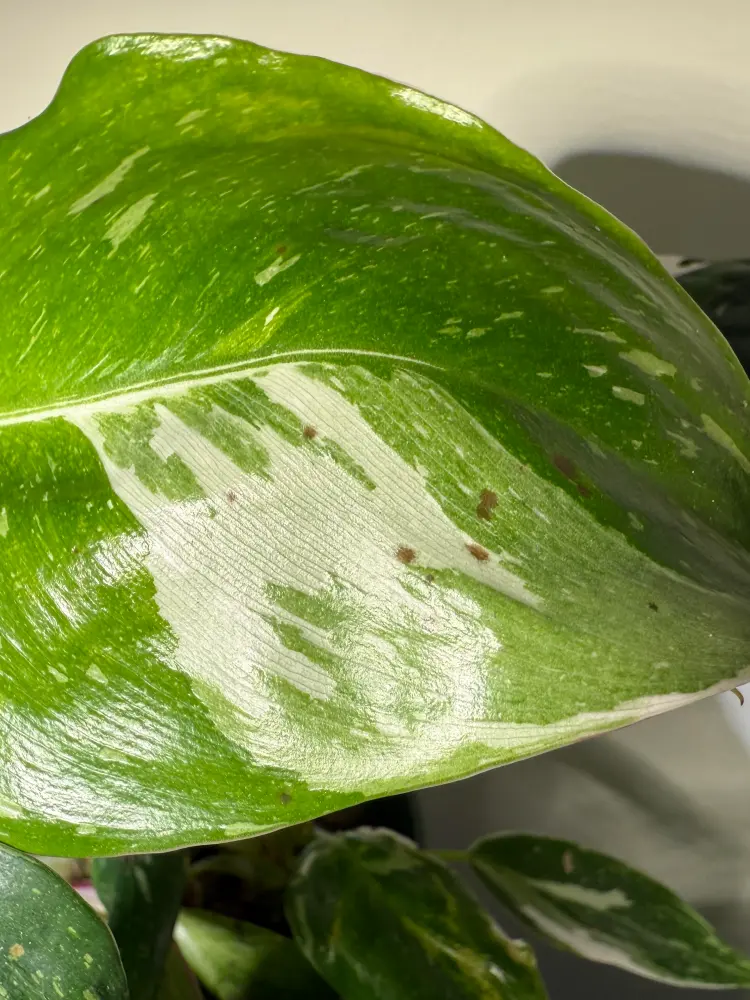
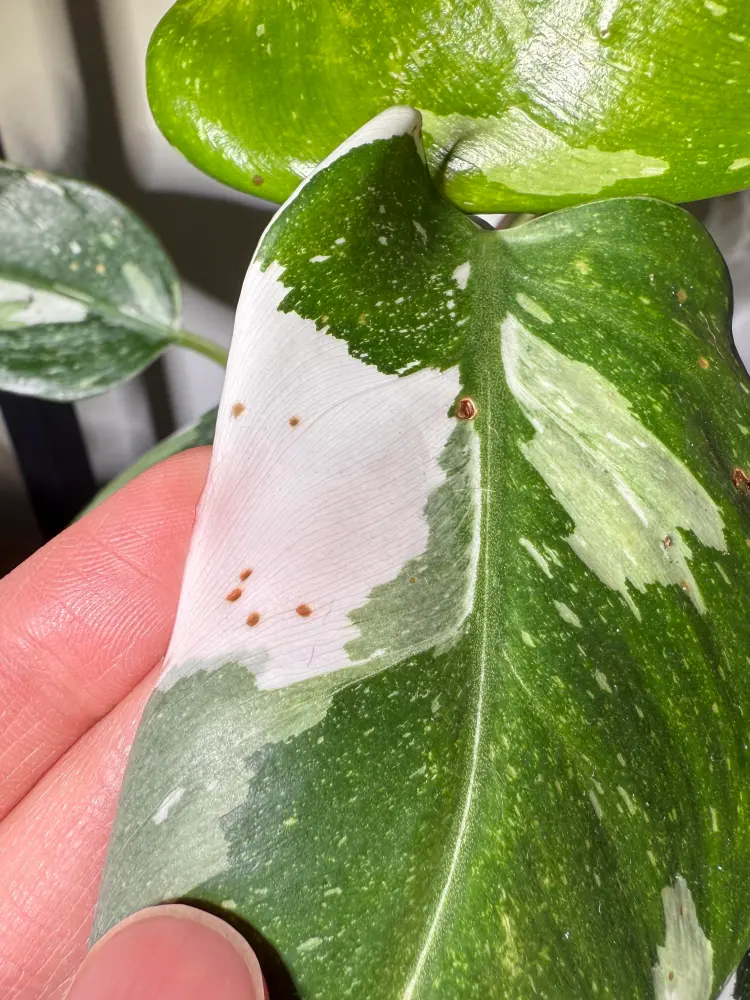
But then I saw similar marks on an older leaf too.
That made me look more closely around the petioles and new growth, and that was when I noticed fine, misty webbing. For me, fine webbing around the petiole is one of the signs that makes me check for spider mites immediately. I would not say every bit of webbing automatically means spider mites, but brown specks on the leaves, fine webbing near the petioles, and nearby plants starting to look affected is enough for me to act quickly.
At that point, I stop treating it like a cosmetic leaf issue. With White Princess, I would rather respond a little early than wait until the newest leaves are already damaged. If I see brown marks without webbing or nearby spread, I would also compare them with other causes of brown spots on philodendron leaves before assuming it is a pest problem.
What I Do When I Suspect Spider Mites
When I suspect spider mites on Philodendron White Princess, I separate the plant first. By the time I can see fine webbing, I assume the nearby plants need checking too.
I prefer to treat it in a shaded outdoor spot or somewhere with better airflow. I would not spray a White Princess under strong sun, because the white parts are already sensitive and wet leaves plus harsh light can create extra damage.
When I spray, I focus on the undersides of the leaves, the petioles, the leaf sheaths, and the newest growth. I do not just mist the top surface and call it done. After treatment, I let the leaves dry before bringing the plant back inside.
I also keep checking for the next few days and weeks. One treatment does not always end the problem, and pests rarely stay on only one plant.
The Stuck White Leaf I Did Not Want to Force Open
The stuck leaf was the part that made me check the plant every day.
One new shoot on my White Princess stayed trapped for about a week. The top of the leaf looked like it wanted to open, but the middle section was still held tightly by the sheath. It was not fully stuck forever, but it also was not moving the way I wanted it to.
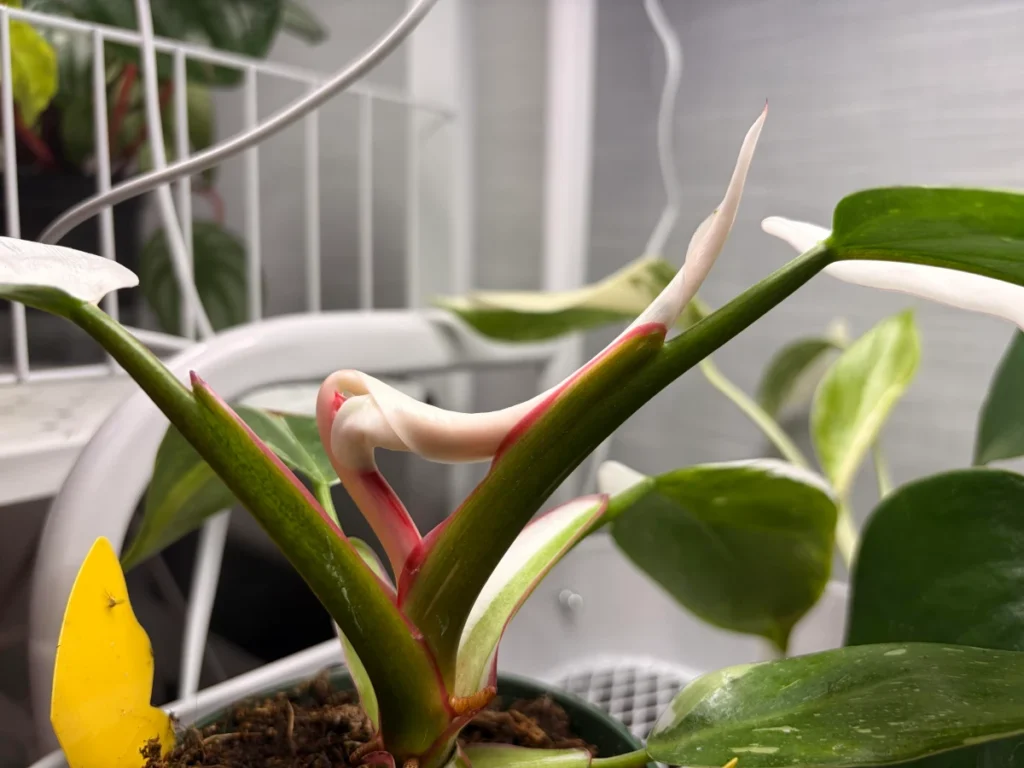
If this had been a mostly green leaf, I probably would have felt calmer. But this leaf had a high amount of white variegation, and that made it feel more fragile. I kept worrying that it would fold inside the sheath, open with a strange shape, or snap at the stem before it had a chance to harden.
It was not automatically an emergency, but it was the kind of new leaf I watched closely. The more white tissue a leaf has, the less forgiving it feels when something goes wrong.
What Helped Mine Unfurl
I did not pull the leaf open by force. That was the main thing I kept reminding myself, because the leaf was still alive and trying to move. If I tore the sheath or bent the new growth too hard, I could easily damage the leaf I was trying to save.
What helped mine was raising the humidity around the plant. I lightly misted the area and ran a humidifier nearby, but I tried not to leave water sitting inside the sheath for too long. A little moisture can help soften the tissue, but trapped water in a tight new leaf can create a different problem.
After the humidity improved, the leaf finally started to open. It was a good reminder that some stuck leaves do not need cutting, pulling, or peeling right away. Sometimes they need the surrounding tissue to soften just enough so the leaf can push itself free.
I think of it this way: I help the leaf open; I do not force it open.
If the trapped part is already black, mushy, broken, or starting to rot, I would reassess. But when the new leaf is still firm and green, I prefer to improve the conditions first and give it a little time.
Why the White Parts Make White Princess Less Forgiving
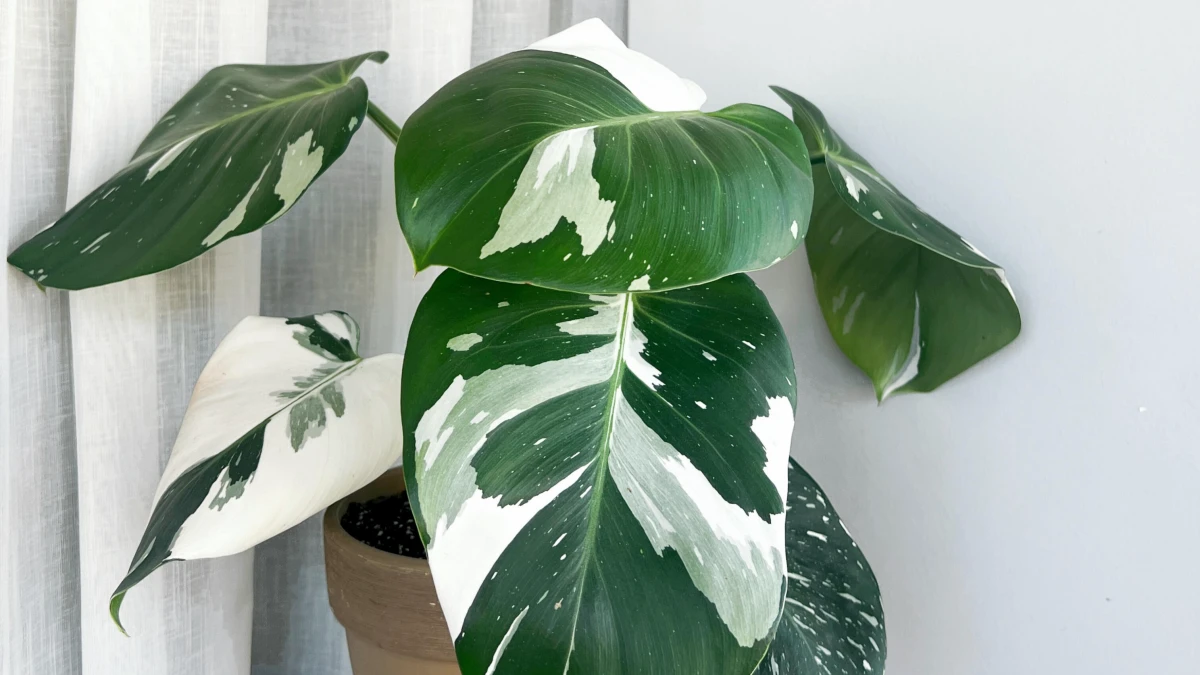
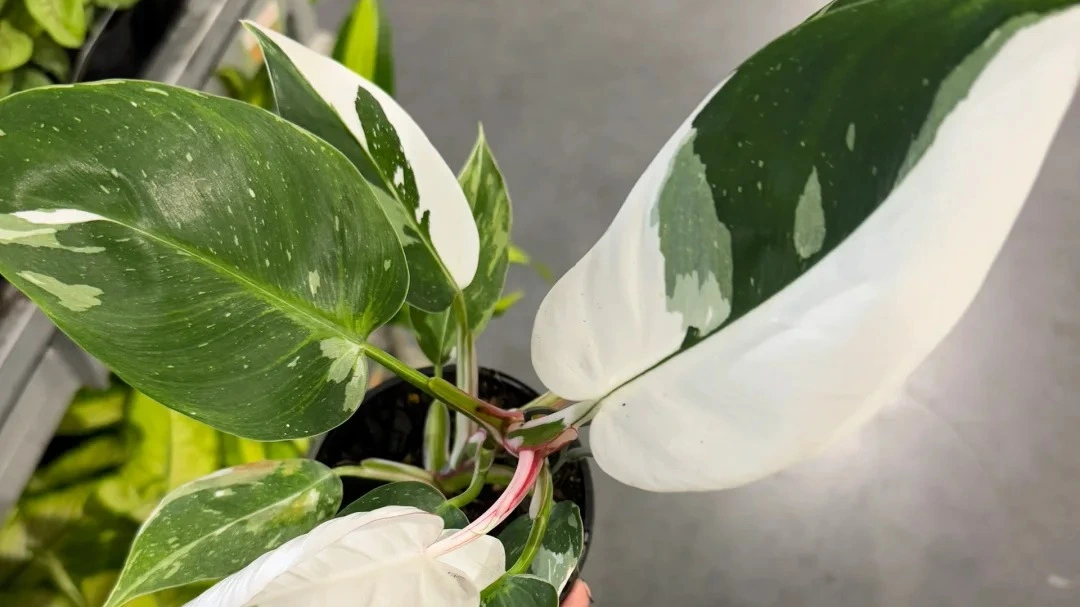
The white variegation is the reason I like Philodendron White Princess so much. When a leaf opens with clean white sections, or when a little pink shows up near the variegation, it feels like a small reward.
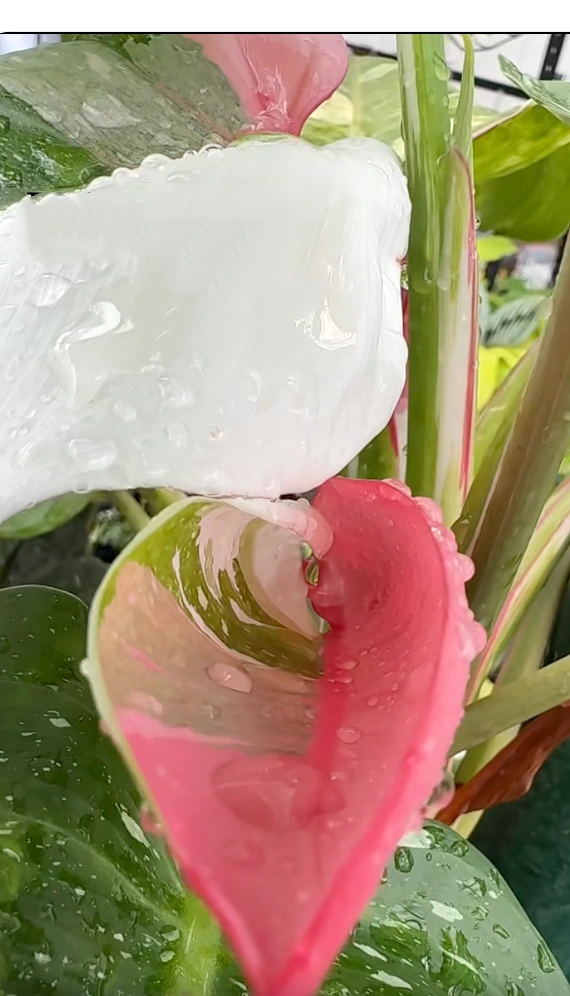
But those pale parts also make the plant less forgiving.
The white tissue is more likely to show stress first. It can brown under harsh light, get crispy at the edges in dry air, or come out damaged when the new leaf struggles to unfurl. This is why I would rather understand how much light philodendrons actually need indoors than push a White Princess into stronger sun just to chase whiter growth. If the roots are not steady, the newest white sections often look imperfect before the rest of the plant looks seriously wrong.
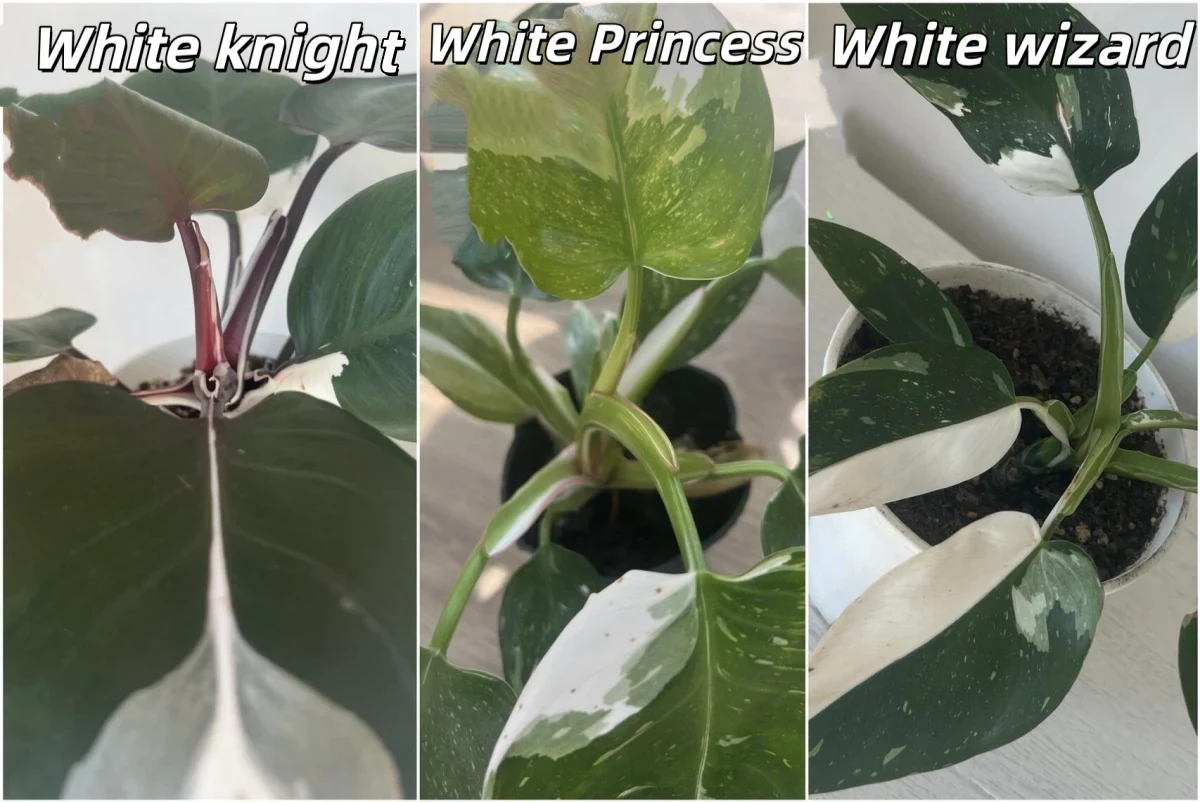
I also try not to treat pink as something this plant owes me. White Princess can produce pink or reddish-pink variegation, but it is not the same as Pink Princess, where pink is the main attraction.
For me, the goal is not to force the whitest or pinkest leaf possible. I would rather keep the plant healthy enough to keep producing good leaves over time. A perfect white-and-pink leaf is exciting, but a stressed plant that cannot keep growing well is not worth it.
The Cut-Back That Surprised Me From the Base
One of my White Princess plants had been looking weak for a long time, so I eventually decided to cut it back and try to propagate fresh growth.
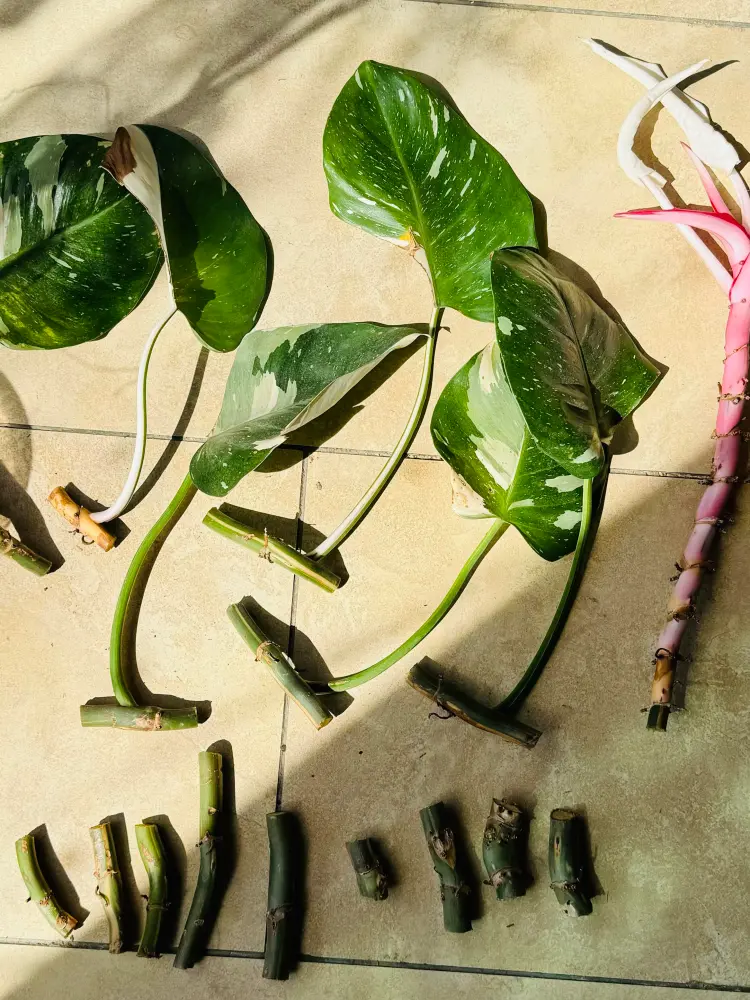
I left about 2 cm of stem above the base. At the time, I thought that little stem section might be the part that pushed new growth. But the stem itself did not do much at all.
The surprise came from the base. After a long time with very little attention, the root base started growing again. I honestly did not expect much from it anymore, but it pushed a new shoot, and the new growth even showed some pink.
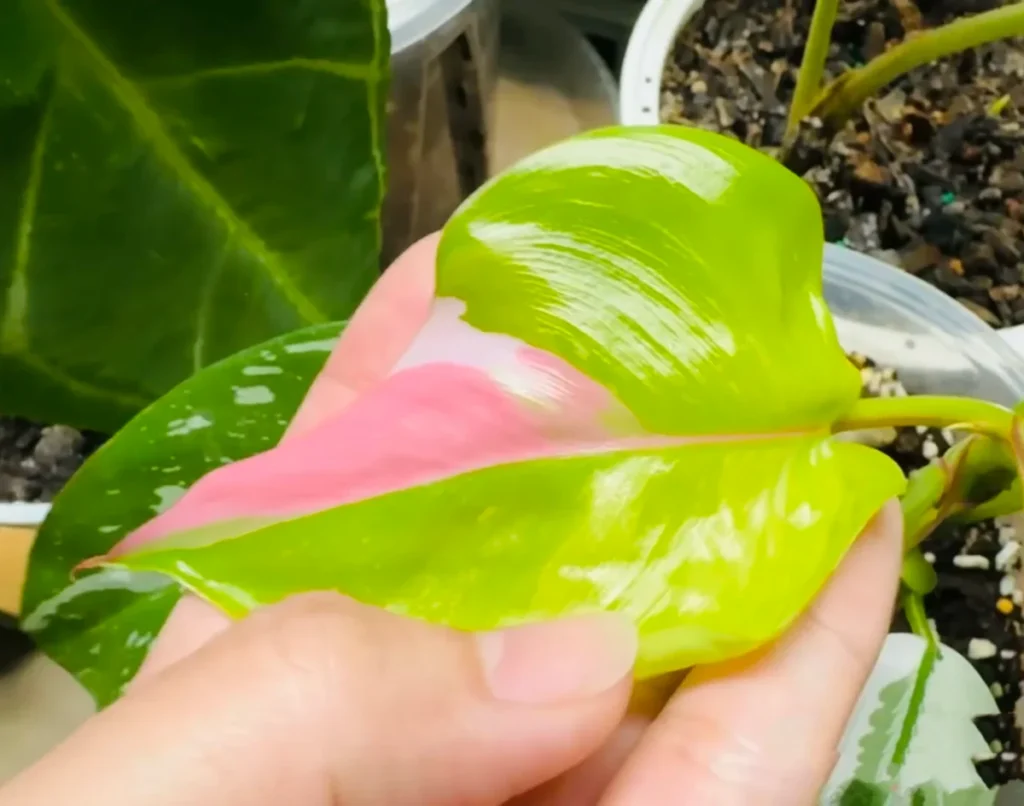
If a cut-back plant stays completely still for a long time, I would compare it with the signs of a philodendron that has stopped growing before cutting again.
What I Think Went Wrong With the Stem Cutting
Looking back, I do not think the stem cutting failed simply because I left it too short. The more important question is whether that piece had a healthy, active node with enough energy to push new growth.
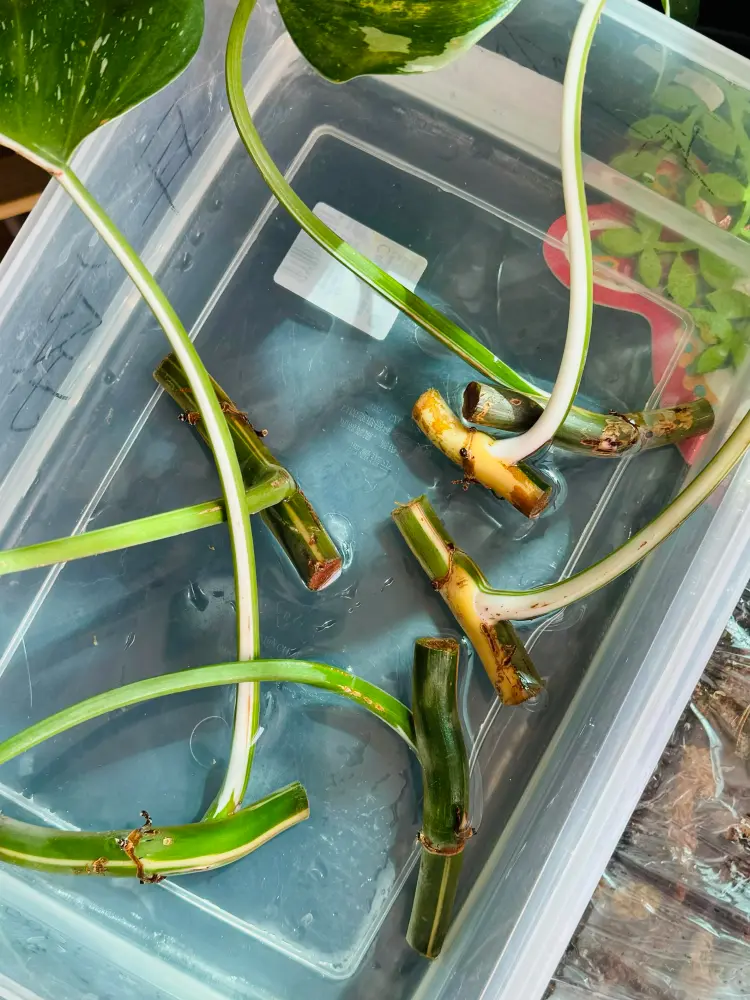
A short stem section can work, but it can also fail if the node is weak, too dry, damaged, or no longer active. In my case, the stem piece did not wake up the way I expected.
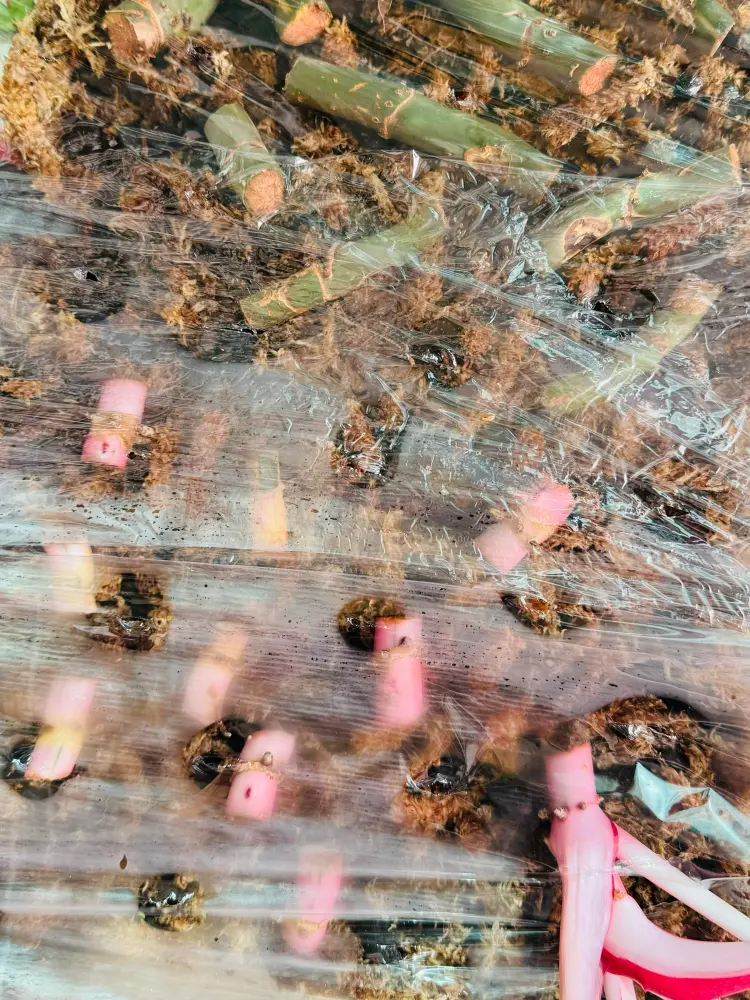
The base was different. New growth from the root base told me the lower part of the plant still had stored energy. Now, if I cut a White Princess, I pay more attention to the node, the root condition, and the active growth point instead of only thinking about how much stem I left.
My Current White Princess Rule: Watch the Newest Growth First
With Philodendron White Princess, I pay the most attention to the newest growth. Older leaves still matter, but the new leaves usually tell me faster when something is starting to go wrong.
This is what I check first now:
| What I Watch | Why It Matters |
|---|---|
| New leaf surface | Brown specks can show pest pressure early, especially before the whole plant looks affected |
| Petiole and leaf sheath | Fine webbing, trapped leaves, and hidden stress often start around this area |
| White sections | They show burn, dryness, pest damage, or root stress faster than greener tissue |
| Root behavior | Weak roots often lead to smaller, weaker, or damaged new growth |
| Nearby plants | Pests rarely stay politely on one plant, so I check the plants around it too |
This is also why I do not treat White Princess care as just a light-and-watering routine. For this plant, the small details around the newest leaf matter. A tiny mark, a stuck sheath, or a weak-looking new shoot can tell me to slow down, inspect more closely, and fix the growing conditions before the plant loses momentum. If weak new growth comes together with wet soil or a sour, heavy root zone, I would check for philodendron root rot early.
White Princess Rewards Close Attention
Philodendron White Princess is not the hardest philodendron I grow, but it is one of the plants that rewards close observation.
It shows small problems early, especially through new growth. A tiny mark, a stuck sheath, or a weak-looking new shoot is often my reminder to slow down and inspect before the next leaf is damaged.
At the same time, this plant has surprised me with its ability to recover, even from the base when I no longer expected much.
So my goal with White Princess is not to chase the whitest leaf, the pinkest patch, or the fastest propagation result. I would rather watch it carefully, respond early, and keep it healthy enough to keep growing.
FAQ
Still exploring philodendron varieties?
If you are still comparing leaf color, growth habit, and care difficulty, my main philodendron varieties page is the best place to continue.
Go to Varieties Hub →