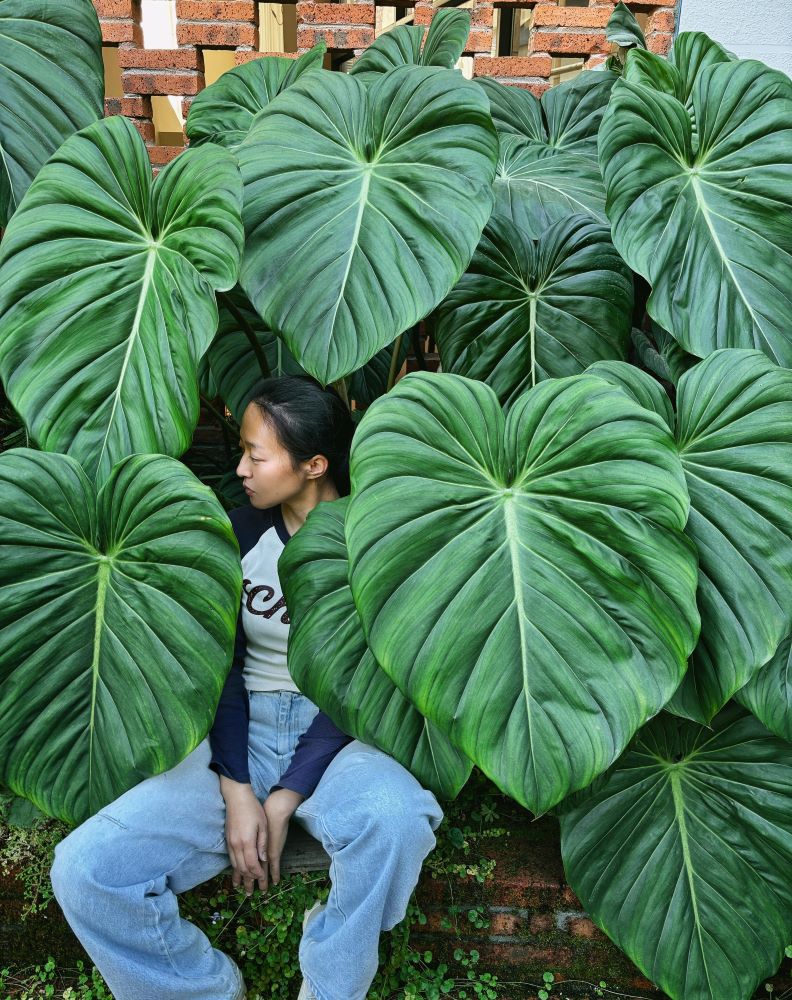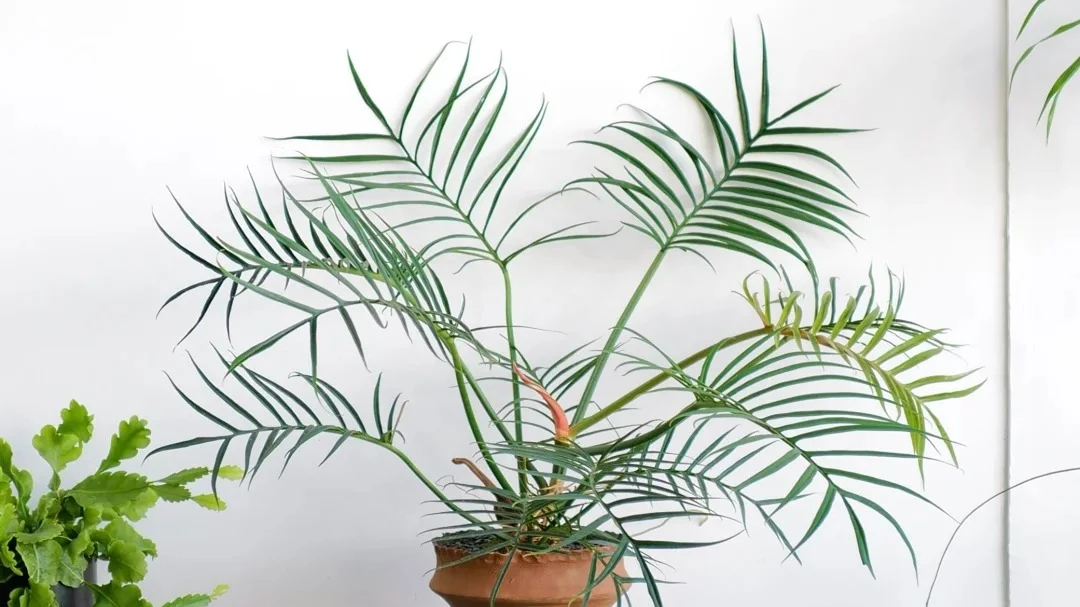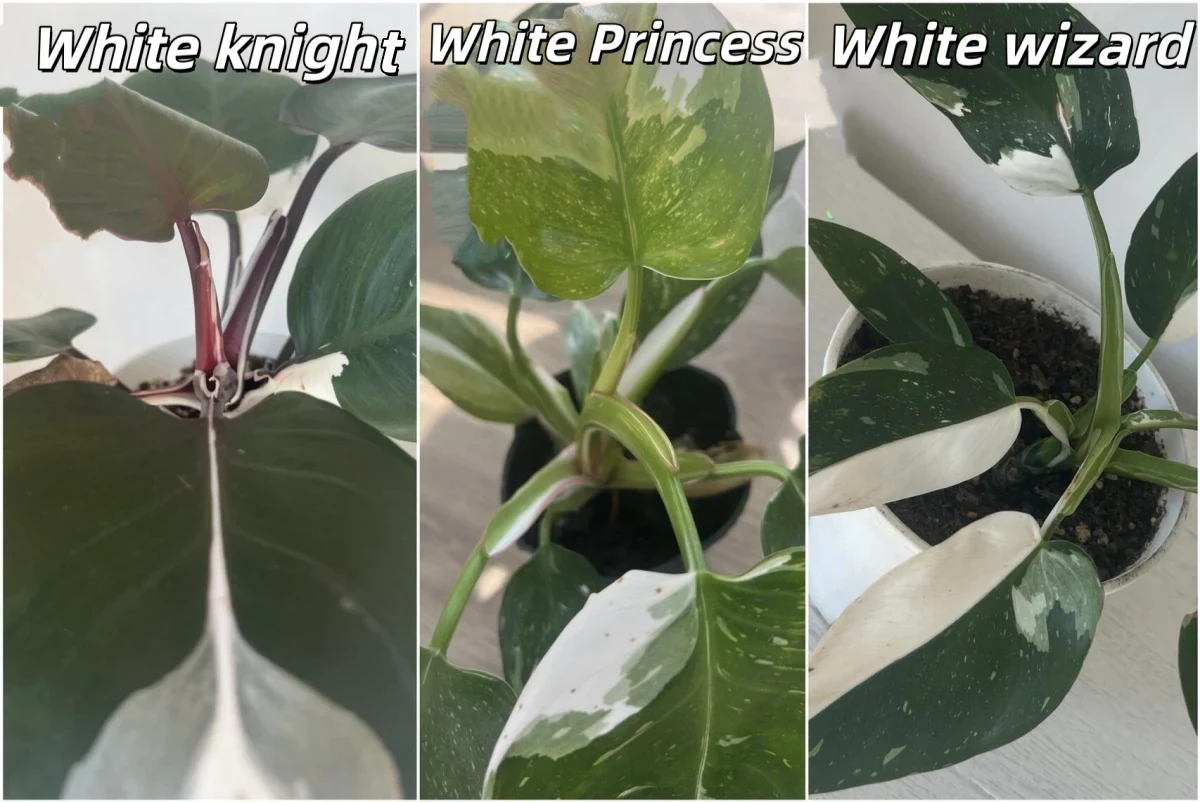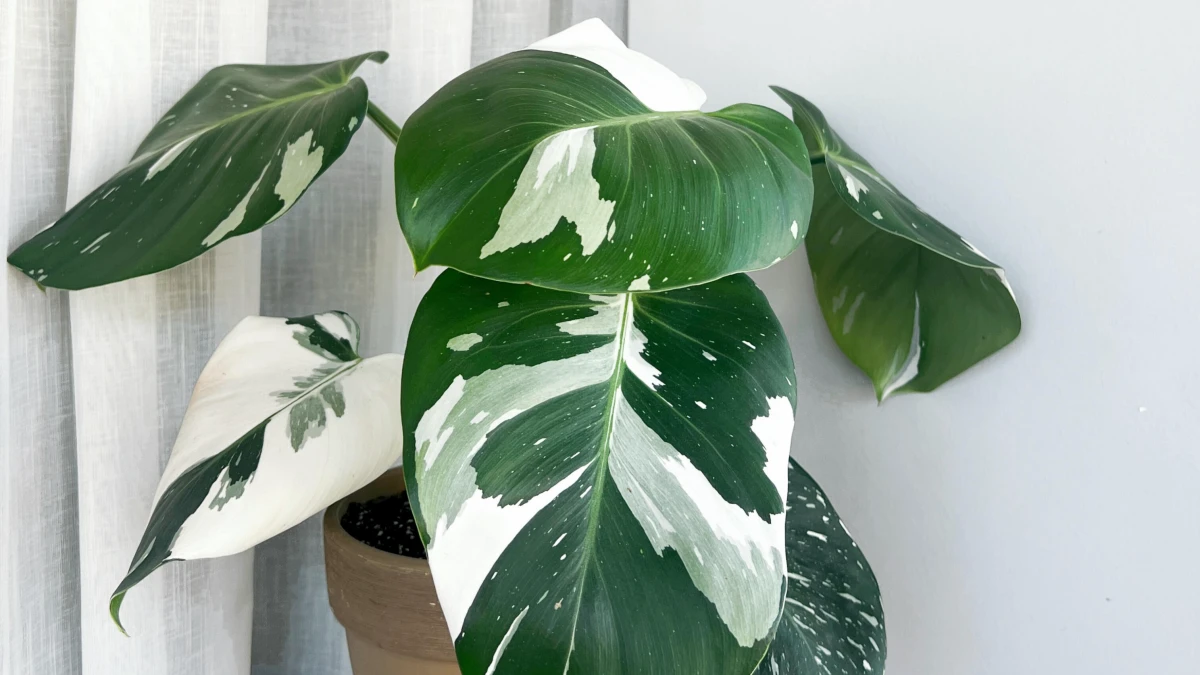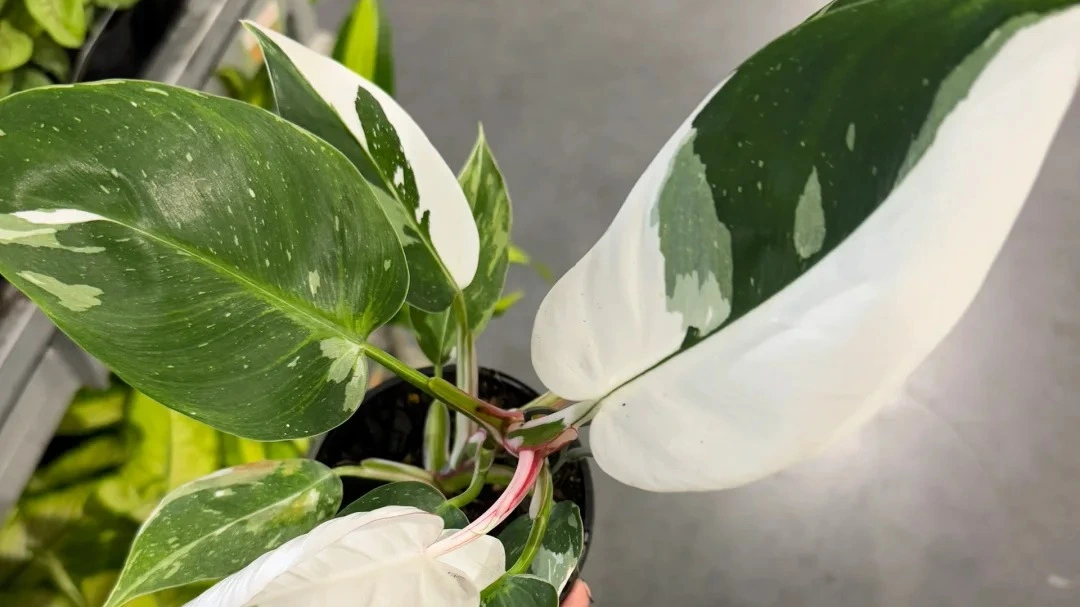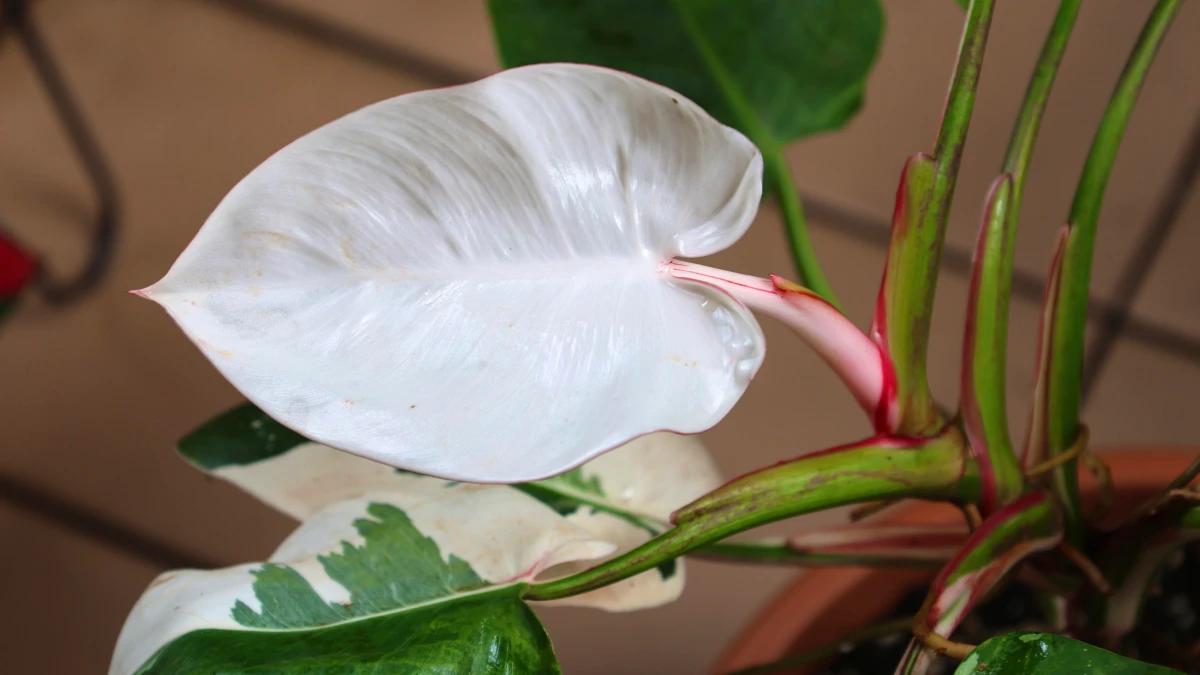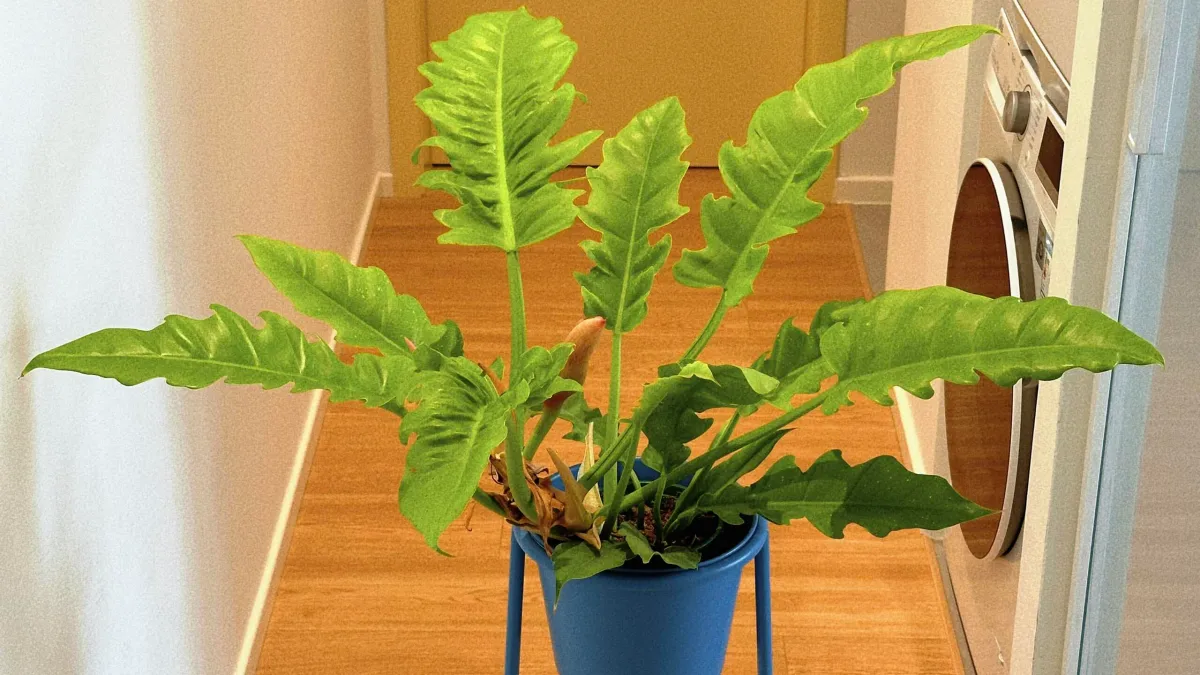
When people think of philodendrons, they often picture the big dramatic ones first—the oversized leaves, the crawling growth, the plants that take over a shelf or a corner of the room. I grow some of those too. In my collection, Mamei and Pastazanum are the large creeping types, the ones that feel more architectural and take up space in a very different way.
But I also keep several of the smaller-leaf types, including Philodendron Brasil, Brandi, Micans, and Lemon Lime. These are the kinds that can trail from a pot, climb a support, or simply fill out into something soft and lush without demanding too much room. Out of all of them, Brasil is still the one I recommend most often.
That is not because it is the rarest or the most dramatic. It is because it is the one that feels easiest to grow well. It grows fast, fills out quickly, stays attractive without a lot of fuss, and gives that satisfying “full plant” look much sooner than many other philodendrons do. For me, it is one of those plants that earns its place not by being flashy, but by being consistently enjoyable to live with.
After growing several philodendrons at home, I still find myself coming back to Philodendron Brasil as one of the most rewarding small-leaf types to keep indoors.
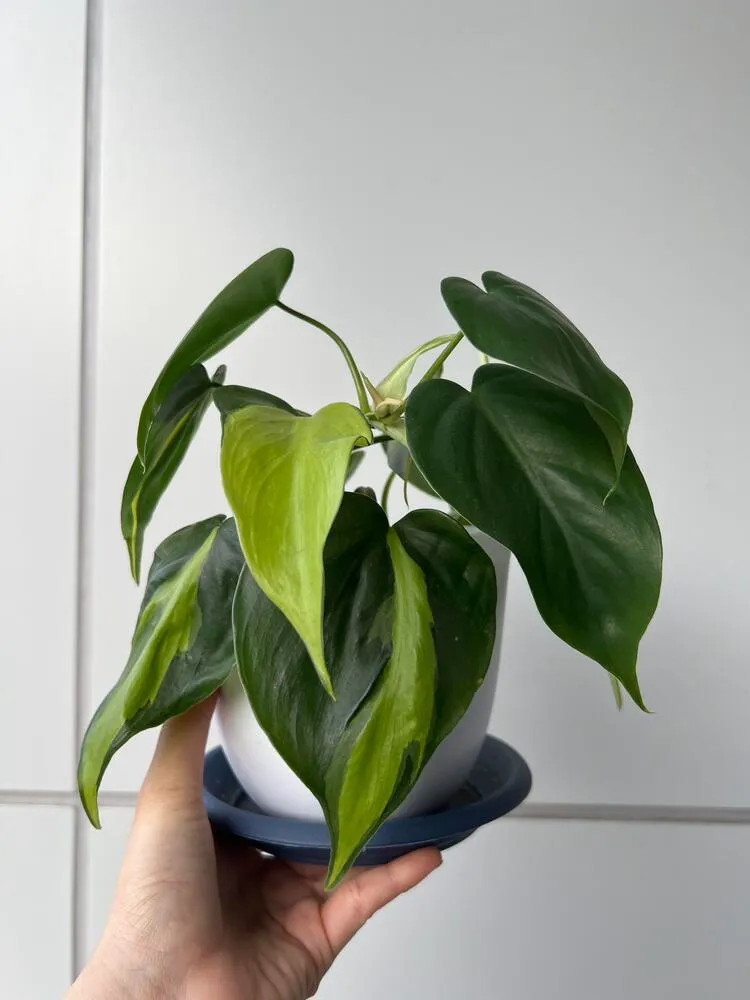
Why Philodendron Brasil Stands Out Among Small-Leaf Philodendrons
Philodendron Brasil belongs to the smaller-leaf side of the philodendron world, and that alone makes it easier to fit into everyday indoor spaces. Unlike the large creeping types that need wider containers and more room to spread, Brasil is much more flexible. You can let it trail from a pot, train it up a pole or support, or simply keep it as a full tabletop plant for a long time without feeling like it is taking over the whole area.
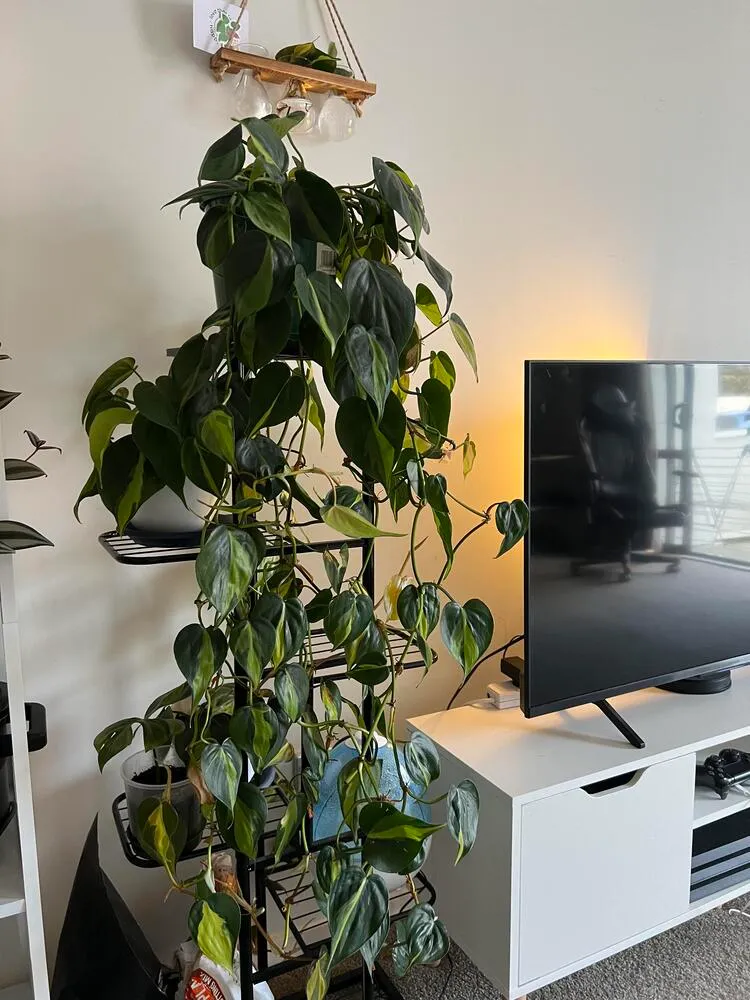
That flexibility is a big part of why I like these smaller types in general. Plants like Brasil, Brandi, Micans, and Lemon Lime feel much easier to live with. They still give you that layered, vining philodendron look, but in a way that feels lighter and more adaptable indoors. I sometimes think of them as the philodendron version of pothos with better texture and more personality—easy to place, easy to shape, and much less demanding than the larger crawling kinds.
Among them, Brasil is the one that feels the most balanced to me. It has the same easy trailing habit I enjoy in smaller-leaf philodendrons, but with a brighter, more recognizable pattern that makes it stand out without becoming difficult to place indoors.
That is really why I keep coming back to it. Other small-leaf philodendrons each have their own charm, but Brasil combines speed, toughness, and everyday beauty better than most of them. It is the kind of plant that does not just survive indoors—it quickly starts looking like it belongs there.
What Made Me Keep Recommending Brasil Over Other Similar Types
The biggest reason I keep recommending Philodendron Brasil is simple: it gives satisfying results quickly. Some plants stay in that awkward in-between stage for a long time, where they are technically growing but still do not look like much. Brasil is not usually like that. Once it settles in, it tends to branch freely, push out growth fast, and fill a pot much sooner than many other philodendrons. For a lot of indoor growers, that matters more than people admit. A plant that starts looking full and established early on is much easier to stay excited about.
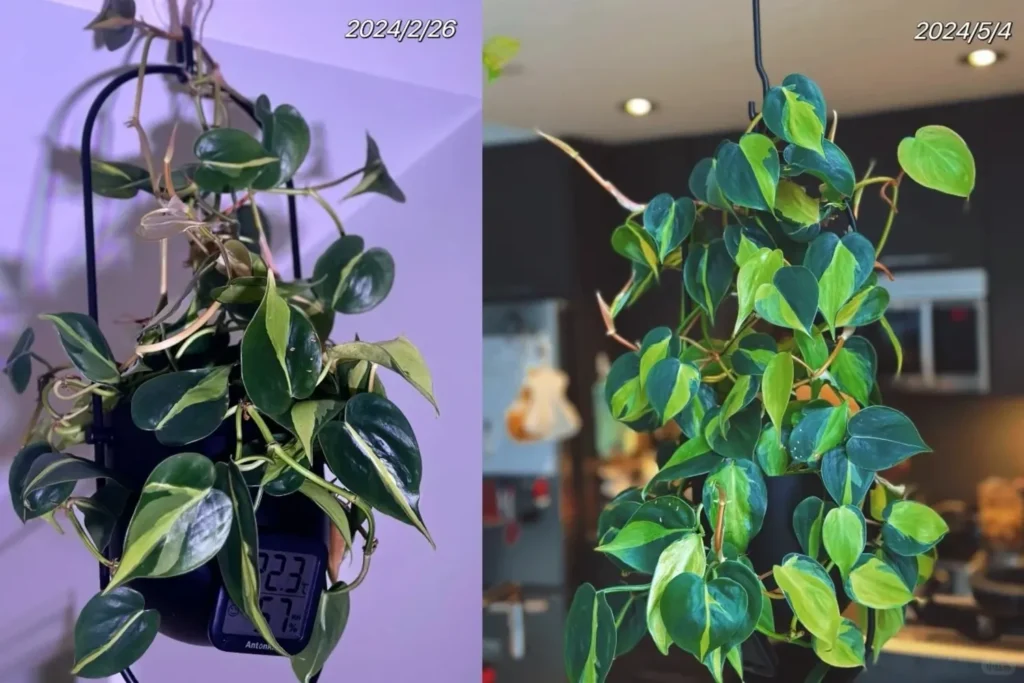
Another reason is that it gives you variegation without the usual drama that often comes with variegated plants. The green and lime-yellow pattern is bright enough to make the plant feel lively, but it never looks too loud or too precious. It has that fresh, clean contrast that works well in everyday indoor spaces, and because the plant is usually affordable, it does not come with the pressure that more expensive variegated plants often do. You get visual interest without feeling like you are constantly babysitting something rare.
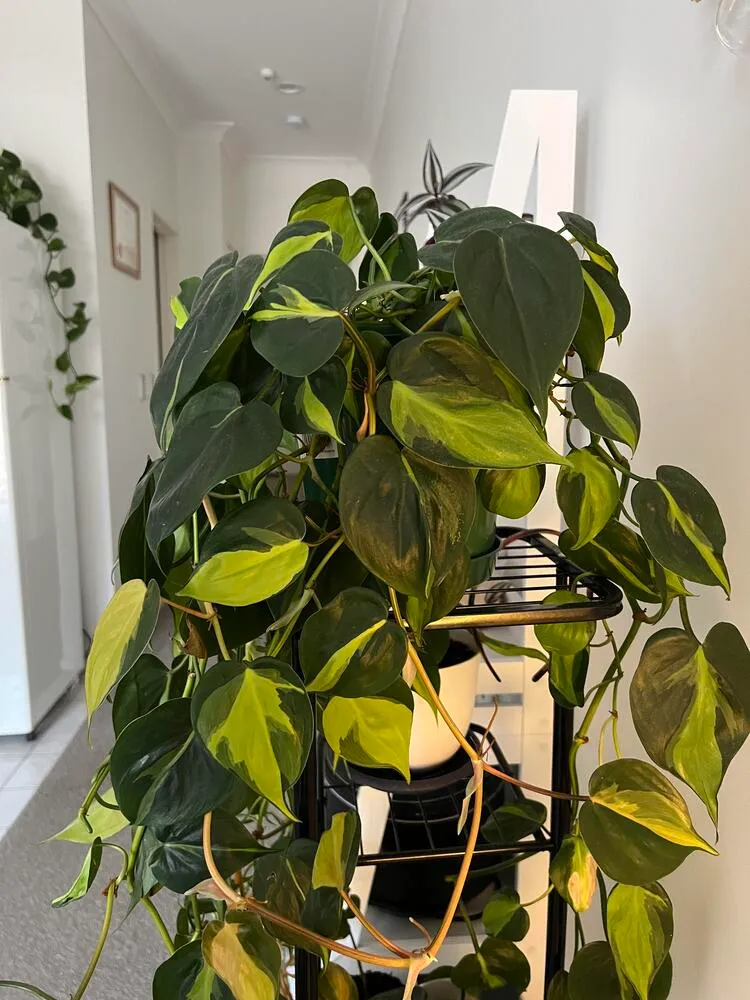
It also helps that Brasil has been one of the tougher small philodendrons in my own collection. Compared with some of the other small-leaf types I grow, it has simply been easier to live with. Micans is beautiful, but it can scorch more easily. Brandi looks great when happy, but it has been more prone to shrinking leaves or looking less stable for me. Lemon Lime is also easy and reliable, but Brasil feels a little richer visually because the variegation has more contrast and variation from leaf to leaf.
That combination is what makes Brasil so easy for me to recommend. It grows fast, stays affordable, handles normal indoor life well, and still has enough variation to stay visually interesting over time.
How I Grow Philodendron Brasil Indoors in Canada
In my indoor setup in Canada, light and seasonal rhythm matter more than anything else. Brasil is easy overall, but it definitely behaves differently in bright months versus the darker, drier part of winter. This is the care routine that has worked best for me.
- Light: I get the best color and growth when my Philodendron Brasil stays in bright indirect light. It can handle a little gentle sun, but I avoid harsh summer sun through hot glass, especially during the brightest part of the day.
- Watering: I water when the top 2–3 cm of soil feels dry. I do not try to keep the soil constantly moist, and I have found that Brasil does much better when the roots get some air between waterings.
- Soil: I prefer a loose, fast-draining potting mix rather than anything dense or heavy. A chunky indoor mix helps reduce the risk of stale, wet soil around the roots.
- Winter care: During winter in Canada, the plant naturally slows down because the light is weaker and indoor heating dries the air out. At that time, I water less often and stop trying to push active growth.
- Humidity: Brasil does not need especially high humidity to survive, but when the indoor air gets very dry in winter, the leaves can start looking less fresh. During that season, I focus more on keeping the watering rhythm steady and avoiding extra stress.
- Feeding: In spring and summer, I fertilize lightly during active growth. In winter, I either reduce feeding a lot or skip it altogether.
For me, Brasil grows best when I treat it as an easy indoor plant that likes consistency, not constant attention.
Why It’s Still One of My Favorite Philodendrons
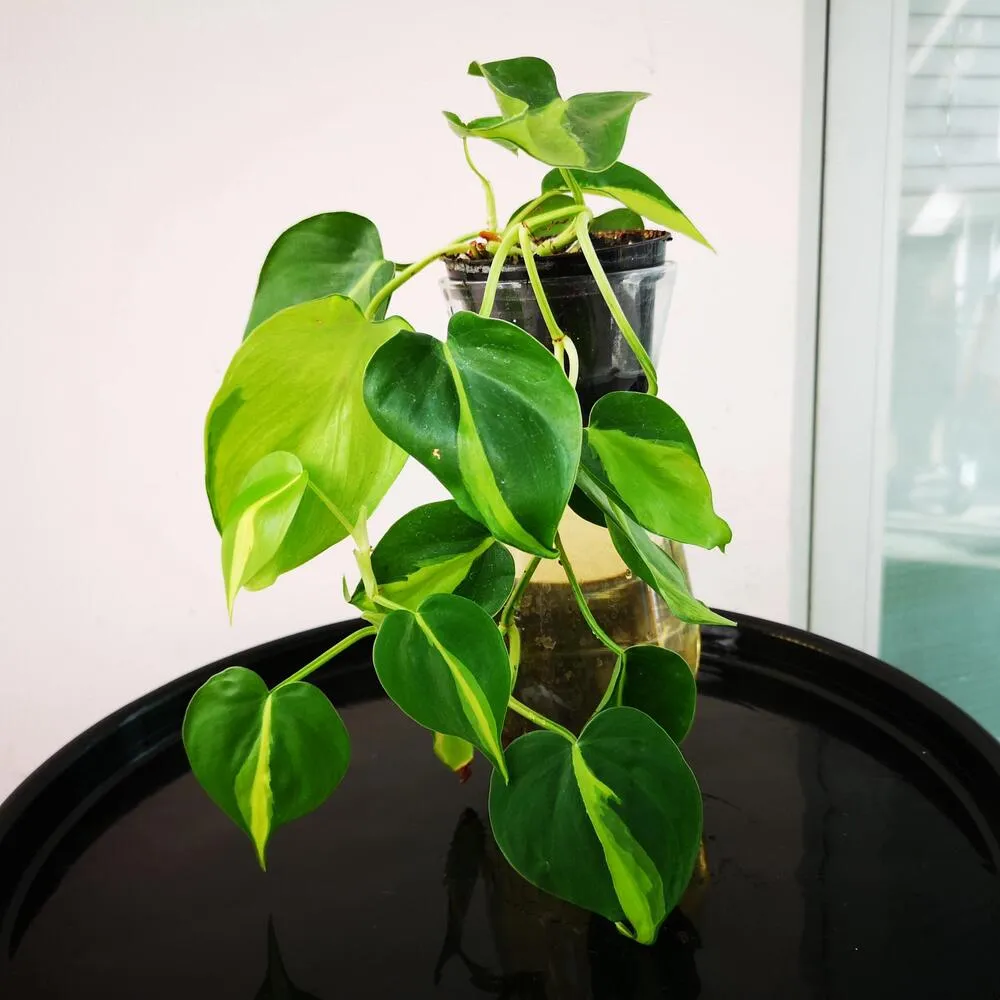
The more philodendrons I grow, the more I appreciate what Philodendron Brasil does so well. It is not the rarest, the most expensive, or the most attention-grabbing one in my collection. But it is one of the easiest to keep looking good in everyday life, and that matters more to me over time.
What I like most about Brasil is that it feels rewarding without feeling demanding. It grows fast, fills out easily, stays fresh-looking, and does not need constant correction to remain attractive. For me, it represents the kind of plant experience I enjoy most—something beautiful, reliable, and easy to live with.
If I had to recommend just one easy trailing philodendron to most indoor growers, Philodendron Brasil would still be very close to the top of my list.
FAQ
Still exploring philodendron varieties?
If you’re comparing leaf shapes, colors, or growth habits, my main philodendron varieties page is the best place to keep exploring and find similar types side by side.
Go to Varieties Hub →