
Philodendron Problems: Common Signs and What They Usually Mean
Philodendron problems usually do not begin with dramatic collapse. More often, the plant starts looking slightly off first — a leaf yellows, the edges curl, the whole plant droops, or growth slows down for longer than expected.
What makes philodendrons tricky is that the same plant can stay alive while still telling you something in the setup is not working. In my experience, most issues come back to watering rhythm, root condition, light, or the way the potting mix behaves indoors.
This page brings together the most common philodendron problem patterns I’ve seen in my own plants. If your plant feels off but you are not sure why, start with the symptom that looks closest to what you are seeing now.
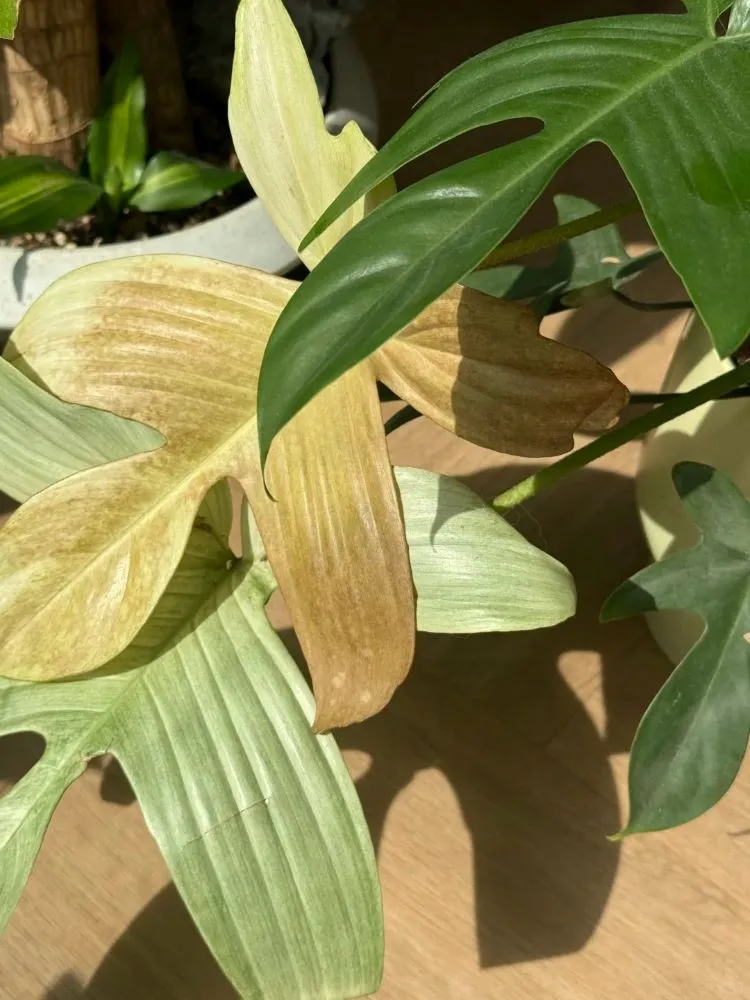
Leaf Signals
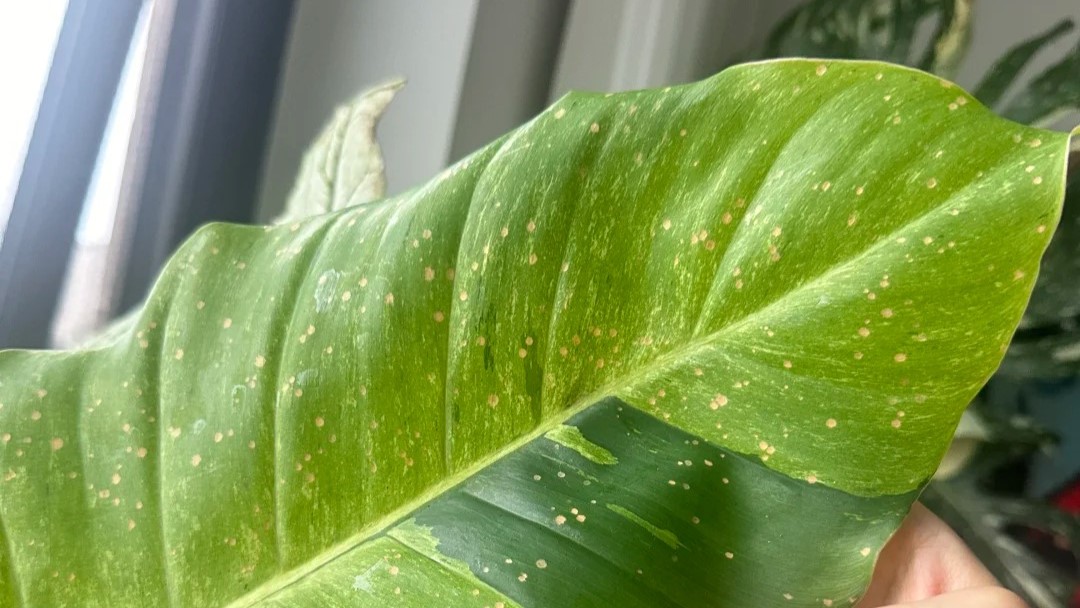
Leaf changes are usually the first clue that a philodendron is drifting off balance. Yellowing, curling, and drooping often look like separate problems, but in practice they are usually different ways the plant shows stress.
What I’ve learned is that the leaf is rarely the real starting point. Most of the time, the visible symptom traces back to watering rhythm, root condition, light, or the way the mix is behaving indoors. These guides focus on what those leaf signals actually meant in my own plants, not just what they looked like at first glance.
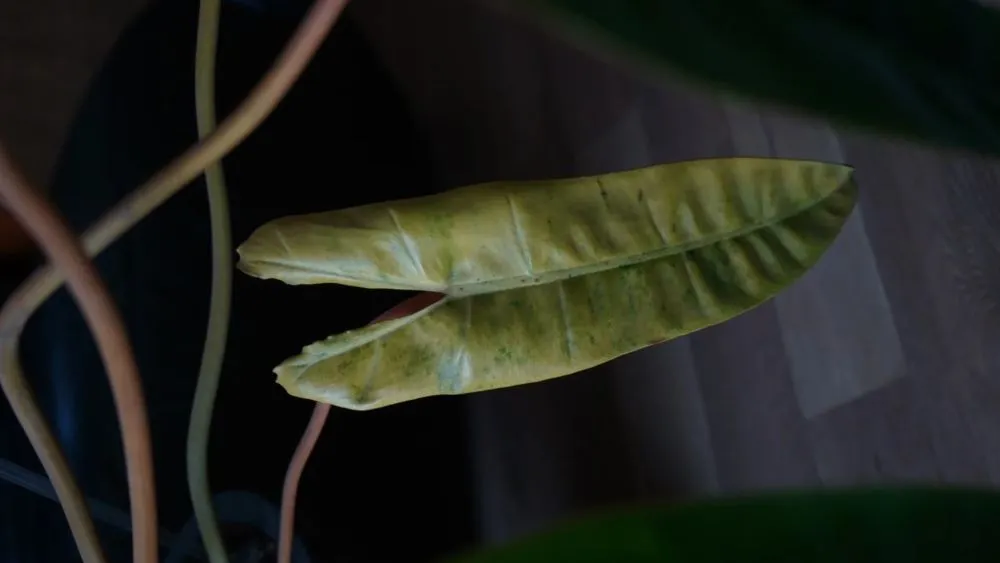
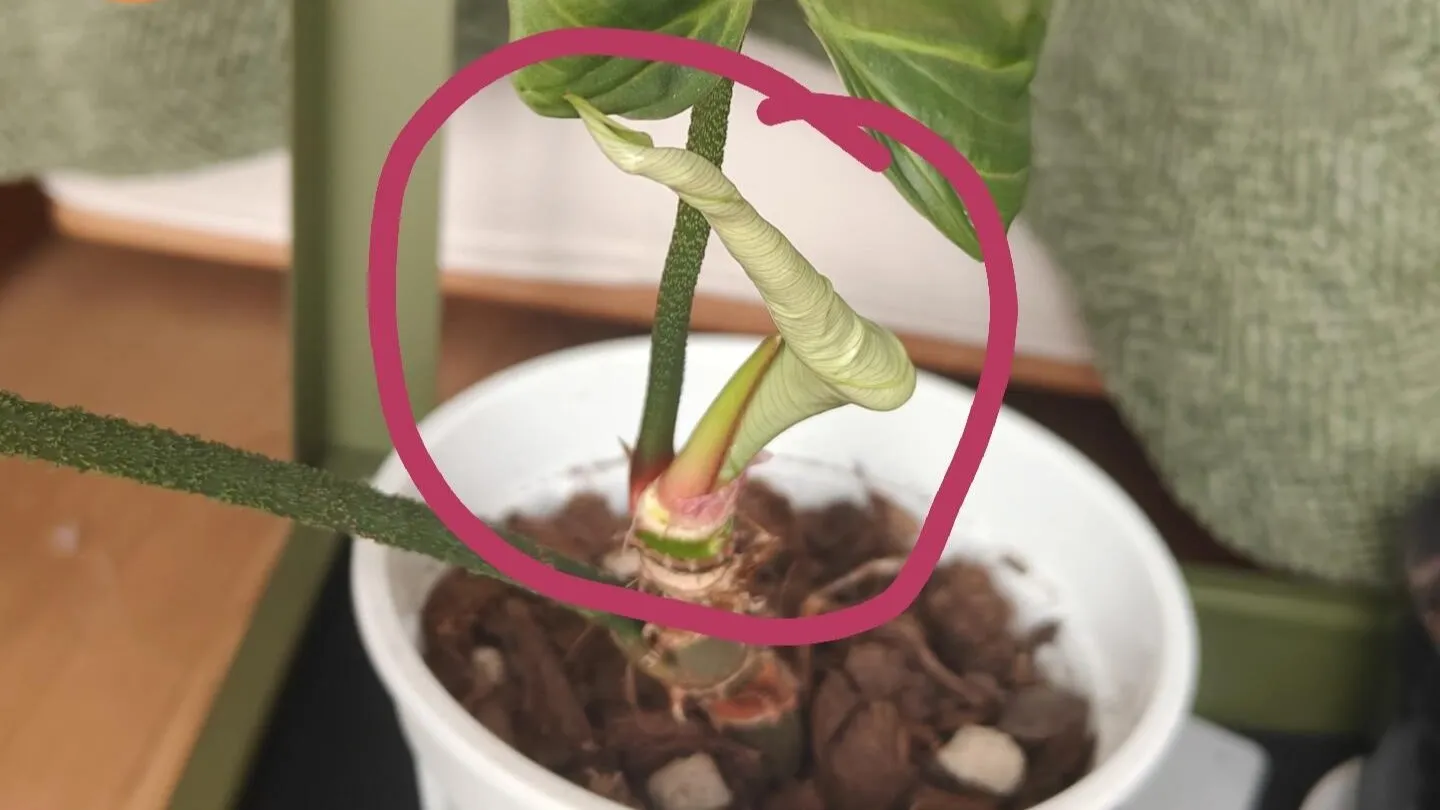
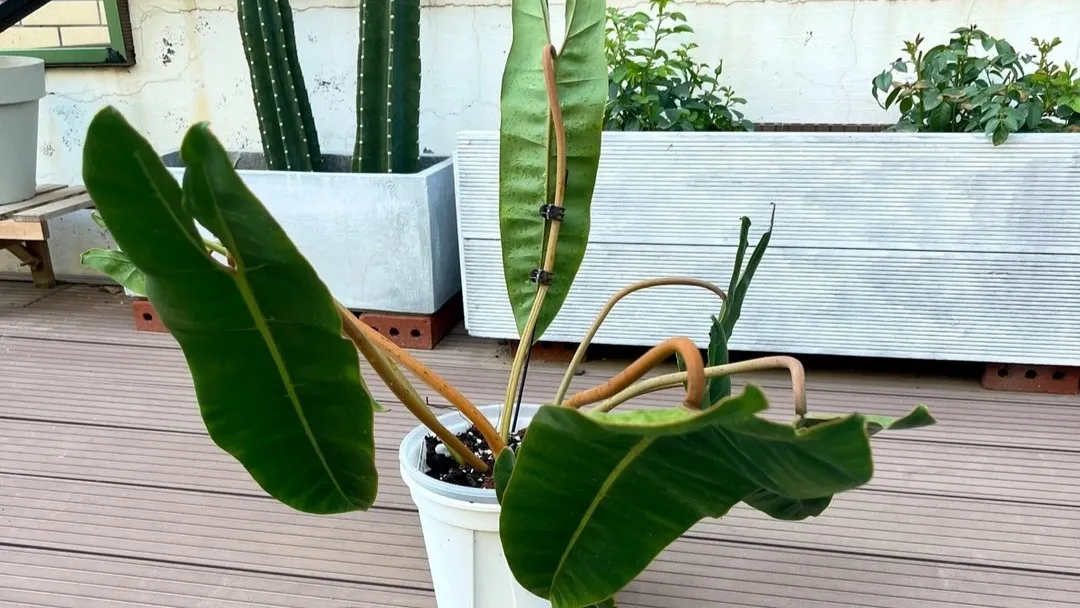
Light, Water & Environment Stress
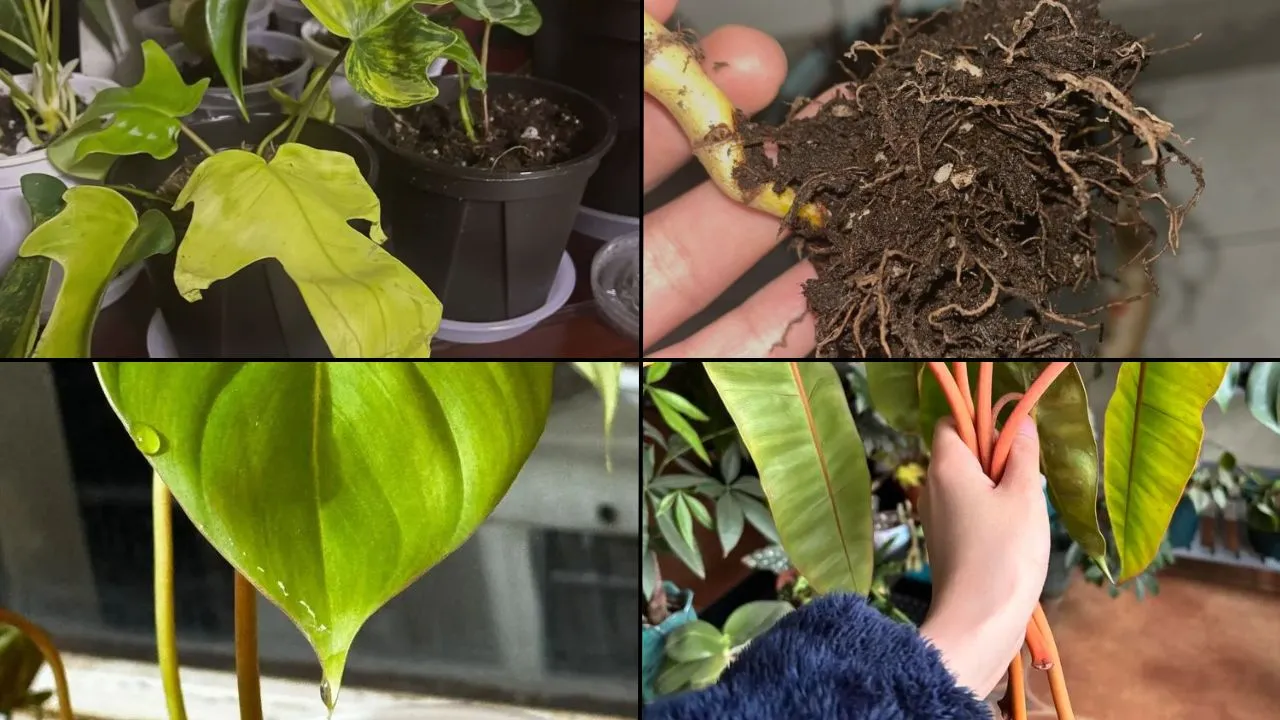
Sometimes the plant is not sick — it is reacting to the conditions around it. This section covers the stress patterns I see most often from water, light, and environmental changes.
Growth & Momentum
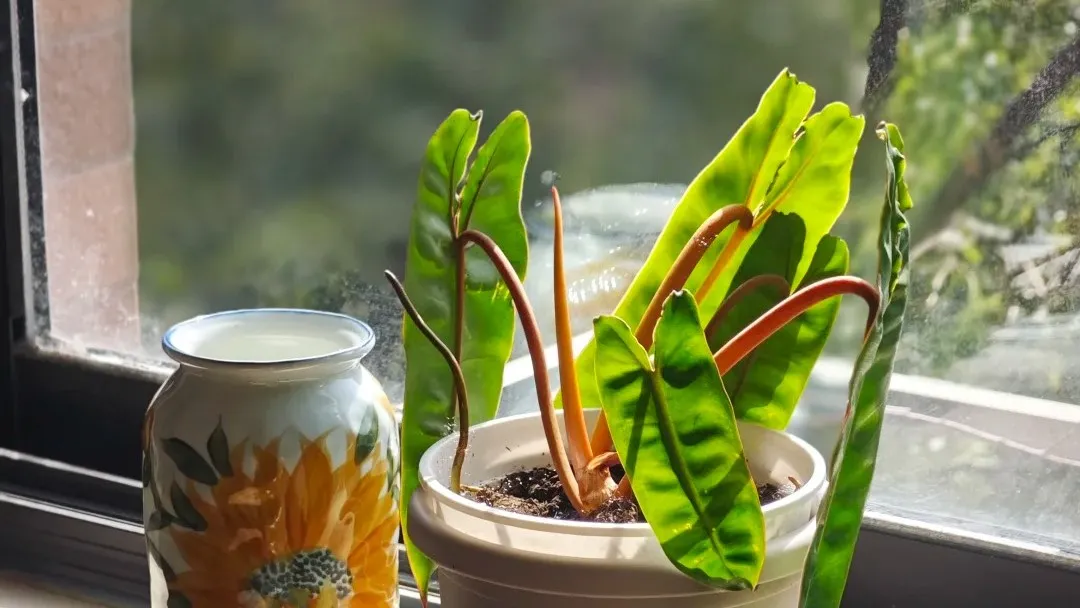
When a philodendron is not growing well, the problem is not always complete inactivity. Sometimes a new bud stalls for weeks. Other times the plant is technically growing, but so slowly that it never seems to build any real momentum.
This section is about reading slow growth properly. Instead of assuming every stalled plant has the same problem, I look at whether the slowdown is coming from weak roots, oversized pots, slower drying cycles, or conditions that are just good enough for survival but not for steady progress.
Pet Safety
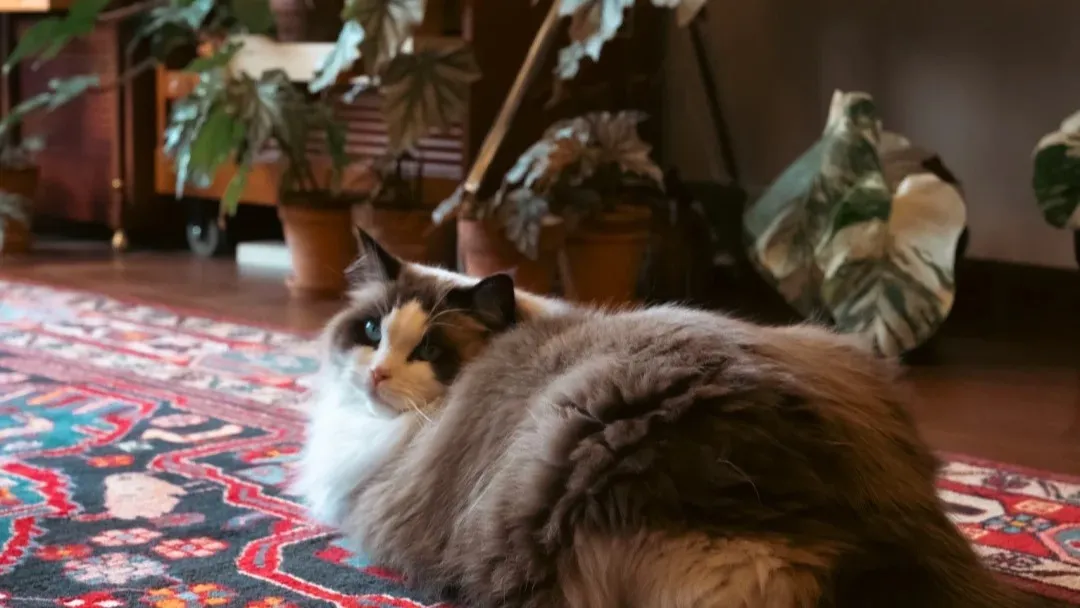
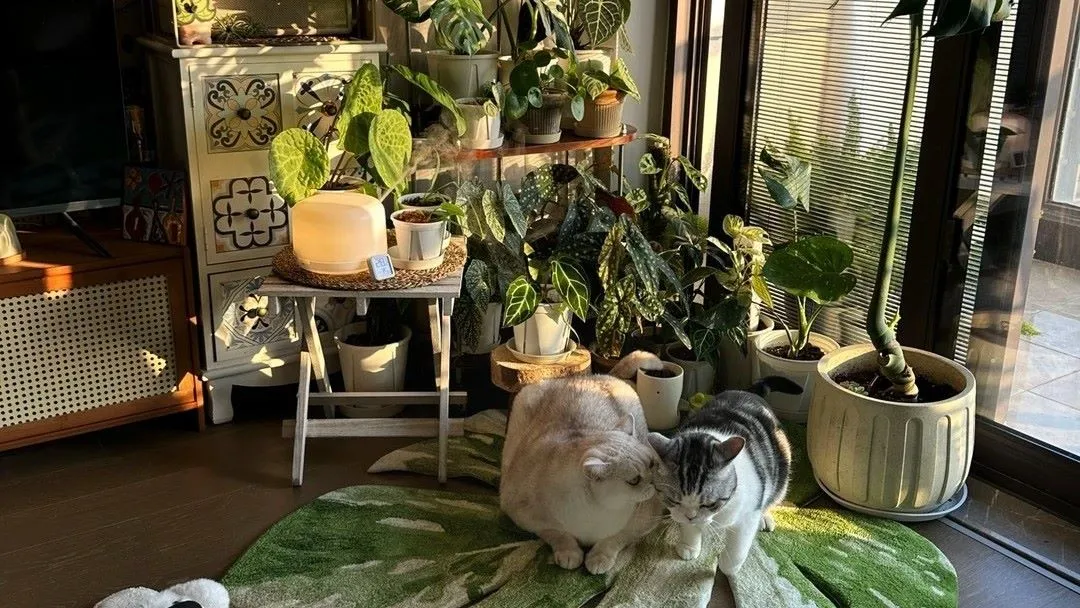
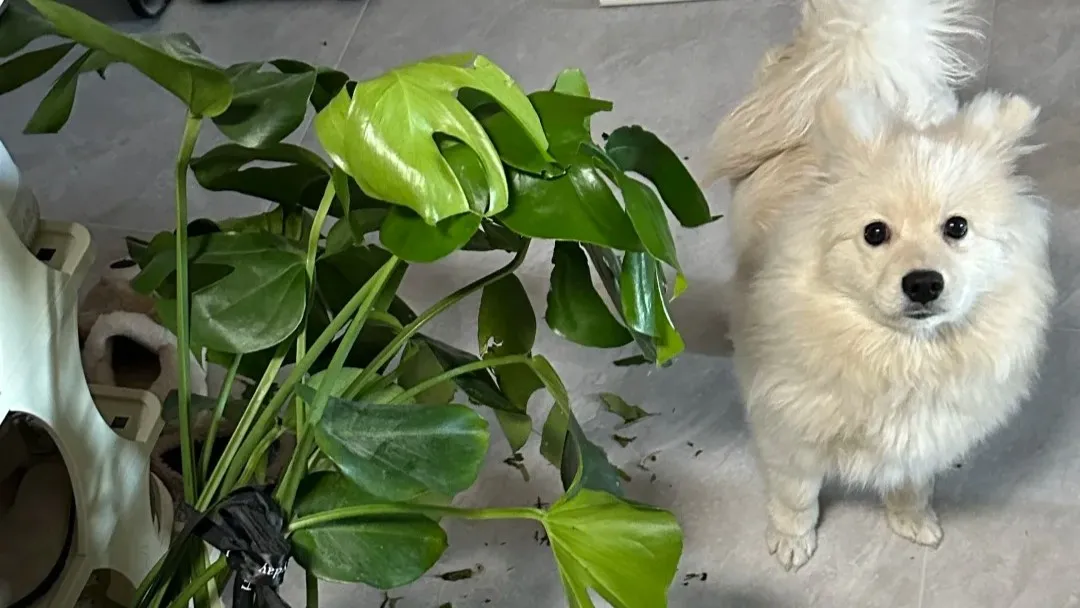
Not every philodendron question is about growth or leaf damage. For many people, the bigger concern is whether the plant is safe to keep around cats and dogs.
Although pet safety is not a leaf or growth problem, it is one of the most common concerns people have when keeping philodendrons indoors. Since philodendrons are not considered pet-safe, I keep these guides here for readers who are trying to decide where to place a plant or whether to bring one home at all.
FAQ
Short answers to the philodendron problem questions that come up most often — especially when a plant looks off, but the cause is still easy to misread.