Philodendron root rot does not always begin with a dramatic collapse. In many cases, it starts more quietly — a pot that stays wet too long, a plant that seems stalled, or leaves that look tired without a clear reason. That is part of what makes it easy to miss at first. The hardest part is often not the recovery itself, but recognizing early on that the plant is no longer behaving like a healthy, actively growing philodendron. In my experience, many plants get worse because they are still being watered, fed, and handled as if the roots are functioning normally. In this article, I want to focus on the early signs I take seriously, one real recovery case from my own growing experience, and what I stop doing first when I suspect root rot.
Why Philodendron Root Rot Is Easy to Misread Early
One reason philodendron root rot gets missed so often is that the early stage does not always look dramatic. Many people expect obvious signs like black stems, a foul smell, or a plant that suddenly collapses. Sometimes those signs do appear, but often not at the beginning. Early root rot can look much quieter than that. The plant may simply seem off, weaker than before, or slower than it should be.
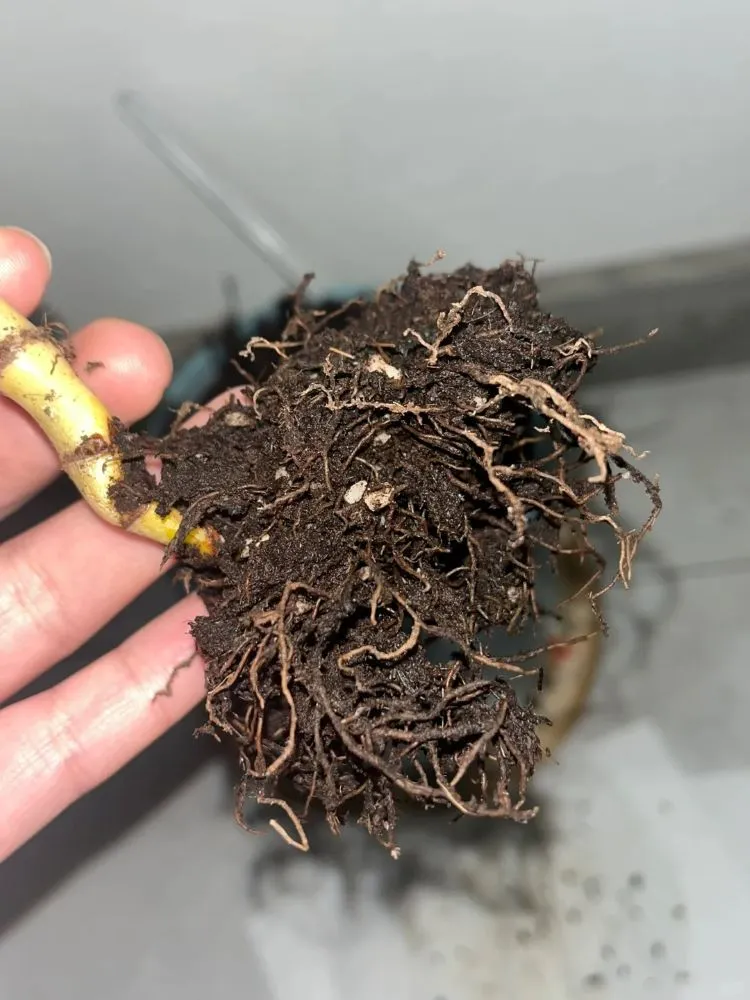
Another reason it gets misread is that several early symptoms overlap with more ordinary problems. Leaves may look limp in a way that resembles thirst. Older leaves may yellow in a way that looks like normal stress or adjustment. Growth may slow down in a way that seems easy to blame on winter, lower light, or a recent move. None of those signs automatically mean root rot, which is exactly why the problem can keep going unnoticed for too long.
Because of that, I do not judge root rot from one symptom alone. What gets my attention is a pattern: the pot stays wet much longer than usual, growth stalls, and the plant keeps weakening instead of stabilizing.
The Early Signs I Take Seriously
When I suspect root rot, I do not look for one dramatic symptom. I pay much more attention to a small group of changes that tend to show up again and again when the roots are starting to fail. On their own, each sign can be misleading. But together, they often tell a much clearer story.
The pot stays wet much longer than it used to
I do not mean the surface still feels slightly damp a day after watering. I mean the whole pot seems to stay wet far longer than it normally would under the same conditions. If a philodendron that used to dry at a reasonable pace suddenly starts holding moisture for much longer, I stop assuming that is harmless, especially if the plant has still been watered on its usual schedule. In many cases, it means the roots are no longer taking up water normally.
For me, a change in drying speed often matters more than how the leaves look on a single day.
Leaves look limp even though the mix is still moist
A plant with damaged roots can look thirsty because it is no longer absorbing water properly, which is one reason drooping leaves can be so misleading. The leaves lose firmness, the plant looks tired, and the natural instinct is to water again. But if the mix is already moist, that usually is not the real problem. At that point, more water often pushes the root zone further in the wrong direction.
Whenever I see limp leaves in a pot that still feels clearly wet, I start thinking much more seriously about root function.
Older leaves start yellowing one after another
A single yellow leaf does not mean much by itself. Older leaves age out naturally, and stressed plants often shed one or two leaves while adjusting.
What gets my attention is when yellowing becomes a pattern rather than an isolated event. If one older leaf fades, then another, and the plant is also staying wet too long or slowing down, I stop treating it like normal aging or just ordinary yellowing. That kind of steady decline often suggests the plant is no longer supporting its existing growth properly.
The top bud or new growth stalls
Sometimes the clearest early warning sign is not collapse, but silence.
A philodendron that should be pushing growth simply stops. The top bud stays stuck. A new leaf that looked like it was starting never really develops. The plant does not always look terrible right away, but it no longer behaves like one in active growth.
This matters because weak roots often show up first as stalled momentum. The plant may still be alive, but it is no longer moving the way a healthy root system should support.
The plant feels weak or less anchored in the pot
A healthy root system usually gives the plant a sense of grip in the pot. When roots decline, that support can weaken too. The plant may feel a little looser, less stable, or easier to shift than before. I would not use this sign alone to diagnose root rot, but when it appears alongside wet soil, stalled growth, and yellowing, it adds to the overall picture.
What I have learned is that early root rot rarely announces itself with just one obvious signal. More often, it shows up as a combination of changes: the pot stays wet too long, the leaves lose firmness, growth stops moving, and the plant gradually weakens instead of recovering. That pattern is what I take seriously.
When I Actually Check the Roots
I do not unpot a philodendron for every small problem. But when the pot stays wet unusually long, the plant keeps weakening, and new growth has clearly stalled, I would rather check the roots than keep guessing — especially if the plant has also started showing signs of being overwatered. At that point, I am not trying to decide whether the plant looks perfect. I am trying to find out whether the root system is still functioning well enough to support recovery.
What Rotten Roots Usually Look Like
When I check the roots, I am not looking for perfection. I am looking for whether they still seem functional.
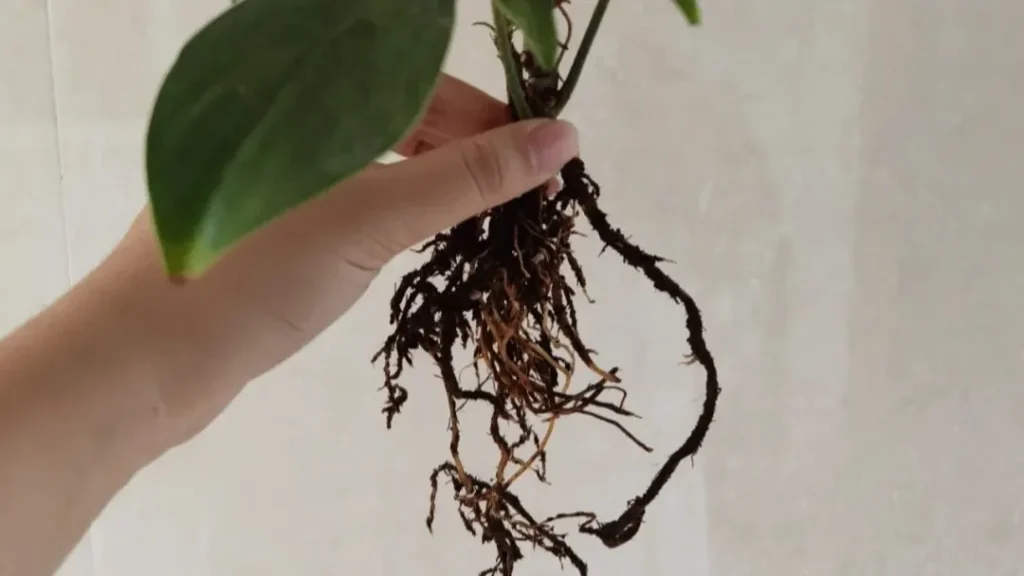
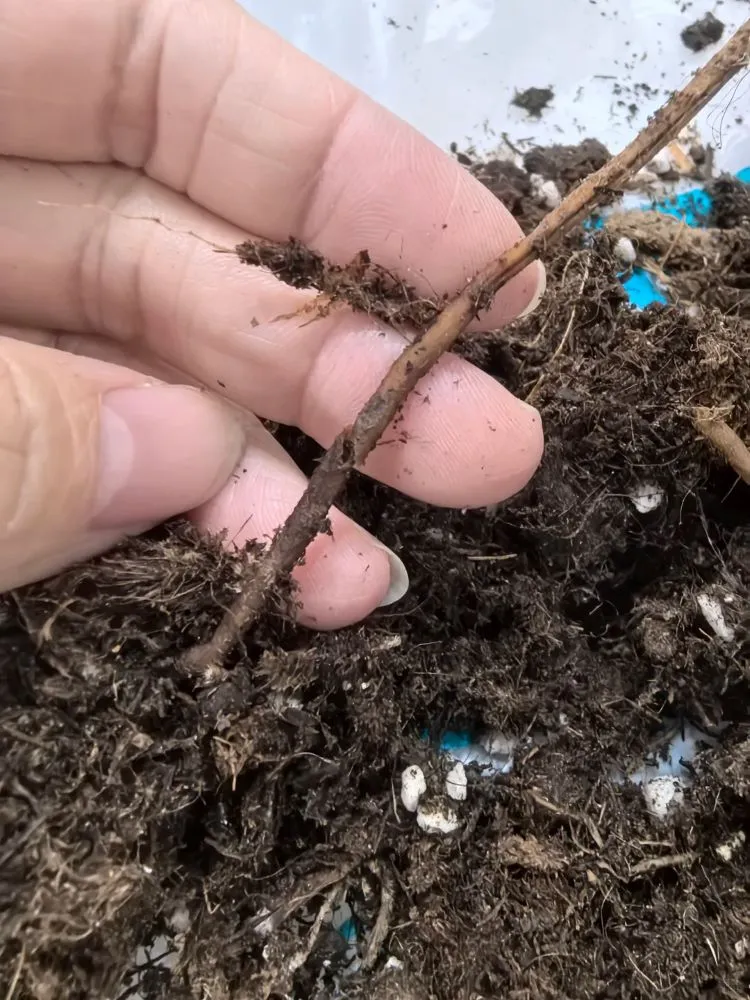
Healthy philodendron roots are usually firm, pale, and intact. They may be white, cream, or light tan depending on age and potting mix, but they should still feel solid and structured when touched gently.
Rotten roots look very different. They are often brown or black, and they tend to feel soft, mushy, or stringy instead of firm. Sometimes the outer layer slips off easily. Sometimes the root zone also has a sour or stale smell. When roots look and feel like that, I stop thinking of the problem as surface stress and start treating it as actual root failure.
My Billietiae Variegata Recovery: What Happened Step by Step
This is the case that changed the way I think about philodendron root rot the most.
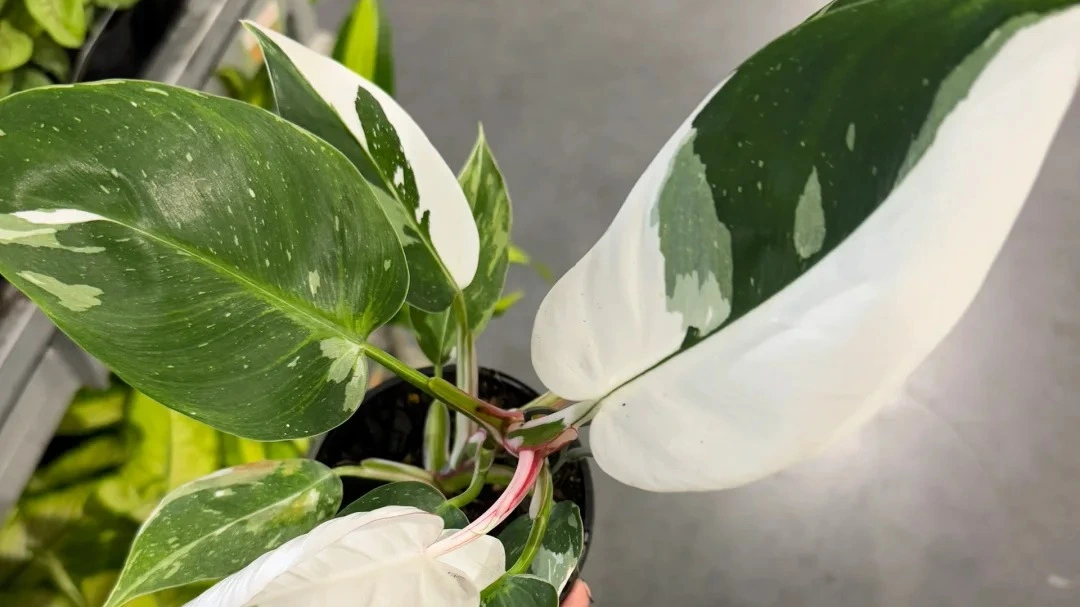
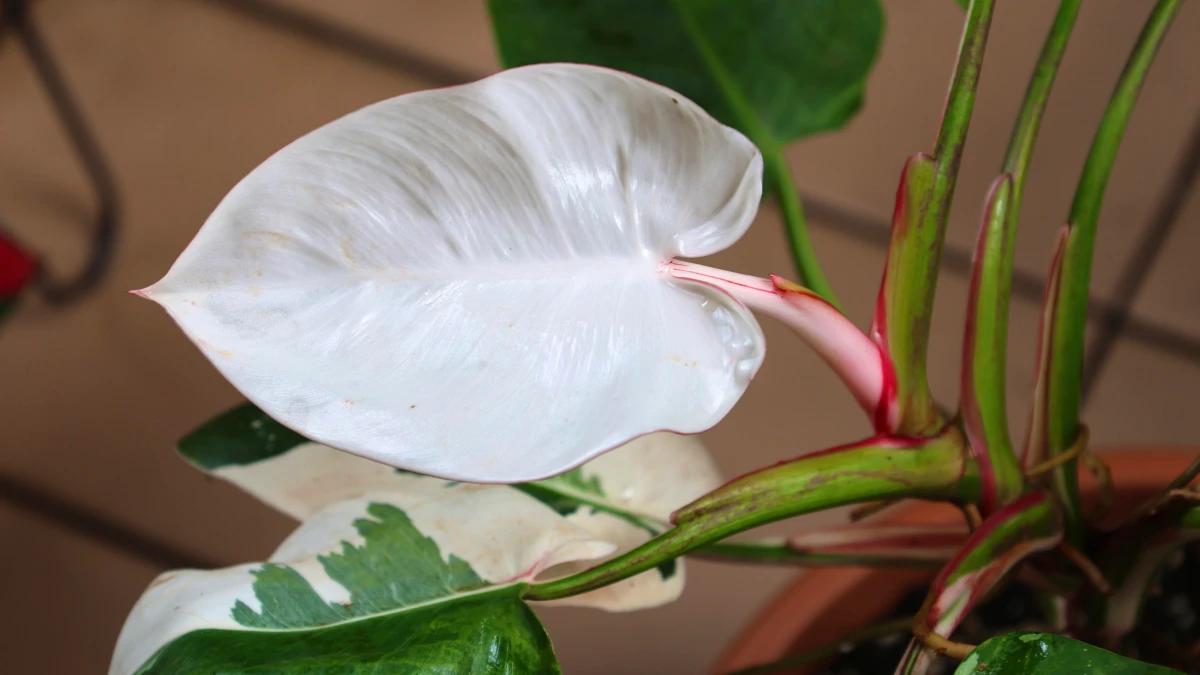
It involved a Philodendron Billietiae variegata side shoot I got from a friend. The first thing that went wrong was not collapse, but a top bud that stopped moving.
The first warning sign was a stuck top bud
What made this case tricky was that the plant did not fail in a loud way. The top bud simply stopped moving. That kind of stalled growth can be easy to dismiss at first, especially when a plant has just arrived and is still adjusting to a new setup.
But after a while, it became clear that this was not just a temporary pause. The plant was not pushing forward the way a healthy, functioning philodendron should. When I checked the roots, I found that the plant had root rot.
That experience made me take stuck growth much more seriously than I used to. A stalled top bud is not always a root problem, but it can be one of the earliest signs that something below the surface is no longer working properly.
I trimmed the rotten roots and moved it into water
Once I confirmed the problem, I trimmed away the rotten roots and soaked the plant in a fungicidal solution for about 30 minutes. After that, I made a deliberate choice not to rush it straight back into soil. Instead, I moved it into water.
Instead, I moved it into water.
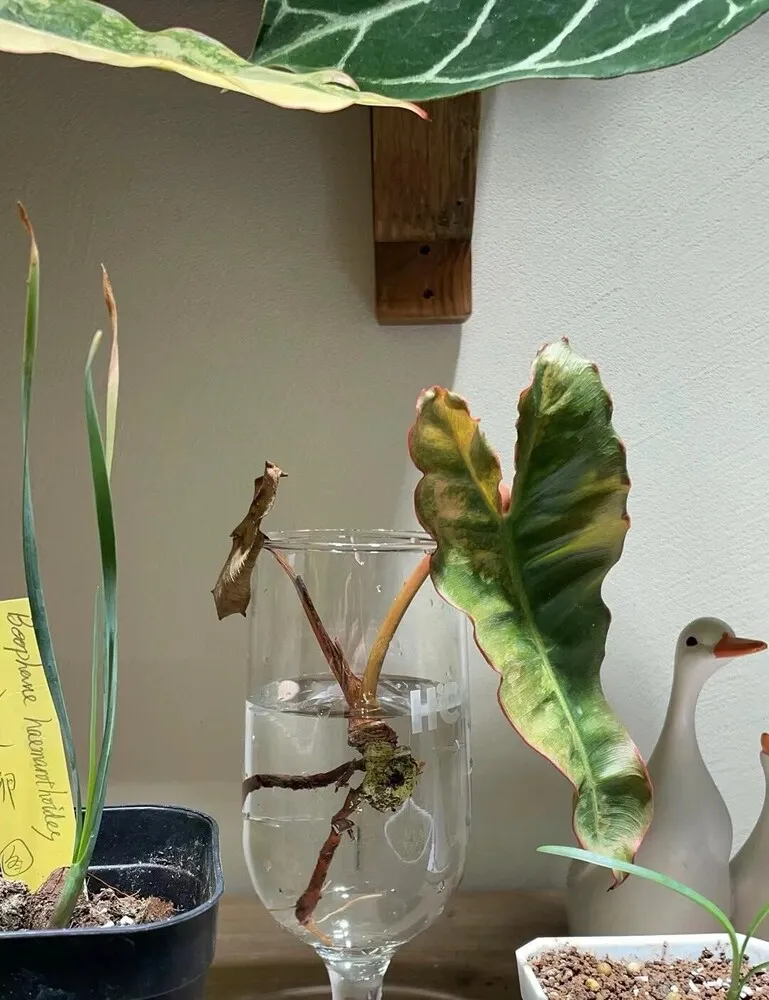
At that stage, I was not trying to force fast growth. I was trying to stop the decline and give the plant a chance to rebuild from a cleaner starting point. I did not want to keep treating it like a normal potted philodendron when the root system had already failed. For this plant, water felt like a more controlled recovery stage than putting it straight back into mix and guessing what was happening below the surface.
The first real recovery sign was new movement
About 25 days later, I could finally see the top bud getting bigger. That was important because it meant the plant was doing more than just staying alive. It was beginning to move again.
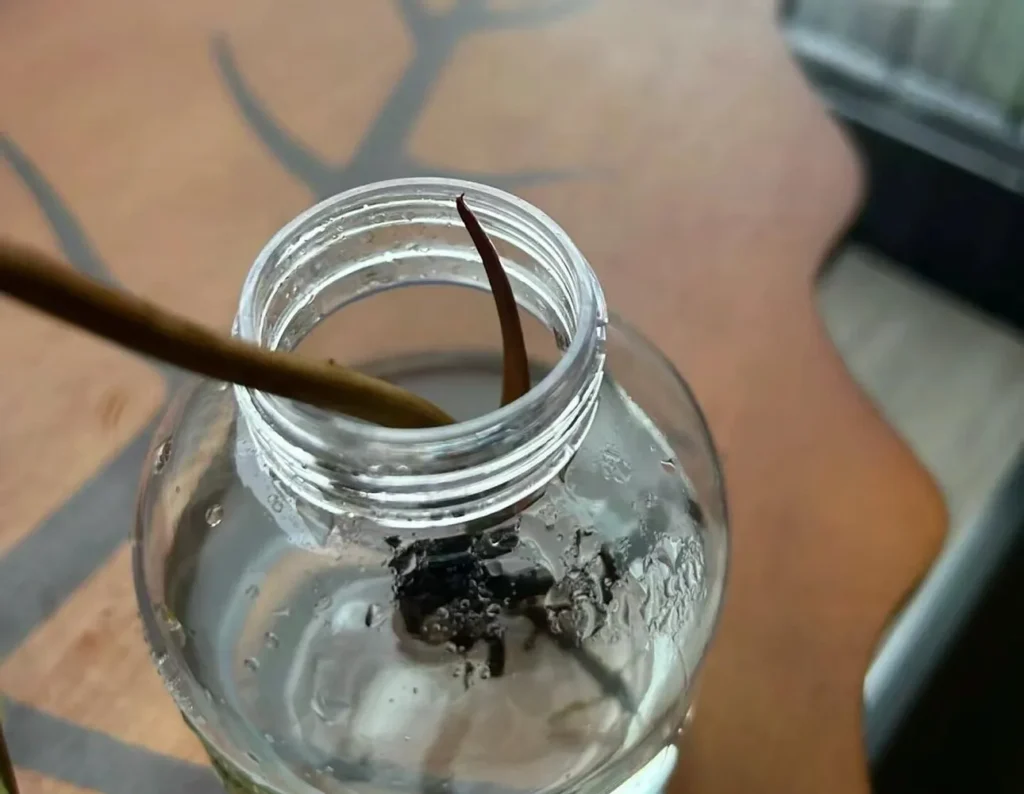
Only after I saw that did I start adding a diluted liquid fertilizer to the water.
Then, about 15 days later, the top growth was close to opening, and I also saw a fresh white root developing in the water. That was the point when I started trusting the recovery more. For me, a new white root means much more than a plant simply looking less tired for a few days. It shows that actual function is coming back.
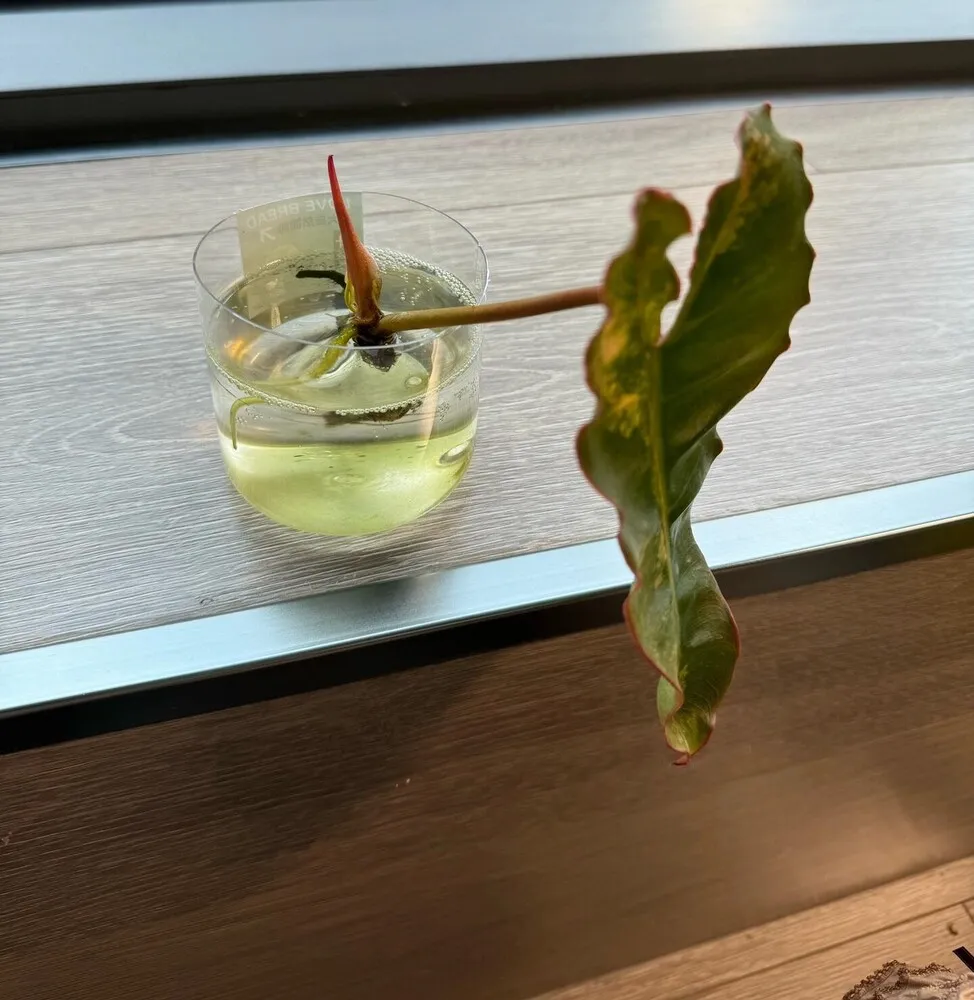
I only trusted recovery once it restarted in soil
Once I had both bud movement and a new white root, I started transitioning the plant from water back into soil.
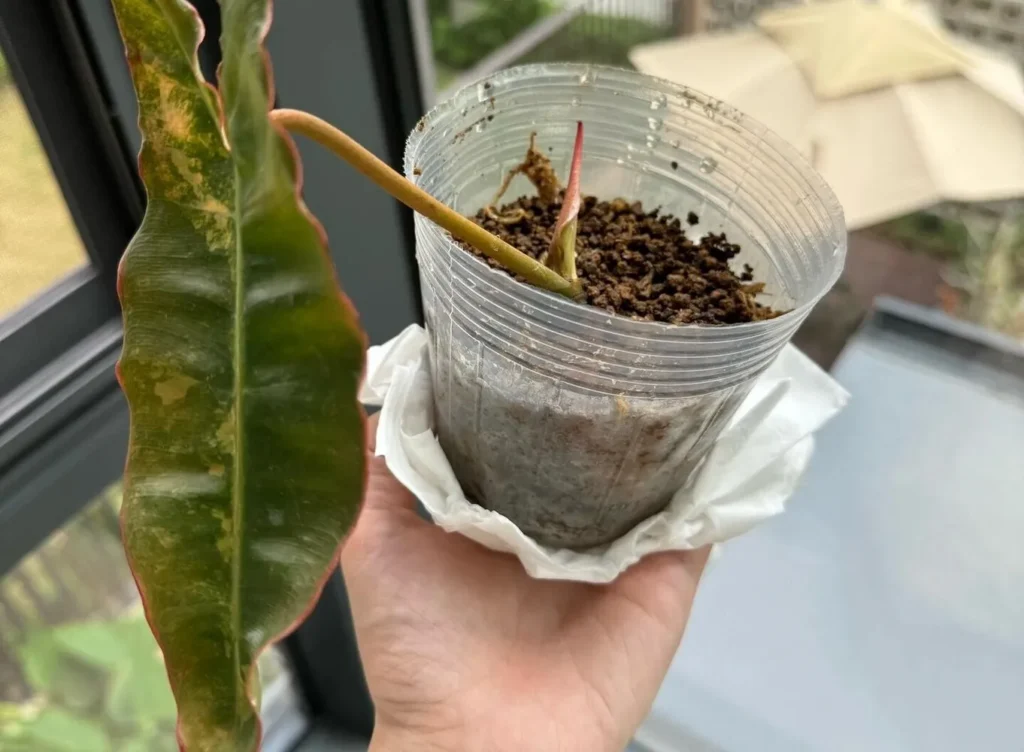
Even then, I did not treat it like a fully recovered plant yet. I kept watching for signs that it could actually re-establish itself in potting mix, because recovery in water and recovery in soil are not always the same thing.
About 18 days later, the original white root had grown larger, and another fine root had started extending into the soil. That was a very important stage for me, because it showed the plant was not just surviving the transfer. It was actively rooting into the mix.
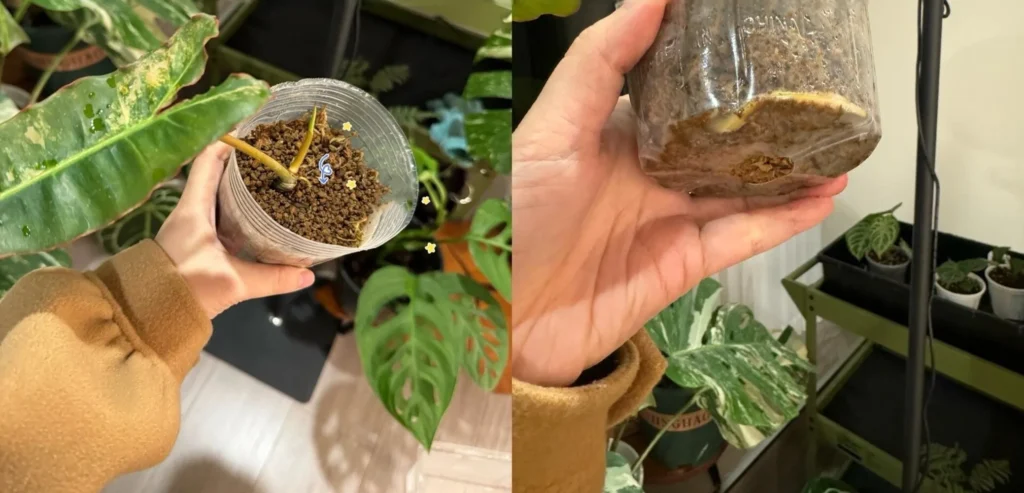
Then, about 27 days later, the whole plant began growing more steadily. After that, it gave me one fully green leaf and two variegated leaves.
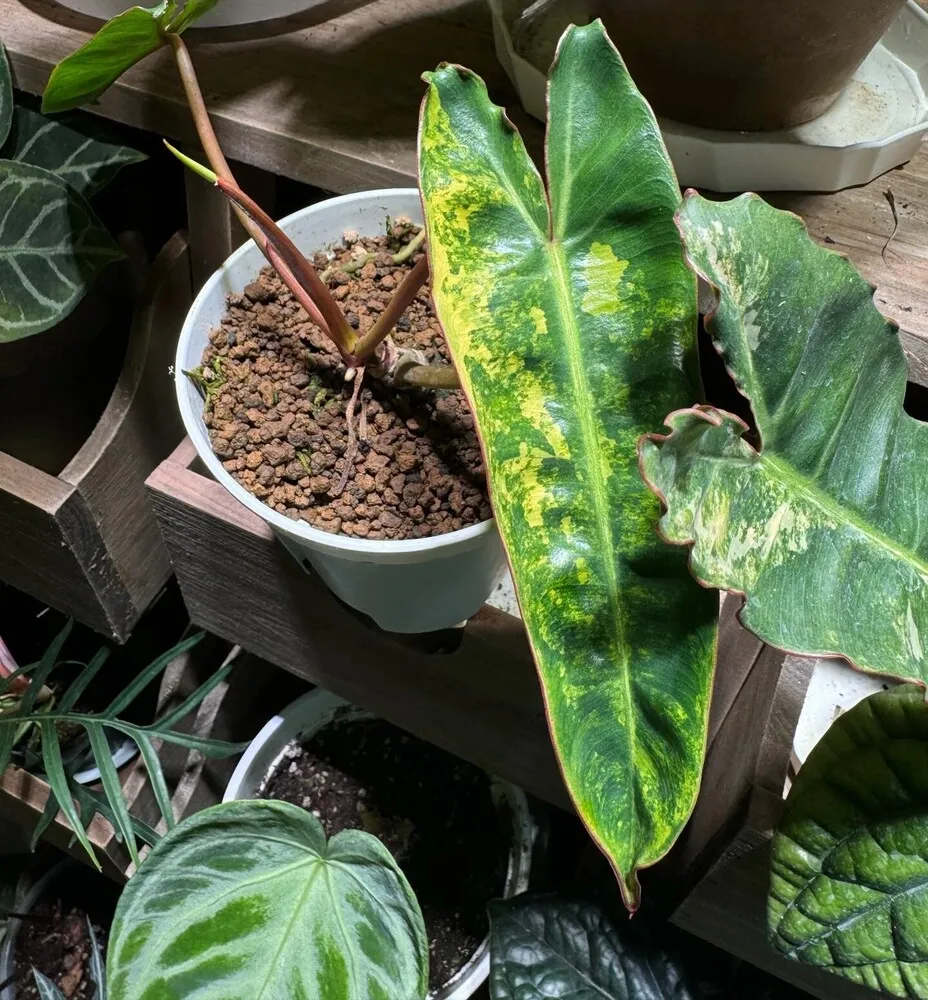
That was when I considered it truly recovered.
Not when it simply stopped declining. Not when the bud looked a little better. Not when I wanted to believe it was fine. I considered it recovered when it had rebuilt roots, re-established itself in soil, and returned to stable growth.
This case taught me that root rot recovery happens in stages, and that patience matters much more than rushing from one step to the next.
The Conditions That Usually Lead to Root Rot
That case also made me think more clearly about what tends to push philodendrons toward root rot in the first place. In my experience, it is usually not one dramatic mistake, but a root zone that stays too wet for too long under the wrong conditions.
Watering too early
This is the most common cause in real home conditions.
Many people think root rot comes from “too much water,” but I think the more useful way to describe it is this: the plant gets watered again before the root zone has had enough time to breathe, which is why how you water philodendron matters more than people think. If that happens repeatedly, oxygen drops, the mix stays heavy, and the roots start declining instead of recovering between waterings.
A mix that stays heavy too long indoors
A potting mix can sound good in theory and still stay too wet in practice.
Indoors, especially in cooler seasons or weaker light, some mixes simply hold moisture longer than the plant can handle. If the mix remains dense, soggy, or slow to dry, the roots may stay in the wrong conditions for too long even when the grower is not watering excessively.
A pot that is too large for the root system
An oversized pot often stays wet longer than a smaller root system can manage.
This becomes especially risky after stress, repotting, or root loss. If the roots only occupy a small part of the pot, the unused mix around them can hold moisture for too long and make recovery much harder.
Low light with an active-growth watering rhythm
Low light does not directly rot roots, but it often slows down how quickly a philodendron uses water.
The problem starts when the plant is still being watered as if it were growing strongly in brighter conditions. If the light is weak but the watering rhythm stays the same, the pot can remain wet much longer than expected, and that is where root problems often begin.
What I Do Differently Now
Early philodendron root rot is often still recoverable, but only if I stop treating the plant like a healthy one. What matters most is recognizing when the roots are no longer functioning normally — when the pot stays wet, growth stops, and the plant keeps weakening instead of stabilizing. My Billietiae variegata made that especially clear to me. It did not recover because I kept doing more. It recovered because I stopped treating stalled, weakened roots like they could handle normal care. In cases like that, I would rather check early than keep watering, feeding, and guessing.
FAQ
Still exploring philodendron care?
If you’re comparing care routines, common problems, or indoor growing conditions, my main philodendron care page is the best place to keep exploring. It brings together the most useful guides in one place.
Go to Care Hub →