Philodendrons don’t need the most expensive or complicated soil mix to grow well. What they need is a balanced mix that stays airy around the roots without drying out so fast that the plant becomes difficult to manage.
In my experience, the biggest soil problem with philodendrons is usually not that the mix is too simple. It’s that the mix leans too far in one direction. Some blends stay dense and wet for too long, while others are so chunky that they dry out faster than most indoor growers expect.
That’s why I don’t think of “the best soil” as a recipe with the longest ingredient list. I think of it as a mix that holds enough moisture to support steady growth, while still giving the roots enough air to stay healthy over time.
What Philodendron Soil Needs to Do
A good philodendron soil mix does not need to be extreme. It does not need to stay wet all the time, but it also should not dry out so fast that the plant becomes hard to manage. What I look for instead is a mix that does three things well.
First, it should hold some moisture. Philodendrons are not desert plants, and they usually do better when the roots have access to a bit of steady moisture between waterings. A mix that dries bone dry too quickly can make growth less stable, especially indoors.
Second, it should stay airy around the roots. Philodendrons usually grow better in a mix that has some coarse structure, because that keeps the root zone from feeling heavy and stale. Materials like bark, pumice, or perlite help create that open texture.
Third, it should avoid getting dense and soggy indoors. This is where a lot of problems start. In indoor conditions, especially under lower light or during slower growth periods, a mix that is too fine can stay wet longer than people expect. Once that happens, the soil becomes harder to read and the roots stay in a less comfortable environment.
That’s why regular potting soil alone often misses the balance I want for philodendrons. It may hold moisture well, but indoors it often stays denser than I would like over time.
The Simple Soil Mix I’d Recommend for Most Philodendrons
If I were recommending one philodendron soil mix to most indoor growers, I would keep it simple:
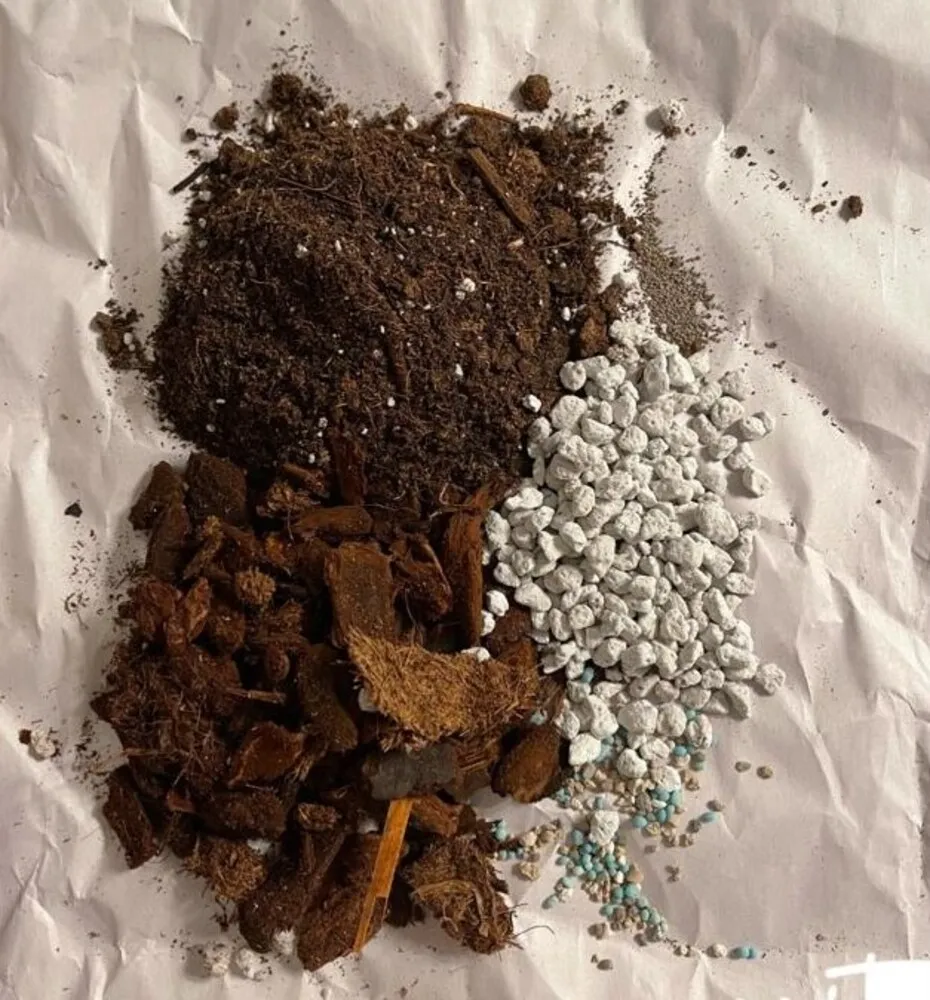
- 2 parts indoor potting mix
- 2 parts orchid bark mix
- 1 part pumice or perlite
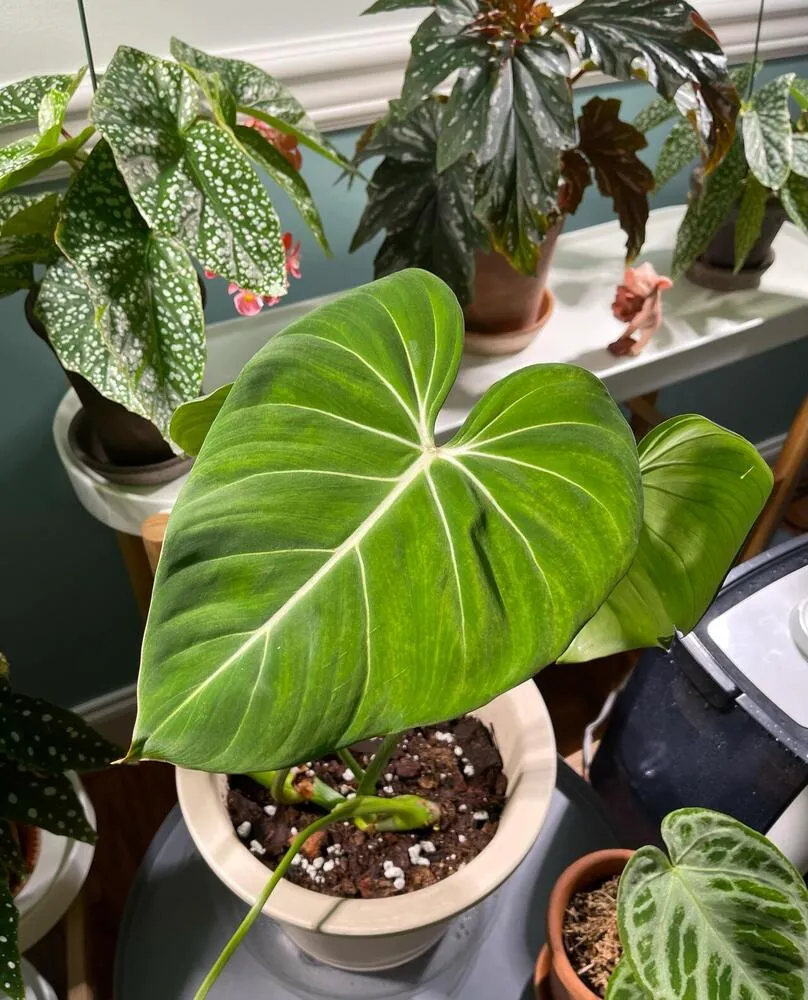
This is the kind of mix I like because it feels balanced rather than extreme. It holds enough moisture to support steady growth, but it also has enough coarse structure to keep the roots from sitting in a heavy, compacted mass for too long.
Why I use indoor potting mix
The potting mix is the moisture-holding base. It gives the roots access to water for longer than a very chunky mix would, and it usually adds some organic matter and nutrients as well. Without it, the blend can become too dry and too unforgiving for normal indoor conditions.
I would not use it on its own for philodendrons, but I still want it in the mix because it gives the blend more balance and makes watering easier to manage.
Why I add orchid bark mix
The orchid bark is what opens the whole mix up. It creates air pockets, improves drainage, and helps prevent that dense, soggy feel that straight potting soil often develops after repeated watering.
For philodendrons, that extra structure makes a big difference. The roots usually respond better when the mix feels looser and more breathable. Bark also helps the pot stay easier to read, because the soil is less likely to stay uniformly wet and compact all the way through.
Why I add pumice or perlite
Pumice or perlite helps lighten the mix even more. I use it to improve airflow and drainage without making the blend too complicated. It keeps the root zone from becoming too heavy, especially in indoor pots where evaporation is often slower than people expect.
I usually prefer pumice if I have it, because it feels a bit more stable in the mix, but perlite works perfectly well too. The point is not the exact amendment. The point is to add one more ingredient that helps the mix stay open over time.
Why this is the mix I’d start with
For most philodendrons, this kind of blend is a very good starting point. It is easier to source than a highly customized aroid mix, easier to understand, and easier to adjust later if needed.
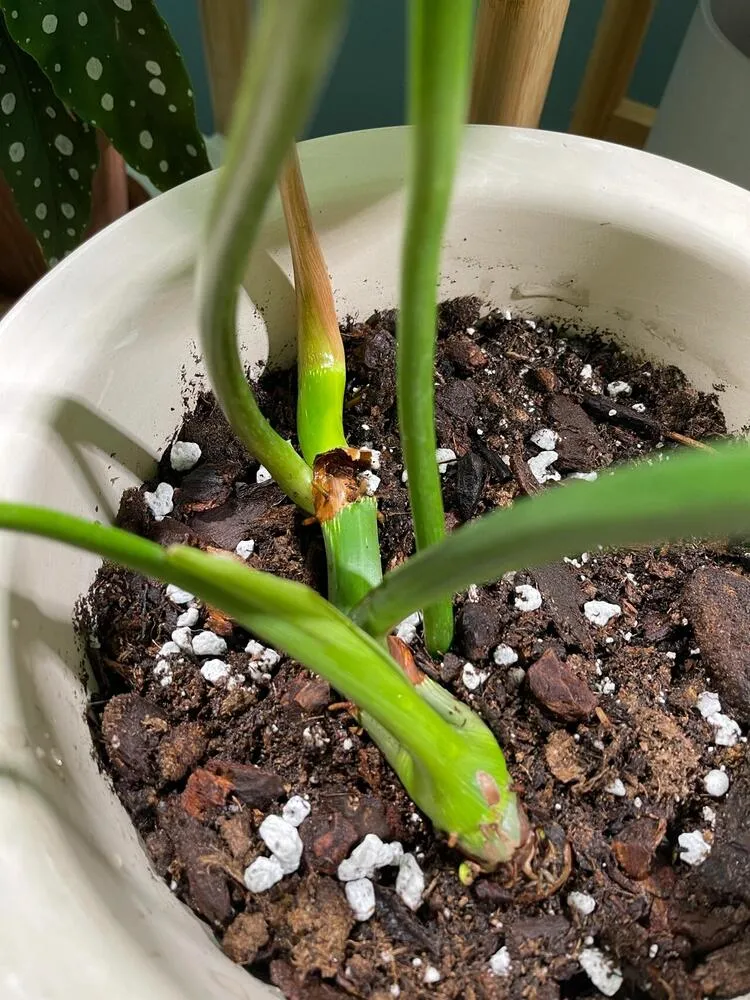
If the mix seems to stay wet too long in your home, you can increase the bark or pumice slightly next time. If it dries faster than you want, you can keep a bit more potting mix in the blend. But for most growers, this simple formula is much easier to work with than either plain potting soil or a very ingredient-heavy custom recipe.
A More Custom Mix for Growers Who Like Adjusting Ingredients
You can also build a more customized philodendron mix if you enjoy adjusting ingredients and tailoring the structure more precisely. Some growers prefer working this way because it gives them more control over how much air, moisture retention, and chunkiness the blend has.
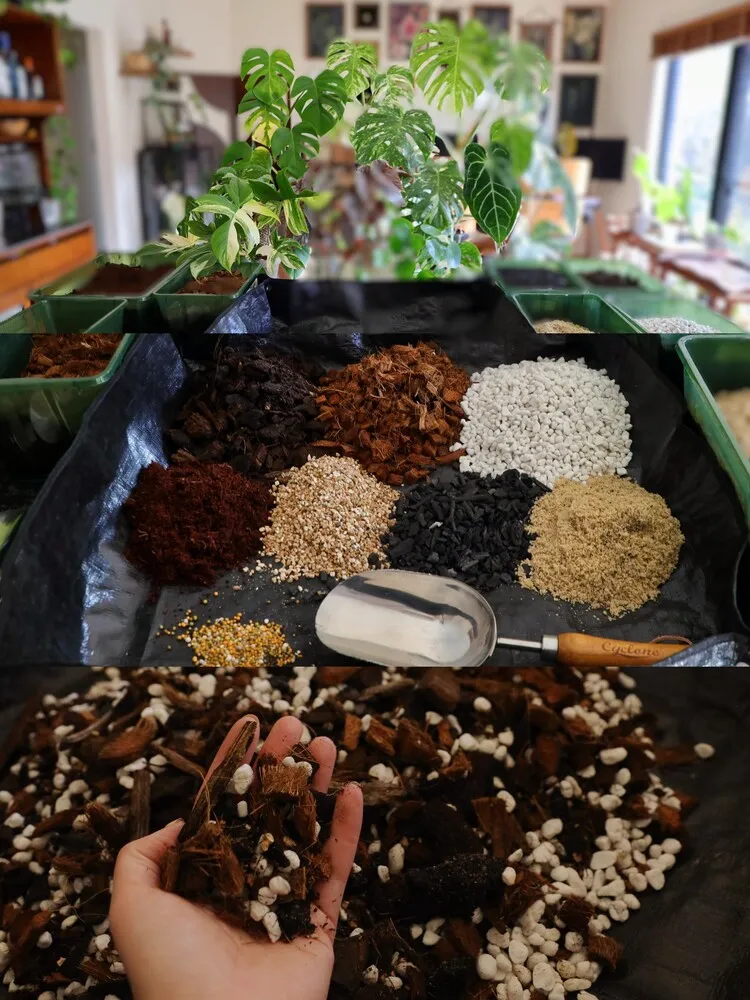
A more ingredient-heavy mix might include coarse orchid mix, coco coir chips, perlite, a small amount of coco peat or peat moss, and a little slow-release fertilizer. Some people also add materials like vermiculite or horticultural charcoal, depending on how they like their mix to behave.
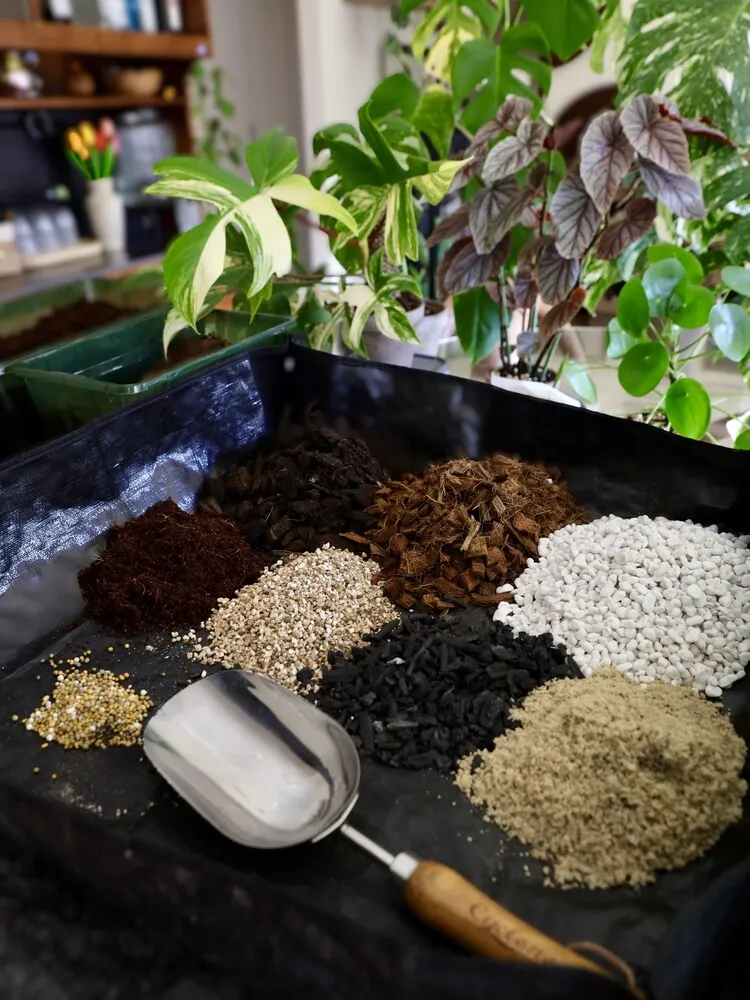
I also think this is where people can easily overbuild a mix. More ingredients may give you more control, but they also give you more chances to make the blend less balanced than it needs to be. I think this kind of recipe makes more sense for growers who already know how their home conditions affect drying speed and root health. It is more adjustable, but that does not automatically make it better. For most philodendrons, and for most indoor growers, a simpler balanced mix is usually easier to manage and easier to get right consistently.
Which Ingredients Matter Most — and Which Ones I Treat as Optional
When people start looking into philodendron soil recipes, it is very easy to end up with a long shopping list. In reality, I think only a few ingredients do most of the important work.
The core ingredients in my mind are the ones that create the basic balance of moisture retention and airflow. That means a potting mix for the moisture-holding base, bark for coarse structure, and pumice or perlite for extra drainage and openness. If those three parts are working well together, you already have the foundation of a very good philodendron mix.
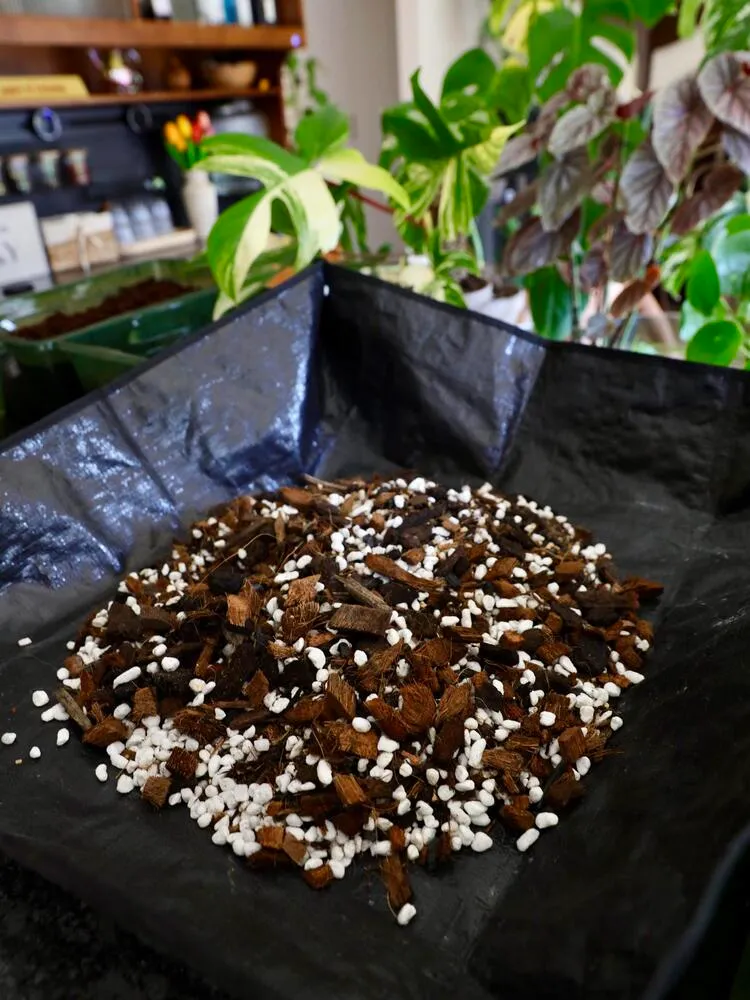
The rest, to me, are mostly optional ingredients. Coco chips can add more chunkiness and structure, especially if you like a bark-heavy mix. Vermiculite can increase moisture retention, but I use it cautiously because many indoor philodendrons do not need extra help staying wet. Horticultural charcoal is fine if you like using it, but I do not consider it essential. Sand is also optional, and in many indoor mixes I do not think it adds enough benefit to justify including it.
That is why I prefer to start with the core ingredients first and only add extra components if I have a clear reason. For most philodendrons, buying more ingredients does not automatically create a better soil mix. Often it just makes the recipe more complicated than it needs to be.
What I Would Avoid in a Philodendron Soil Mix
The main thing I try to avoid is any mix that makes watering harder rather than easier.
One example is dense soil with no chunky amendment at all. A potting mix like that may look fine at first, but indoors it often stays wet too long and compacts faster over time. Once that happens, the roots sit in a heavier, less breathable environment, and the plant becomes harder to read.
I also avoid an extremely chunky mix that dries too fast indoors. This is something I think gets overlooked a lot. A very airy aroid-style blend can sound ideal on paper, but if it dries out too quickly in normal home conditions, it can turn watering into a constant balancing act. Philodendrons want airflow around the roots, but they still need a mix that holds moisture long enough to support steady growth.
Another thing I avoid is adding every amendment just because a recipe online includes it. A long ingredient list can make a mix look more advanced, but it does not necessarily make it more effective. If I cannot clearly explain what an ingredient is doing in the blend, I usually leave it out.
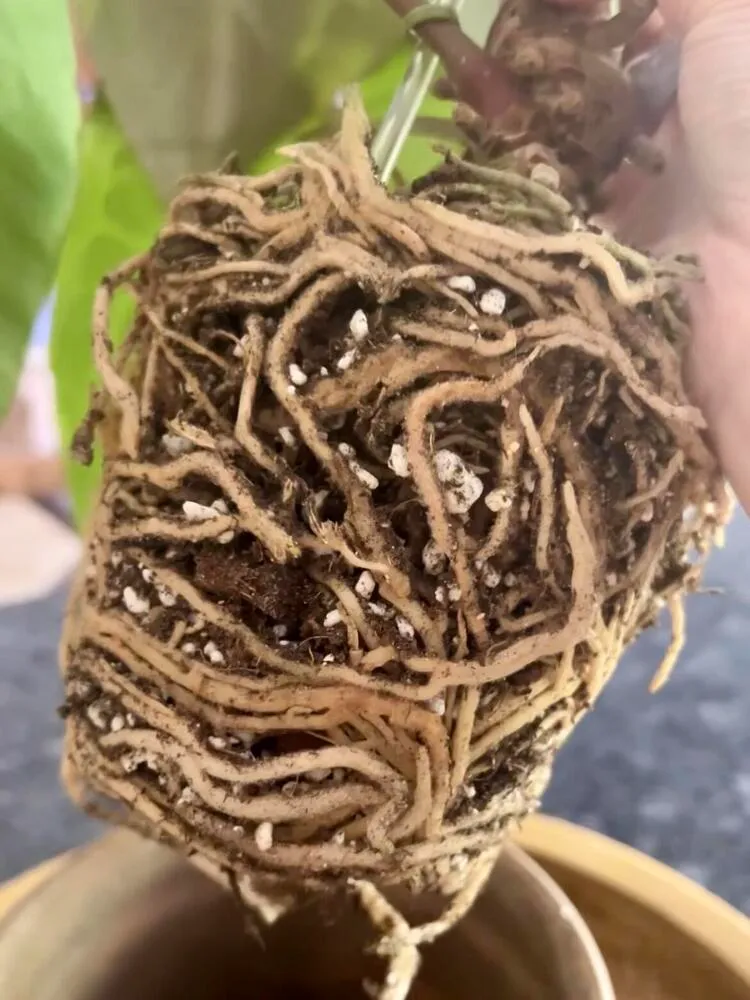
For me, a good philodendron soil mix should feel intentional, not overloaded. The goal is not to build the most complicated recipe possible. The goal is to create a mix that stays workable, easy to water, and easy for the roots to live in.
My Honest Take: Start Simple, Then Adjust If Needed
For most growers, I think the simple mix is the better place to start. It covers the basics well, it is easier to source, and it is easier to manage consistently indoors.
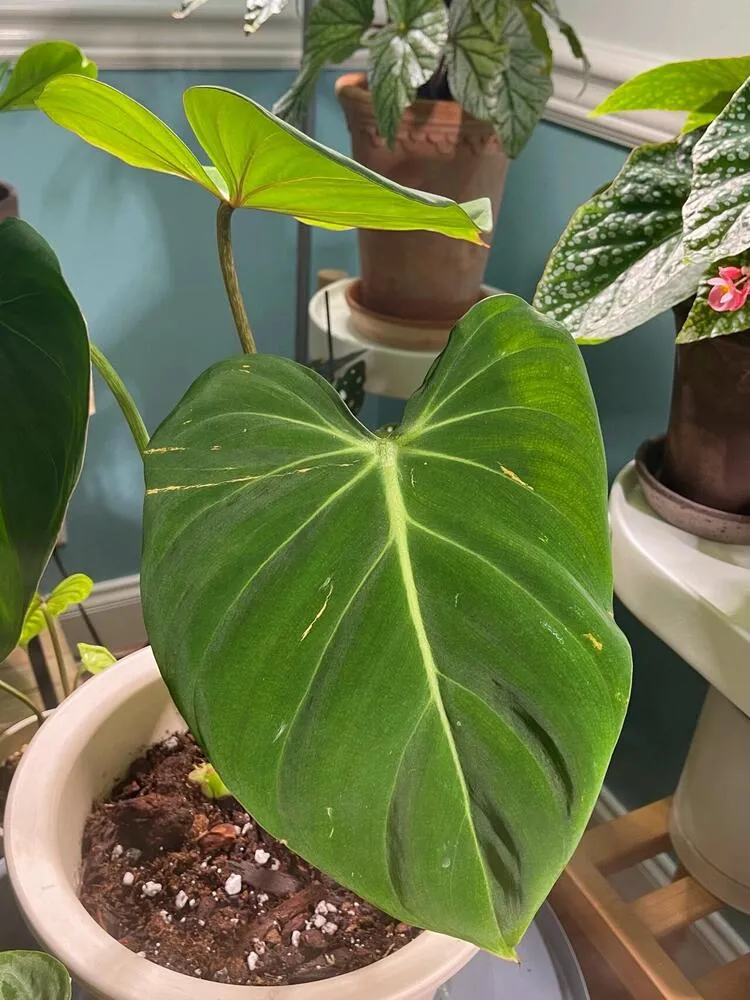
Custom mixes are useful if you enjoy adjusting ingredients, but I do not think they are automatically better. In many cases, they just add more variables.
For me, a good philodendron soil mix should make watering easier, not harder. That is why I would start simple, watch how the plant responds, and only adjust the mix if there is a clear reason to do so.
FAQ
Still exploring philodendron care?
If you’re comparing care routines, common problems, or indoor growing conditions, my main philodendron care page is the best place to keep exploring. It brings together the most useful guides in one place.
Go to Care Hub →