
Philodendron Plant Guide for Beginners
Philodendrons are one of the most popular houseplant groups for a reason. They come in a wide range of leaf shapes, colors, textures, and growth habits, so it is easy to find one that fits both your space and your taste.
Some philodendrons are simple trailing plants that settle in quickly and grow with very little drama. Others are climbers that do best with support, while some become larger, more architectural plants that make a stronger statement indoors. Even within the same genus, they do not all behave the same way.
This page is meant to be a beginner-friendly starting point. Rather than trying to cover every care detail at once, it gives you a clear overview of the basics and helps you find the right next guide depending on whether you want to learn about watering, soil, light, common problems, popular types, or pet safety.
What Is a Philodendron?
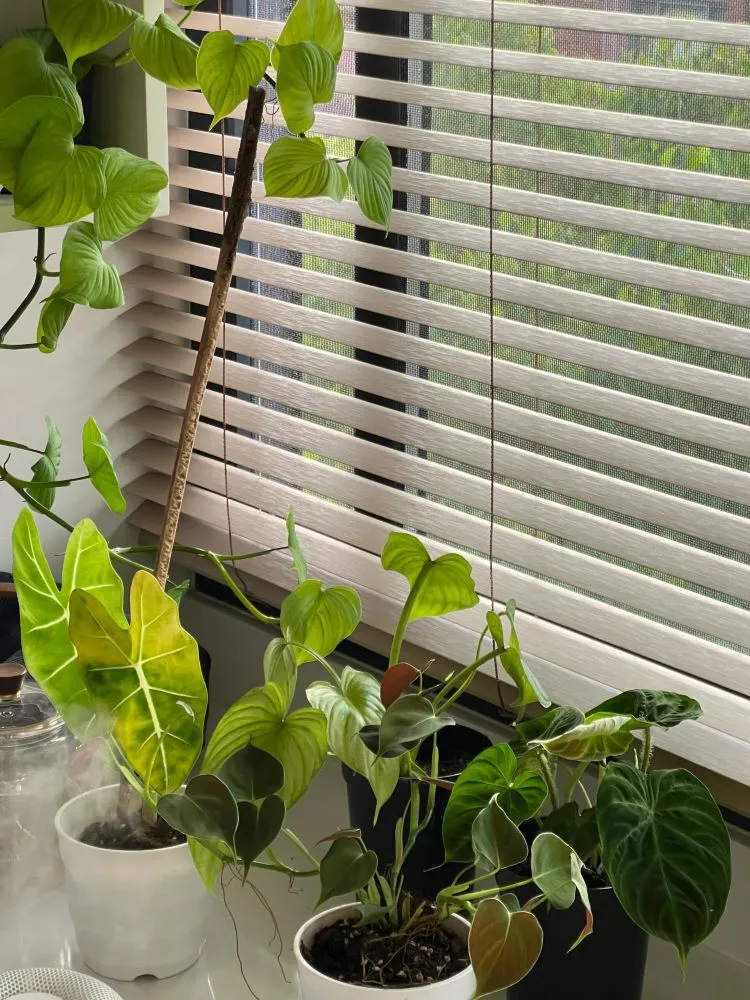
Philodendrons are tropical aroids that are grown mainly for their foliage rather than for flowers. People keep them for the leaves — whether that means soft velvety texture, bold variegation, deep green color, or unusual shapes.
Not all philodendrons grow the same way. Some climb and do better with support, some trail naturally from a pot or shelf, and some stay more upright and compact. That is part of why the genus feels so broad to beginners. Two plants can both be philodendrons and still look and behave very differently.
They are especially popular as indoor plants because many of them adapt well to normal home conditions. They do not all have the same needs, but as a group, philodendrons are much easier to fit into everyday indoor growing than many people expect, especially compared with fussier tropical houseplants.
Are Philodendrons Easy for Beginners?
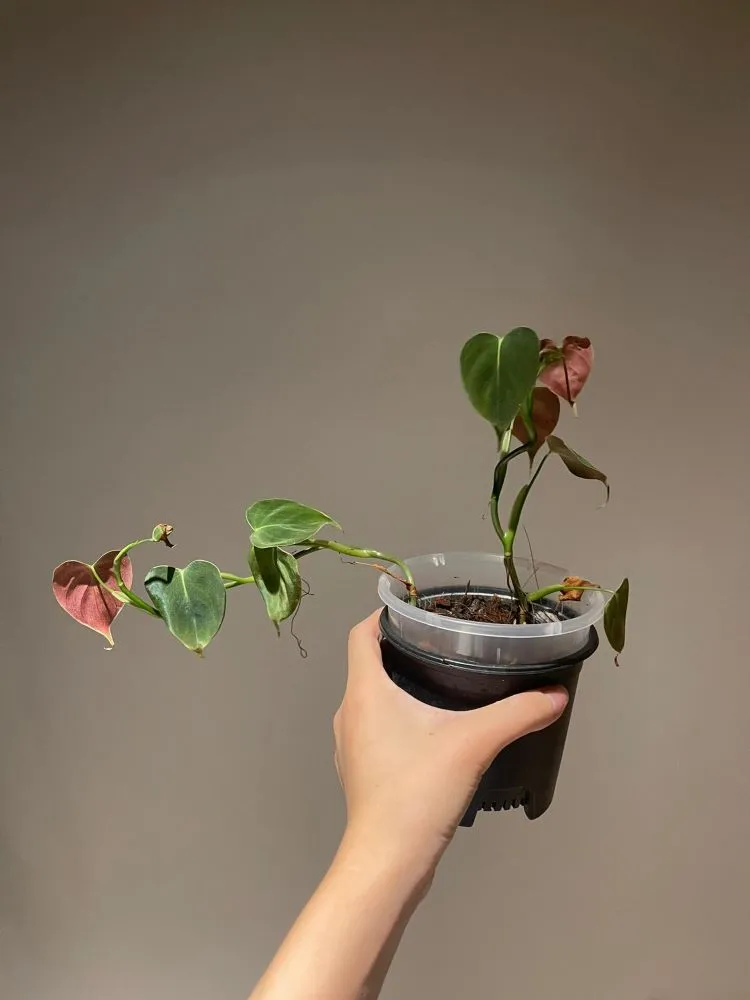
Many philodendrons are beginner-friendly, but they are not all equally easy. Some adapt very well to normal home conditions and forgive small mistakes, while others are less flexible and need a more careful setup to really look their best.
In general, the easier types tend to be more forgiving about watering and lower indoor light. That does not mean they can thrive anywhere, but it does mean they are less likely to decline quickly if your routine is not perfect yet. Trailing types like Micans or Brasil often feel easier for beginners than fussier or slower-growing collector varieties.
Most beginner problems with philodendrons come from the same few issues: watering too often, using soil that stays dense for too long, or placing the plant in a spot that is dimmer than expected. If you want to go deeper into those basics, start with my guides on How to Water Philodendron Properly, Best Soil for Philodendron, and Philodendron Light Requirements.
The Three Things That Matter Most in Philodendron Care
Watering
Philodendrons usually do better when the potting mix has time to dry slightly rather than staying constantly wet. In my experience, more beginner problems come from watering too soon than from waiting a little longer. For a closer look at how I judge timing, read How to Water Philodendron Properly.
Soil
A balanced mix with airflow around the roots usually works better than dense potting soil alone. Philodendrons generally grow more steadily when the soil can hold some moisture without staying heavy for too long. I break down the mix I prefer in Best Soil for Philodendron.
Light
Most philodendrons prefer bright indirect light, but tolerance varies a lot by type. Some stay fairly adaptable indoors, while others lose color, grow leggy, or stall if the light is weaker than it seems. I explain that in more detail in Philodendron Light Requirements.
Common Philodendron Problems Beginners Run Into
Philodendrons are usually easier to understand when you read the plant’s symptoms instead of guessing blindly. Most early problems show up in the leaves or in the way the plant is growing.
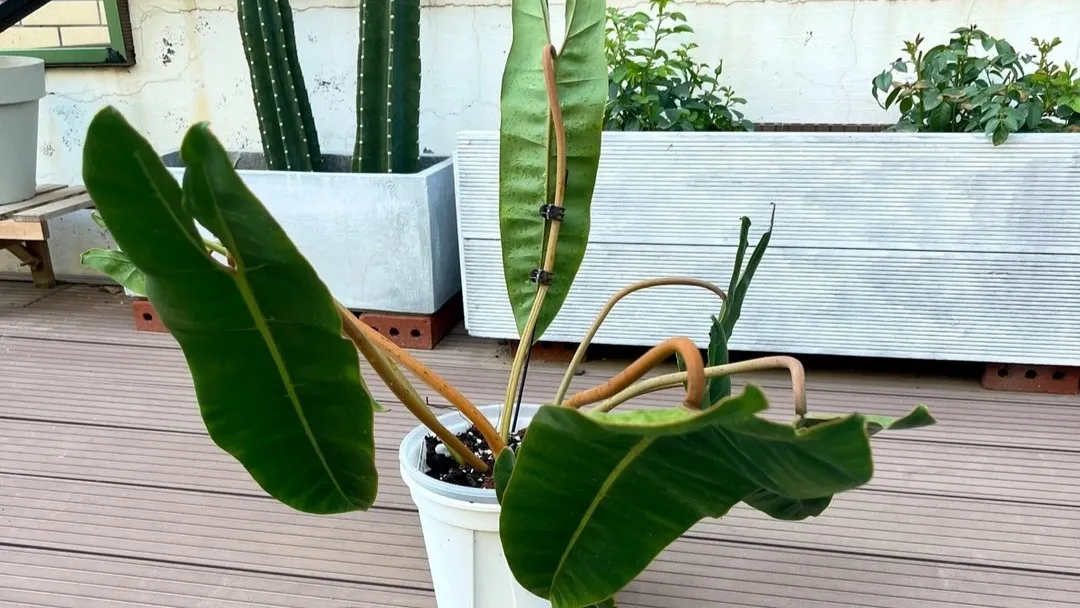
Philodendron Drooping
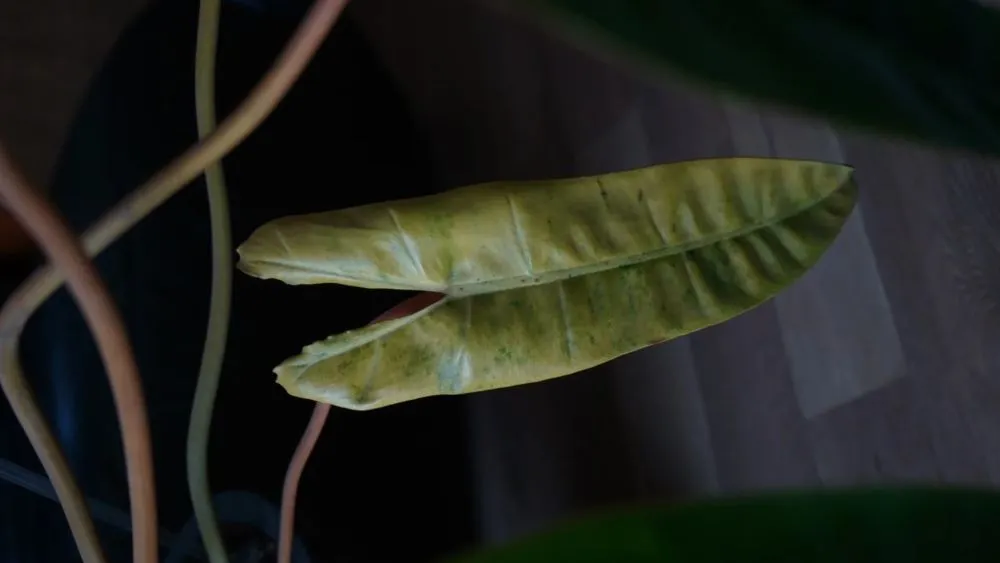
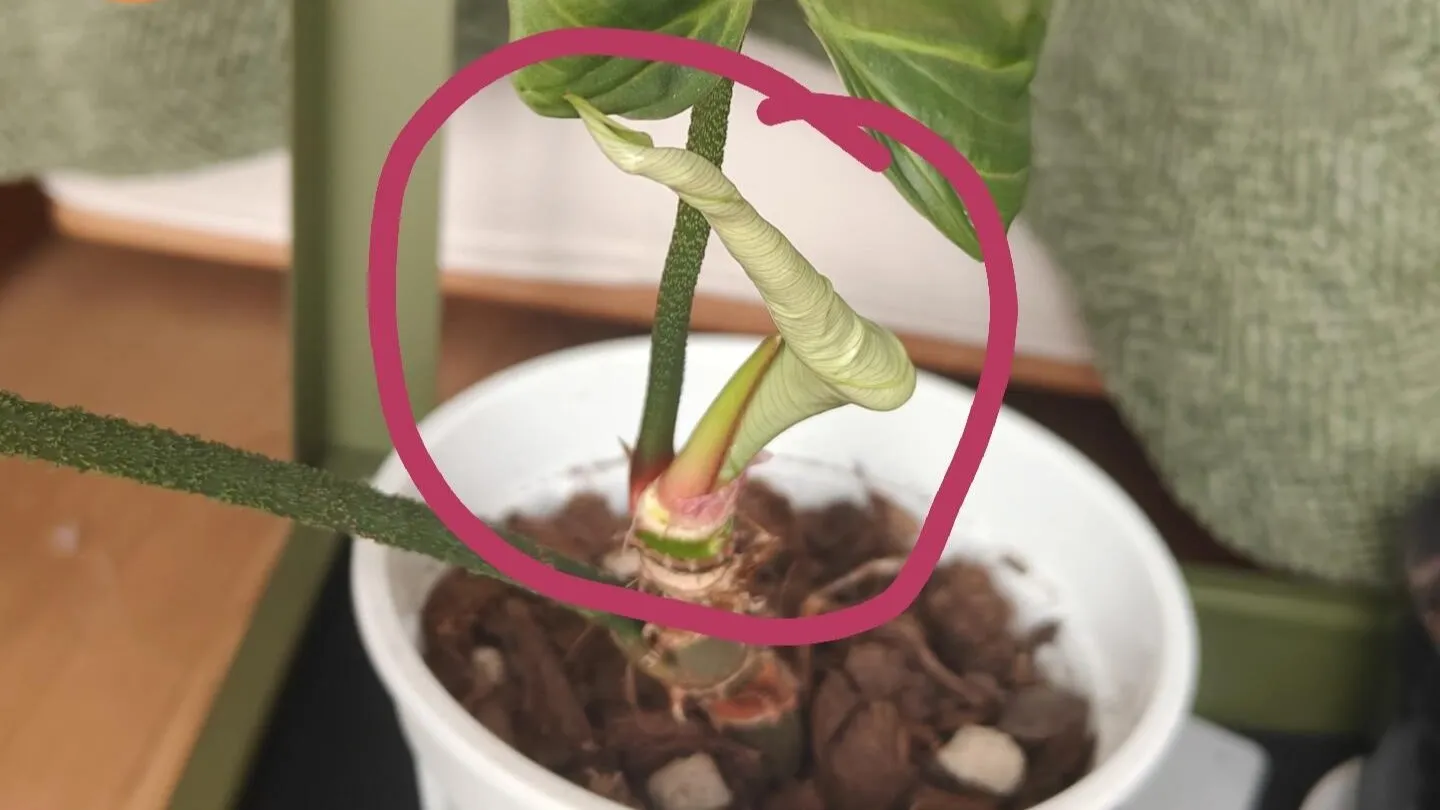
Drooping does not always mean thirst — sometimes it points to root or soil problems instead.
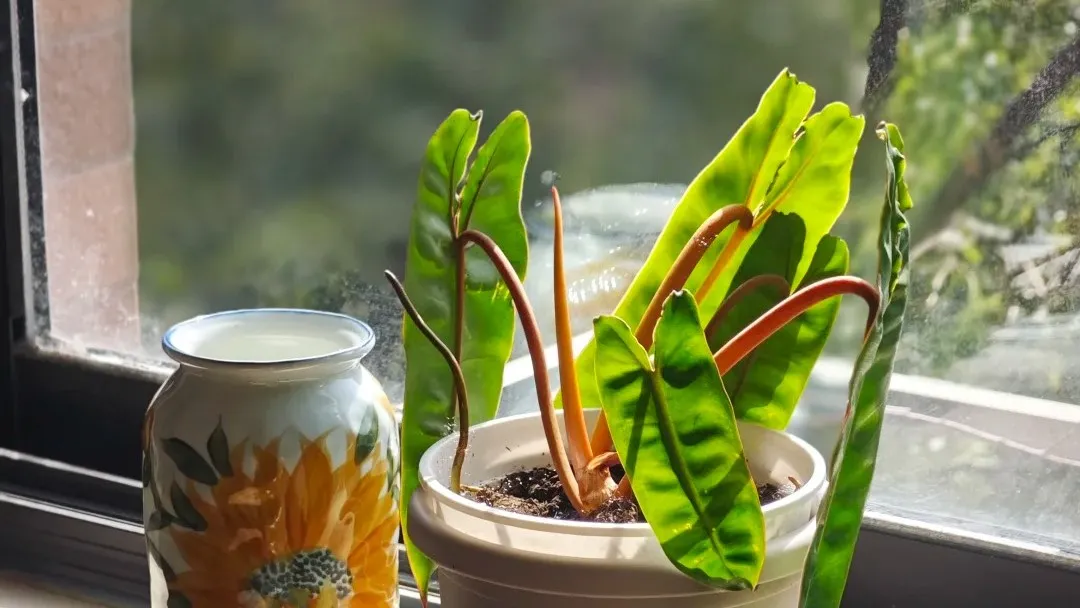
Philodendron Not Growing
Slow growth can be caused by low light, poor root development, or seasonal slowdown.
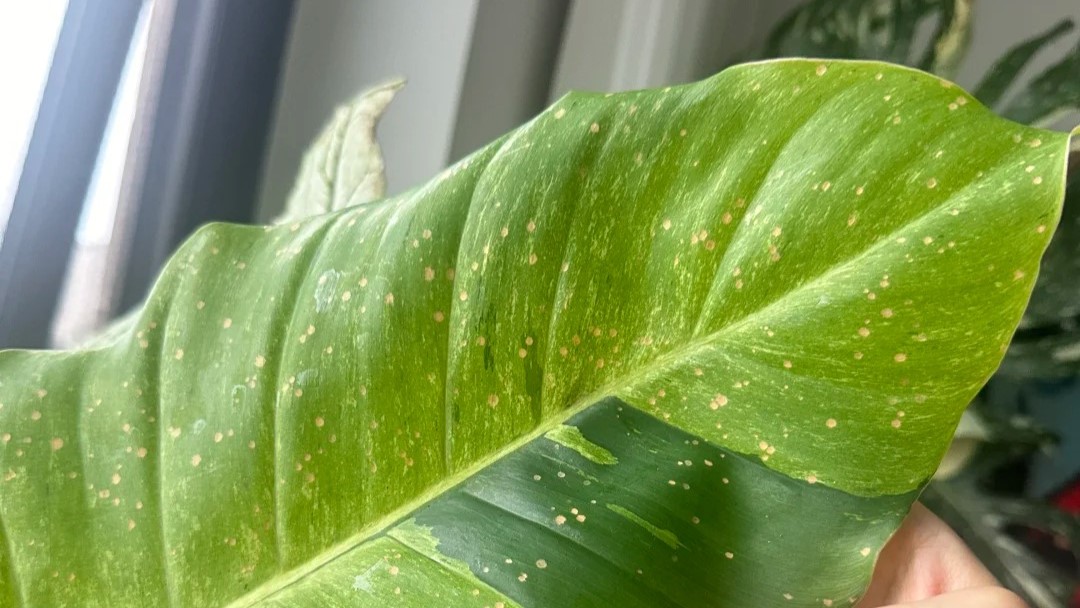
Philodendron Have Brown Spots
Learn what different brown spots can mean, from minor surface damage to watering or root-related stress.
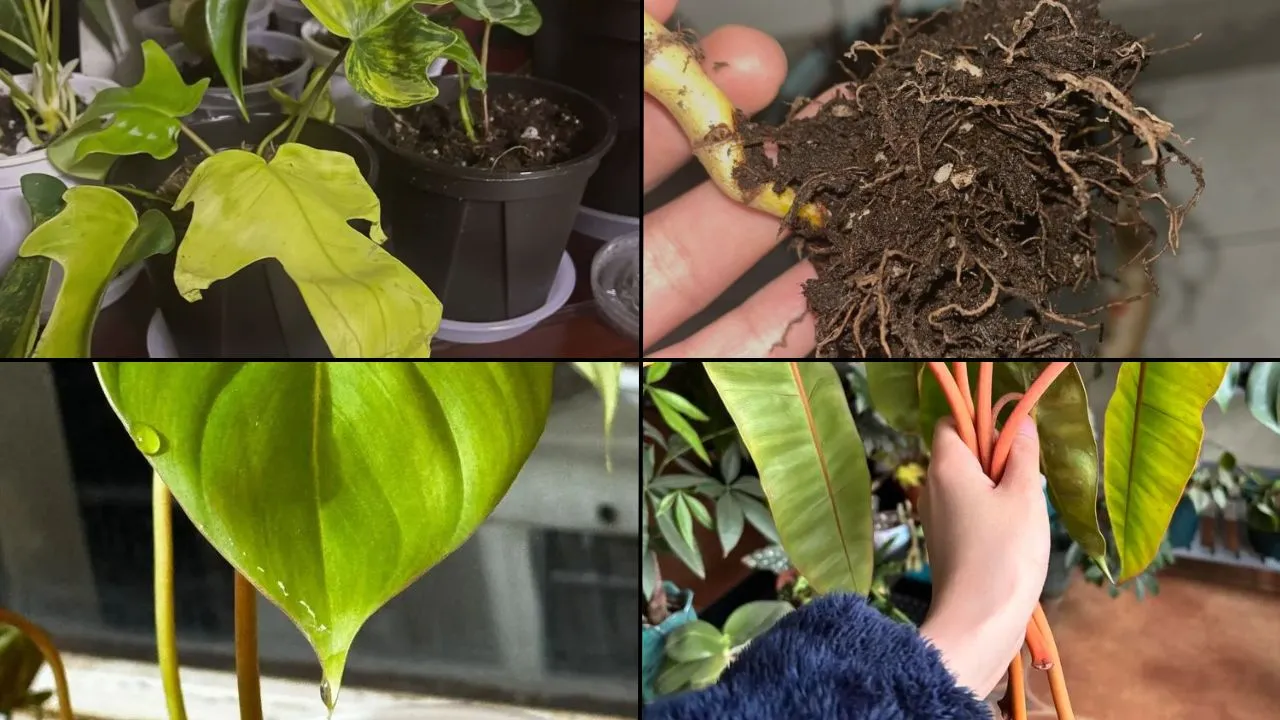
7 Signs of an Overwatered Philodendron
A practical guide to the early warning signs I watch for when a philodendron is staying wet for too long.
Popular Philodendron Types to Start With
If you are new to philodendrons, it helps to start with a few well-known types before trying to understand the whole genus at once. These are some of the most popular ones to begin with.
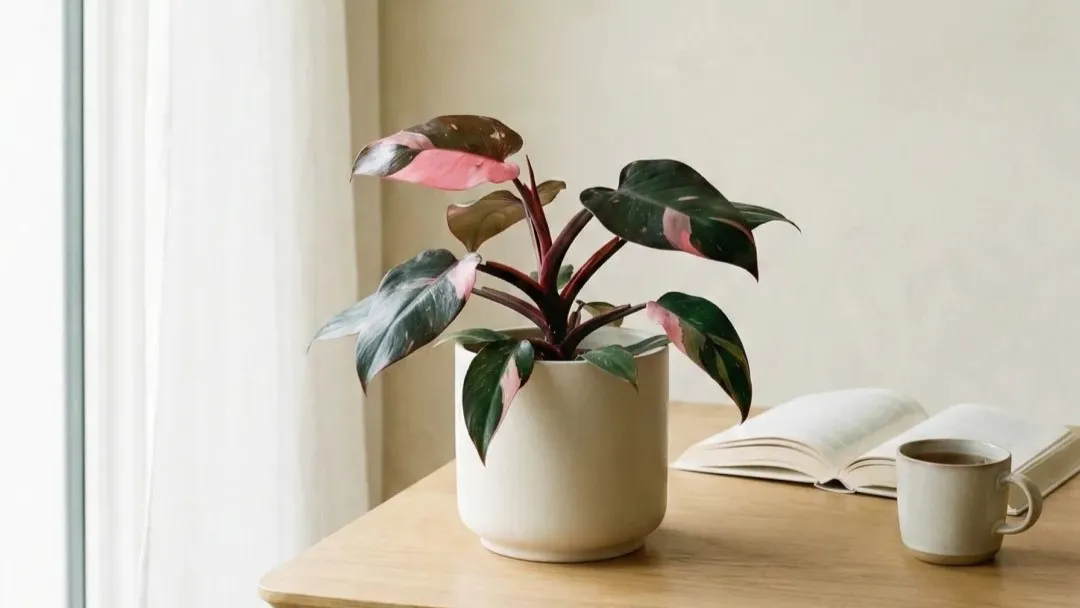
Pink Princess Philodendron
Known for pink variegation, but usually less forgiving than greener beginner types.
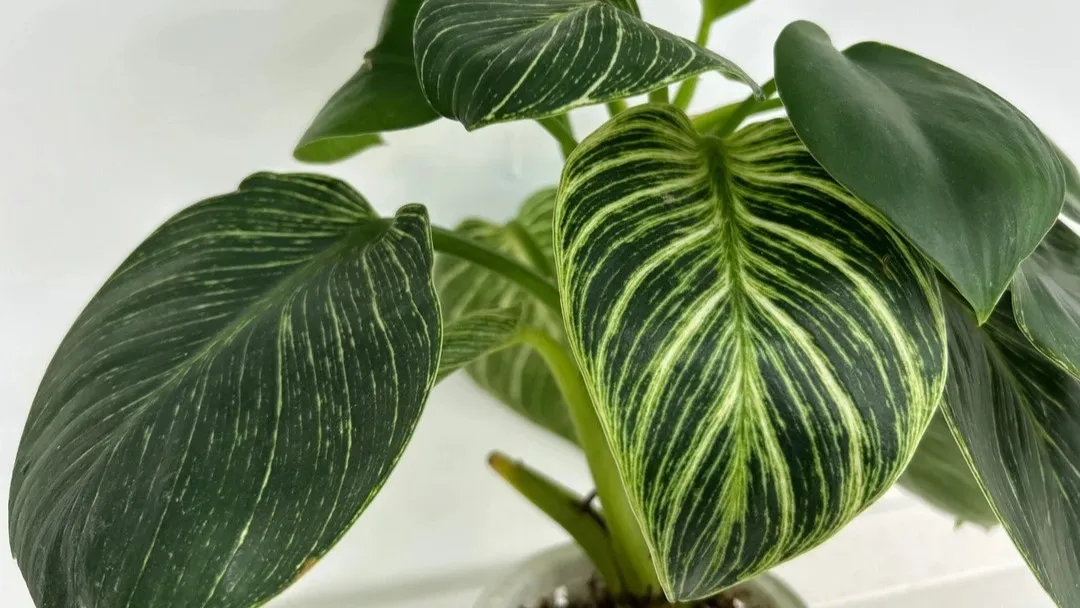
Philodendron Birkin
Compact and striking, with creamy pinstripes that make it a popular decorative choice.
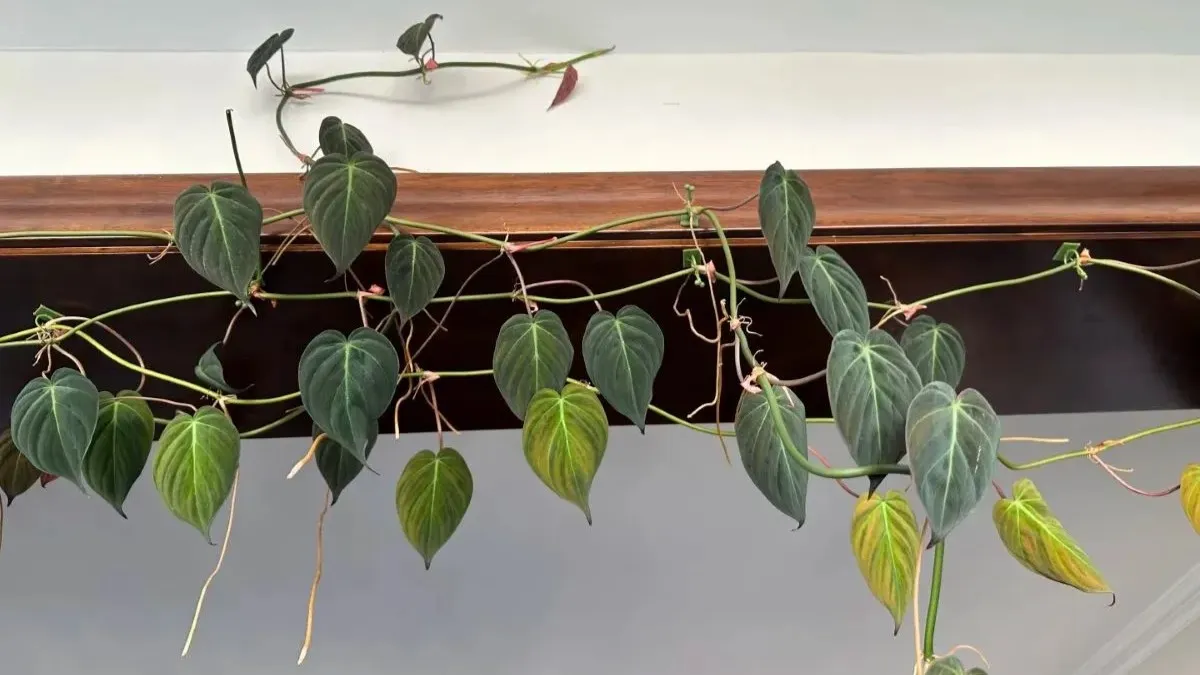
Philodendron Micans
A trailing type with soft velvety leaves, often loved for its texture and easier growth habit.
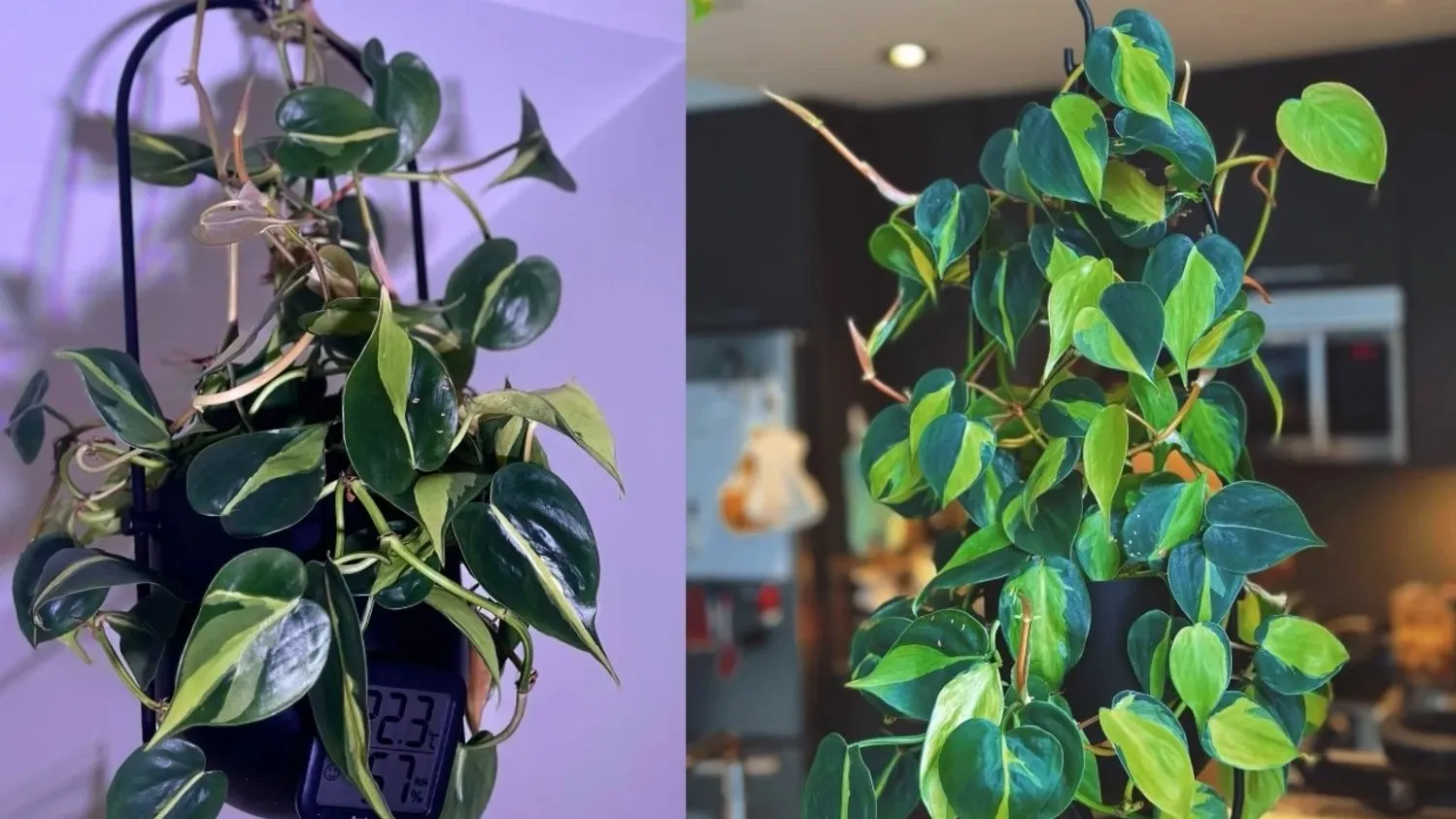
Philodendron Brasil
One of the most beginner-friendly trailing philodendrons, with reliable growth and bright variegation.
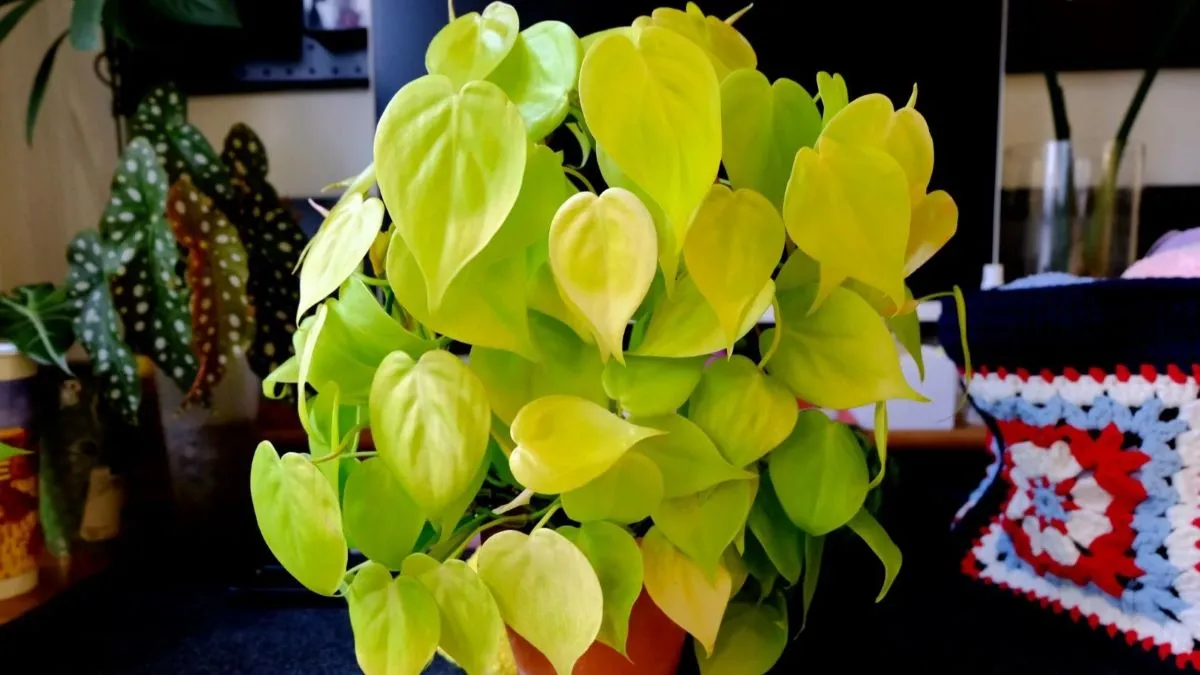
Lemon Lime Philodendron
A bright, easy-growing trailing type that is especially appealing if you want cheerful color without a fussy care routine.
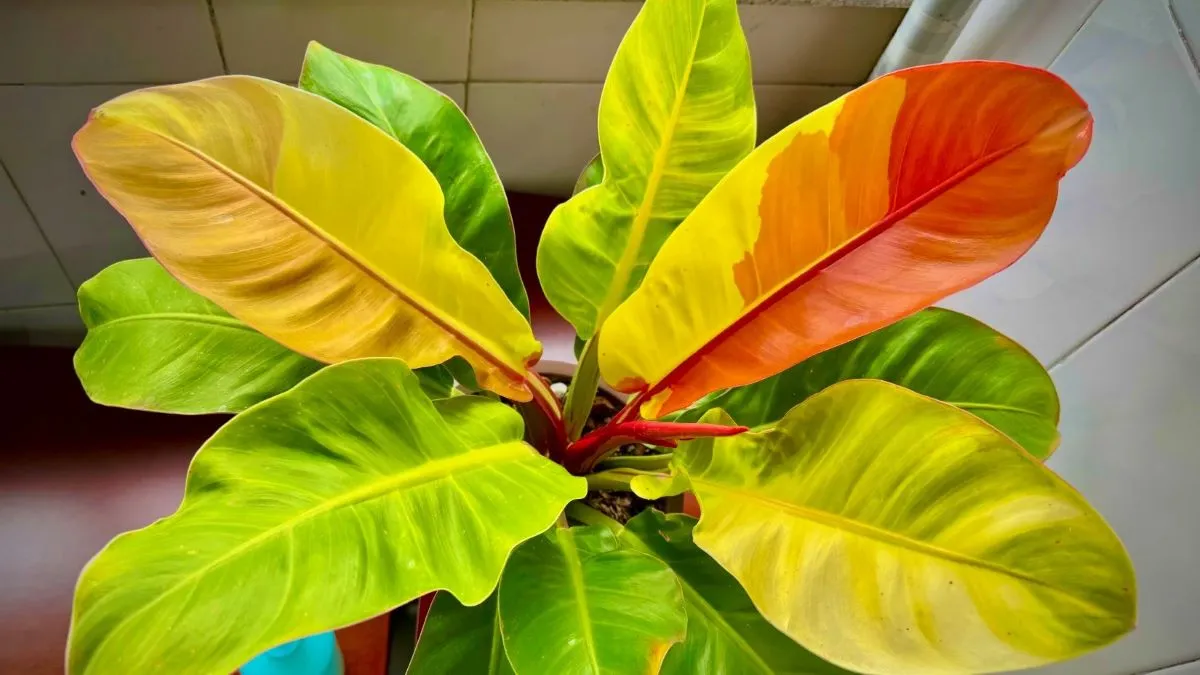
Prince of Orange
A self-heading philodendron grown for its warm orange new leaves, with color that shifts beautifully as the plant matures.
Climbing, Trailing, and Upright Philodendrons: Why Growth Habit Matters
One reason philodendrons can feel confusing at first is that plants in the same genus do not always grow in the same way. Growth habit changes how the plant looks, how it uses space, and sometimes how it should be managed indoors.
Some philodendrons are climbers and usually do better when they have support.Given a pole or another surface to grow against, many climbing philodendrons develop a more directed growth pattern and can size up better over time, though not all of them benefit equally from moss pole support. If you are growing a climbing type and want to understand the setup better, see How to Put a Philodendron on a Moss Pole.
Others are more naturally trailing and are often better in a hanging pot or left to spill over the edge of a shelf. These usually do not need the same kind of vertical support to look good.
Some stay more upright and self-heading, which means they are usually treated differently from both climbers and trailers. They do not all need the same setup, even if they share the same genus name.
That is why two philodendrons can look very different and also respond differently to the same care routine. Once you understand the plant’s growth habit, the rest of the care starts making more sense.
Are Philodendrons Toxic to Cats and Dogs?
Philodendrons are not considered pet-safe. If you live with cats or dogs, this is something worth checking before you bring one home or place it somewhere your pet can reach. For a broader overview, you can also read Are Philodendrons Toxic to Pets?.
I would not rely on quick assumptions here, especially if your pet likes chewing leaves or investigating houseplants. For the full breakdown, read Is Philodendron Toxic to Cats? and Are Philodendrons Toxic to Dogs?.
Where I’d Start If I Were New to Philodendrons
If I were starting from scratch, I would keep it simple and learn the basics in this order:
- How to Water Philodendron Properly
- Best Soil for Philodendron
- Philodendron Light Requirements
- Philodendron Leaves Turning Yellow, Philodendron Leaves Curling, and Why Is My Philodendron Drooping?
- Philodendron Brasil and Philodendron Micans if you want easier beginner-friendly types
That order usually gives a new grower the most useful foundation first: how to water, what kind of soil works, how much light the plant actually needs, how to read common problems, and which types are easier to start with.
If you are completely new to philodendrons, you do not need to learn everything at once. Start with watering, soil, and light, then use the problem guides and variety pages as your collection grows. If your plant is clearly a climbing type, a useful next step is learning how support changes growth. You can read that here: How to Put a Philodendron on a Moss Pole.