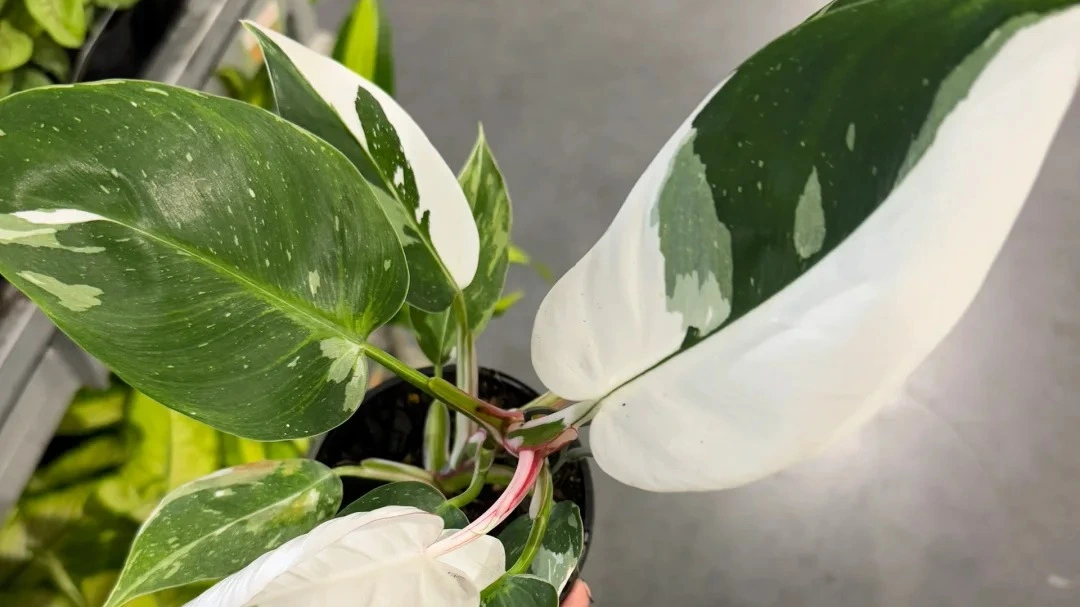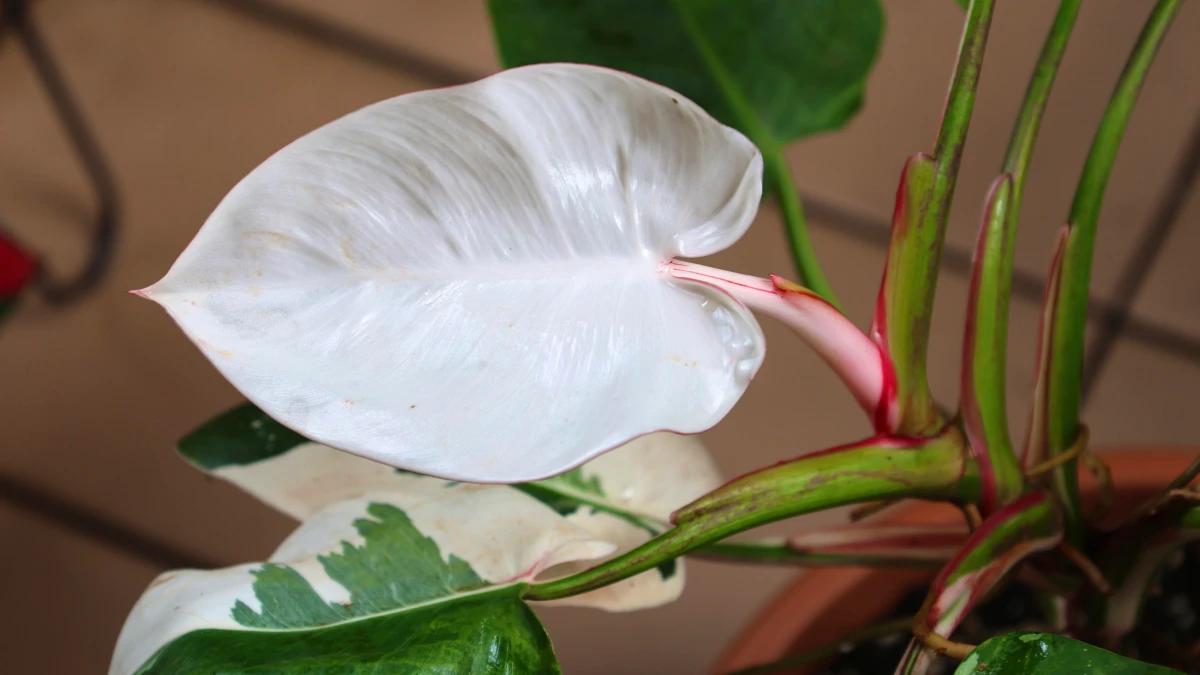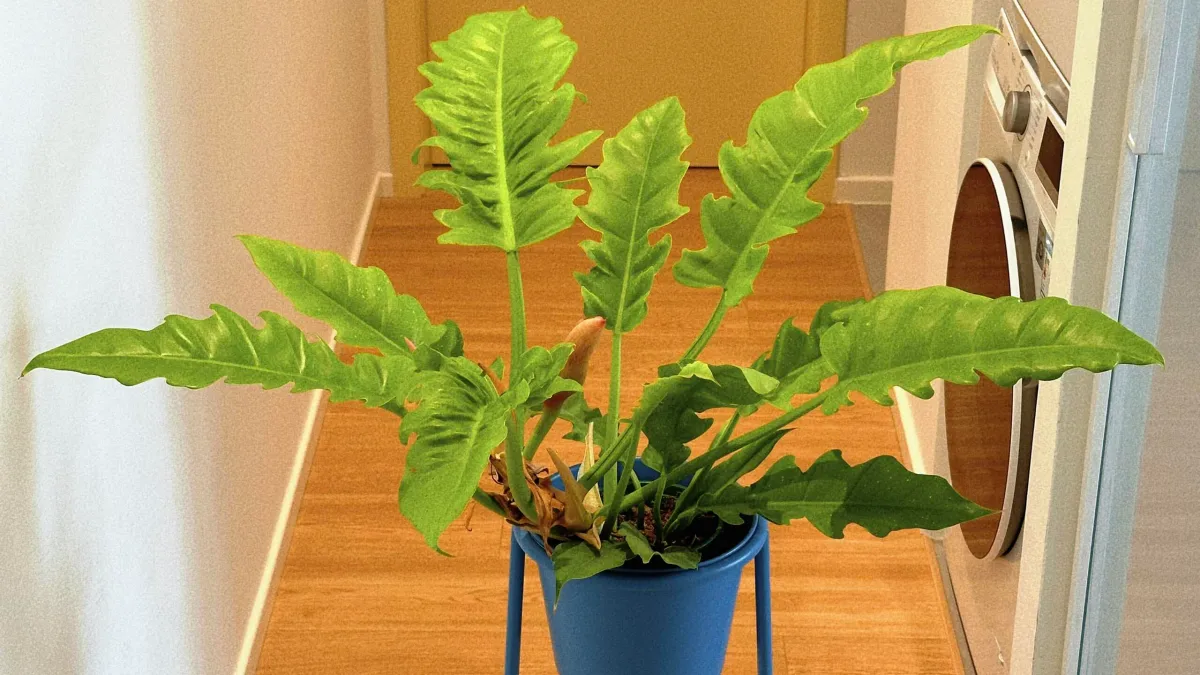
Seeing a philodendron leaf turn yellow can be surprisingly unsettling, especially when the plant seemed perfectly healthy just days before. Many growers immediately assume the worst — root rot, disease, or a plant that’s slowly dying. But in reality, yellow leaves on philodendrons can appear for many different reasons, and not all of them mean something serious.
I’ve run into this problem more than once while growing philodendrons indoors. One winter my Philodendron billietiae started yellowing shortly after I repotted it. Another time several Lemon Lime plants developed large yellow and brown patches during a cold spell when indoor temperatures dropped close to 12°C. I even had a Florida Ghost that suddenly began dropping leaves after what turned out to be an overwatered root zone with poor airflow.
Each of those situations looked similar at first — leaves turning yellow — but the causes were completely different. That’s what makes yellow leaves on philodendrons confusing. The same symptom can come from cold stress, root problems, transplant shock, or simply natural leaf aging.
In this guide, I’ll walk through the most common reasons philodendron leaves turn yellow and share a few real cases from my own plants that helped me understand what was actually happening.
Why Philodendron Leaves Turn Yellow
Seeing philodendron leaves turning yellow can be worrying, but in most indoor situations it simply means something in the plant’s environment has changed.
Yellow leaves on philodendron plants can appear for several different reasons, including cold stress, root problems, repotting shock, or natural leaf aging. That’s why the pattern of yellowing matters more than the color alone.
In the next section, I’ll show how I quickly narrow down the cause before deciding whether the plant actually needs help.
How I Tell What Kind of Yellowing I’m Seeing
When you notice philodendron leaves turning yellow, the most helpful first step is to look at the pattern rather than focusing on a single leaf. The location of the yellow leaf, how quickly it appeared, and what recently changed in the plant’s environment can usually point to the real cause.
A few simple observations can often explain why yellow leaves on philodendron plants appear:
- Lower leaves turning yellow slowly – This is often natural leaf aging. As new leaves grow, the plant may gradually shed older ones near the base.
- Several leaves turning yellow at the same time – This usually suggests watering or root stress, especially if the soil stays wet for long periods and the plant is starting to look overwatered rather than simply thirsty.
- Yellow patches with brown spots – These patterns are often linked to cold damage or sudden temperature drops.
- Yellowing soon after repotting – This can happen when roots are disturbed and the plant experiences temporary transplant shock.
Another useful clue is how the plant is growing overall. If new leaves are still emerging while an older leaf turns yellow, the plant is often simply reallocating energy rather than suffering from a serious problem.
Because philodendron leaves turning yellow can come from several different causes, looking at the timing and growth pattern usually reveals more than the color of the leaf itself. And when yellowing starts showing up with patches or lesions, I usually start thinking beyond plain yellowing and more about the spot pattern itself.
Case 1 — Lemon Lime Philodendron Cold Damage
One winter I learned how quickly philodendron leaves turning yellow can be triggered by low temperatures. At the time, my indoor conditions were far from ideal. The room temperature was fluctuating around 12 °C (about 54 °F), which is much lower than what most tropical plants prefer.
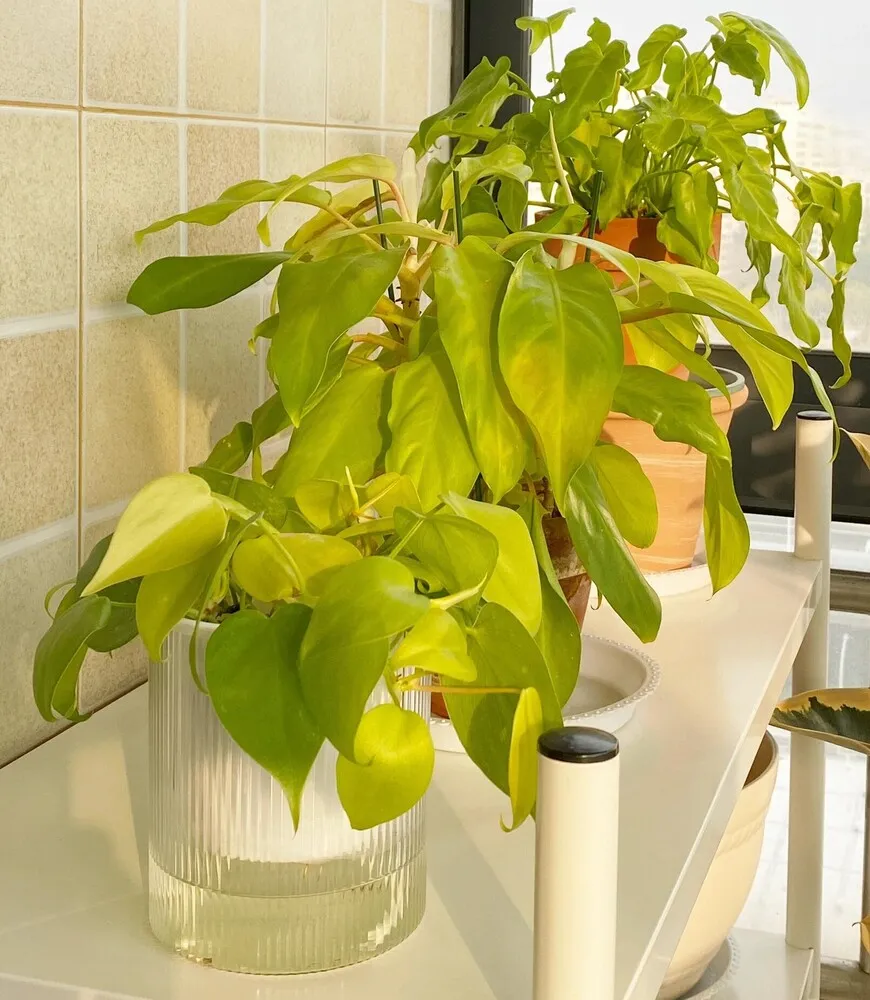
I had three pots of Lemon Lime philodendron, and over the course of a few weeks they began showing unusual symptoms. First, I noticed large yellow areas appearing on the leaves, followed by irregular brown patches. Some of the older leaves near the base gradually turned completely yellow and collapsed.
At first I suspected watering problems, since yellow leaves on philodendron plants are often associated with overwatering. To avoid possible root rot, I let the soil dry out thoroughly and then watered lightly from the bottom just to keep the plants alive.
However, I made another mistake that actually made things worse. On a few sunny winter days, I moved the plants onto the balcony at midday to give them more light. Instead of helping, the sudden temperature change and cold air exposure caused the damaged leaves to deteriorate even faster. Within a short time, several leaves wilted and declined.
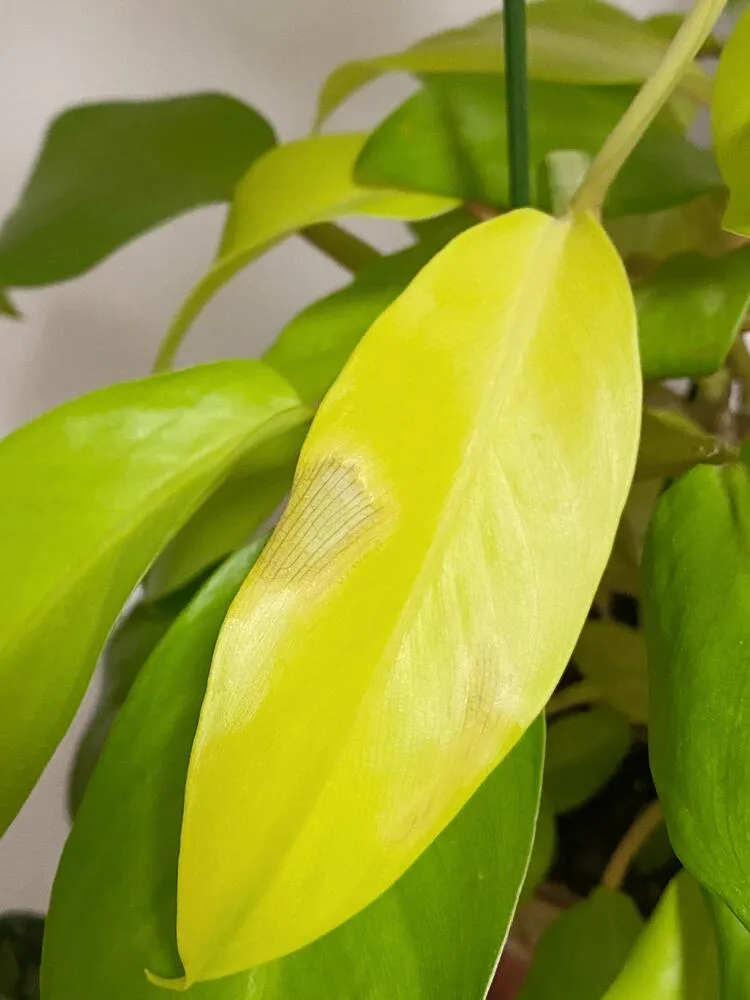
After observing this situation, I started noticing a pattern: philodendron varieties with thinner, lighter-colored leaves seemed much more sensitive to cold stress. The Lemon Lime plants were affected the most, while some other plants in the same room remained relatively stable.
For example, plants like Scindapsus ‘Mariposa’, Philodendron brandtianum, and Philodendron hederaceum ‘Brasil’ showed far fewer problems during the same period. Their leaves are thicker and darker, which may make them slightly more tolerant of cooler indoor conditions.
This experience made one thing very clear: when philodendron leaves start turning yellow during winter, temperature stress can sometimes be the hidden cause, especially if indoor conditions drop close to the lower limit for tropical plants.
Case 2 — Billietiae Repot Shock
Another time I saw philodendron leaves turning yellow was shortly after repotting my Philodendron billietiae. About a month earlier the plant looked excellent — deep green leaves, strong growth, and it had even produced a new leaf during winter, which surprised me.
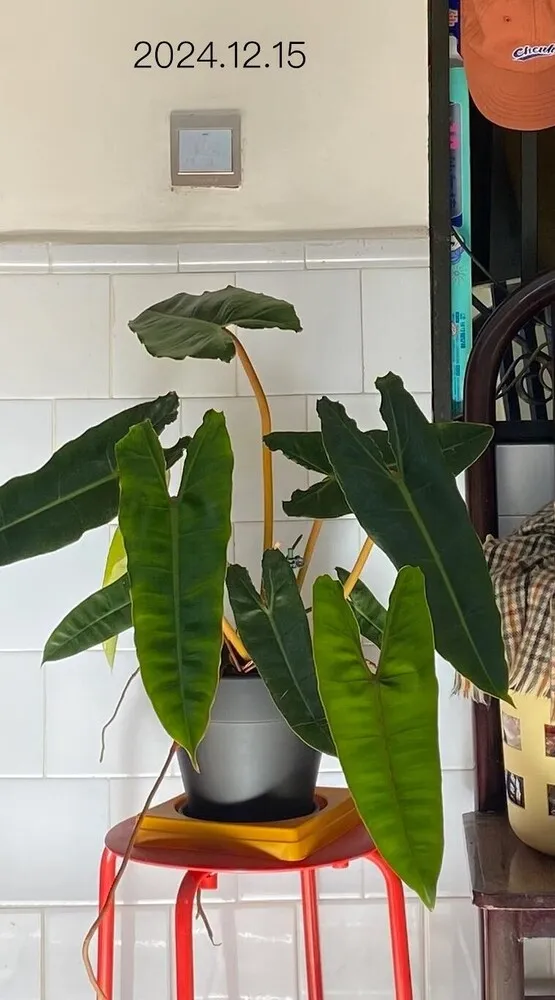
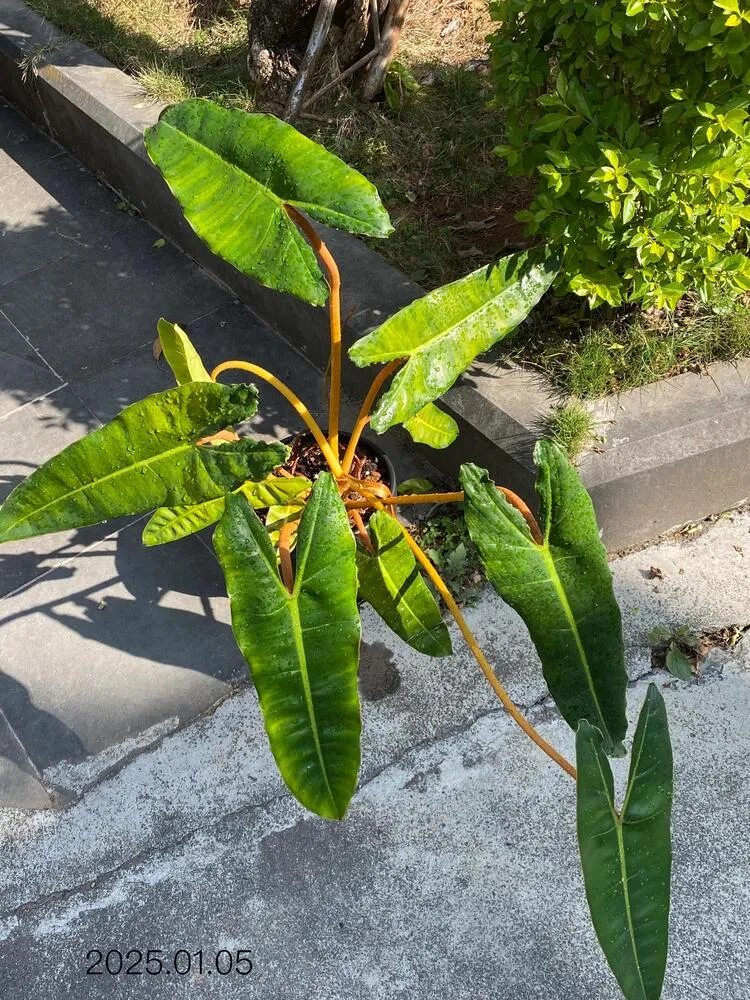
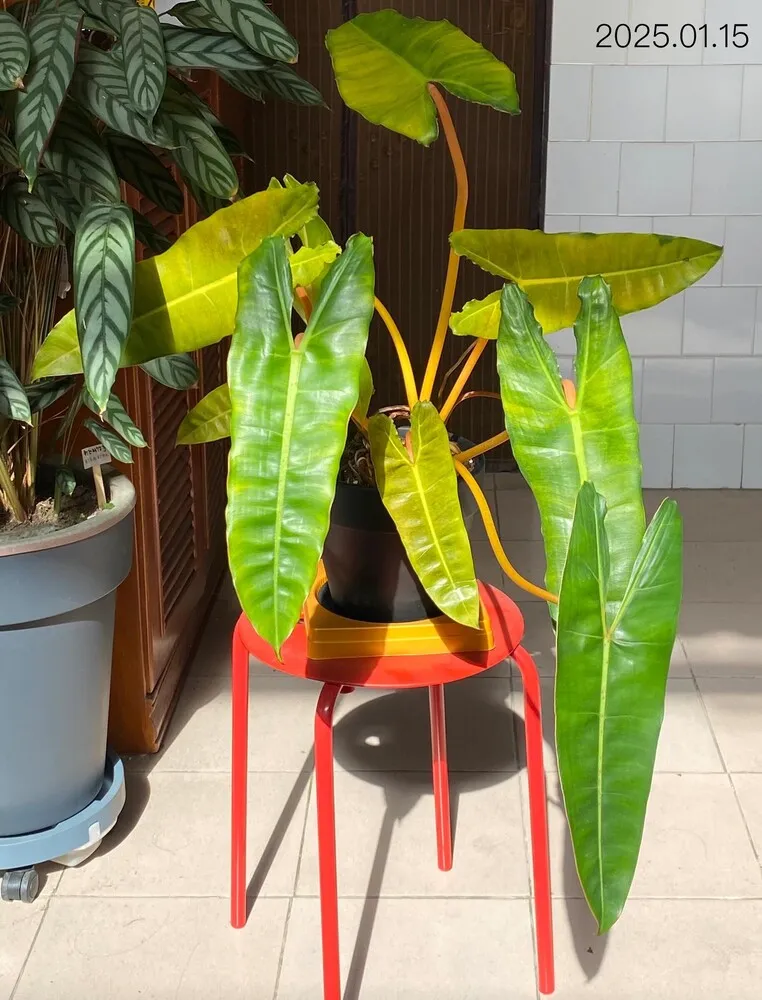
The plant was still sitting in a small plastic nursery pot, and the roots had clearly filled the container. Some aerial roots were already growing outside the pot, so I assumed the plant needed more space. Even though it was winter, I decided to repot it into a larger container. In hindsight, exposed aerial roots were not a reliable sign that the plant urgently needed repotting.
Soon after the repotting, I began to notice yellow leaves appearing on the plant. At first it was just one leaf, but over the following weeks a few more leaves gradually faded. The plant also stopped pushing new growth, which made me worry that I was no longer dealing with simple yellowing alone but with a philodendron that had stalled.
In hindsight, the problem was most likely repotting stress during a slow growth period. In winter, philodendrons often grow very slowly indoors, so their roots recover from disturbance much more slowly than they would in spring or summer.
The main lesson from this situation was simple: avoid repotting philodendrons in winter unless it’s absolutely necessary. Even if the plant looks crowded, disturbing the roots during a low-growth period can easily lead to temporary yellowing and stalled growth.
Case 3 — Florida Ghost Leaf Drop from Root Stress
A third situation where I saw philodendron leaves turning yellow happened with my Philodendron ‘Florida Ghost’. The plant had been growing well for a while, but suddenly several leaves developed large yellow patches and gradually dropped. Within a short time, the plant went from being full to having only a few older leaves left.
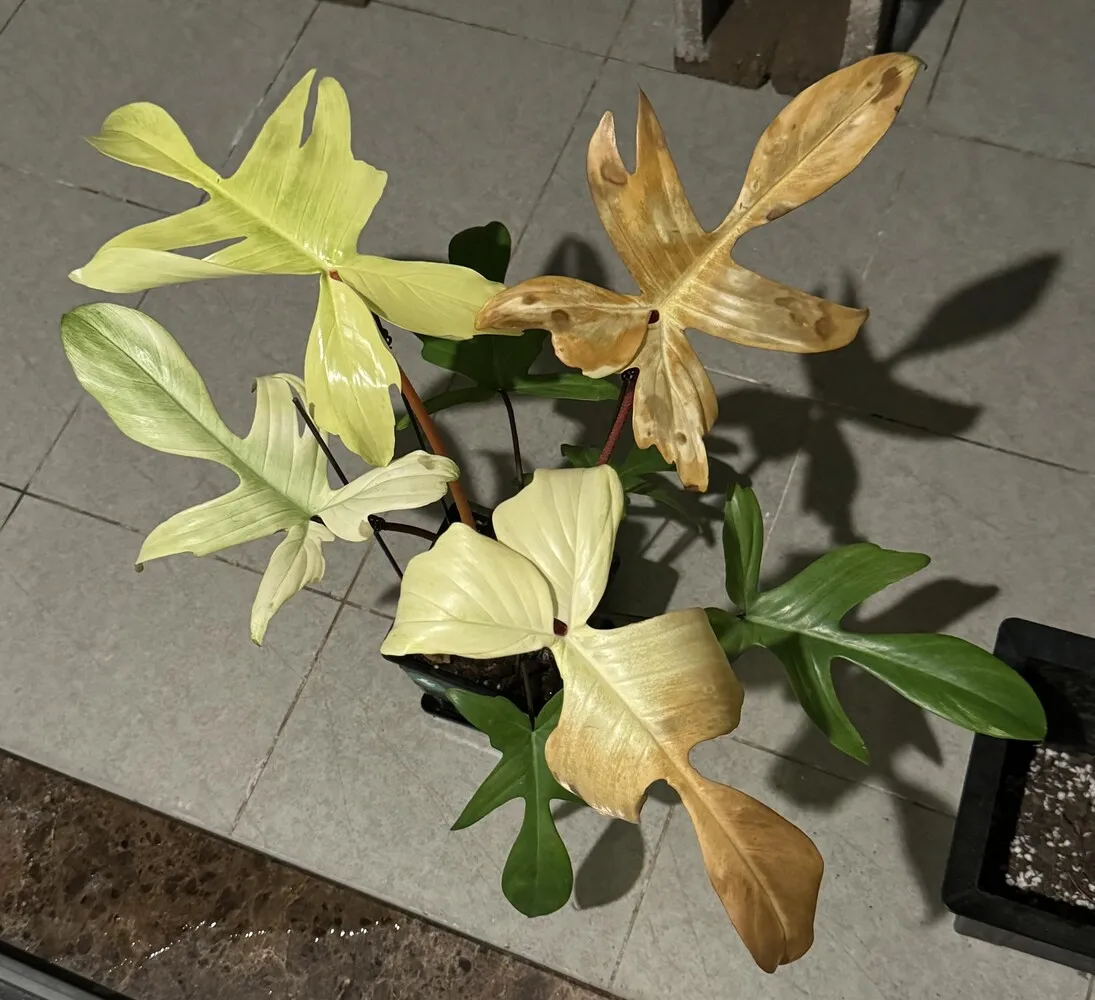
At that point, the plant stopped producing new leaves and stayed in the same state for almost six weeks. The newest leaf that had emerged earlier remained on the plant, but no additional growth appeared. Instead, I noticed something unusual — the plant began producing more roots around the nodes, almost as if it was redirecting its energy underground.
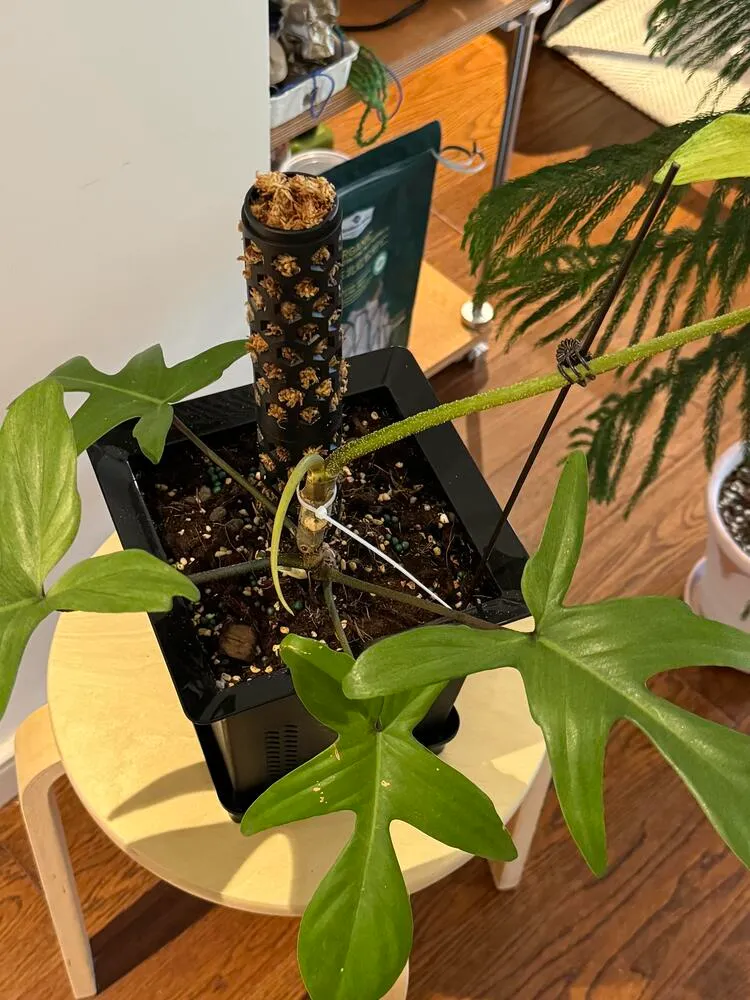
After discussing the situation with other growers, the most likely explanation was root stress caused by overly wet conditions. The potting mix had been staying too moist for too long, and the moss pole I was using also held a lot of water. Together, this created a very humid root environment with limited airflow, which is exactly why the right philodendron soil mix matters so much indoors.
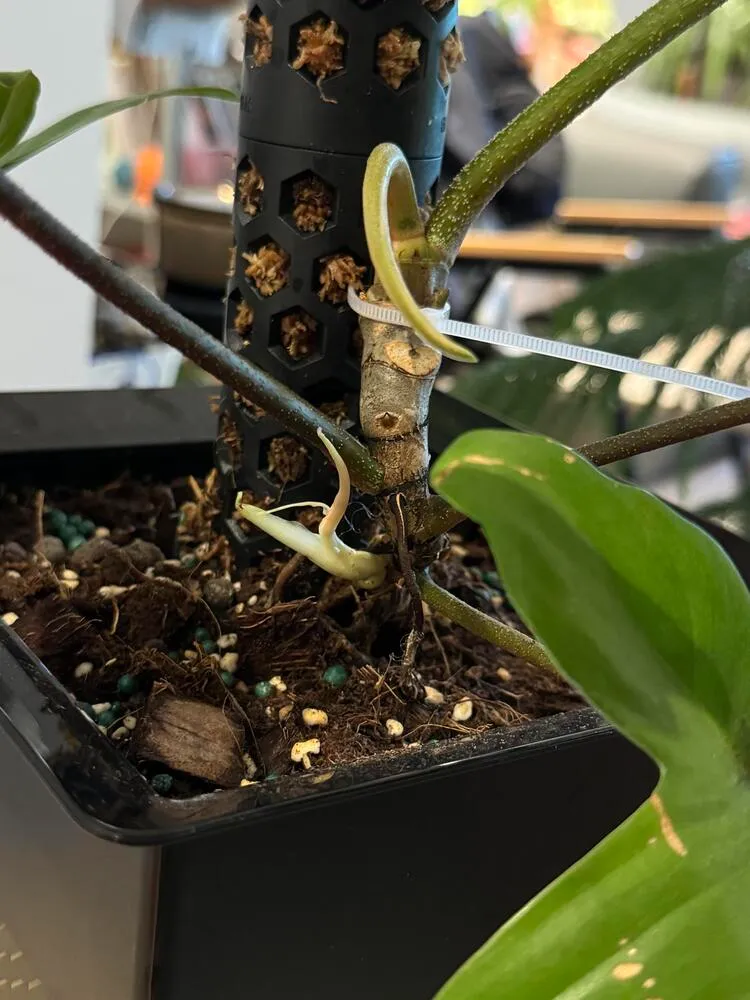
When I finally repotted the plant and refreshed the soil, the growth slowly resumed. However, the new leaves that appeared afterward were noticeably smaller than the earlier ones. The plant had clearly gone through a recovery phase.
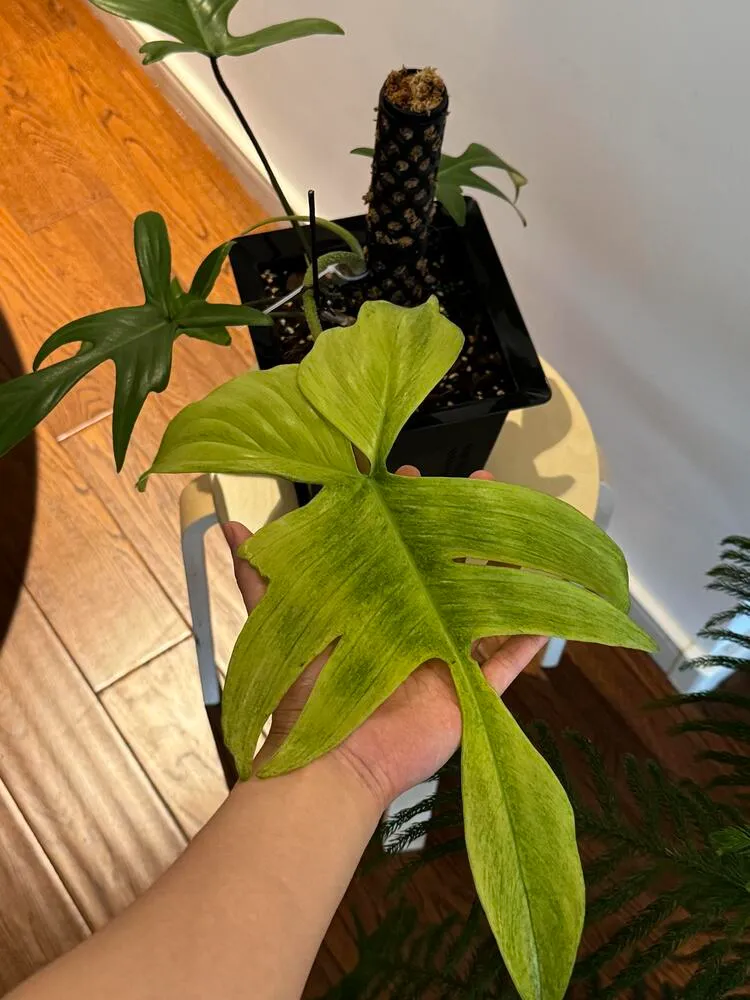
Looking back, this case showed how philodendron leaves turning yellow can sometimes be linked to root suffocation rather than simple overwatering. When the root zone stays constantly wet and poorly aerated, the plant may respond by dropping older leaves and redirecting energy toward rebuilding its root system.
What I Learned About Yellow Leaves on Philodendrons
After dealing with several situations where philodendron leaves turning yellow caught me off guard, I realized that the symptom itself is often misleading. Yellow leaves don’t always mean the plant is dying — they usually signal that something in the environment has changed.
Looking back at these experiences, a few patterns became clear.
First, winter is a sensitive period for philodendrons. When temperatures drop and growth slows down, plants recover much more slowly from stress such as repotting or root disturbance.
Second, root conditions matter more than pot size. Even if a plant looks crowded, disturbing the roots during a low-growth season can easily trigger yellowing leaves and stalled growth.
Third, cold stress is often underestimated. Indoor temperatures that still feel comfortable for people can already be close to the lower limit for tropical plants, especially for varieties with thinner or lighter-colored leaves.
Finally, overly wet soil is often more dangerous than slightly dry soil. Philodendrons store moisture in their stems and petioles, which means they usually tolerate mild dryness better than constantly wet roots.
Because of these lessons, my winter care routine has become much simpler. I avoid repotting unless absolutely necessary, water much more conservatively, and focus on keeping the environment stable rather than trying to push growth.
In many cases, preventing yellow leaves on philodendron plants is less about doing more and more about avoiding unnecessary stress during the colder months.
FAQ
Still not sure what your philodendron is telling you?
Yellow leaves are only one of the signals these plants give. If you’re also noticing curling leaves, drooping stems, or slow growth, I’ve collected the most common indoor philodendron problems — along with the changes that helped my plants recover.
Go to Problems Hub →