Philodendron Care: What Actually Matters for Healthy Indoor Growth
Philodendrons are often described as easy houseplants, but that only tells part of the story. Many do adapt well indoors, but they do not all behave the same way, and the care mistakes that slow them down are often more about rhythm and setup than about “difficulty.”
Light, watering habits, soil structure, and growth habit all affect how a philodendron grows. A trailing type, a climbing type, and a more upright self-heading plant may all belong to the same genus, but they often respond differently to the same conditions.
This page brings together my philodendron care guides in one place, organized by topic rather than by generic advice. If you are trying to understand what actually matters — and which problems usually start with the basics — this is where I would begin.
Watering
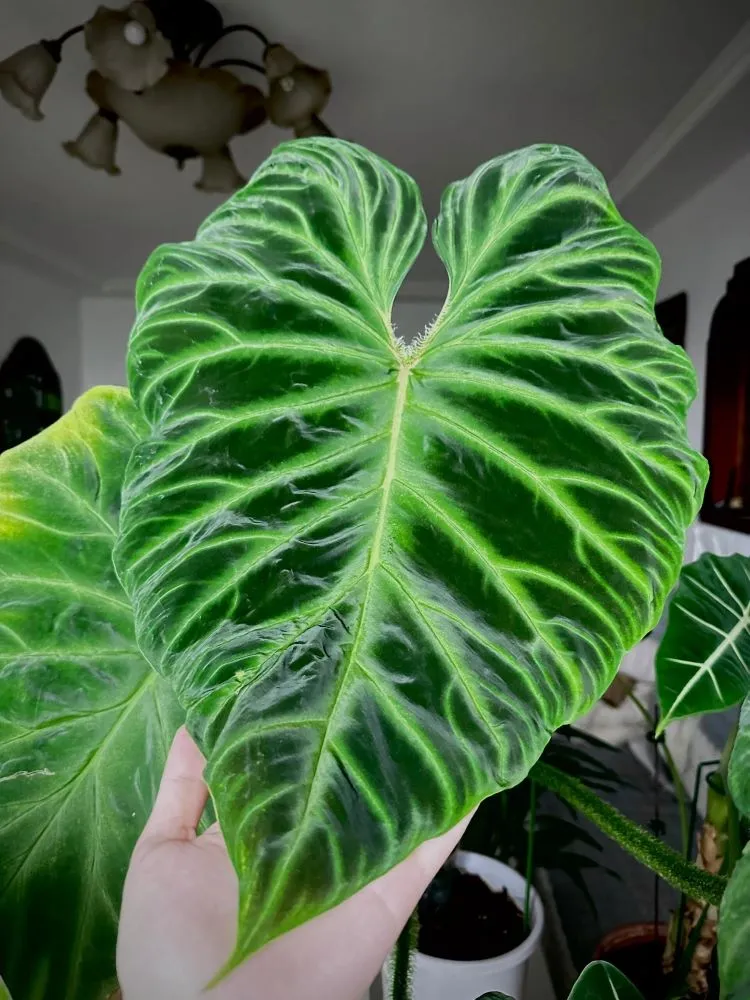
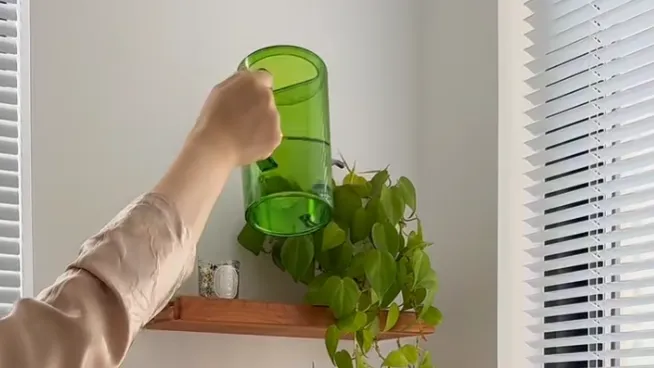
Watering is probably where philodendrons get misunderstood the most. A lot of people assume these plants want to stay evenly moist all the time, but in my experience, more problems start from watering too early than from waiting a little longer. What matters most is not a fixed schedule, but how the pot actually dries in your home.
Light
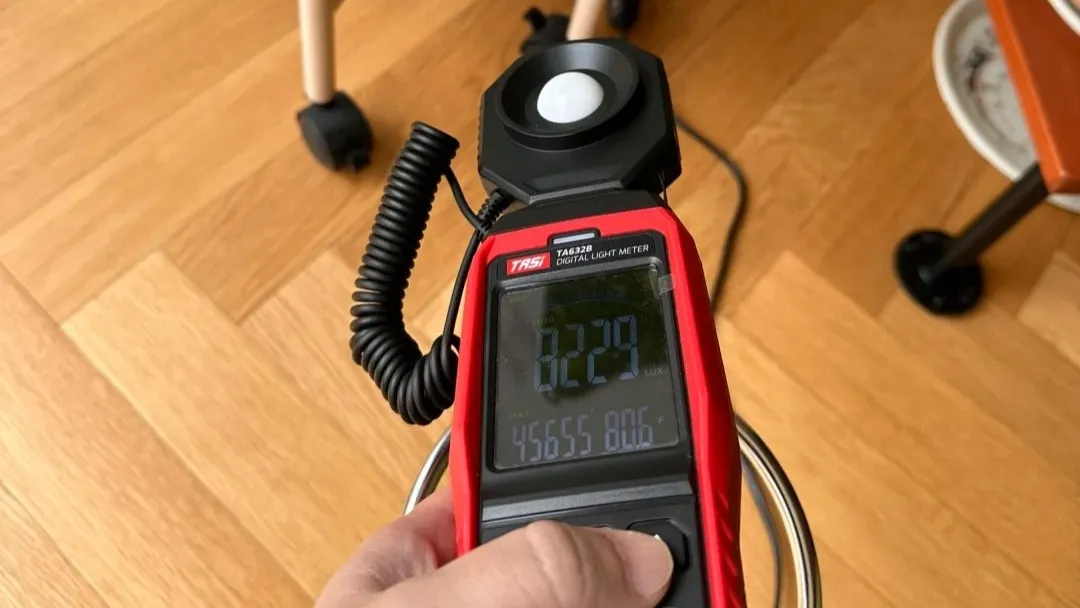
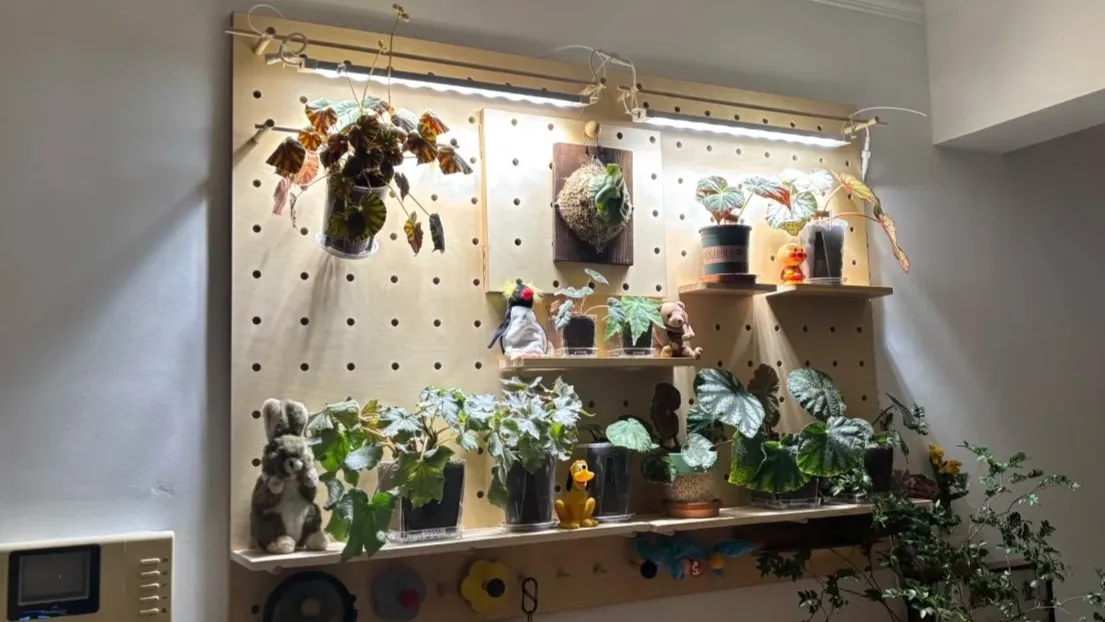
Light is one of the biggest reasons philodendrons can look “fine” for a long time without really growing well. Many types will tolerate average indoor light, but tolerance is not the same as thriving. Weak light often shows up slowly — smaller leaves, longer internodes, duller color, and weaker overall momentum.
Soil
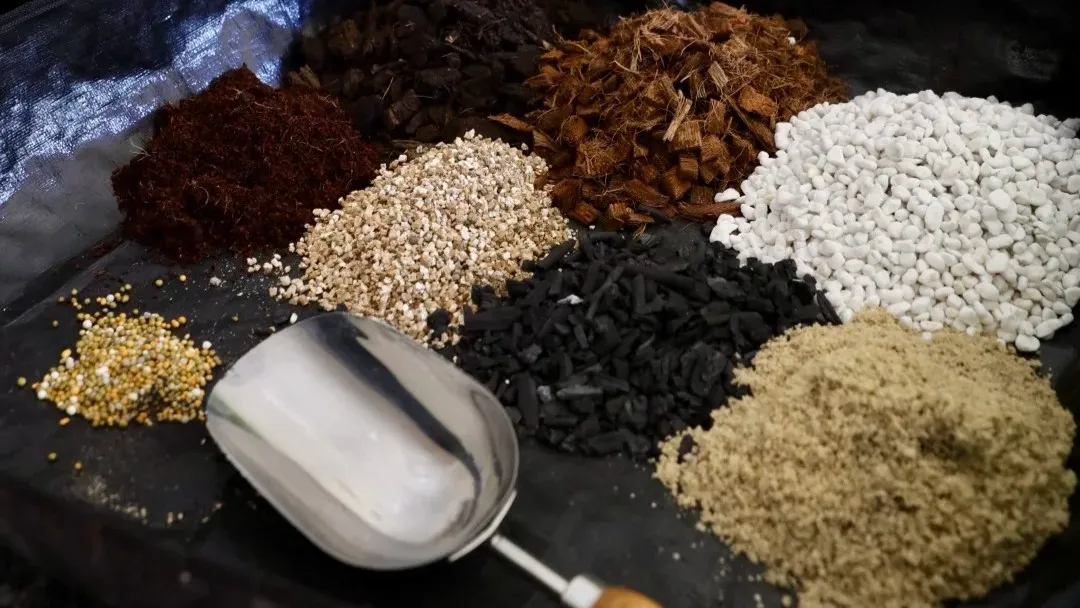
Soil makes a huge difference with philodendrons because it changes how easy the plant is to read. A mix that stays dense too long can make watering feel risky, while a mix that is too chunky can dry faster than many indoor growers expect. What I look for is not the most complicated recipe, but a mix that stays airy without becoming hard to manage.
Root Health & Recovery
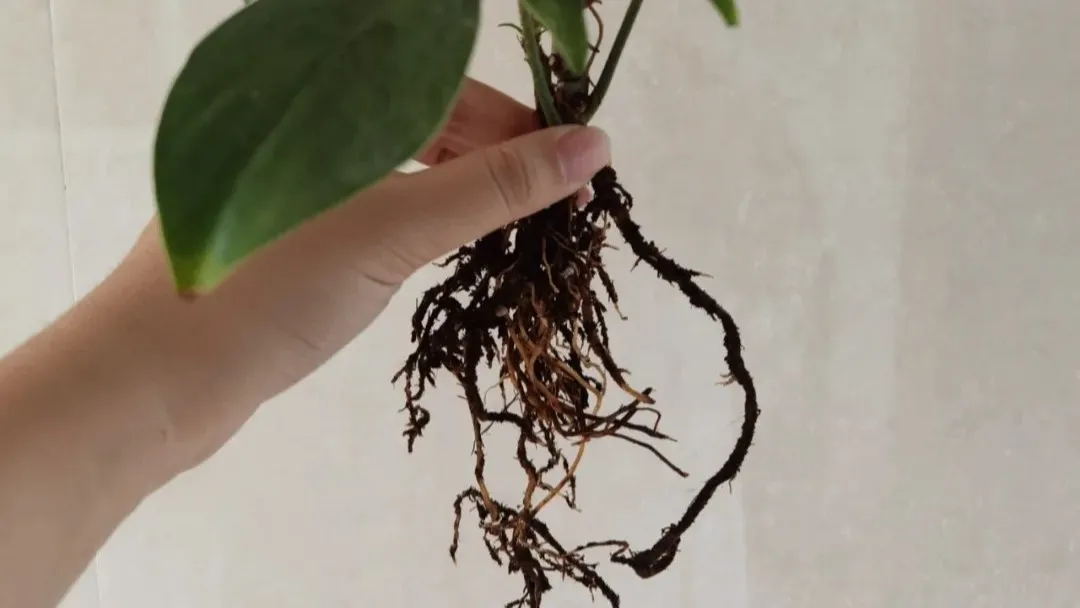
A healthy root system is what makes everything else work. When a philodendron stays wet too long, struggles in dense soil, or keeps declining without obvious leaf clues at first, the real issue is often happening below the surface. This section is for one of the most common hidden setbacks indoors: early root rot, what it looks like, and what I do when I catch it in time.
Moss Poles & Support
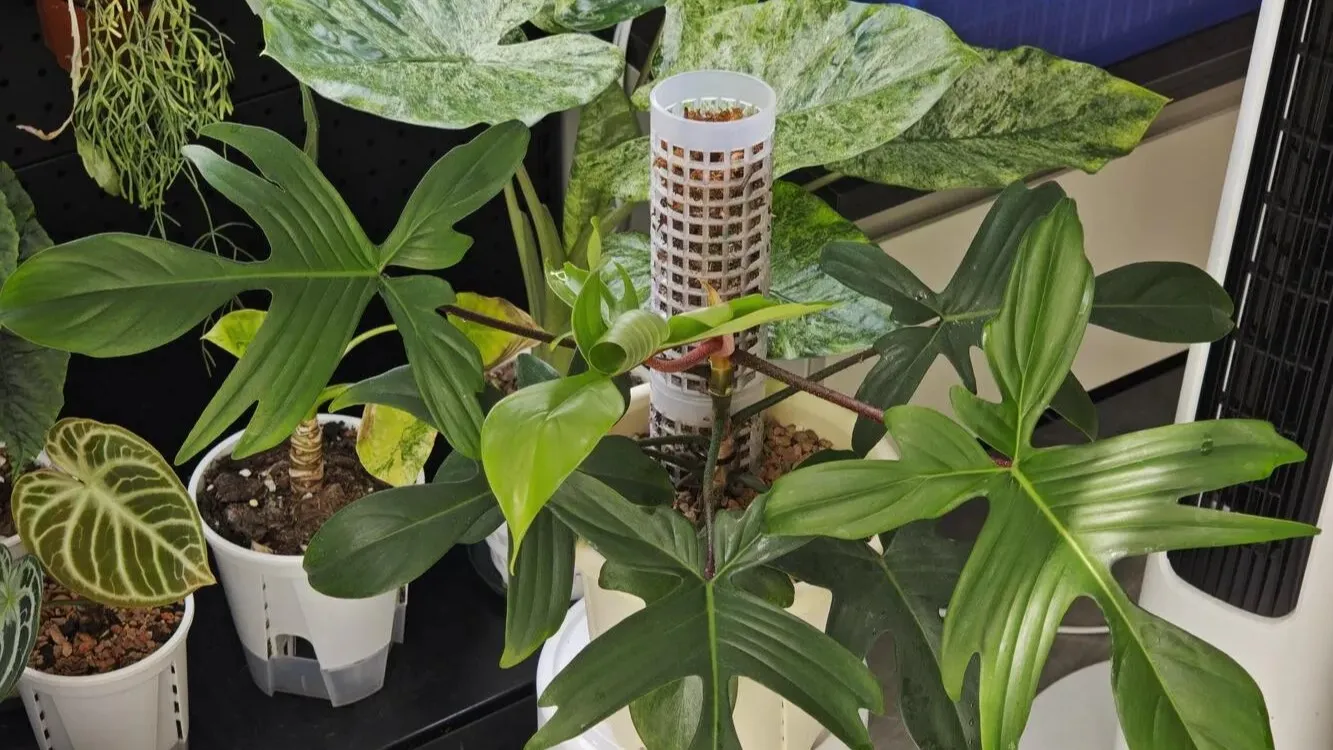
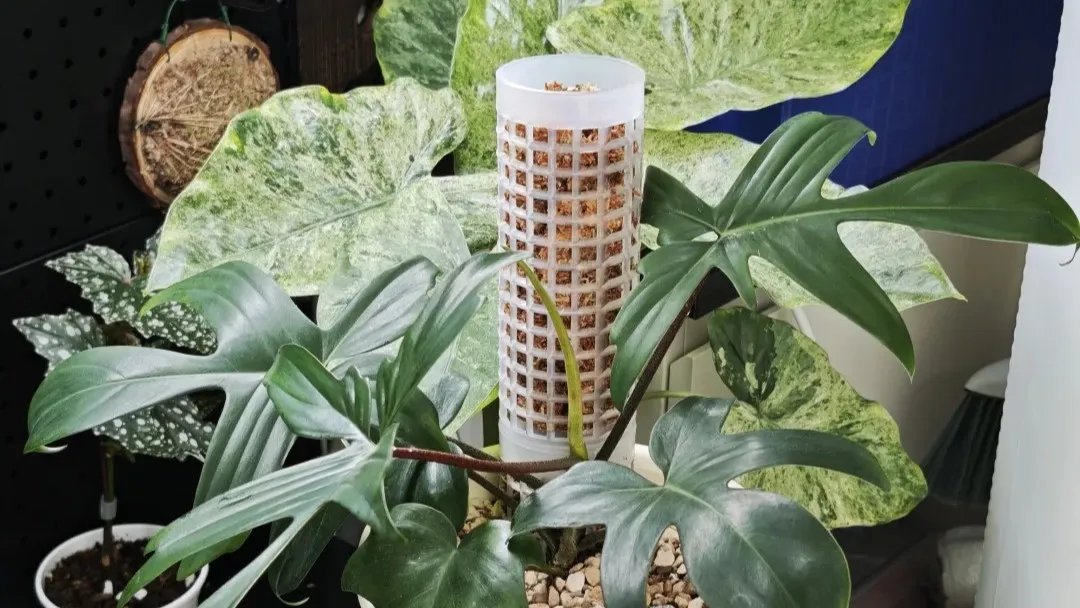
Not all philodendrons need support, but climbing types usually grow very differently once they have something to attach to. A moss pole can change direction, leaf size, and overall structure, but only when the setup makes sense for the plant. This section focuses on when support helps and how I handle it in practice.