Do Philodendrons Really Need a Grow Light Indoors?
Not all philodendrons need a grow light indoors. In many homes, a plant placed right next to a good window can grow perfectly well without one, especially if it is an easier, more tolerant type. So I would not treat grow lights as something every philodendron owner automatically needs.
At the same time, I think indoor light is often much weaker than people realize. A room can feel bright to us and still be far too dim for a philodendron to grow well once the plant is moved away from the window, which is why how much light philodendrons really need is easy to underestimate. That is where a lot of confusion starts. The question is usually not whether the plant can stay alive, but whether it can keep growing in a healthy, attractive way.
That is why I do not see grow lights as emergency equipment for plants that are about to die. More often, they are a practical way to support better growth when the available window light is no longer enough. In real life, the role of a grow light is usually not “save this plant immediately,” but “help this plant keep performing the way I want indoors.”
So my view is simple: grow lights are not mandatory for every philodendron, but they are much more useful than people think in darker homes, weaker seasons, and room placements that look brighter than they really are.
What a Philodendron Usually Does When the Light Isn’t Enough
Signs the Light Is a Little Low
When a philodendron is getting a little less light than it really wants, the plant does not always react in a dramatic way. It may still look alive and generally healthy, but the growth starts losing momentum. New leaves come out more slowly, the color may look weaker or less vivid, and the leaves themselves may begin to come in a bit smaller than before.
This is the stage that is easy to overlook, because nothing looks obviously wrong at first. The plant is still surviving, but it is no longer growing with the same strength. To me, that usually means the light is not terrible, but it is no longer really enough for strong, attractive growth.
Signs the Light Is Truly Too Low
When the light is genuinely too low, the plant usually becomes much easier to read. Growth starts stretching instead of staying compact, and the whole plant may lean hard toward the nearest window as it tries to reach a better light source. At the same time, new growth can slow down so much that weeks or even months pass without anything meaningful happening.
At that point, the plant often stops looking like it is actively growing and starts looking stalled. That is the difference I pay attention to: a philodendron that is just a little slower is one thing, but a philodendron that is stretching, shrinking, and barely moving is usually telling you that the light is no longer enough.
When a Grow Light Actually Helps
When the Plant Is Too Far From a Good Window
One of the most common situations where a grow light helps is when a philodendron is simply sitting too far from a good window. Indoor light drops off faster than many people expect, so a spot that still feels bright to us can be much dimmer for a plant once it is moved deeper into the room. This is especially common with plants placed near sofas, dining areas, or corners that look open and well lit but are not actually close enough to a strong window source.
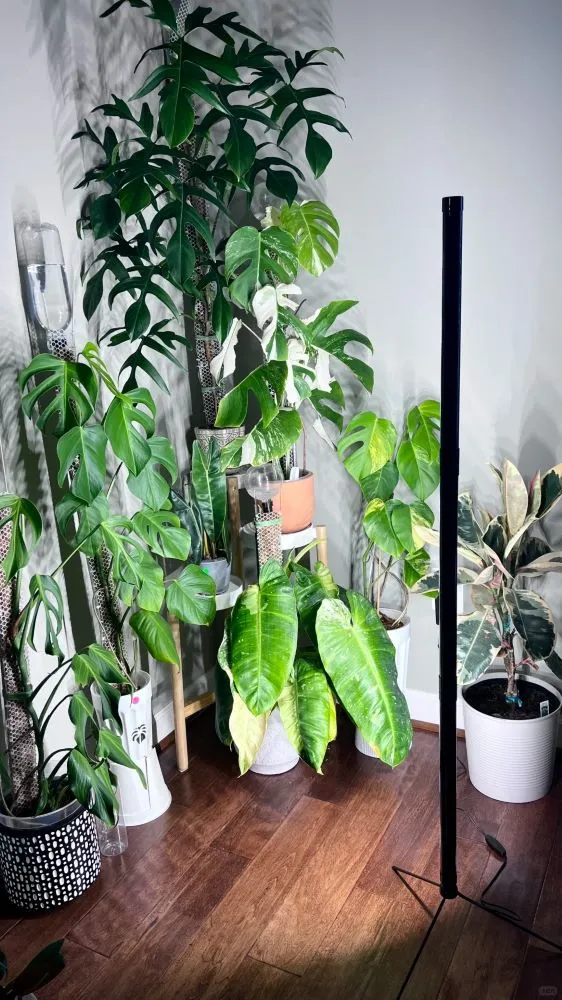
In that kind of setup, a grow light can make a very practical difference. Not because the plant is instantly dying, but because the natural light in that position is often no longer strong enough to support steady growth.
When Autumn and Winter Reduce Window Light Too Much
Another time grow lights become much more useful is in autumn and winter. The daylight period gets shorter, the sun angle drops, and windows that worked reasonably well in summer may no longer provide enough usable light for the same level of growth.
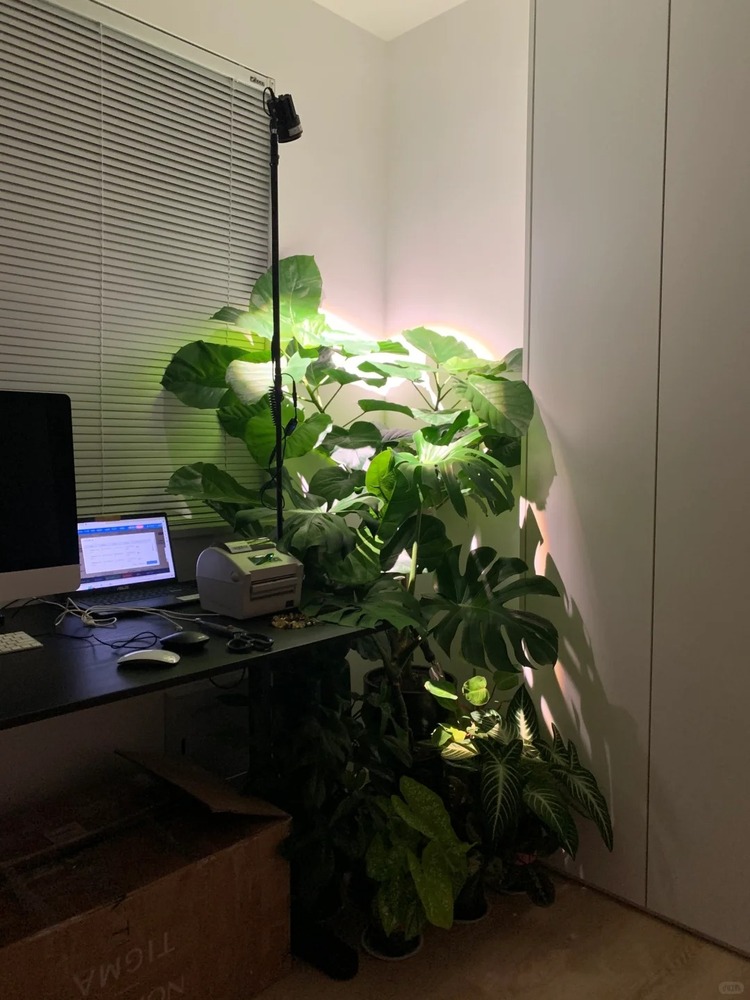
This is when many indoor philodendrons begin to slow down more than people expect. A plant that was putting out leaves normally in summer may suddenly stop moving for weeks. That does not always mean something is seriously wrong. Sometimes it simply means the window light that carried the plant before is no longer doing enough.
When a Plant Is Alive but Stalled
This is probably the situation where I find grow lights most useful. A philodendron may still look alive, hold onto its leaves, and not show obvious signs of collapse, but it also does not really do anything. It just sits there for a long time without pushing new growth.
That kind of stalled plant is much more common indoors than a plant that is clearly close to dying. And in my experience, it is exactly the kind of situation where extra light can help the most. A grow light often matters more for restarting momentum than for rescuing a plant in total decline.
When You Want Active Growth, Not Just Survival
A grow light also helps when your goal is not just keeping a philodendron alive, but actually keeping it attractive and growing well. Many philodendrons can survive in less-than-ideal indoor light for a long time, but they may stop producing strong new leaves, lose some of their color quality, or grow in a looser, weaker way over time.
If you want continued leaf production, better color, or a more compact and vigorous-looking plant, that is when a grow light becomes much more worthwhile. In other words, the question is often not whether the plant can survive without one. It is whether the plant can keep growing the way you actually want it to.
Which Philodendrons Are More Likely — or Less Likely — to Need Extra Light
More Likely to Benefit From Extra Light
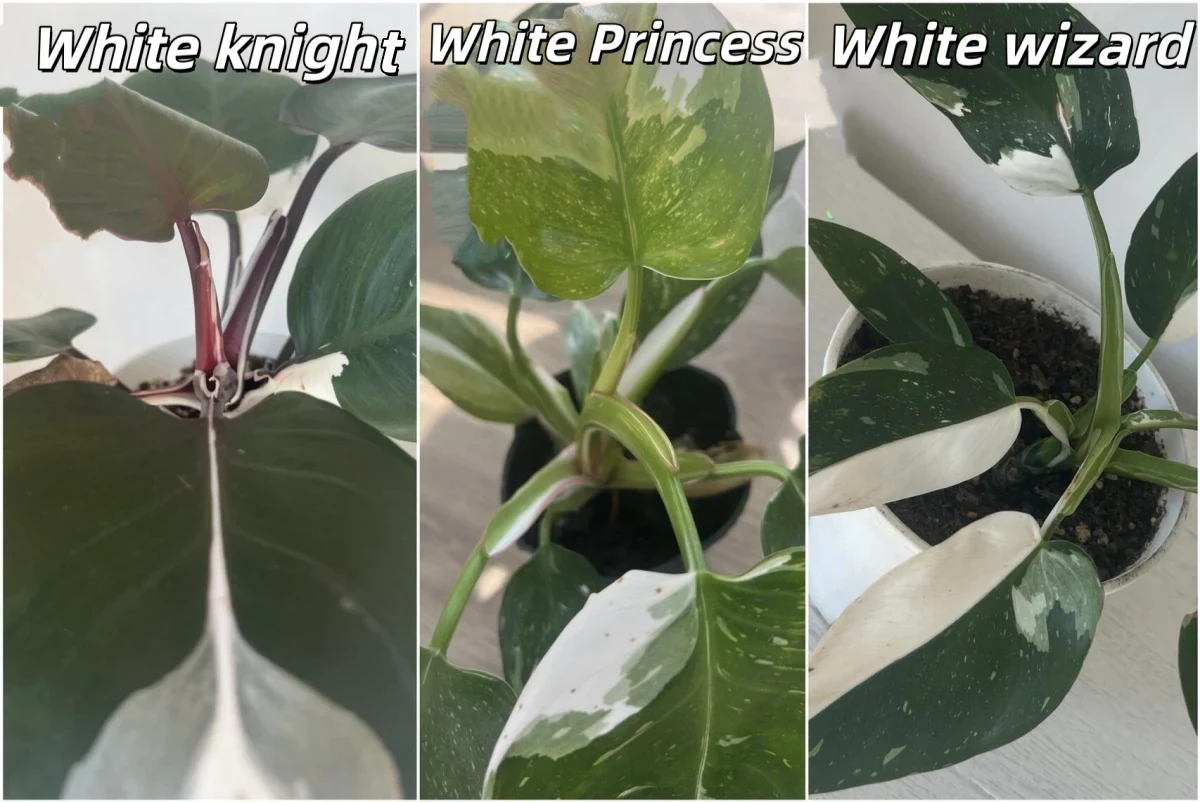
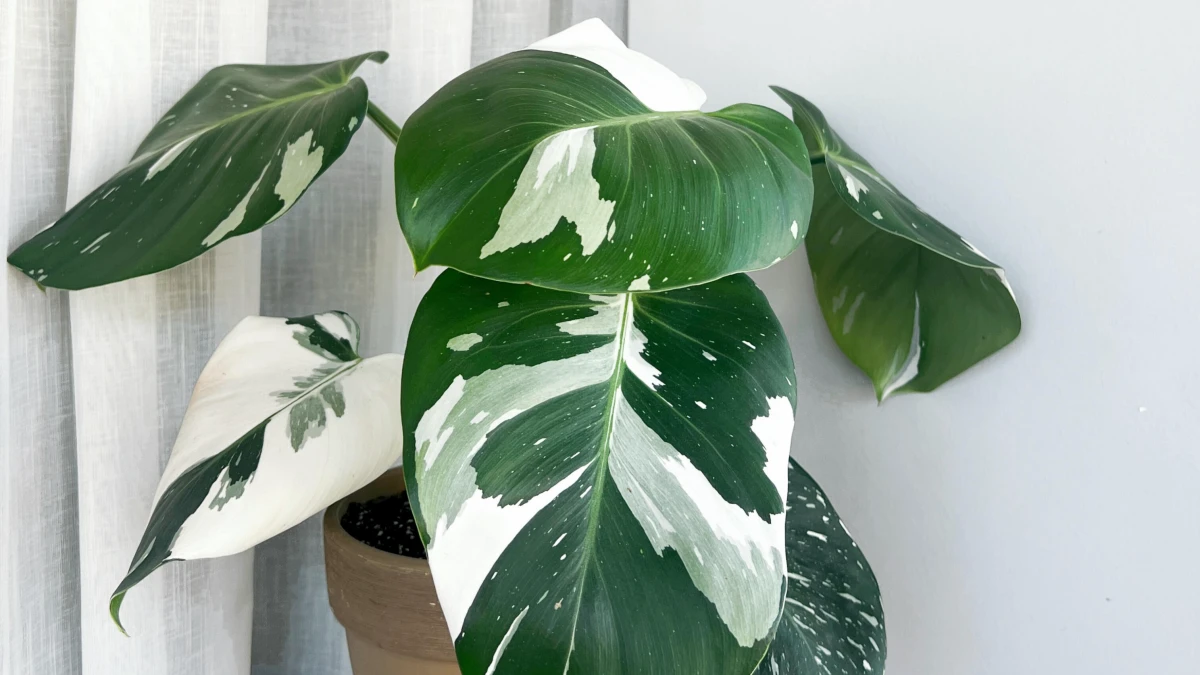
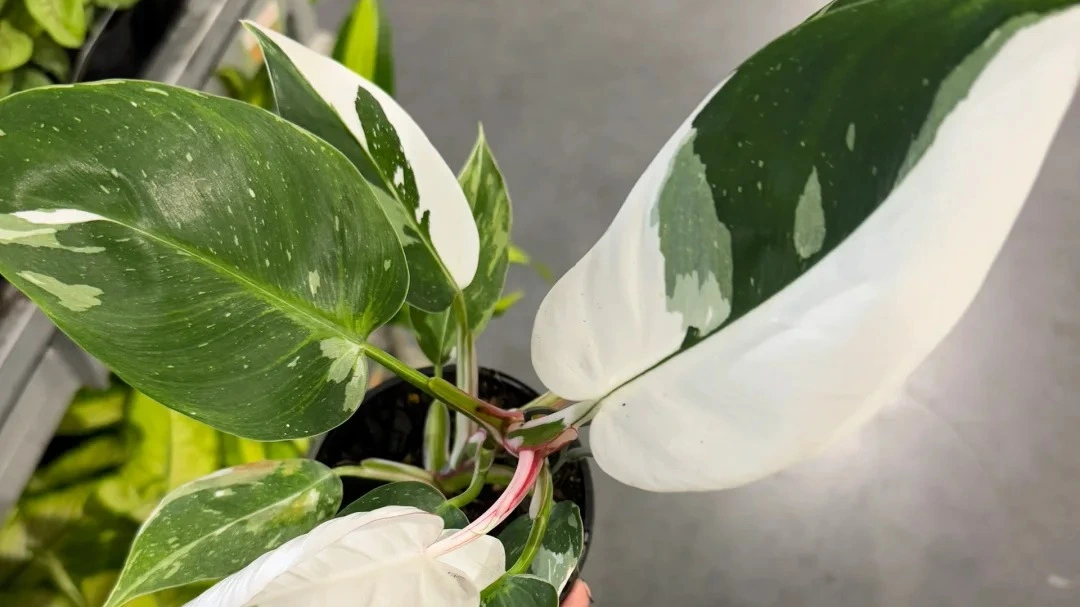
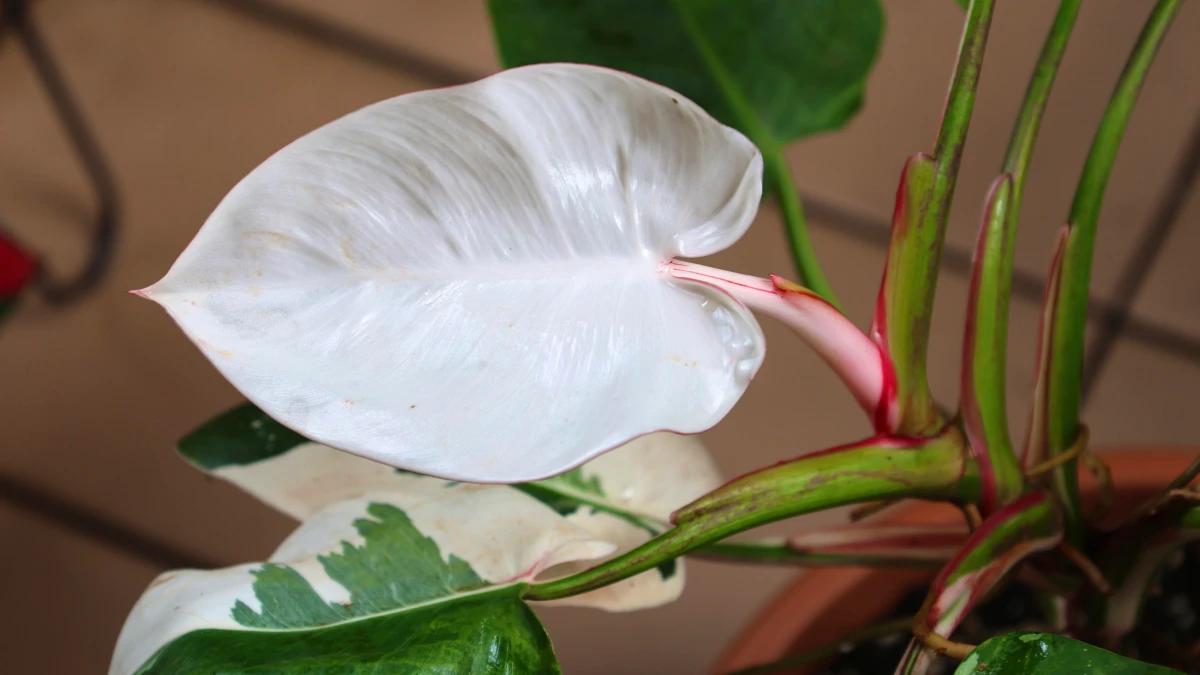
Some philodendrons benefit from extra light much more noticeably than others. Variegated or color-sensitive types are a good example, because their appearance depends more heavily on strong, consistent light. If the light drops too much, the plant may still stay alive, but the color usually becomes less impressive and the whole plant can lose some of what made it attractive in the first place.
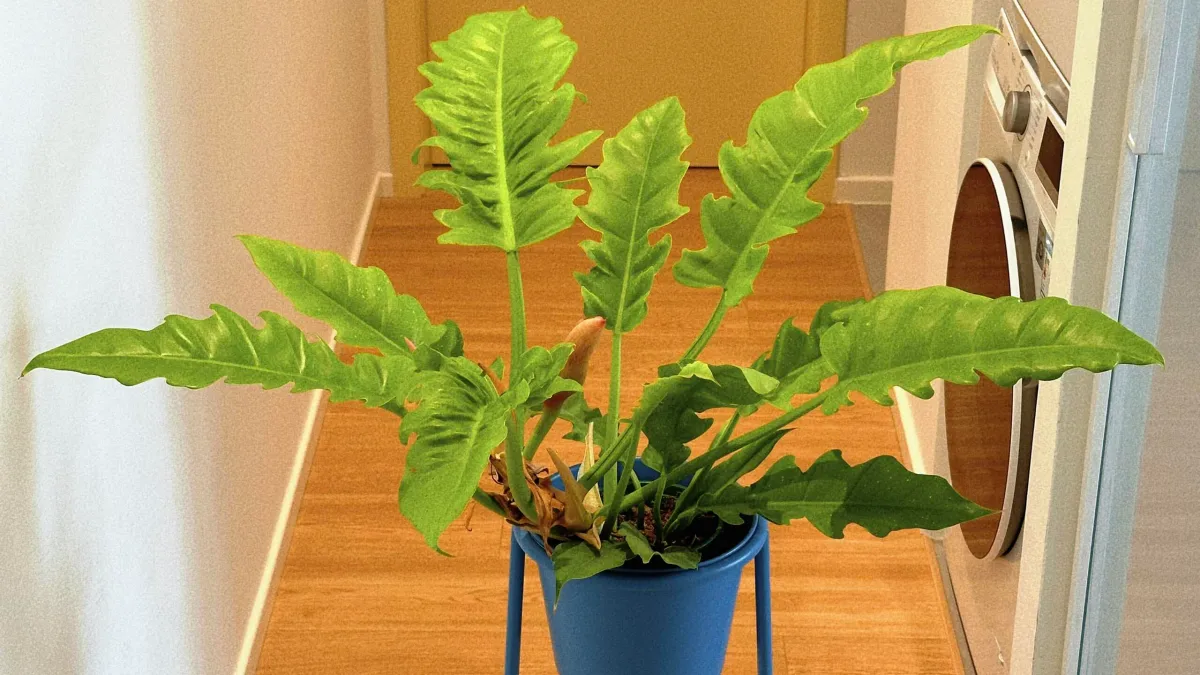
Climbing philodendrons can also benefit a lot when you want them to size up properly indoors. That is especially true for plants like Billietiae. If your goal is larger leaves, stronger upward growth, and a more mature-looking plant, extra light often helps support that process much better than a dimmer room can. The same is true for varieties where compact growth matters. Some philodendrons may technically survive in weaker light, but they stop looking tight, full, and well-shaped when the available light is no longer enough.
Less Urgent if Placed Well
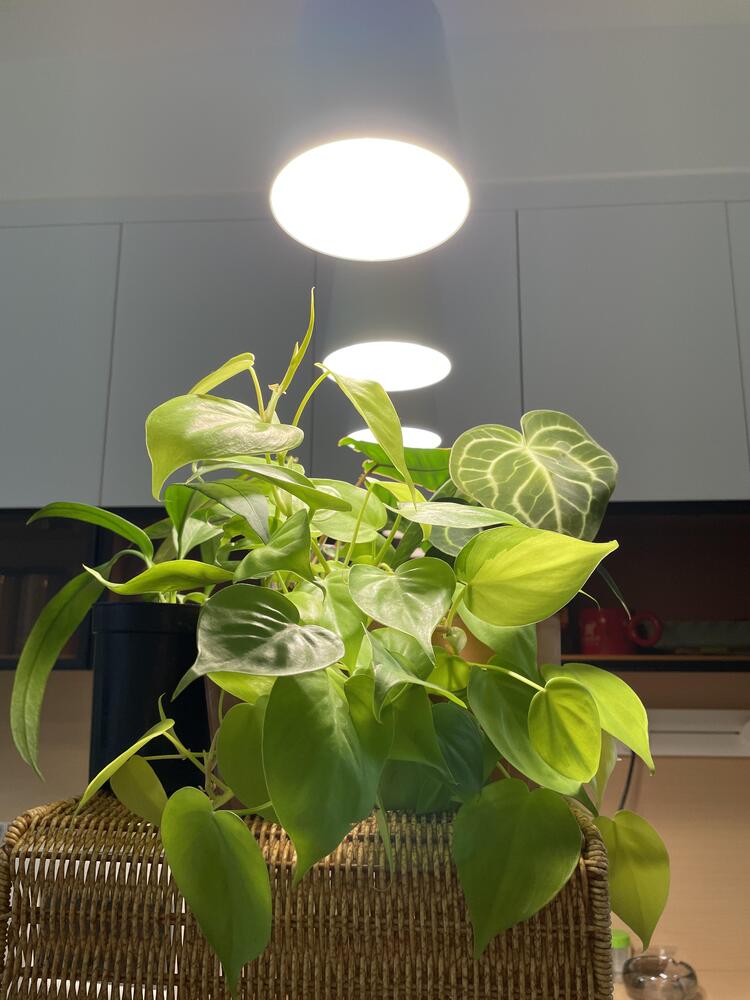
On the other hand, not every philodendron urgently needs extra light, especially if it is already sitting in a strong window position. Easier green trailing types like Brasil are often more tolerant of ordinary indoor conditions than color-sensitive or structure-dependent varieties. If they are near a bright window and still growing steadily, there may be no real reason to add a grow light just for the sake of it.
That is also true for many philodendrons that are already doing well in their current placement. If the plant is producing normal new leaves, holding its color reasonably well, and not stretching or stalling, I would not assume extra light is necessary. A grow light is most useful when the plant is clearly asking for more than the room is providing, not simply because it is a philodendron indoors.
How I Decide Whether a Philodendron Really Needs a Grow Light
First I Look at Placement
The first thing I look at is where the plant actually sits. Window direction matters, but so does distance. A philodendron right beside a bright south- or east-facing window is in a very different situation from one that sits two meters away in the same room. I also pay attention to anything that cuts light down further, such as trees outside, nearby buildings, screens, curtains, or the plant being placed deeper into the room than it first appears.
This step matters because many lighting problems start with placement, not with the plant itself. Sometimes the answer is not “this species needs a grow light.” Sometimes the answer is simply “this spot is much dimmer than it looks.”
Then I Look at the Plant
After that, I look at how the plant is actually responding. Are the new leaves getting smaller? Is the growth stretching instead of staying compact? Is the color becoming weaker or less defined? Has the plant been sitting there for weeks or months without doing much at all?
Those signs tell me much more than the species name alone. A philodendron that is still pushing normal leaves and holding its form reasonably well may not need extra light, even if the room is not perfect. But a philodendron that is shrinking, stretching, or clearly stalled is telling me that the current setup is no longer enough.
Then I Ask What I Actually Want
The last question is what I want from the plant. If I only want it to stay alive and more or less hold together through winter, that is one standard. If I want active growth, stronger color, larger leaves, or a more attractive shape, that is a different one.
This is the part people often skip. A philodendron may survive without a grow light and still not be getting enough light to perform the way you actually want. So for me, the final decision is never just about whether the plant can live there. It is about whether that setup matches the result I am trying to get.
What I Want in a Grow Light for Home Use
A Timer Matters
For me, consistency matters more than occasionally blasting a plant with extra light for too long. A timer makes that much easier. If the light turns on and off at the same time every day, I am much more likely to use it well over the long term than if I have to remember it manually.
Adjustable Positioning Helps
I also want a light that is easy to reposition. The angle and distance matter more than people sometimes expect, especially as the plant grows or shifts shape over time. A light that can be moved or redirected easily is much more practical at home than something fixed in one awkward position.
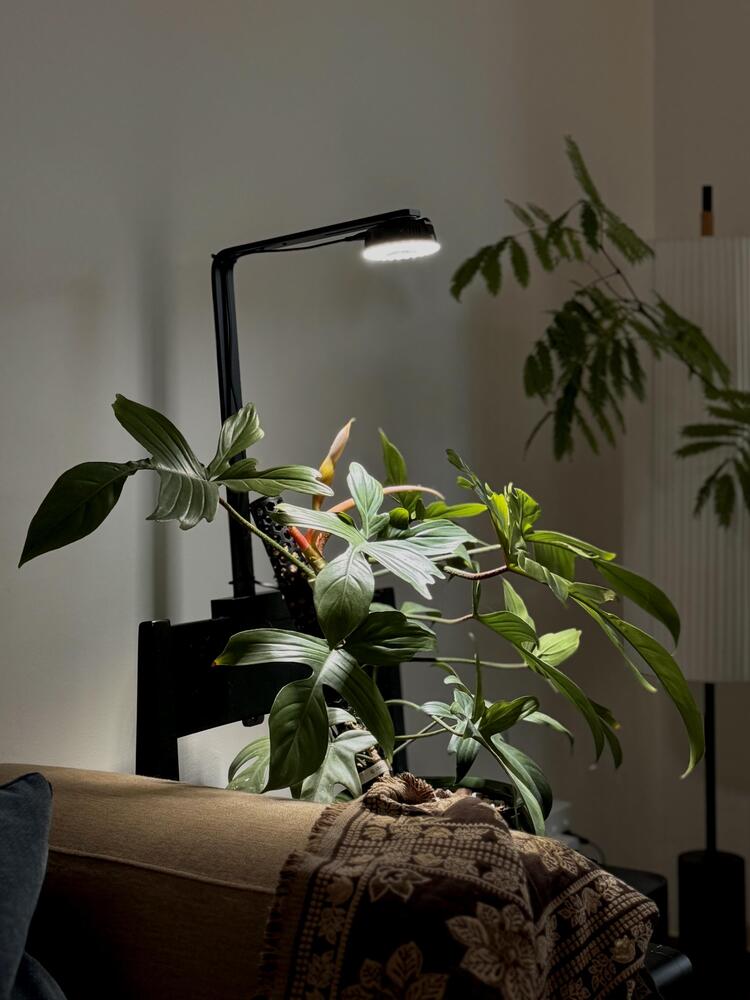
White Full-Spectrum Light Is Easier to Live With
For home use, I strongly prefer a white full-spectrum light over the purple or red-blue style that makes a room look artificial. It is easier on the eyes, fits better into a normal living space, and feels much less intrusive if the light is going to be part of the room for months.
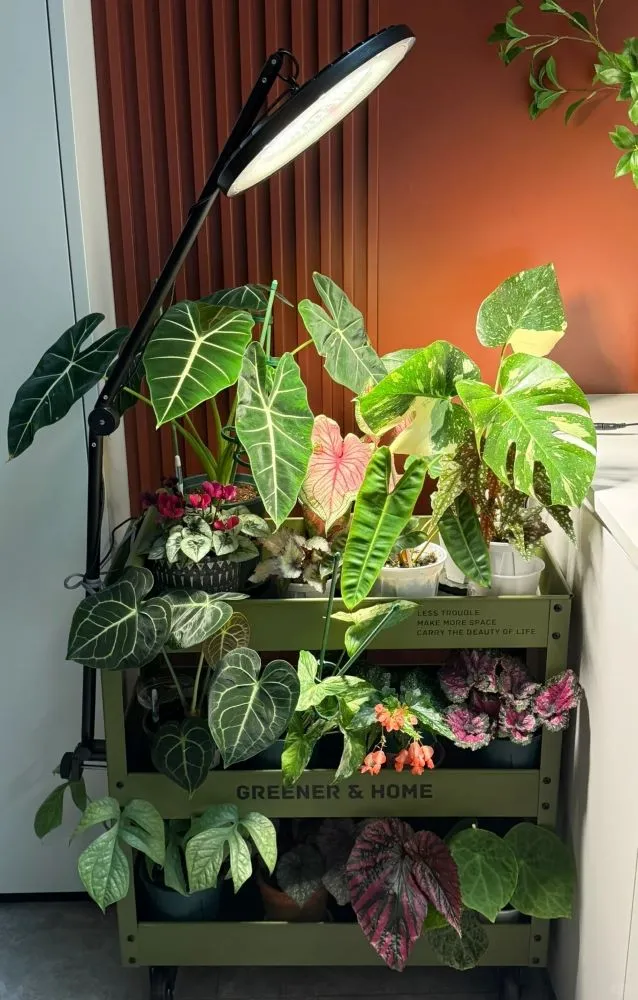
Safety Still Matters
And even though this is not the most exciting part, safety still matters. If a grow light is going to run regularly indoors, I want something that feels stable, reliable, and appropriate for long-term home use. Fancy features matter much less to me than a light that I can use consistently without worrying about it.
So, Do Philodendrons Really Need a Grow Light?
Not always. Many philodendrons can survive indoors without a grow light, especially if they are placed right next to a good window and are naturally more tolerant types. But survival is not the same as strong, attractive growth, and that is where I think the real difference starts to show.
In many homes, the bigger issue is not that philodendrons are unusually difficult. It is that indoor light often falls short once the plant is moved away from the window, winter light weakens, or growth has already started to stall. In those situations, a grow light can make a very real difference.
So my view is simple: better placement should always come first, but a grow light is often the most practical next step when placement alone is no longer enough. It is not something every philodendron owner must have, but it is much more useful than people think when the goal is continued growth, not just basic survival.
FAQ
Still exploring philodendron care?
If you’re comparing care routines, common problems, or indoor growing conditions, my main philodendron care page is the best place to keep exploring. It brings together the most useful guides in one place.
Go to Care Hub →