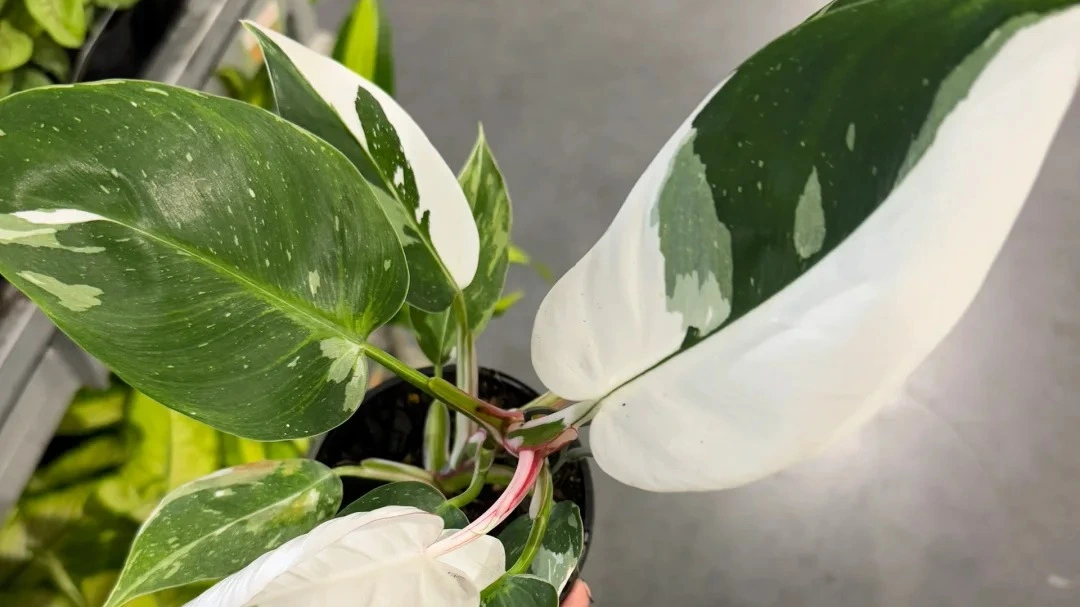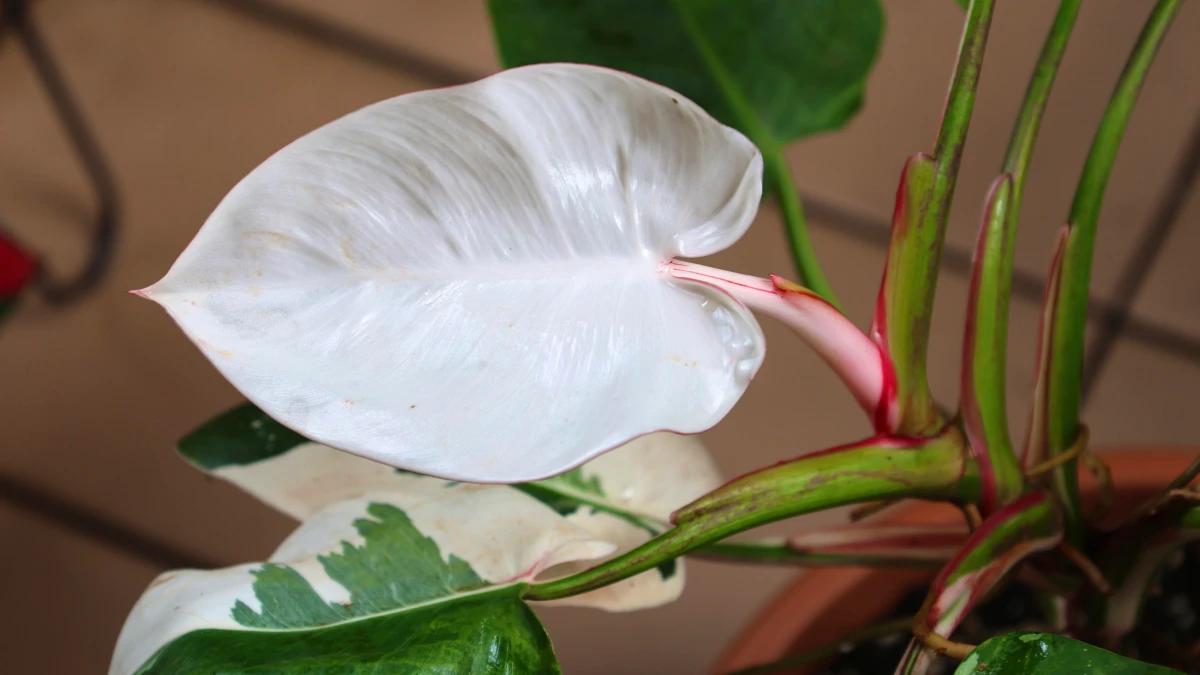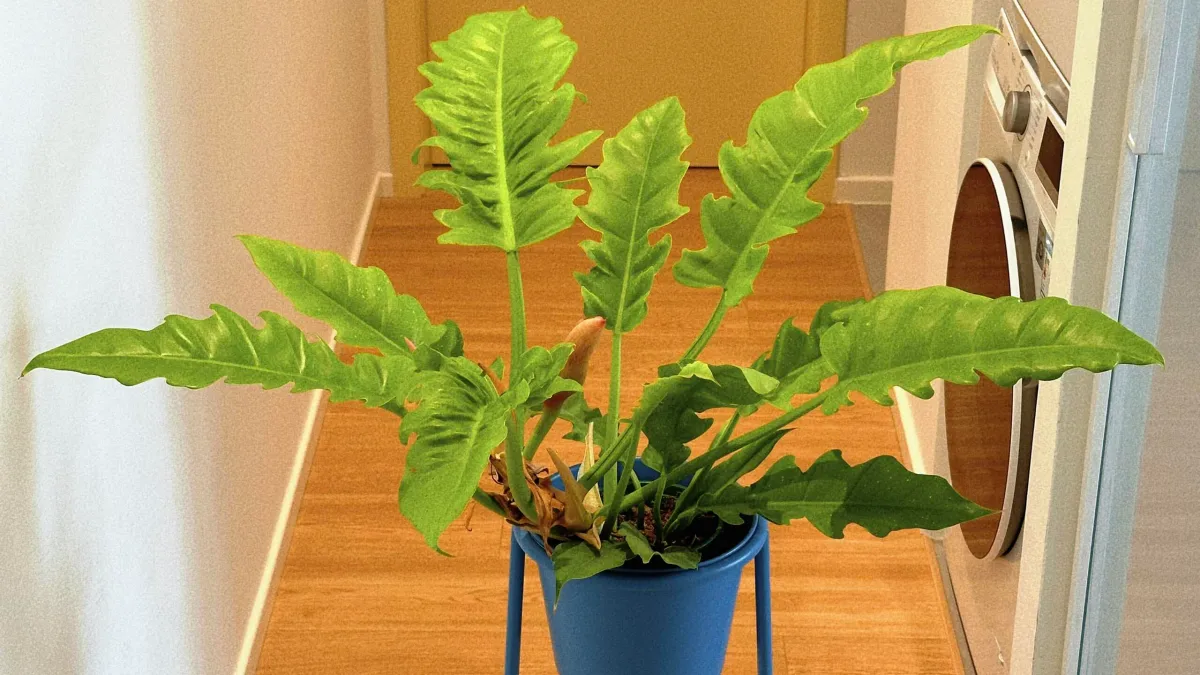
Philodendrons are often described as easy houseplants, especially when it comes to watering. But in my experience, that description can be a little misleading. The difficult part is not pouring water into the pot. The difficult part is knowing when the plant is actually ready for it.
A lot of philodendron problems are blamed on underwatering, but I’ve found that many of them start because the plant is watered too soon, not too late. The surface may look dry, the leaves may seem slightly off, and it becomes tempting to water again before the root zone has really had time to dry down enough.
Over time, I stopped thinking about philodendron watering as a fixed routine and started treating it more like a timing issue. For me, proper watering is less about keeping the soil constantly moist and more about learning how to tell when the pot is truly ready for a thorough drink.
If I had to reduce my philodendron watering routine to one principle, it would be this: don’t water just because the surface looks dry.
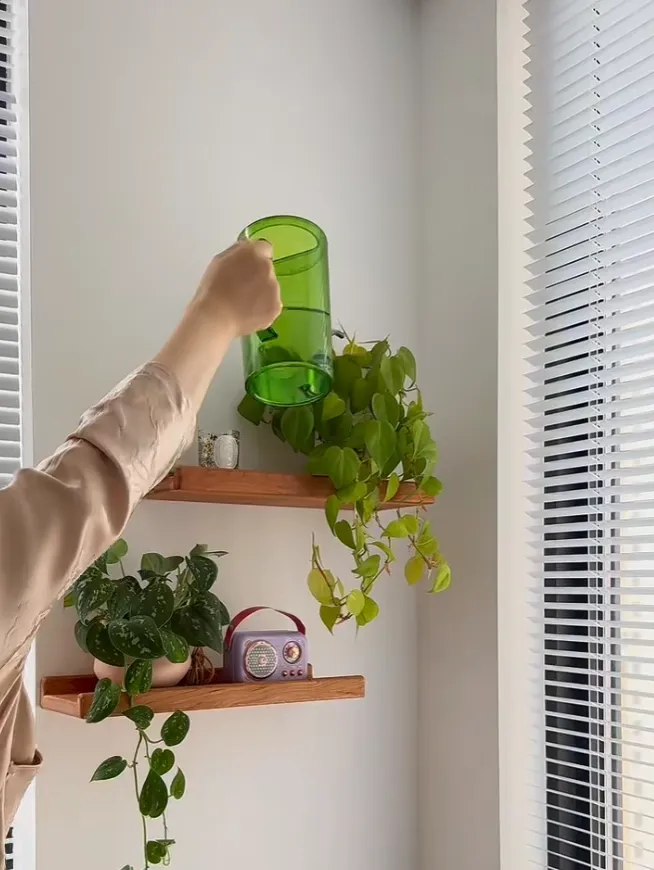
Why I Stopped Watering Just Because the Surface Looked Dry
The biggest shift in how I care for philodendrons was realizing that watering is often less about knowing when to add water and more about knowing when to hold back.
A lot of care advice makes watering sound simple: if the surface looks dry, water again. But in practice, that’s where many problems begin. The top layer of potting mix usually dries first, especially when the mix is airy or the room has decent airflow. That doesn’t automatically mean the entire root zone is ready for more water.
This matters because philodendrons usually cope better with a short dry period than with roots that stay damp for too long. When the mix stays wet deeper down, watering again too soon can keep the root zone in a constantly moist state. That’s when growth can become uneven, older leaves start showing stress, and the plant becomes harder to read overall.
What made the biggest difference for me was learning to separate surface dryness from actual dryness deeper in the pot. Once I stopped treating those as the same thing, my watering decisions became much more consistent.
Since then, I’ve stopped thinking of philodendron watering as “keeping the soil evenly moist.” For me, it’s more about avoiding the urge to water before the pot is truly ready.
What Changed My Watering Routine
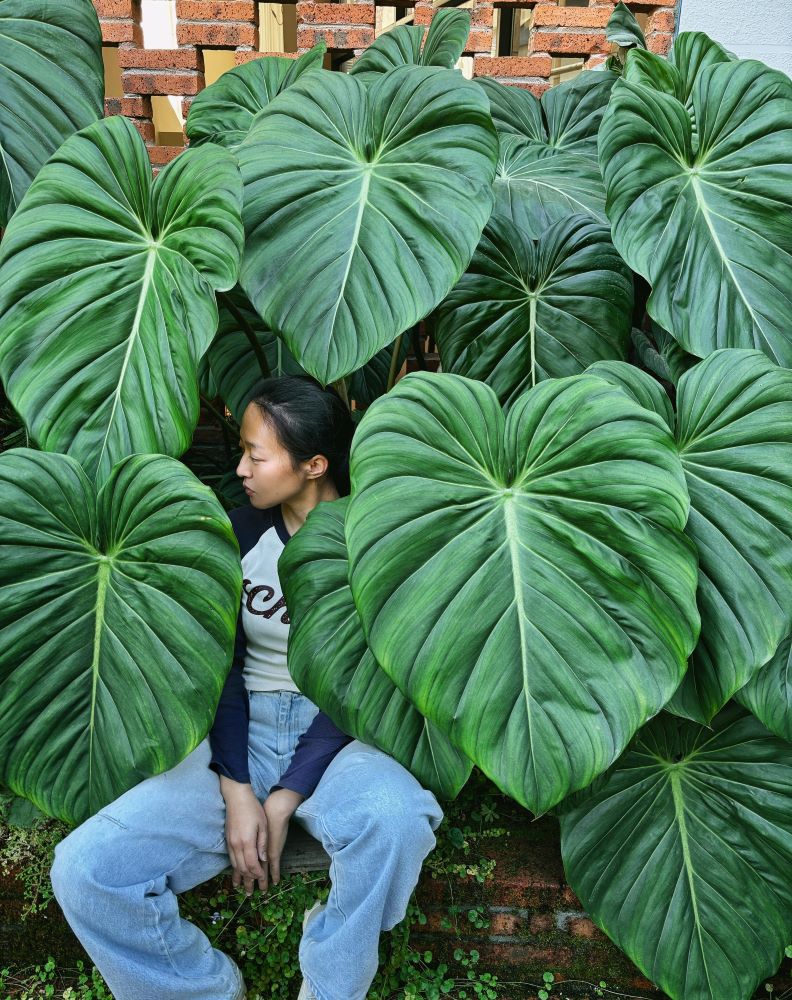
One of the clearest watering lessons I learned came from a velvet-leaf philodendron that reacted badly to the way I was watering it when it first arrived.
At the beginning, I wasn’t sure how much moisture it actually wanted. The leaves looked soft and delicate, so I assumed it would do better if I kept the potting mix from drying too much. For a while, I followed a simple rule: whenever the surface of the mix looked dry, I watered again.
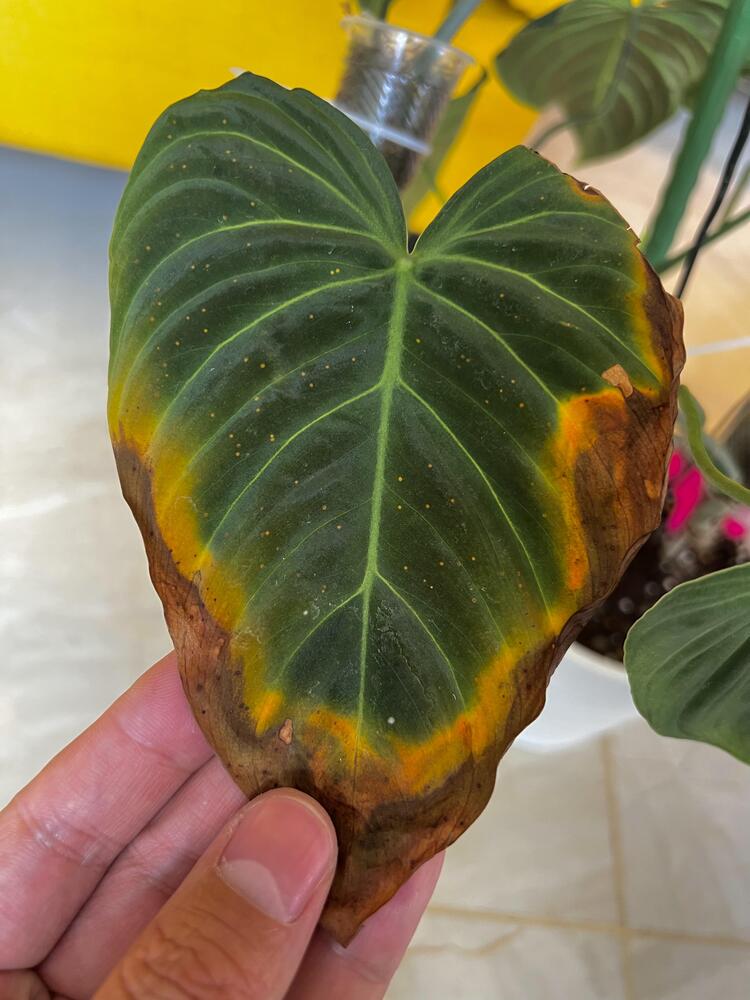
The problem first showed up on an older leaf. The edges started turning brown and crispy, with a yellow band around the damaged area. At first I didn’t immediately think “overwatering,” because the surface was drying between waterings. But the pattern kept making me think the root zone was probably staying moist longer than I realized.
So I changed two things.
First, I stopped using surface dryness as my main signal. Instead of watering as soon as the top layer looked dry, I checked deeper with my finger and waited until the mix felt dry about two finger-depths down.
Second, I simplified the watering method itself. When the plant was actually ready, I watered it thoroughly in one quick pass, letting the water run through the pot and out the bottom. I didn’t soak the pot, and I didn’t water in multiple rounds. One thorough watering was enough.
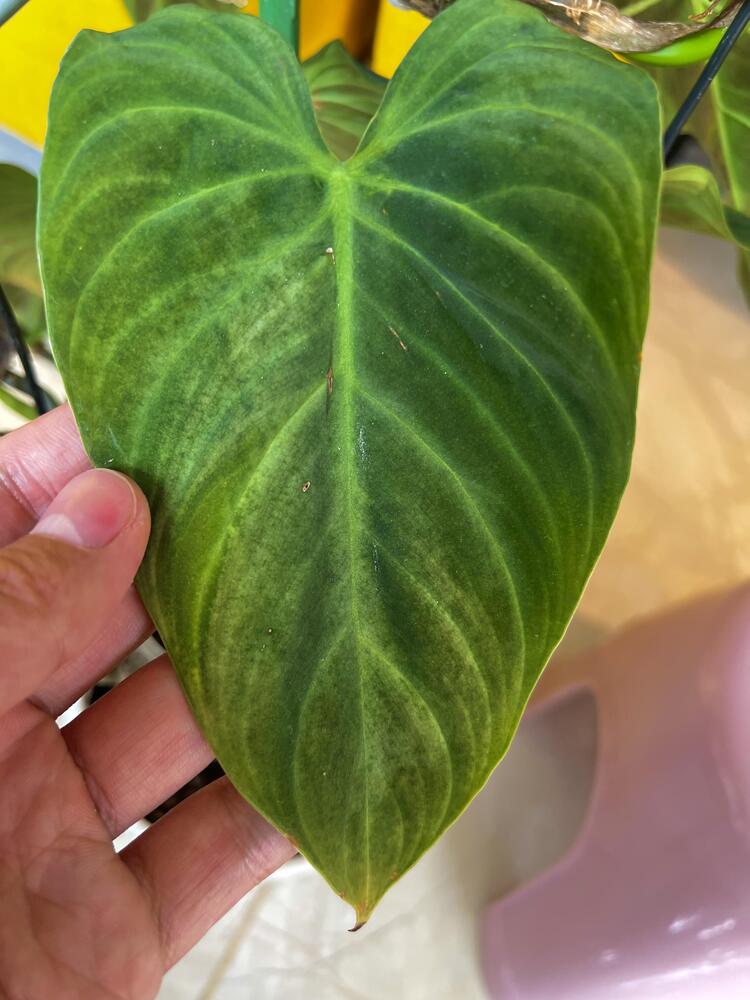
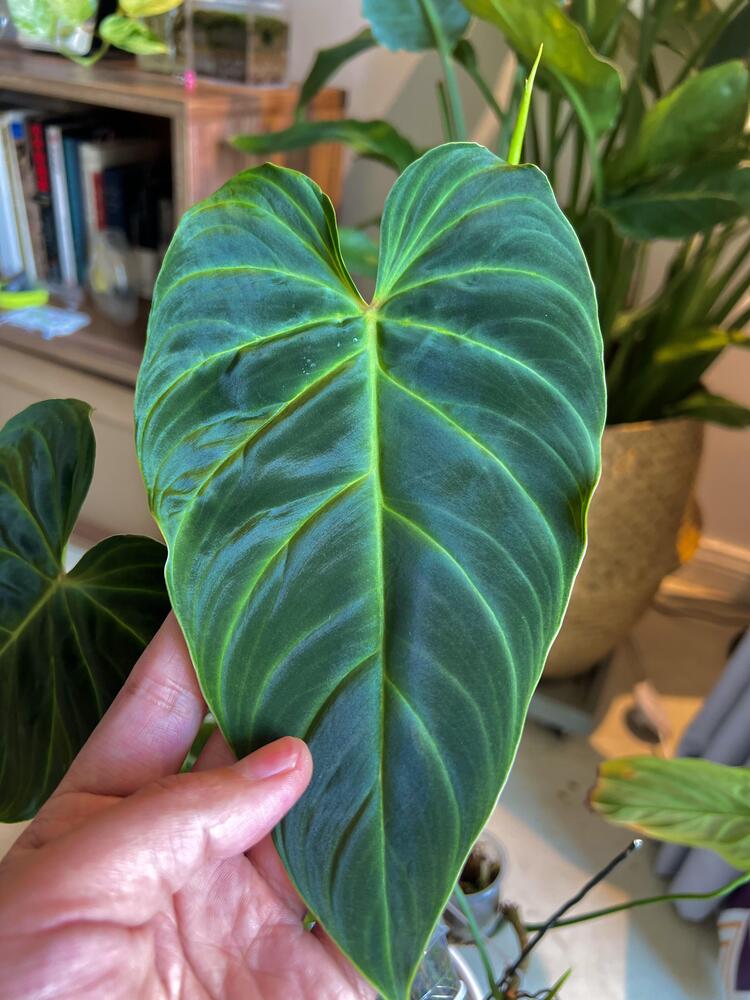
That small adjustment made a noticeable difference. The newer leaves that came in afterward looked much better — flatter, cleaner, and healthier overall. For me, that was the moment when philodendron watering stopped feeling like a vague care rule and started feeling more like a skill: not just how to water, but how to avoid watering too early.
How I Water a Philodendron Now
Step 1: Check the surface, but don’t stop there
I always start by looking at the top of the potting mix, because it gives me a quick first impression. But I never make the final decision there. A philodendron can look dry on top while the mix deeper in the pot is still holding enough moisture around the roots.
For me, the surface is just a signal to check more closely, not proof that the plant is ready for water.
Step 2: Check deeper in the pot
Once the surface looks dry, I test the mix farther down with my finger. I usually check about two finger-depths below the surface. If the mix still feels cool or slightly moist there, I wait.
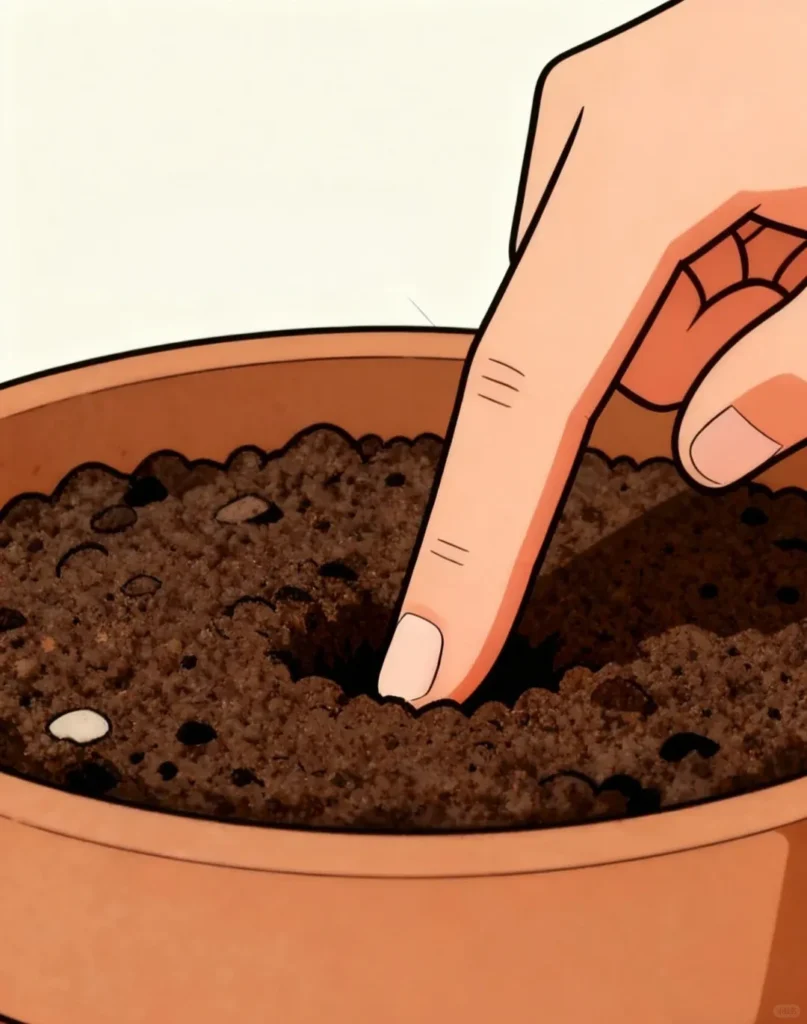
This simple step helped me much more than trying to water on a schedule. It gives me a better idea of what the root zone is actually experiencing, instead of just reacting to how the top layer looks.
Step 3: If the mix is dry deeper down, water thoroughly once
If the potting mix feels dry deeper in the pot too, then I water. When I do, I water thoroughly in one go, letting the water run through the mix and out the drainage holes at the bottom.
I don’t soak the pot, and I don’t water in several rounds. I’ve had better results with one full watering than with small repeated amounts meant to keep the mix constantly a little damp.
Step 4: Let the pot drain and leave it alone
After watering, I let the excess drain out fully and then leave the plant alone. I don’t water again just because the surface starts drying first. I wait until the pot is genuinely drying deeper down before repeating the process.
Why One Philodendron Can Dry Faster Than Another
One reason philodendron watering can feel confusing is that different plants do not dry at the same speed, even in the same room.
Trailing types often move through moisture faster than larger, slower-growing philodendrons. Pot size matters too: small pots usually dry more quickly, while larger pots can stay damp much longer than expected.
Season changes the rhythm as well. In active summer growth, a philodendron may use water much faster than it does in winter under weaker indoor light.
That’s why I don’t treat my own watering case as a rigid rule for every philodendron. I treat it as a reminder to watch how each plant and setup actually behave.
A Simple Watering Rule I Actually Use
If only the surface is dry, I wait.
If the mix feels dry deeper down too, I water once and let the pot drain fully.
If the leaves look stressed but the pot is still moist, I don’t assume the plant needs more water right away.
If the plant was recently repotted, I expect it to dry more slowly than before.
For me, proper philodendron watering became much easier once I stopped chasing surface dryness and started paying attention to what the pot was actually doing.
FAQ
Still exploring philodendron care?
If you’re comparing care routines, common problems, or indoor growing conditions, my main philodendron care page is the best place to keep exploring. It brings together the most useful guides in one place.
Go to Care Hub →