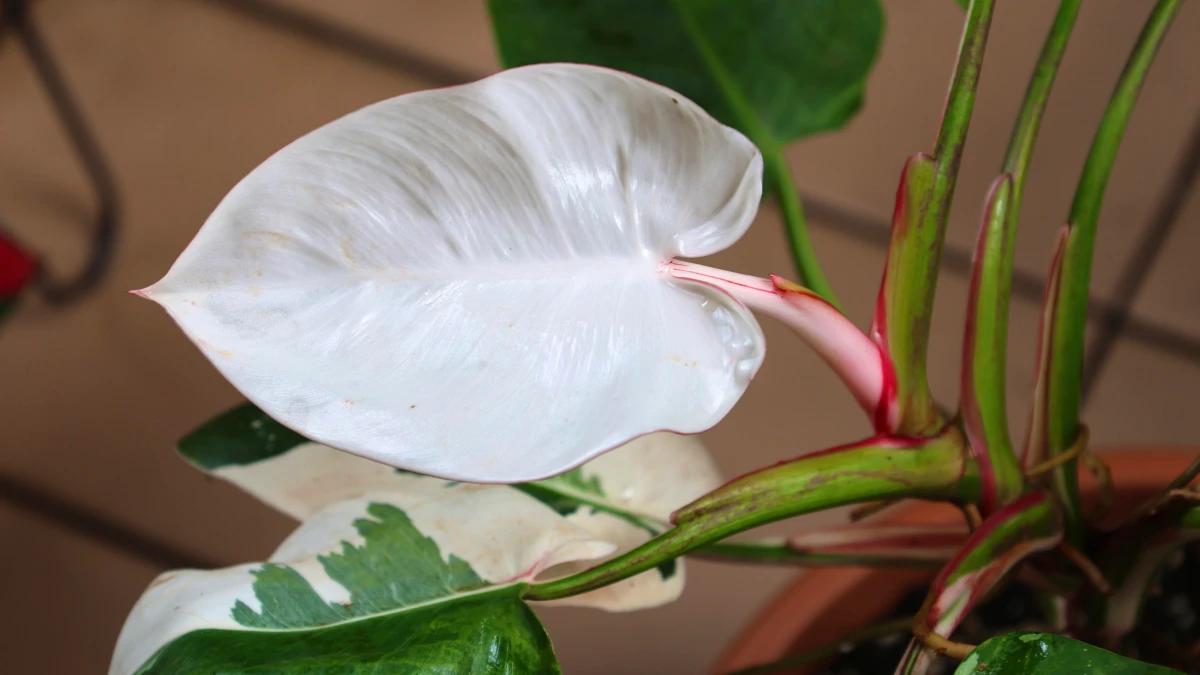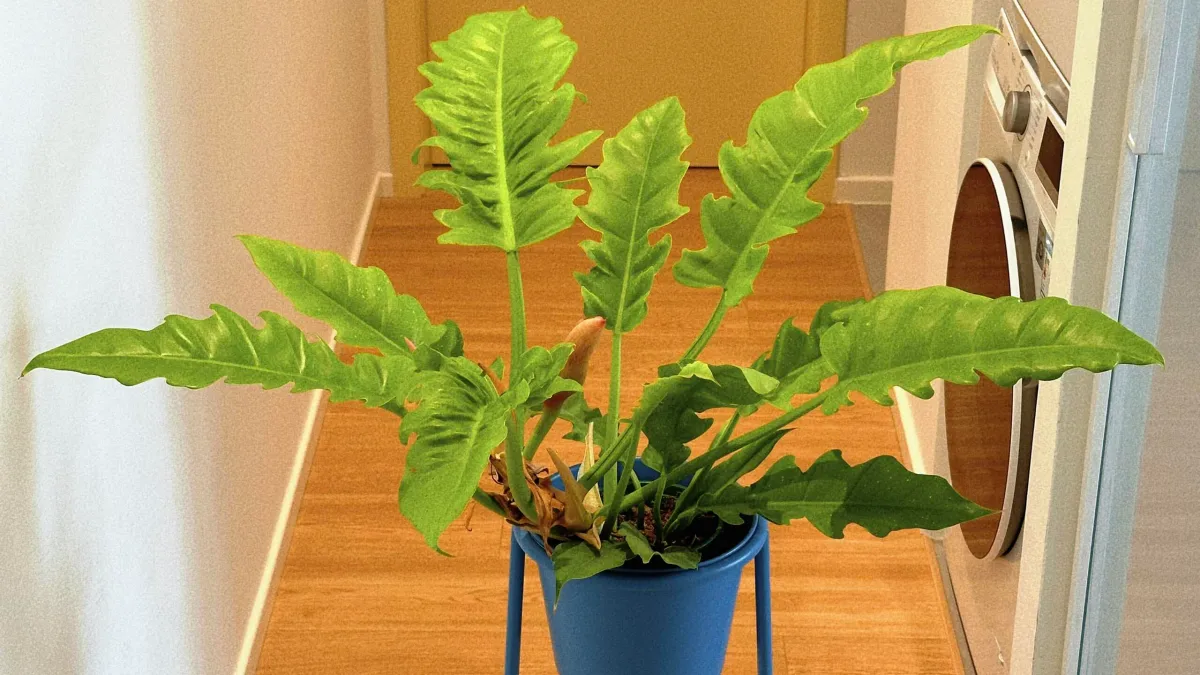
Philodendron is toxic to cats, so if you live with a cat, this is not a plant I would describe as carefree. But for most cat owners, the more useful question is what that risk actually looks like at home.
Some cats ignore houseplants almost completely, while others chew anything leafy, trailing, or within reach — which is why the broader question of whether philodendrons are toxic to pets is only the starting point. That difference matters more than many plant guides admit. So instead of repeating generic philodendron toxicity warnings, I want to look at this from a more practical angle: what happens in a real home, what makes the risk higher, and when trying to keep both cats and philodendrons simply stops being worth it.
The Short Answer: Yes, but the Real Risk Depends on Your Cat
Yes, philodendron is toxic to cats. If a cat chews the leaves or stems, the plant can cause immediate mouth irritation, drooling, and sometimes vomiting or obvious discomfort afterward. So this is not a plant I would call cat-safe, even if the reaction is often more about irritation than severe whole-body poisoning.
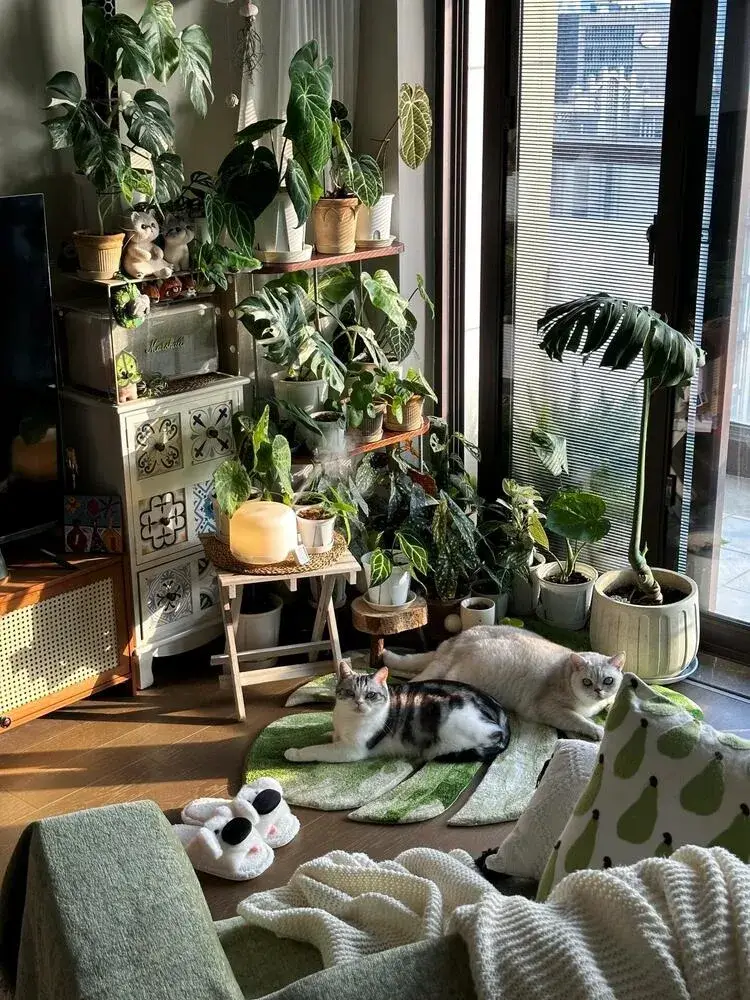
At the same time, the real-life risk is not identical in every home, and it also plays out a little differently from what dog owners usually deal with. Some cats show almost no interest in houseplants and may only sniff or test a leaf once. Others are determined plant chewers and will keep going back to anything soft, trailing, or easy to reach. That difference matters a lot. A toxic plant is still a toxic plant, but in real life, the bigger variable is whether your cat is actually the kind that will keep going back to it.
What Usually Happens If a Cat Bites a Philodendron
In most cases, the first signs show up quickly. A cat that bites a philodendron will often start drooling, licking its lips, or acting as if something feels wrong in the mouth. Some cats paw at the face or seem suddenly irritated after chewing. Vomiting can happen too, especially if any plant material was swallowed, and some cats may refuse food for a while afterward because the mouth and throat feel sore.
In most cases, the reaction is immediate and obvious rather than delayed. The cat often reacts because chewing the plant is immediately unpleasant. That is why some cats stop after one bite, while others continue chewing and end up with more obvious symptoms.
Even so, there are situations where I would not just monitor at home. If the cat has repeated vomiting, marked swelling around the mouth, obvious trouble swallowing, unusual lethargy, or any sign of breathing difficulty, that moves beyond a minor “watch and wait” situation. In those cases, I would contact a veterinarian right away.
What I Would Do Right Away
If my cat chewed a philodendron, I would first take the plant away and remove any loose pieces I could safely see. After that, I would check the mouth quickly and offer a little water. If the cat would tolerate it, I would gently rinse the mouth with plain water, but I would not force it or turn it into a struggle.
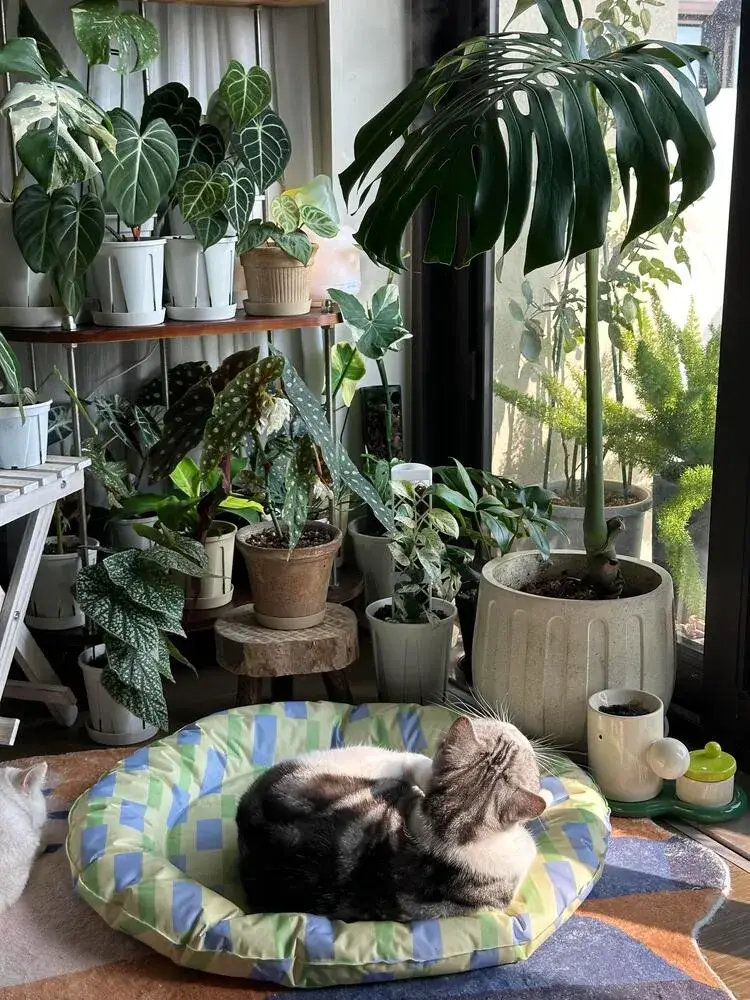
Then I would watch the cat closely for the next signs that matter most: ongoing drooling, repeated vomiting, visible swelling, trouble swallowing, or any change in breathing. Mild irritation may settle down, but anything that looks stronger than a brief mouth reaction is not something I would ignore.
I would not try home fixes like inducing vomiting. If the reaction looked more than mild, or if I was unsure how much had been chewed, I would call a veterinarian right away and tell them exactly what plant was involved.
Can Cats and Philodendrons Coexist?
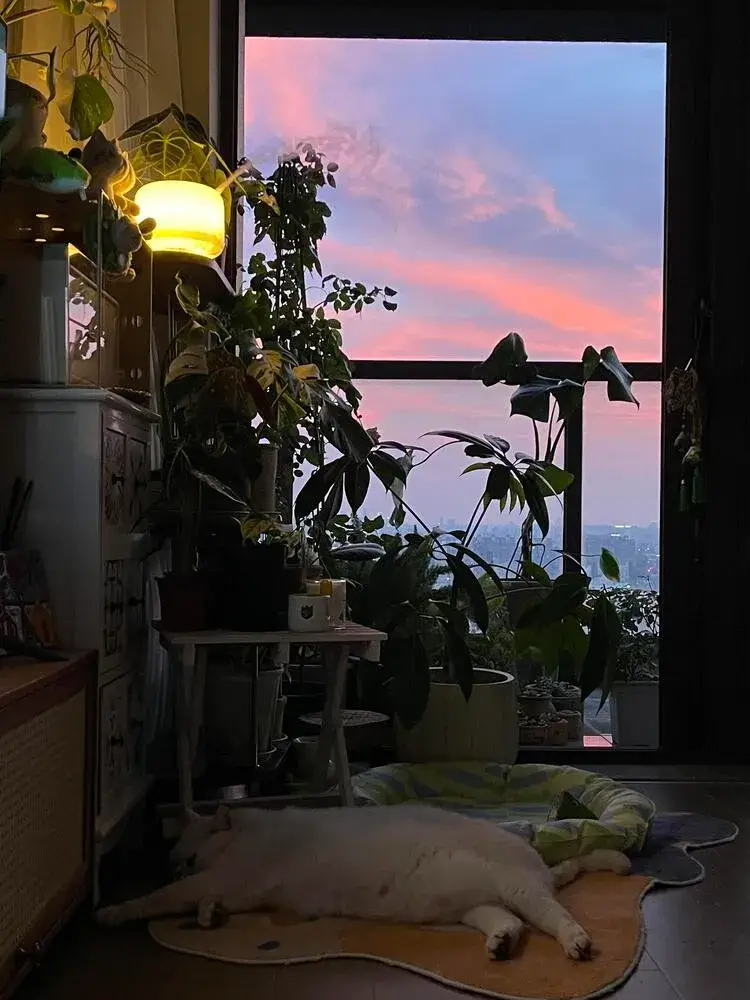
If Your Cat Only Nibbles Once Out of Curiosity
Some cats only test a plant once. They may bite a leaf out of curiosity, realize it tastes bad or feels unpleasant, and then lose interest. In that kind of home, the risk is still there, but it is usually easier to manage. I would still keep the plant out of easy reach, but I would not treat one brief test bite the same way I would treat a cat that actively seeks plants out.
If Your Cat Keeps Chewing Plants
This is the situation I take much more seriously. If a cat already has a habit of chewing leaves, trailing vines, or anything green, philodendron is not a plant I would trust within reach. At that point, the issue is no longer just toxicity on paper. It becomes a repeated exposure risk. In my experience, once a cat shows that kind of pattern, it usually makes more sense to change the setup completely than to keep hoping the behavior will stop on its own.
If Your Cat Is Active, Climbs, and Reaches Everything
Some cats make “just put it higher” almost useless advice. If your cat jumps onto shelves, climbs furniture, bats at hanging vines, or investigates every new object in the room, then the practical risk is much higher. For those cats, a plant is not safe just because it is off the floor. The real question is whether the cat can still get to it, knock it down, or play with trailing growth.
For me, cats and philodendrons can only coexist when the cat’s behavior and the home setup make that realistic. If a cat keeps chewing plants, reaches every supposedly safe spot, or turns toxic plants into a repeated problem, that is the point where I would stop trying to force it. Some cats and some homes simply are not a good match for philodendrons, and I think it is better to accept that early than to keep taking the same risk.
What Has Worked Best for Me at Home
Keep Toxic Plants Truly Out of Reach
The most reliable strategy for me has been physical separation. If a plant is toxic, I do not want it in a place where the cat can casually inspect it whenever I am not looking. In practice, that means more than just putting it “somewhere high.” Some cats can still reach shelves, climb furniture, or get to hanging vines if they are determined enough. What has worked better is using spots that are genuinely difficult to access, keeping toxic plants in a more controlled plant area, or separating the cat and the plants when I am not home. If a plant can still be reached with enough jumping, climbing, or pulling, I do not consider it truly safe.
Use Deterrents and Alternatives
I see deterrents as backup, not as the whole solution. Spraying a diluted bitter deterrent on plants can help if a cat dislikes the smell or taste, but I would never rely on that alone. What has helped more is giving the cat better alternatives at the same time. Fresh cat grass, new toys, and more interesting things to chew, bat, or investigate can reduce how much attention the plant gets. A lot of plant chewing seems to come from curiosity or boredom, so it makes sense to redirect that energy instead of only trying to block it.
Watch the Cat, Not Just the Plant
The biggest thing I have learned is that the answer is not really hidden in the plant alone. It is in the cat’s behavior. Some cats sniff once and move on. Others keep returning, test boundaries, and treat every trailing leaf like an invitation. That is why I pay more attention to patterns than to one isolated moment. If the cat keeps staring at the plant, going back to it, or trying different ways to reach it, I take that as a sign that coexistence may not be realistic. In the end, whether a toxic plant can stay in the house depends less on how pretty it looks and more on how that specific cat behaves around it.
My Honest Advice for Cat Owners
If you still want to keep philodendrons in a home with a cat, I would start small rather than filling the space with several toxic plants at once. One plant is enough to tell you a lot. Watch how your cat reacts to it, not just on the first day, but over time. A cat that only sniffs, looks, and moves on is very different from a cat that keeps testing, chewing, or trying to reach the plant again.
I also do not think it is worth forcing coexistence just because you like the plant. If the cat keeps going after it, if the setup never feels truly secure, or if you find yourself constantly managing the same risk, that is usually a sign to stop pushing it. In the end, the thing that decides whether philodendrons can stay in your home is not your plant plan — it is your cat.
FAQ
Still not sure what your philodendron is telling you?
If your philodendron still seems off, this may be only one part of the picture. I’ve collected the most common indoor philodendron problems — along with the patterns I watch for and the changes that have helped my plants recover.
Go to Problems Hub →