I bought Philodendron Florida Ghost for one simple reason: it looked too good to ignore. The leaf shape was already unusual, but the pale new growth was what really got me. It felt much more dramatic than something like Moonlight, even though both plants rely heavily on bright new foliage for their appeal. It had that kind of look that makes you want to buy first and think later.
At the same time, I honestly assumed it would be much harder to keep than it looked. White or very pale new leaves usually make a plant seem delicate, and I half expected that after a month or two, I might end up staring at an empty pot.
But that is not what happened. Once I actually started growing it at home, I realized Florida Ghost was much less fragile than it looked. That was the real surprise, and it completely changed the way I saw this plant.
Florida Ghost Was Tougher Than I Expected
What surprised me most was not just that it stayed alive, but that it adapted so much better than I expected in a fairly ordinary home setup. My balcony gets very good light, which definitely helped, but the rest of the environment was far from perfect.
I do not use a humidifier there, and the humidity is usually quite low. Most of the time it sits somewhere around 20% to 30%, which is much drier than the kind of conditions people often recommend for tropical plants. I sometimes misted it, but not in a very strict or consistent way. Some days I did, and some days I forgot.
The temperature also was not especially stable. In winter, the balcony could sit around 21°C in the morning and afternoon, climb noticeably higher for a while around midday when the sun was strong, and then drop to about 18°C at night. So this was not a perfectly controlled environment with steady warmth and ideal humidity all day long.
Even in those conditions, Florida Ghost still did well for me. It settled in, kept growing, and pushed out several new leaves instead of collapsing the way I originally feared. That was the point when I stopped thinking of it as a fragile collector plant and started seeing it as a much more adaptable philodendron than its appearance suggests.
What Makes Florida Ghost So Special
The Leaf Shape and White New Growth
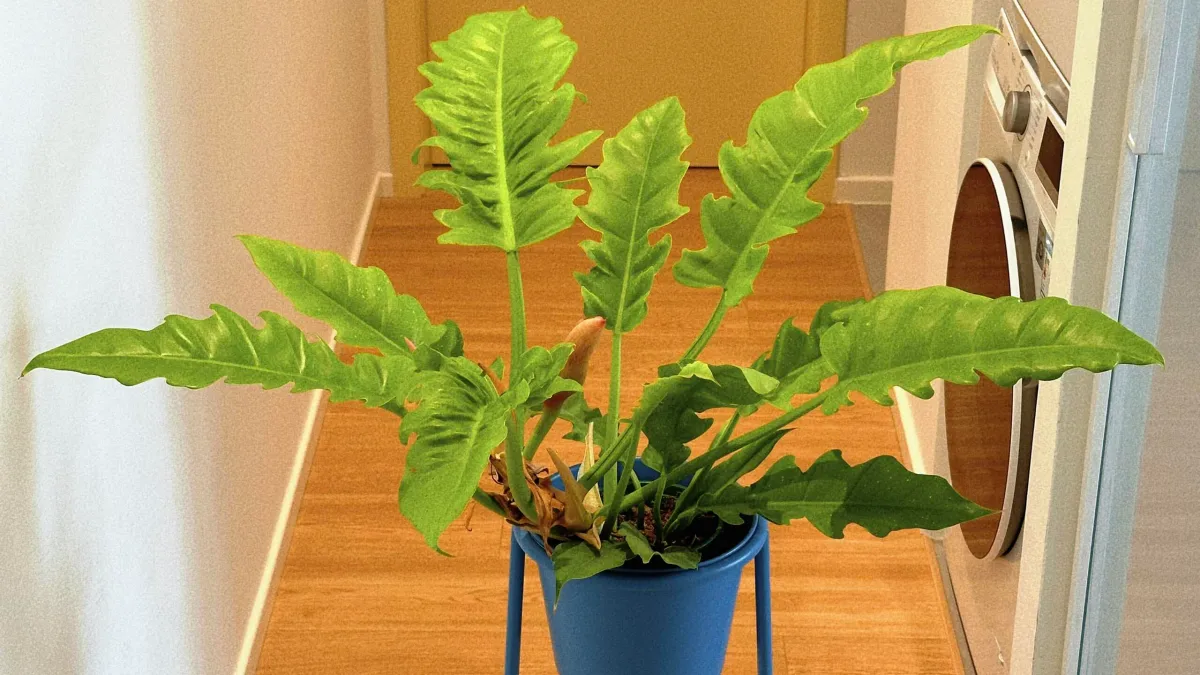
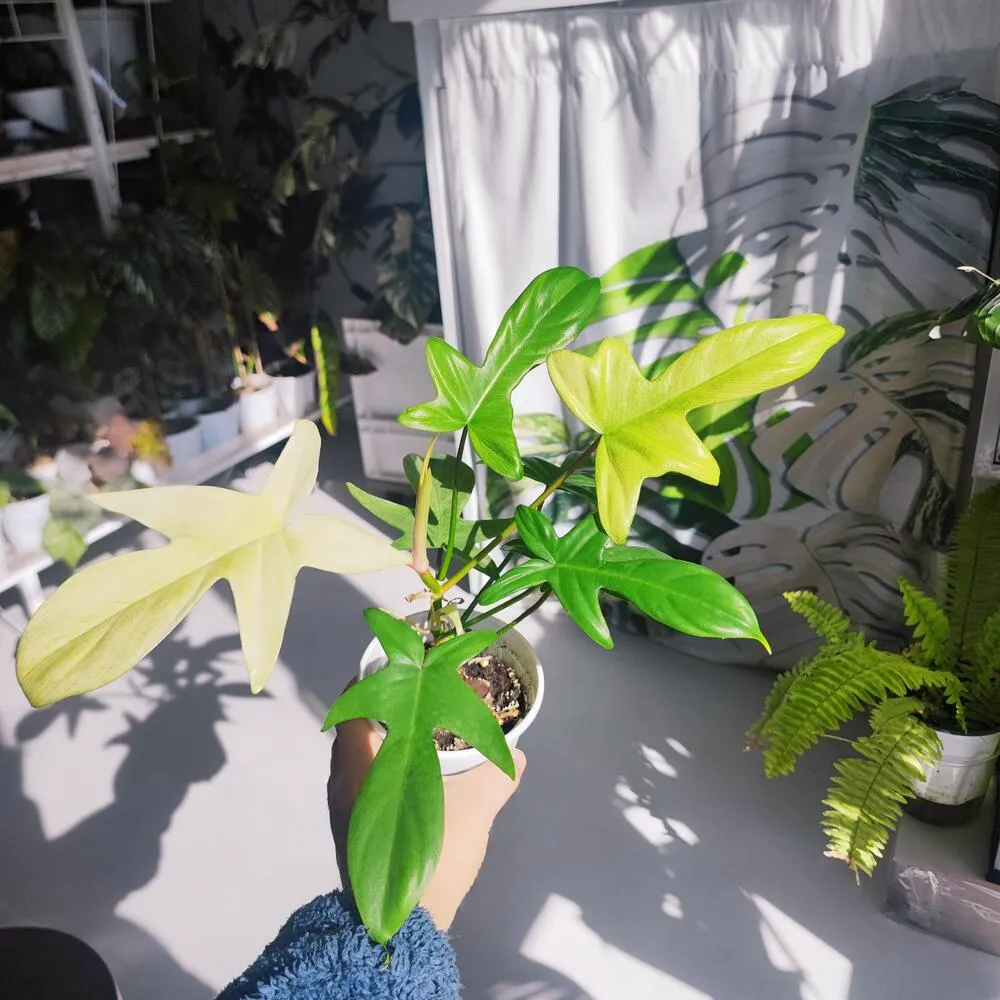
The first thing that makes Florida Ghost stand out is the leaf shape. It has that unusual, pointed form that almost looks like a little airplane when the leaves are still developing, which gives it a very different feel from the softer, rounder philodendrons people are more used to.
But the main reason people notice Florida Ghost is the new growth. When a fresh leaf opens, it can be very pale at first — sometimes close to white, sometimes more creamy or minty depending on the season, the plant’s condition, and the light it has been getting. That shifting pale stage is what gives the plant its “ghost” look.
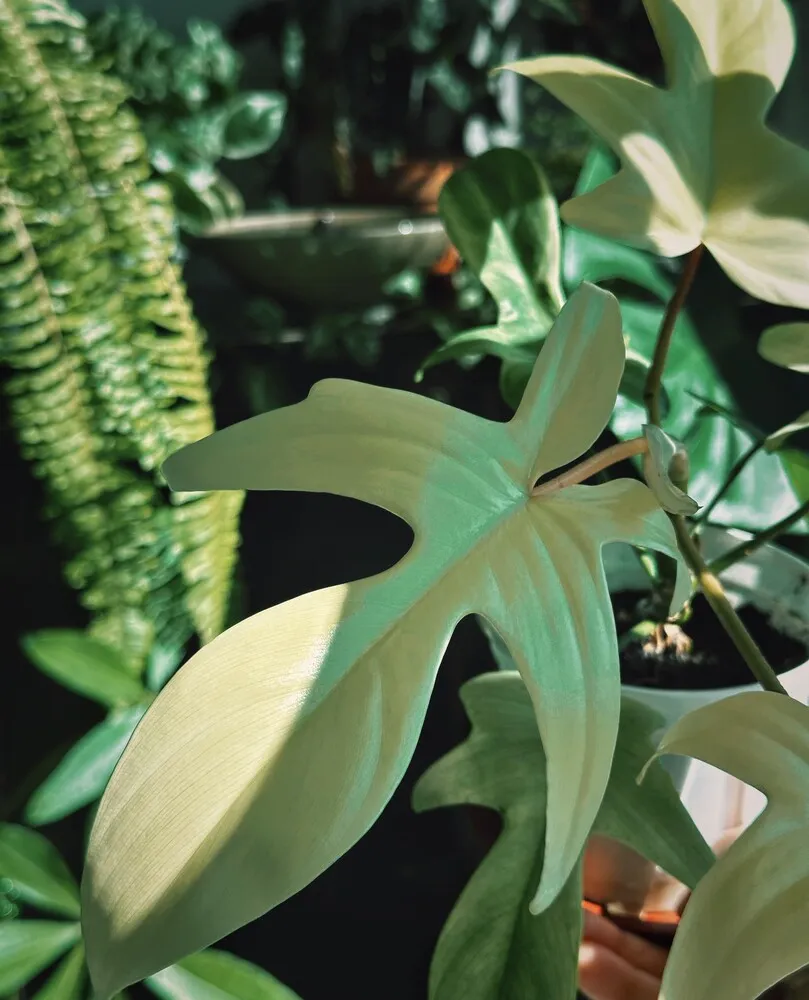
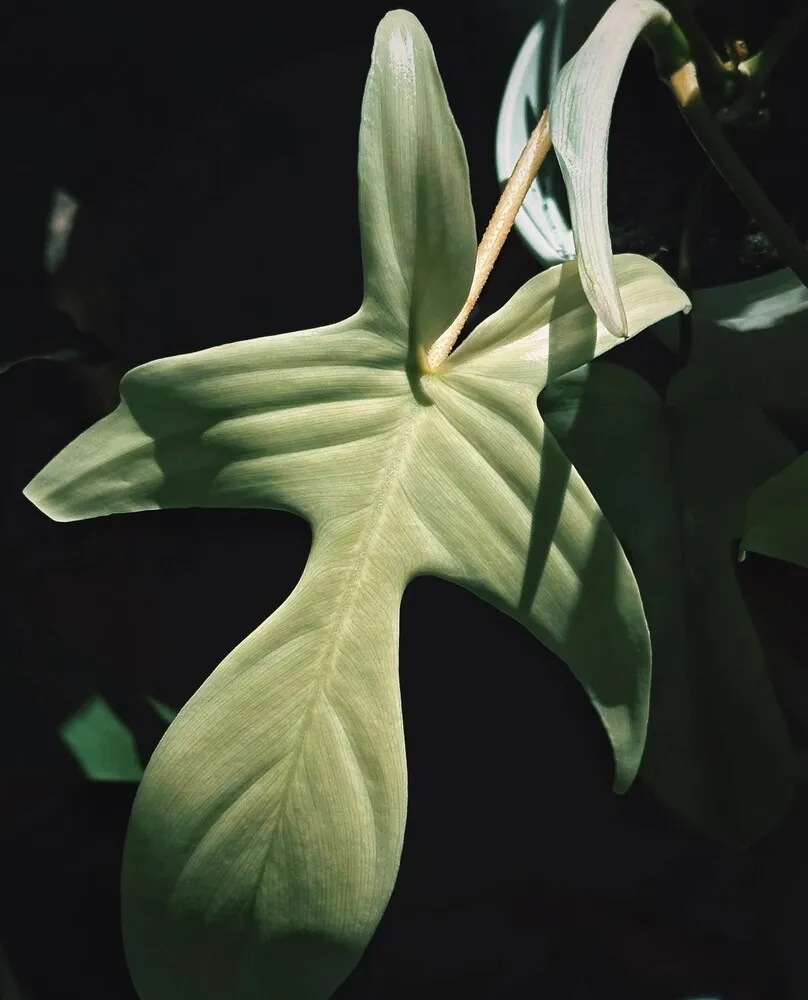
What I think makes Florida Ghost especially beautiful, though, is not the idea that it stays white forever. It does not. As the leaves mature, they gradually shift into greener tones. For me, that is actually part of the appeal. The beauty of this plant comes from watching it change, not from expecting one fixed color all the time.
How the Color Changed in My Home
One of the most interesting things about growing Florida Ghost at home was seeing how differently it showed color across the seasons. In my conditions, the plant did not stay one consistent shade throughout the year.
In spring, the newer leaves looked more like a deeper mint green. In summer, the whole plant leaned much greener overall. When the weather became cooler in autumn, the color shifted again into a paler lemon-yellow green. And In winter, the newest leaves looked much closer to a soft creamy white, which was probably the closest it came to the classic “ghost” look people expect under bright but cooler-season light.
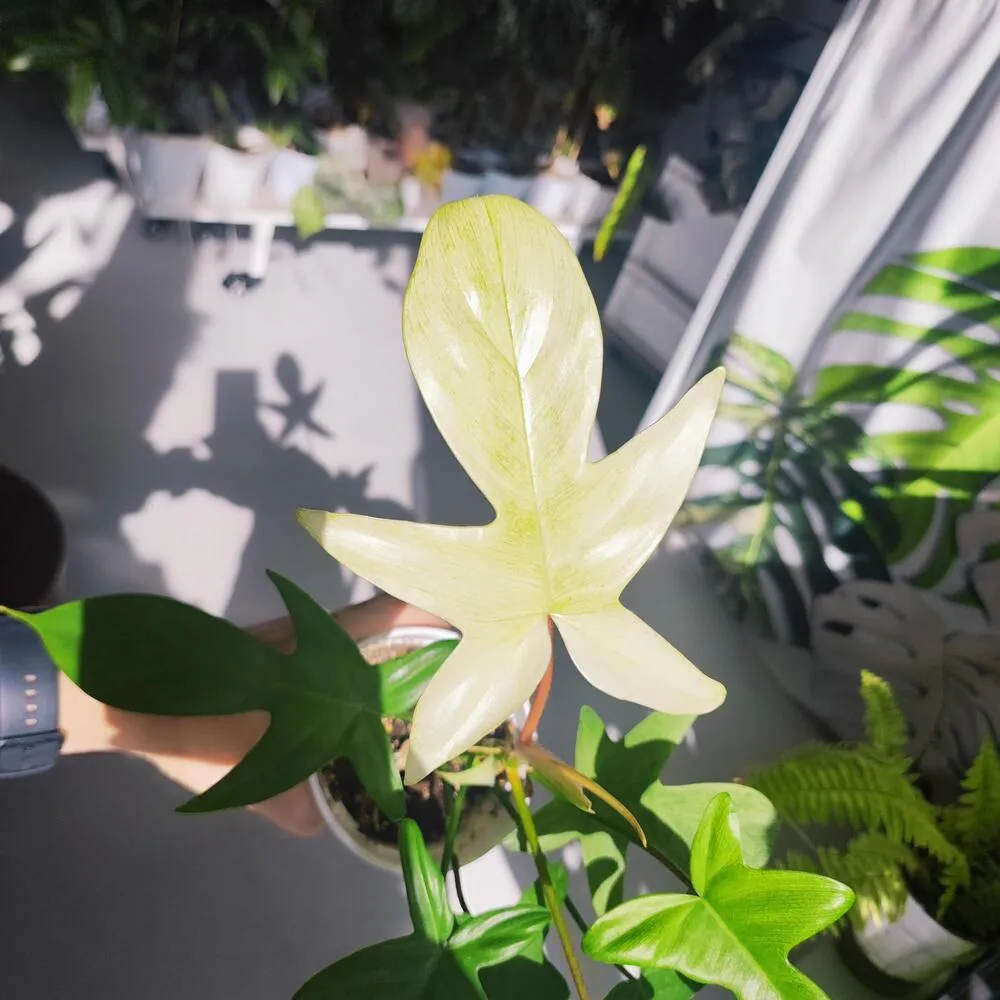
To me, that changing mix is much more interesting than a plant that only looks good
Is Florida Ghost Actually Hard to Grow?
I would not call Florida Ghost a difficult philodendron overall. It looks like the kind of plant that should be fussy — pale new leaves, unusual color changes, and a more delicate appearance than many common green philodendrons — but in my experience, it is more adaptable than that.
What makes it easier than expected is that it can adjust to normal indoor conditions better than its appearance suggests. Mine did not need a perfectly humid greenhouse setup or constant special treatment just to stay alive. As long as the basics were reasonably good, especially light and airflow, it handled home conditions much better than I originally thought.
That said, I also would not describe it as a plant you can completely ignore if you want it to look its best. There is a difference between a Florida Ghost that survives and one that stays attractive. If the light is too weak, the color becomes less interesting. If the soil stays too wet, the plant is much more likely to decline than to improve. And if the air is stagnant, problems are more likely to show up over time.
So my honest view is this: Florida Ghost is easier than it looks, but it still needs a decent setup if you want the leaf color and overall shape to stay beautiful. It is not a high-maintenance drama plant, but it does reward attention to light, watering, and airflow.
How I Care for Florida Ghost at Home
Light
For me, bright indirect light is where Florida Ghost looks best. When the light is good, the plant grows more steadily and the leaf color stays much more interesting. The new leaves tend to open paler, and the whole plant usually looks cleaner and more defined.
I also think this plant is a little more light-tolerant than people sometimes assume. Mine did not behave like something that would instantly scorch the moment it saw stronger sun. But that does not mean I would treat it like a full-sun plant. Long periods of harsh direct sun can still damage the leaves, especially the newer pale ones. So my approach is simple: give it the brightest indirect light you can, and be more careful with intense direct midday sun.
Watering
My watering approach is also very simple: I wait until the soil has dried, then water thoroughly, because with a plant like this watering timing matters much more than keeping the pot constantly moist. In cooler seasons, I become more conservative, because the plant is not using water at the same speed and the soil stays wet longer.
What I pay most attention to is avoiding that constantly damp, airless condition around the roots. In my experience, Florida Ghost is much more likely to struggle from staying too wet for too long than from being slightly dry once in a while. So I would rather let it dry a bit more than keep it sitting in heavy moisture all the time.
Humidity and Airflow
Higher humidity may help Florida Ghost look cleaner, especially when new leaves are opening, but I do not think it needs a humidifier just to survive indoors. Mine adapted in a much drier space than people usually recommend, and that was one of the biggest surprises for me.
Because of that, I pay more attention to airflow and overall stability than to chasing one humidity number. In a normal home, I think stale air and constantly wet soil create more trouble than simply having dry air. If the plant has good light, a loose mix, and the air around it is not stagnant, it can handle more than its delicate appearance suggests.
Soil
For soil, I think the most important thing is simply keeping it loose and breathable. A mix in the general direction of peat and perlite works well because it holds some moisture but still leaves enough air around the roots.
What I would avoid is anything too dense, compact, or slow to dry. Once the soil becomes heavy and stagnant, the plant becomes much more vulnerable to decline. So for me, soil is less about chasing a complicated recipe and more about making sure the roots are sitting in a mix that does not stay soggy for too long.
Common Problems and What I Check First
Brown Spots or Crispy Edges
If I see brown spots or crispy edges on Florida Ghost, the first thing I check is light. The newer pale leaves are much more delicate than mature green ones, so they can mark or scorch more easily if the plant gets too much direct sun.
If the light does not seem too harsh, then I look at the air. Very dry air can make those pale leaves look rough more quickly, especially when they are still soft and fresh. So for me, this is usually not something I treat as a mystery. I start by asking whether the leaf was exposed to too much sun, or whether the environment was simply too dry while the leaf was still developing.
Yellow Leaves or Limp Growth
If the plant starts yellowing or looking limp, I check the watering situation first. With Florida Ghost, I am much more concerned about soil staying wet for too long than about the plant being slightly dry once in a while.
So the first questions I ask are: has the mix been staying damp for too long, has the pot been drying more slowly than usual, and could the roots already be sitting in a stale, airless condition? If the soil feels heavy and wet for too long, that is where I start. In my experience, this kind of plant is much easier to slow down with overly wet roots than to damage with one slightly delayed watering.
Spider Mites
Spider mites are another thing I would watch for, especially in dry indoor conditions. If I suspect them, I check the undersides of the leaves first for tiny dots, fine webbing, or that dusty-looking damage that never quite looks normal.
Poor airflow tends to make that problem easier to run into, so I would not only treat the pest itself. I would also look at the surrounding conditions. My first step would be to rinse the plant well, especially the leaf undersides, then use a proper treatment if needed, and finally make sure the air around the plant is moving better than before.
Who Florida Ghost Is Best For
I think Florida Ghost is best for growers who want a philodendron that feels unusual and visually interesting without being excessively difficult. For someone who wants something even simpler, I would be more likely to point them toward Brasil first. If you enjoy changing leaf color, unusual leaf shape, and the layered look of pale new growth beside mature green leaves, it is a very rewarding plant to grow. It also makes much more sense if you already have bright indirect light and do not mind adjusting care a little across the seasons.
I would be less likely to recommend it to someone who only wants a plant that stays bright white long term, has consistently weak light, or tends to keep the soil too wet. Florida Ghost is not especially hard, but it is much better suited to someone who enjoys observing change than someone who expects one fixed look all year.
FAQ
Still exploring philodendron varieties?
If you’re comparing leaf shapes, colors, or growth habits, my main philodendron varieties page is the best place to keep exploring and find similar types side by side.
Go to Varieties Hub →