Philodendron Moonlight is not the kind of philodendron that shocks people at first glance. It is not especially rare, it is not one of the most talked-about varieties, and next to some of the more dramatic philodendrons, it can even look a little plain. It does not have exaggerated leaf shape, heavy texture, or that instantly “collector” look that makes people stop scrolling.
But for me, Moonlight still matters a lot, because it was the plant that really pulled me into philodendrons in the first place. Once I started growing it, that was when the whole category began to make sense to me. After Moonlight, I kept bringing home one philodendron after another.
What kept me attached to it was not rarity, but the experience of growing it. Moonlight turned out to be one of those plants that becomes more convincing over time, and that is why it still means more to me than many flashier philodendrons.
What Changed My Mind About Moonlight
At first, I did not think Philodendron Moonlight was especially impressive in the way some other philodendrons are. It did not have dramatic dark foliage, unusual texture, or a rare collector look. Compared with flashier varieties like Prince of Orange, it could even seem a little plain.
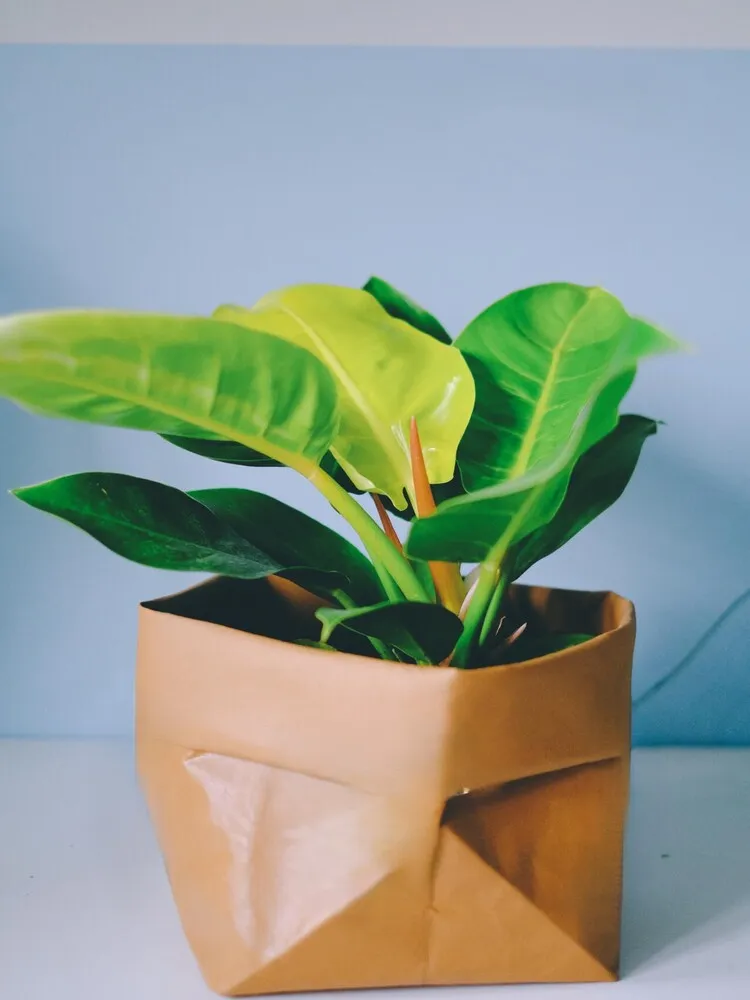
That changed once I actually grew it for a while. What started to stand out was not the plant in photos, but the way it behaved in real life. The new leaves had a bright, glowing quality that was much stronger than I expected, especially when the plant was actively growing well in strong light. That fresh chartreuse color gave it a kind of brightness that felt much more beautiful in person than it ever did on a screen.
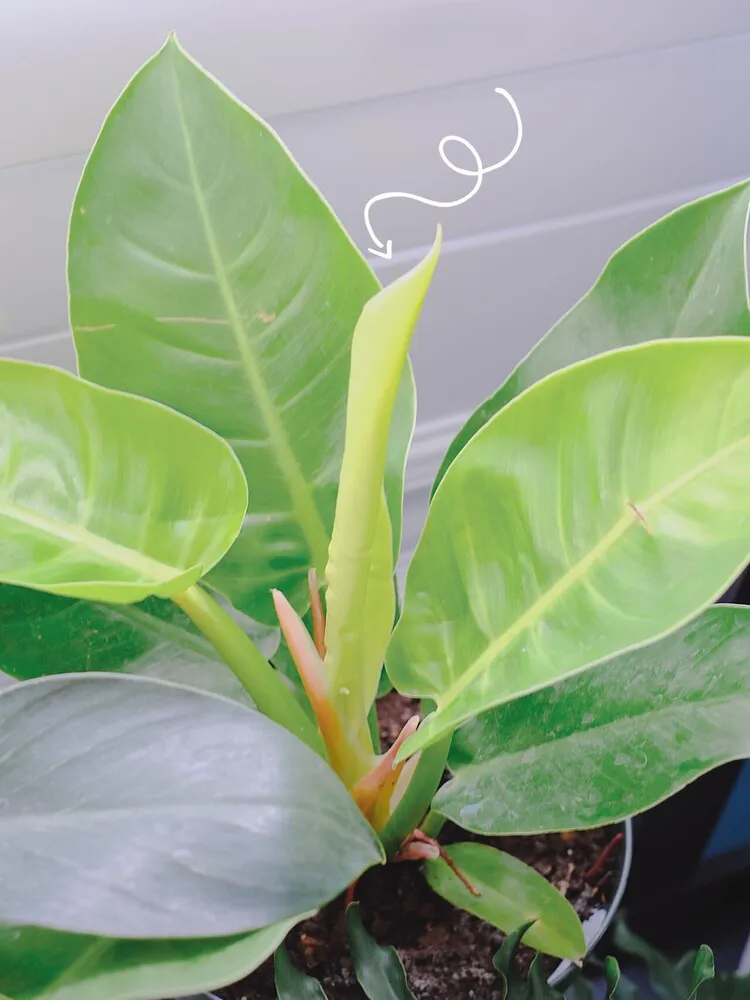
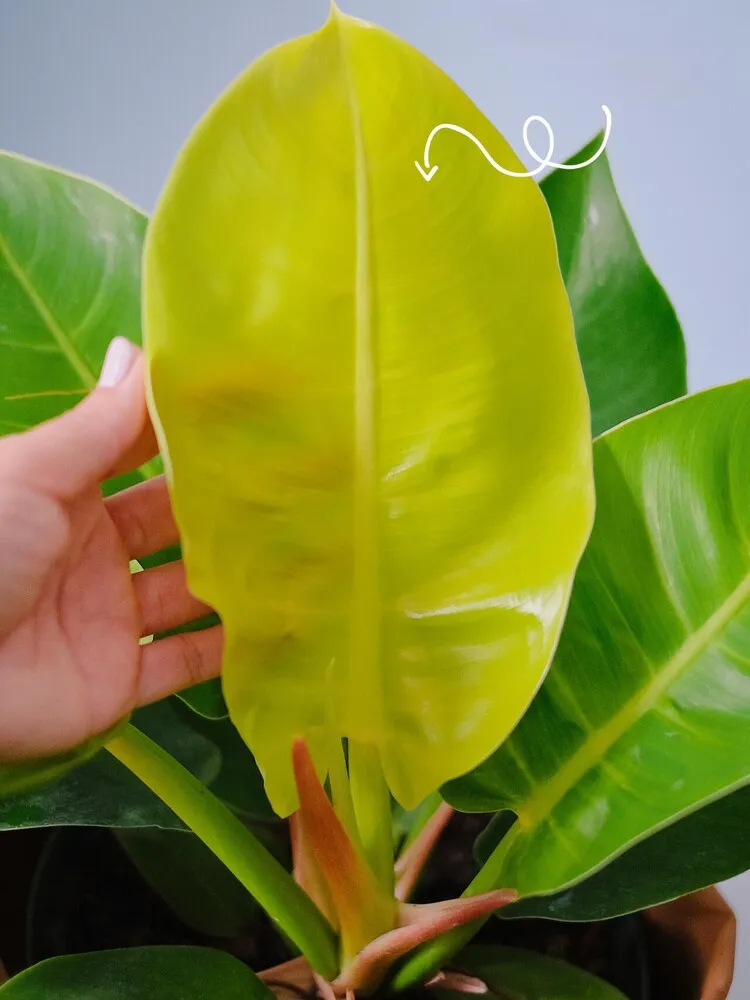
I noticed that even after moving it from my south-facing balcony outdoors in summer to a spot right next to a south-facing window indoors, where the light was clearly weaker, the growth did not really slow down in any dramatic way. That surprised me, because I expected a more obvious drop in momentum once it left the stronger outdoor conditions.
Recently it pushed out a huge new leaf that looked almost luminous, and that was the moment I finally understood why this plant is called Moonlight. That soft glow made more sense in real life than it ever had in photos, and it reminded me that this is a plant whose charm really builds through growing, not just through first impressions.
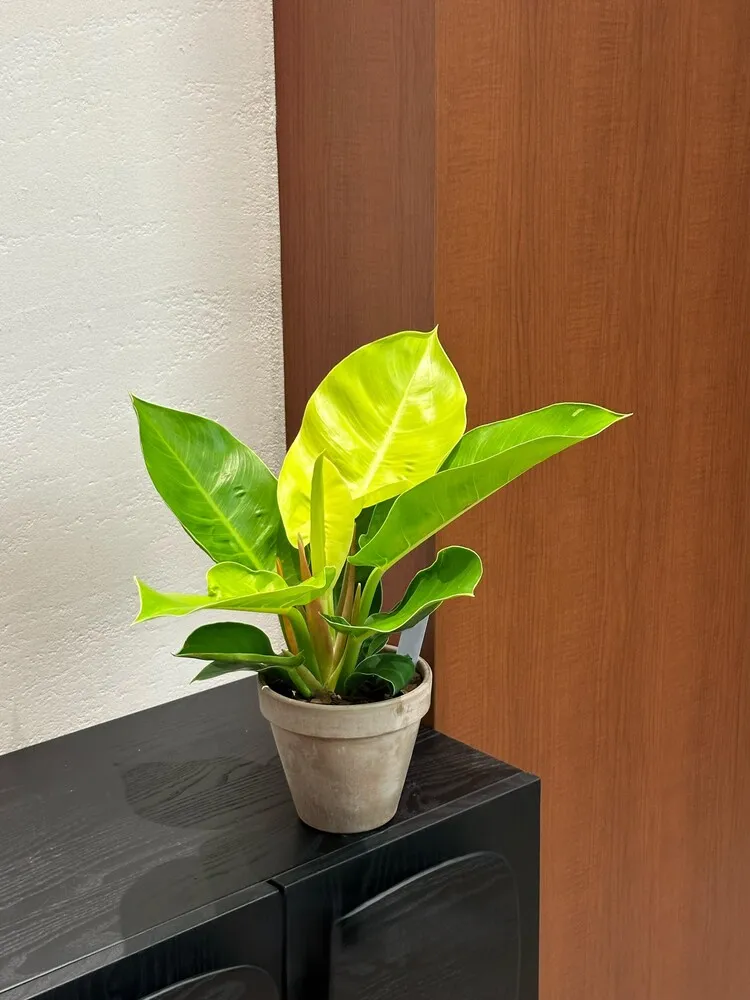
What Moonlight Actually Looks Like at Its Best
The Glowing Chartreuse New Leaves
The best part of Philodendron Moonlight is the new growth. When a fresh leaf comes out well, the color is intensely bright — not just yellow-green in a flat way, but almost luminous. It has that glowing chartreuse look that immediately draws your eye, especially when the plant is actively growing and the new leaf is still soft and expanding.
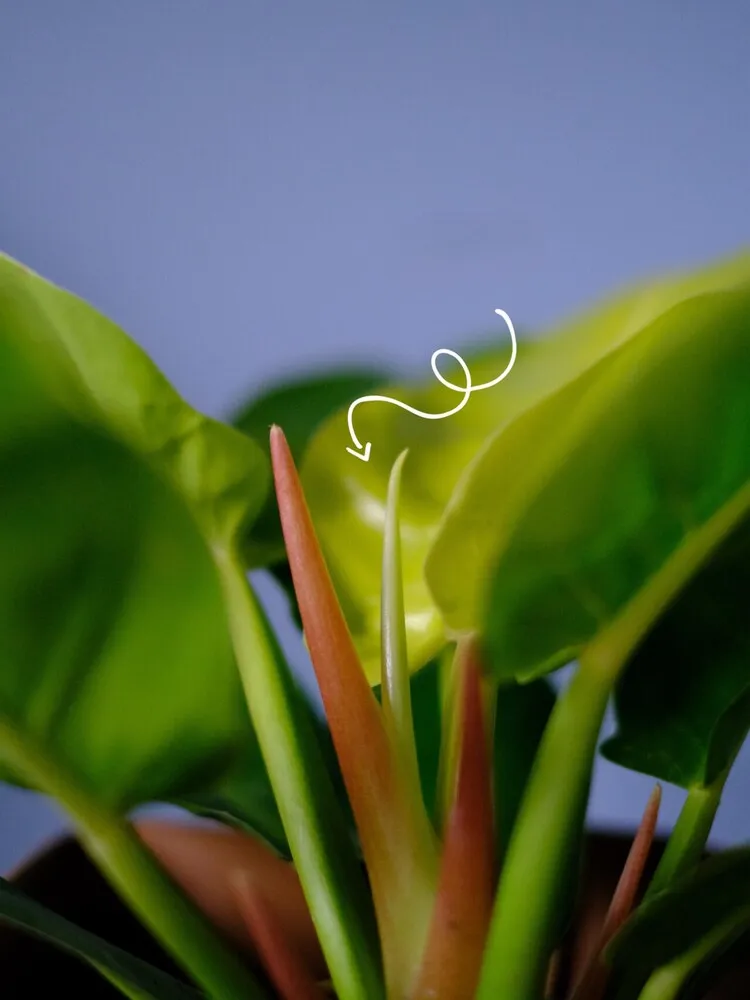
To me, that is when Moonlight looks its best. It does not rely on dramatic texture or unusual structure. Its appeal comes from one thing done very well: a clean, intensely bright new leaf that makes the whole plant look fresher and more alive.
Why It Feels Less Fancy but More Reliable
Moonlight does not have the kind of exaggerated leaf shape, velvety surface, or rare collector look that makes some philodendrons feel instantly “special.” Compared with darker or more dramatic varieties, it can seem simpler and less fancy at first.
But what it offers instead is consistency. The color is stable, the growth is usually active when conditions are good, and the plant gives visual feedback quickly. When it is happy, you do not have to wonder. It shows you with bright new leaves and obvious forward growth.
That is why Moonlight makes more sense in person than in a single photo. It is not a one-time visual surprise. It is the kind of plant that keeps rewarding you by growing well and showing clear, attractive new growth again and again.
Is Moonlight a Good Beginner Philodendron?
Yes, I do think Philodendron Moonlight is a very good beginner philodendron, especially for people who want something a little bolder than Brasil. One of its strengths is that it responds clearly to its environment. When light, watering, and feeding are going well, it usually shows that through active growth and bright new leaves. That makes it much easier to learn from than plants that stay unpredictable for long periods and then suddenly decline.
At the same time, I would not describe it as a plant that always looks perfect no matter what. Weaker light, stale indoor air, or a generally less supportive setup will still affect the way it grows and looks over time. So my view is this: Moonlight is an excellent choice for someone who wants to grow philodendrons seriously, but does not want to begin with a difficult one. It is approachable and rewarding, but still teaches you that the basics matter.
How I Care for Moonlight at Home
Temperature
Moonlight grows best for me when it stays in a warm range, roughly 20–30°C. It is clearly a plant that prefers warmth and active growing conditions rather than cool, stagnant ones. I would consider anything above 10°C generally safe for winter survival, but that does not mean it will be happy there long term.
In Vancouver, winter means indoor growing for this plant. I would not leave it exposed to cold conditions for long, because Moonlight is much more rewarding when it stays warm enough to keep some momentum instead of just sitting still and waiting for spring.
Soil
For soil, I care most about using a mix that stays loose, airy, and reasonably rich. Moonlight grows actively when it is happy, so I do not want it sitting in something dense and soggy, but I also do not want a mix so lean that it dries too fast and feeds poorly.
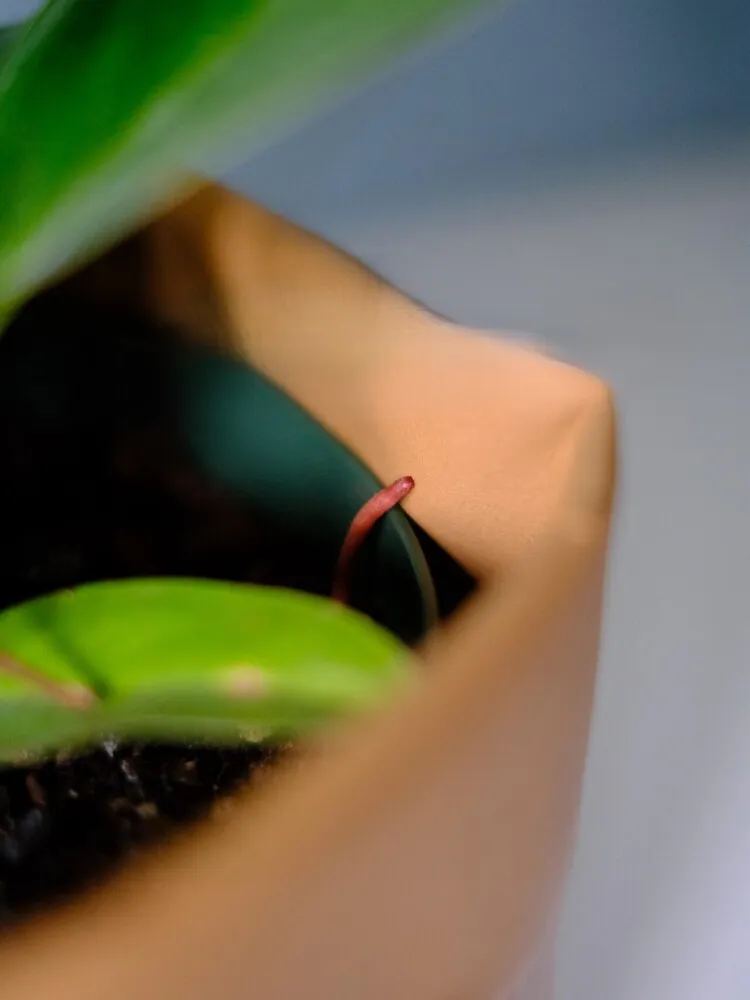
In practical terms, I want a soil that drains well, still holds some moisture, and can support regular feeding without turning heavy around the roots. For this plant, “airy but not empty” is a much better direction than either compact potting soil or an overly stripped-down chunky mix.
Light
For me, bright indirect light is where Moonlight performs best. In summer, mine did very well outdoors on a south-facing balcony, where the overall light level was much stronger than what I can give it indoors. After I moved it back inside and placed it right next to a south-facing window, the light was obviously weaker, but the plant still kept growing without any dramatic slowdown.
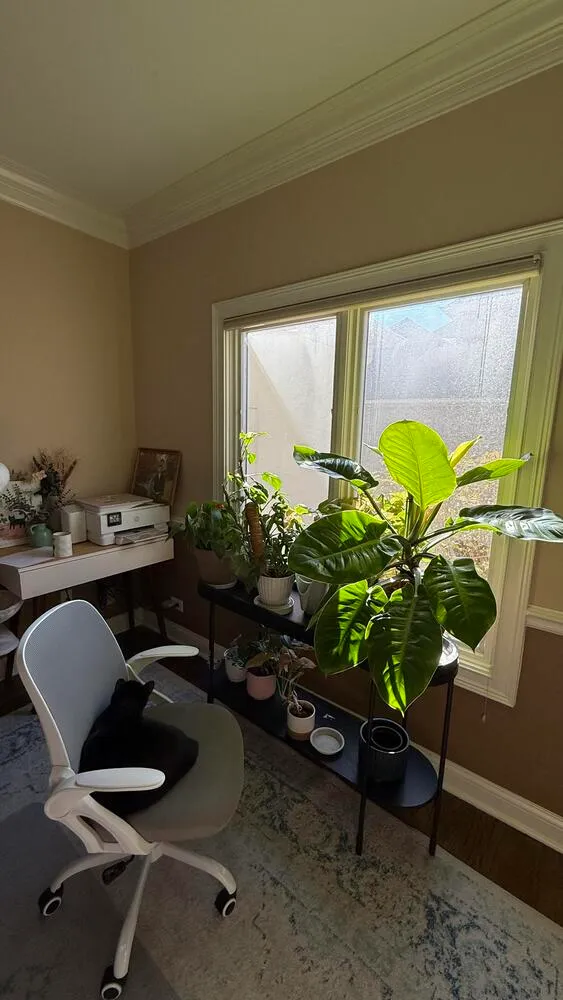
That told me something useful: Moonlight wants strong light, but it is not so fragile that slightly weaker indoor light immediately ruins its momentum. At the same time, I would not treat it like a plant that loves harsh direct sun. I tested direct sun with both Moonlight and Prince of Orange, and the response was very similar — the leaves started drooping and looking stressed. So my conclusion is simple: give it strong light, but not the kind of exposure that cooks the foliage.
Water
Moonlight is more water-loving than some other philodendrons I grow, especially in warm weather when it is actively putting out leaves, so I pay close attention to watering timing. In summer, I am comfortable watering once the soil is about halfway dry, because it tends to use water quickly and does not appreciate staying dry for too long during active growth.
In winter, I become much more conservative and usually wait until the pot is around 70–80% dry before watering again. But I still do not let it go bone dry on purpose. Once the mix starts pulling too far away from the sides of the pot, it is usually drier than I want. Missing a watering once in a while is not likely to kill Moonlight, but repeated over-drying definitely takes away some of the lush, strong look that makes this plant so satisfying to grow.
Feeding and Airflow
Moonlight also strikes me as a plant that likes being fed. When I first brought mine home, I noticed the nursery soil already contained a heavy amount of slow-release fertilizer, which matched what I later saw in its growth. During the strongest part of summer, I sometimes add liquid fertilizer as well, and mine has handled that without seeming especially sensitive.
At the same time, I do not think feeding alone explains good growth. Airflow matters too. In my experience, Moonlight almost always looks better outdoors than indoors, even when the indoor setup still looks bright enough. Once it comes back inside, the plant is still fine, but the overall energy is usually a little lower unless the air is moving well. In Vancouver, there is only so long I can keep windows open in winter, so once it gets too cold, I rely more on a small fan to keep the air from becoming completely stagnant.
Common Mistakes I Would Avoid With Moonlight
Giving It Harsh Direct Sun
Moonlight likes strong light, but that does not mean it enjoys being baked in harsh direct sun. In my experience, too much direct exposure makes the leaves droop quickly and lose that firm, fresh look. So I would treat it as a bright-light plant, not a sun-stress plant.
Letting It Dry Too Far in Active Growth
Missing a watering once in a while usually is not a disaster, but repeated over-drying will show up in the plant’s growth and overall appearance. During active growth, Moonlight looks much better when it gets water before the pot becomes extremely dry.
Underfeeding a Fast Grower
Moonlight is not the kind of plant that keeps looking lush and impressive forever on very little nutrition. If you want it to keep pushing out large, bright leaves, feeding matters. It does not need anything extreme, but it does respond well when fertilizer keeps up with its growth.
Ignoring Airflow Indoors
One thing I notice again and again is that Moonlight usually looks better with better air movement. Outdoor growth often looks stronger than indoor growth for a reason. Once winter closes the windows, I think it helps to make up for that with a small fan or some other way to keep the air from becoming stale.
Who Moonlight Is Best For
I think Moonlight is best for someone who wants a philodendron that is easy to grow, quick to respond, and consistently attractive without being fussy. It is a good fit for growers who like bright new leaves, have a south-facing window or another strong indoor light source, and care more about steady growth and reliable beauty than about chasing the rarest-looking varieties.
I would be less likely to recommend it to someone who only likes highly unusual leaf shapes, deep velvety foliage, or plants with strong collector appeal. It is also not the best choice if your home stays quite dark, or if you want to avoid feeding and airflow management completely while still expecting top performance. Moonlight is easy, but it still looks best when the basics are taken seriously.
FAQ
Still exploring philodendron varieties?
If you’re comparing leaf shapes, colors, or growth habits, my main philodendron varieties page is the best place to keep exploring and find similar types side by side.
Go to Varieties Hub →