When a philodendron starts drooping, the first reaction is usually to assume something has gone seriously wrong. Sometimes that’s true — but not always.
Over time, I’ve realized that “drooping” can mean several very different things in philodendrons. In some cases, it points to a real health problem, such as cold damage, root stress, or a plant that has stayed too wet for too long. In other cases, the plant is not actually sick at all — it may simply be reacting to light direction, strong exposure, reflected light, or a lack of proper support as it grows larger.
That’s what makes philodendron drooping so easy to misread. A plant with soft, wet, weakened leaves is very different from one that is still firm but hanging awkwardly because of posture, light, or structure. If you treat both situations the same way, you can easily make the problem worse.
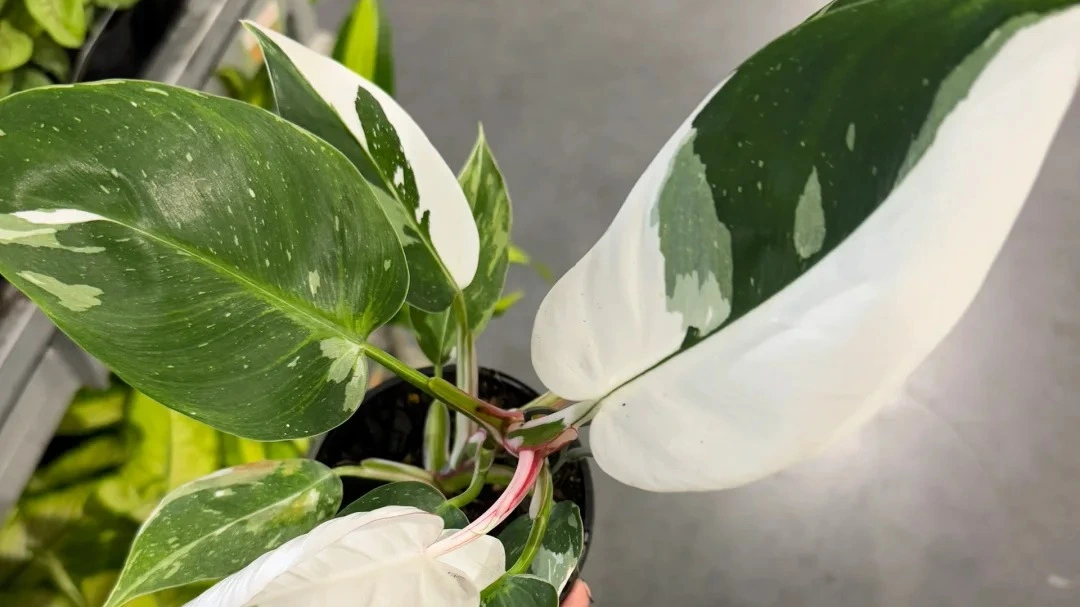
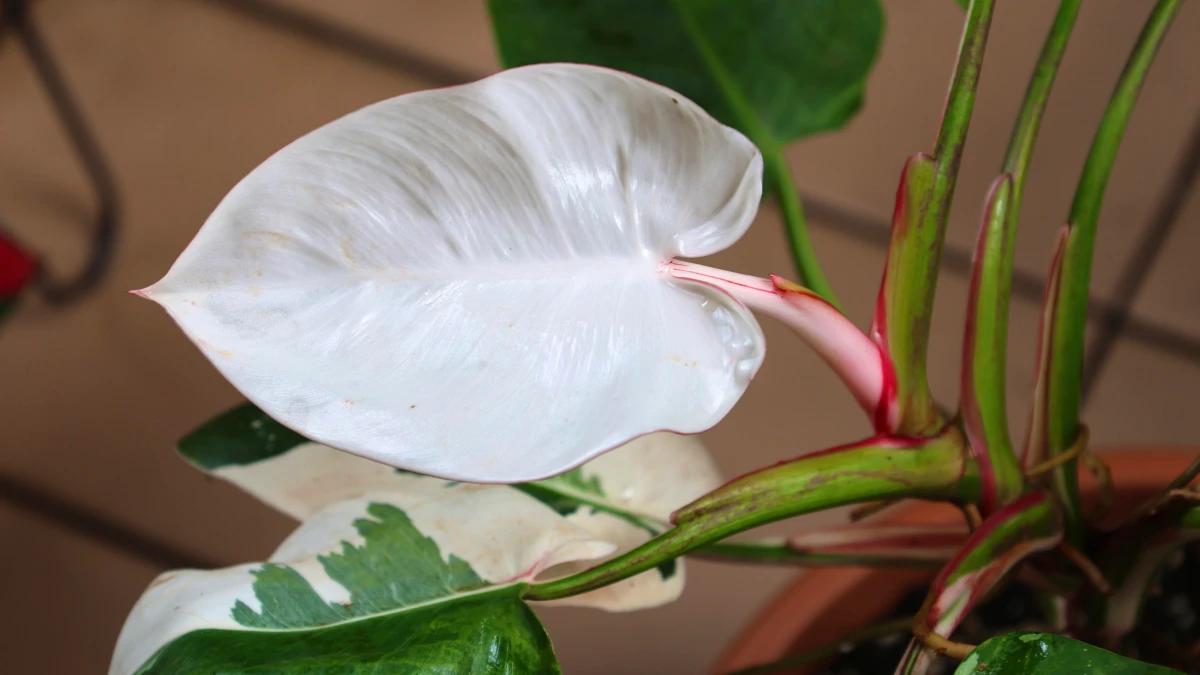
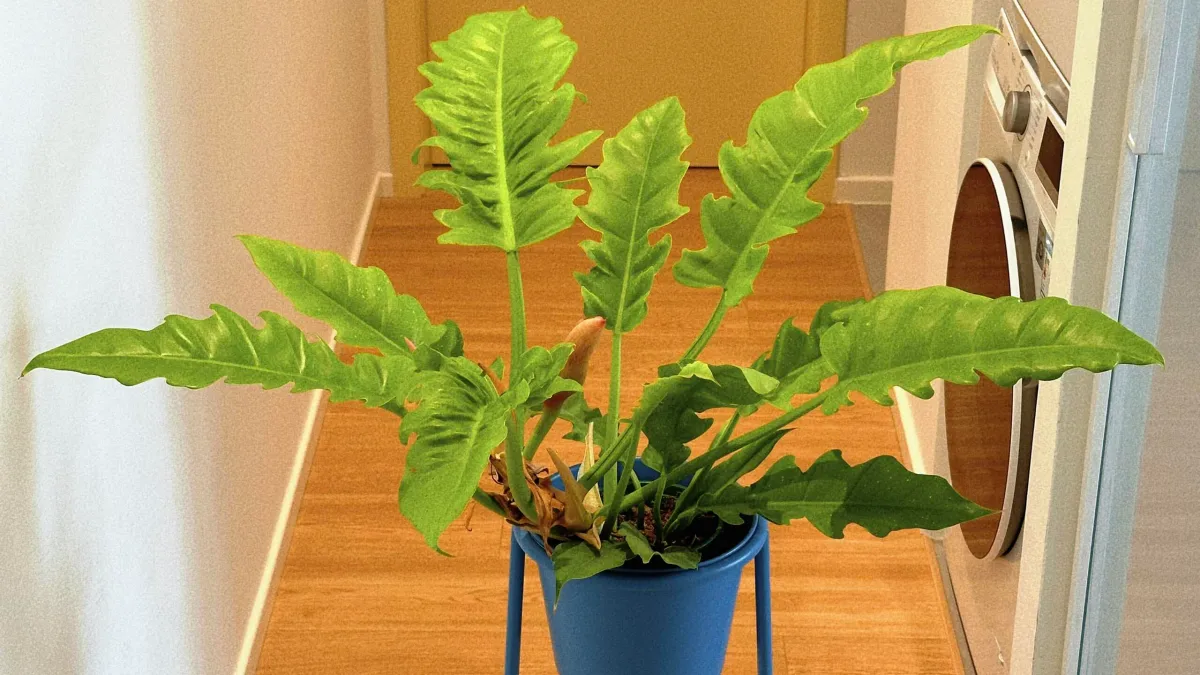
In this article, I’m not just listing generic causes. I’m sharing a few real cases from my own plants — including a Billietiae that needed reshaping, a Florida that collapsed after a sudden cold spell, and another Billietiae that turned out to be reacting to reflected light rather than low light.
What Philodendron Drooping Can Actually Mean
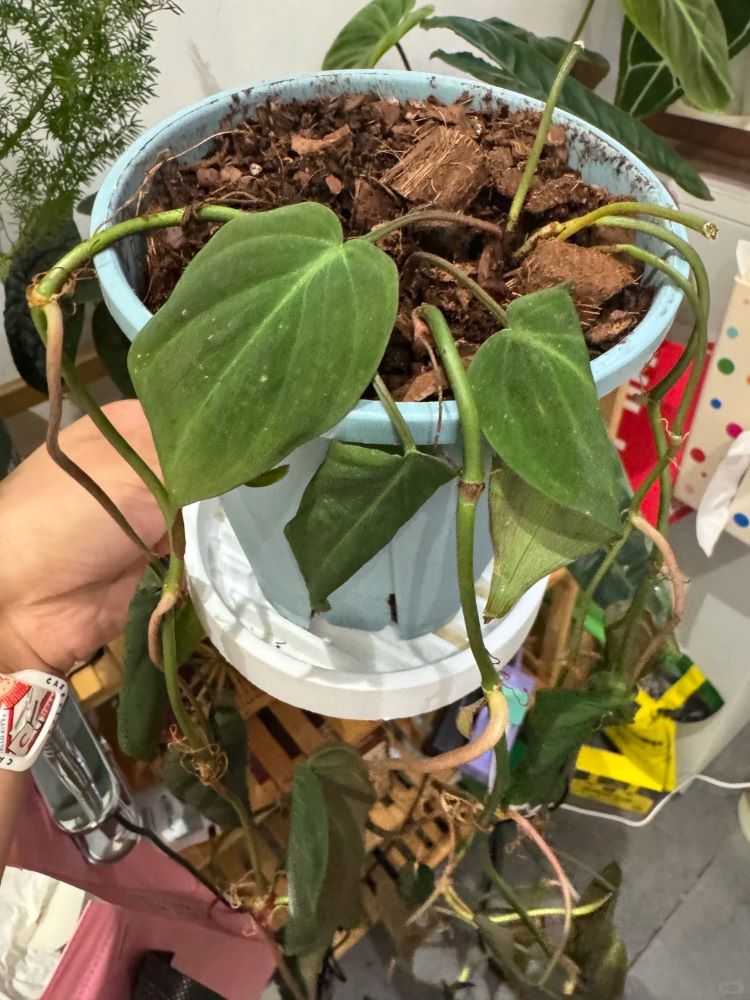
One thing I’ve learned from growing philodendrons is that drooping is only a symptom. It tells you that the plant is responding to something, but it does not tell you the reason on its own.
Sometimes drooping is connected to a real health problem. Cold damage, root trouble, dehydration, or sudden environmental stress can all cause the leaves and stems to lose firmness. In those situations, the whole plant often looks weak, soft, or unusually lifeless, and the issue usually goes beyond appearance alone.
But not all drooping means the plant is in serious trouble. Some philodendrons start leaning, hanging, or curling inward because of the way they are growing rather than because they are actually declining. As the plant gets larger, the leaves may need better support. In other cases, strong light, reflected light, or a fixed light direction can slowly change the way the petioles and leaf blades position themselves.
That is why I now separate philodendron drooping into two broad categories: health-related drooping and form-related drooping. Health-related drooping usually comes with signs like soft tissue, weak growth, yellowing points, or worsening decline over time. Form-related drooping is different — the plant may still be firm and growing, but the posture looks awkward, heavy, inward-curled, or pulled in one direction. In cases like that, I often think of it as part of a broader leaf-curling pattern rather than simple decline.
In my own plants, I’ve seen drooping caused by several very different things: lack of support, overly strong light, reflected light from bright surfaces, and true cold damage. At first glance, they all looked like “the plant is drooping,” but the fixes were completely different.
That’s why I no longer try to solve philodendron drooping by jumping straight to watering or moving the plant. I first try to understand what kind of drooping I’m looking at — because the right response depends on whether the plant is stressed, structurally unsupported, or simply reacting to the way the light is hitting it.
Case 1: My Billietiae Was Drooping and Curling Inward
One of the most frustrating kinds of philodendron drooping I’ve dealt with was not actually a health issue at all — it was a posture problem.
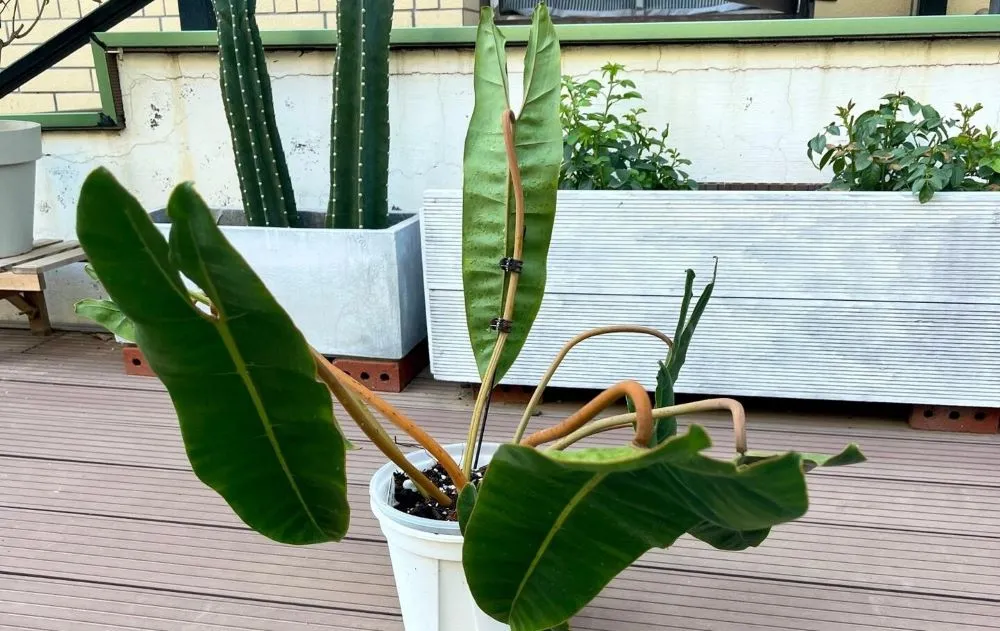
When my Billietiae was younger, it only had a single straight support pole. At first that seemed fine, but as the plant kept growing, the leaves started curling inward more and more, and the whole structure began to look awkward. The petioles were no longer holding the leaves open, and without extra support the plant looked increasingly droopy.
What made this more obvious is that Billietiae looks completely different when the posture is right. The leaves sit higher, open wider, and the whole plant looks much more balanced. Mine was still growing, but the form was getting worse.
So instead of treating it like a watering or root problem, I decided to reshape the support itself. I took out the original pole and adjusted the support according to the height and angle of each petiole. Using pliers, I bent it into a shape that could hold the leaf stems more naturally instead of forcing the whole plant against one straight stick.
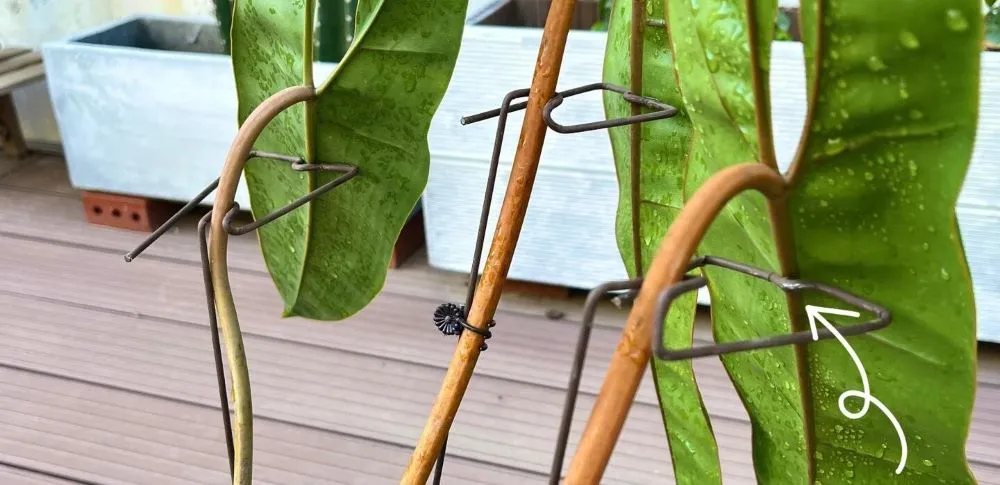
That made a big difference. The petioles stayed more upright, and the leaf blades opened outward instead of folding inward. After everything was secured and the plant was left in a stable spot with the light coming from the same direction, the posture gradually settled. In about two weeks, the whole plant already looked much better.
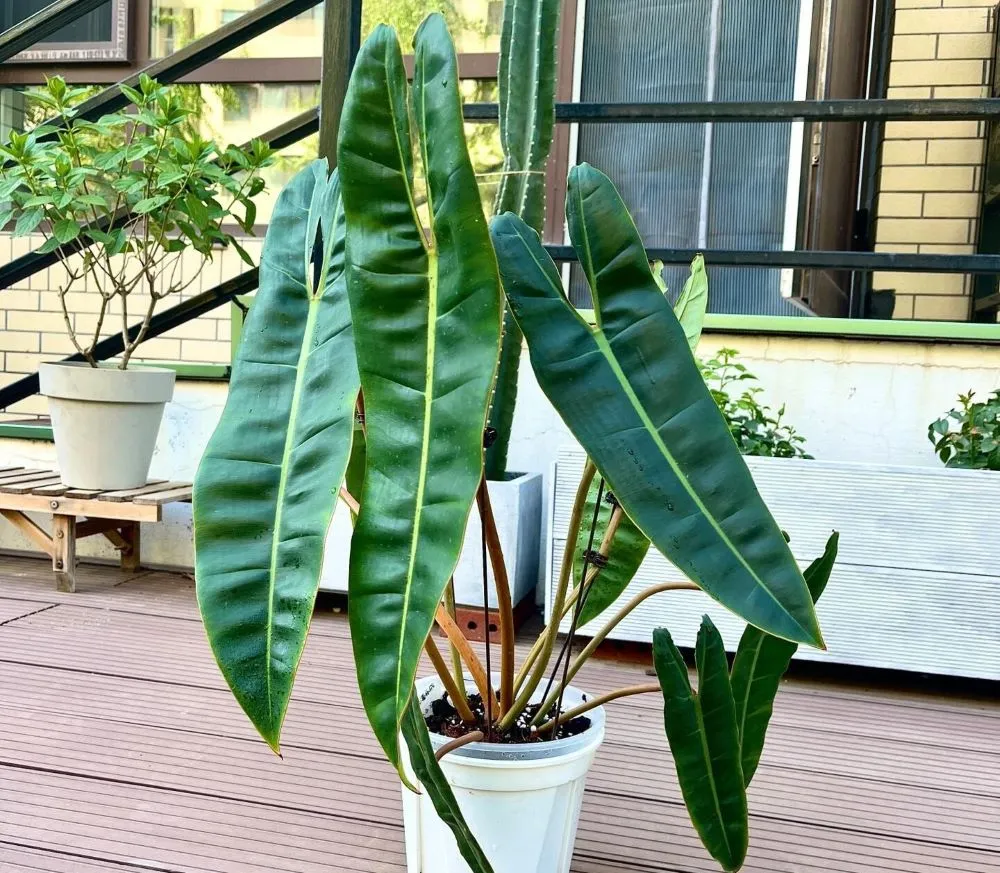
This case also taught me that inward-curling leaves are not always a sign that the plant needs more light. In my experience, Billietiae can also curl inward when the light is too strong. Pulling the leaf blade inward seems to reduce the exposed surface area, almost like the plant is trying to protect itself from excess light.
Looking back, this was a good reminder that not all drooping philodendrons are unhealthy. Sometimes the plant is still vigorous, but the support system no longer matches the way it is growing. Cases like this are also why I no longer assume every philodendron simply needs a moss pole in the same way.
Case 2: My Philodendron Florida Collapsed After a Sudden Cold Spell
This was the kind of philodendron drooping that worried me immediately, because the plant did not just look bent or awkward — it looked physically weakened.
It happened after I was away from home for about a week. During that time, the temperature suddenly dropped, and my Philodendron Florida was left sitting by the window without the heat on. When I came back, the whole plant looked limp. The leaves were hanging down heavily, and when I touched them, they felt wet, soft, and strangely weak rather than simply thirsty.
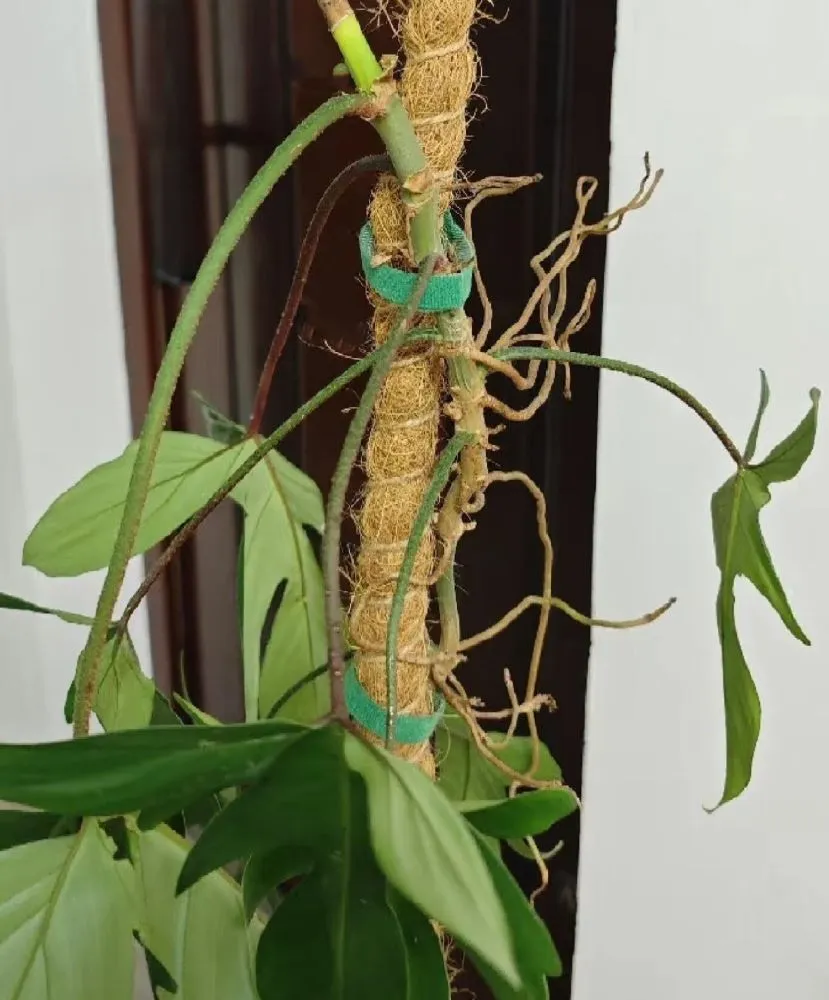
What made the situation feel more serious was that the aerial roots had changed too. They had turned yellow, and when I touched them, they also felt soft and wet. Soon after that, the growth point at the top started yellowing as well.
At that stage, I no longer thought I was looking at ordinary drooping from watering stress or temporary shock. The plant was not just losing posture — the tissue itself seemed to be breaking down after the cold exposure.
That was the moment I started to think it might not recover. If only the leaves had drooped, I would still have watched and waited. But once the aerial roots were turning soft and the top growth was declining too, the damage seemed much deeper.
In the end, that turned out to be true. Over the following month, the plant continued to decline and eventually died completely.
This case taught me that not all philodendron drooping should be treated as a simple care adjustment. If the leaves feel soft and wet instead of just limp, and especially if the aerial roots and growth point are also deteriorating, I take that much more seriously now. In my experience, once those parts start collapsing after cold damage, recovery becomes much less likely.
Case 3: My Billietiae Was Reacting to Reflected Light, Not Low Light
This was another kind of philodendron drooping that confused me at first, because the plant did not look sick in the usual way. My Billietiae was sitting in a north-facing spot, so I did not expect light stress to be the issue. But the leaves kept pointing downward, and the whole plant looked much less upright than I wanted.
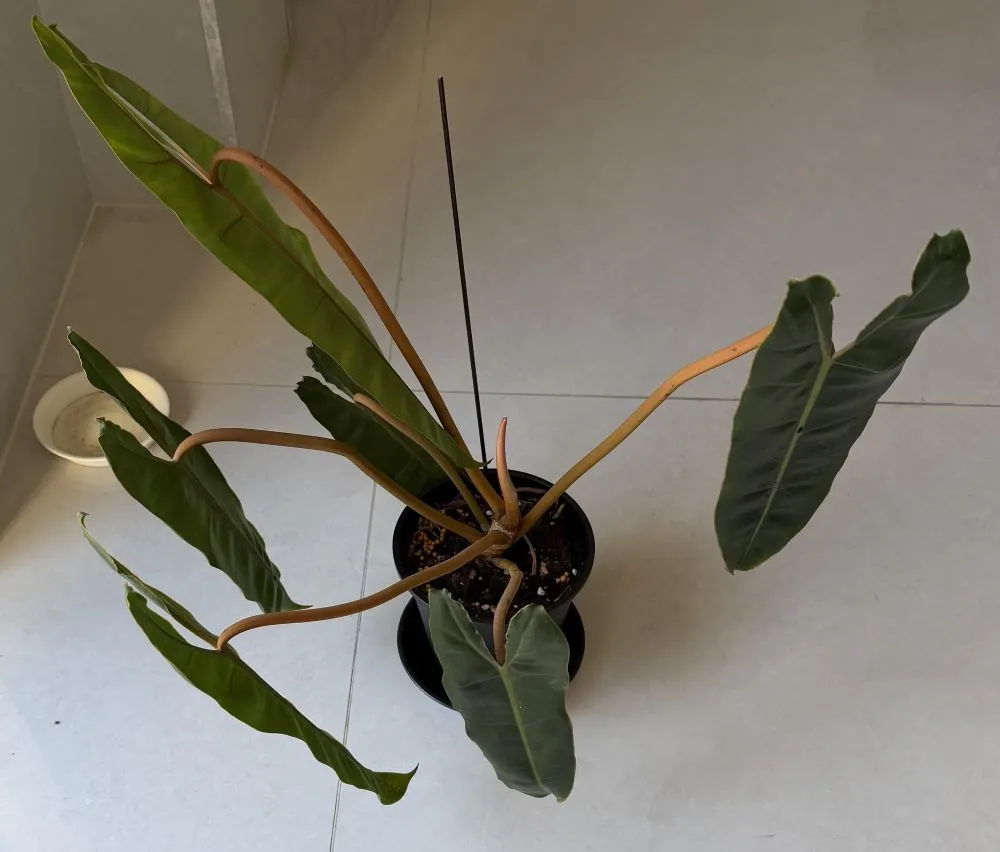
It was not the kind of collapse that comes with rot, dehydration, or cold damage. The leaves were not wet and weak. The plant was still growing. It just looked wrong — the leaf blades kept hanging downward in a way that made the whole plant seem tired and unattractive.
After watching it for a while, I eventually realized the problem might not be the window itself, but the floor. The surface nearby was quite bright and reflective, and I started to suspect that the reflected light was affecting the way the plant positioned its leaves and petioles. In other words, the plant seemed to be reading the reflected brightness from below as part of its light source, which reminded me that philodendron light needs are often more directional than people expect indoors.
Once I moved it to a different spot, the posture gradually improved. The leaves stopped pulling downward in the same way, and the whole plant started looking more natural again.
This case taught me that indoor light direction can be more complicated than it looks. With larger philodendrons, it is not always just the window that matters. Bright floors, nearby walls, and other reflective surfaces can also influence the way leaves and petioles orient themselves over time.
So when a philodendron looks droopy or oddly angled, I no longer assume the problem is always low light or poor health. Sometimes the plant is simply responding to a light pattern in the room that is easy to overlook.
How I Tell the Difference Now
After going through these different cases, I no longer react to philodendron drooping in the same way I used to. I’ve learned that the first step is not to ask, “What should I do right now?” but “What kind of drooping am I actually looking at?”
If the leaves feel soft, wet, and weak, I take the situation much more seriously. That kind of drooping usually feels different from simple thirst or awkward posture. It suggests that the tissue itself may be damaged, and it can also be easy to confuse with a plant that looks overwatered at first glance.
If the plant looks droopy in shape but the leaves and petioles still feel firm, I think more about structure and light direction. In those cases, the plant may not actually be declining at all. It may just need better support, a different position, or a more stable light pattern so the posture can settle properly.
If the leaves are curling inward rather than hanging loose, I also pay closer attention to light intensity. In my experience, that kind of inward folding can be a response to overly strong light, almost as if the plant is trying to reduce the amount of surface area being exposed.
And if the aerial roots and growth point are also turning soft, yellow, or weak, I see that as a much more serious warning sign. Once the problem goes beyond leaf posture and starts affecting those parts too, the chances of recovery can drop quickly.
More than anything, these plants have taught me that philodendron drooping is not one problem with one fix. That’s why I try to slow down and read the whole plant before reacting. For me, the most useful skill has not been memorizing a list of causes, but learning how to tell the difference between a plant that looks messy, a plant that is stressed, and a plant that is truly failing.
FAQ
Still not sure what your philodendron is telling you?
If your philodendron still seems off, this may be only one part of the picture. I’ve collected the most common indoor philodendron problems — along with the patterns I watch for and the changes that have helped my plants recover.
Go to Problems Hub →