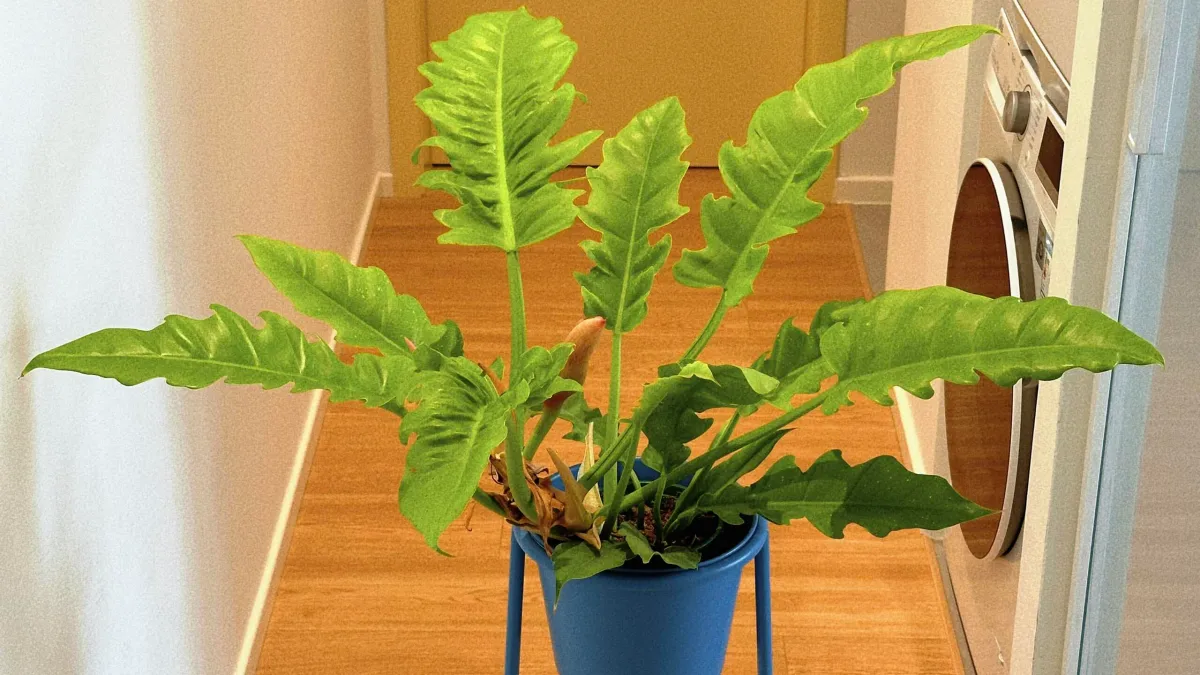
Philodendron Tortum surprised me in the beginning because it looked much tougher than it actually felt. The leaves have that narrow, fishbone-like shape, almost sharp from a distance, but the plant itself did not act fussy at all during the warmer months.
For most of the season, I treated it like one of my easier philodendrons. I watered it without thinking too much, kept it with the rest of my indoor plants, and it kept pushing out new growth. It did not give me the nervous feeling some aroids do, where one wrong watering suddenly turns into a problem.
Then the weather cooled down, and the yellow leaves started.
That was the point where I realized Philodendron Tortum is easy, but not completely foolproof. It can grow fast and look strong above the soil, but once the room gets colder and the pot stays wet for too long, the roots can still struggle. If you are trying to sort out a similar problem, I wrote more broadly about philodendron leaves turning yellow. For me, this plant was not difficult — I just trusted its summer rhythm for too long.
Why I Still Think Philodendron Tortum Is Easy Indoors
Even after the yellow leaf problem, I would still call Philodendron Tortum an easy philodendron for indoor growing. During the warmer part of the year, mine grew strongly without needing special treatment. It kept making new leaves, and I did not feel like I had to watch it every day or adjust everything around it.
That is one reason the winter problem caught me off guard. This plant had been so forgiving for so long that I started treating it almost too casually. I watered it like the rest of my philodendrons, kept it in the same plant area, and did not think of it as a sensitive plant. For a while, that worked perfectly fine.
Compared with fussier aroids, Philodendron Tortum did not sulk easily in my home. It did not need perfect humidity, constant attention, or a complicated setup to keep growing. As long as the room was warm enough, the light was decent, and the roots were not sitting in heavy wet soil, it seemed happy.
So I would not describe Tortum as difficult. I would describe it as easy during active growth, but not completely foolproof in winter. It is the kind of plant I would still recommend — just not one I would keep cold and wet.
I also grew it in both a regular soil mix and a semi-hydro setup under indoor grow lights. In my home, the soil-grown plant was clearly faster. The semi-hydro one still grew and looked neat, but it had a slower, more controlled pace. I would not use my setup as a universal rule, because the container size, root condition, light level, and transition period all matter. But if someone wants a fuller Tortum faster, I would personally still lean toward a good airy soil mix.
The Shape Is the Main Reason I Like It
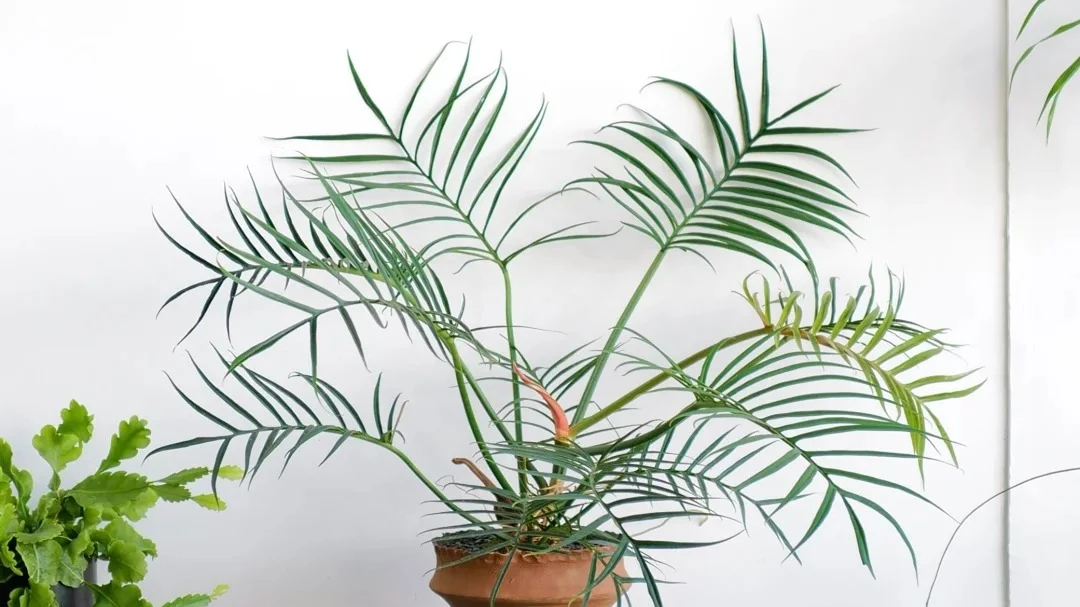
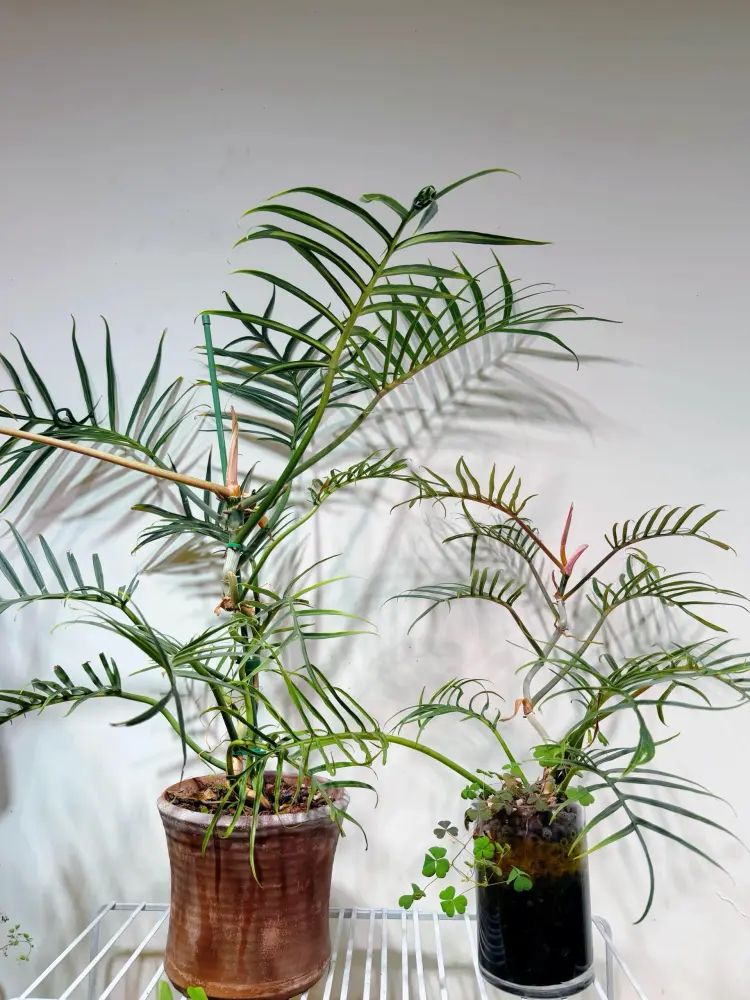
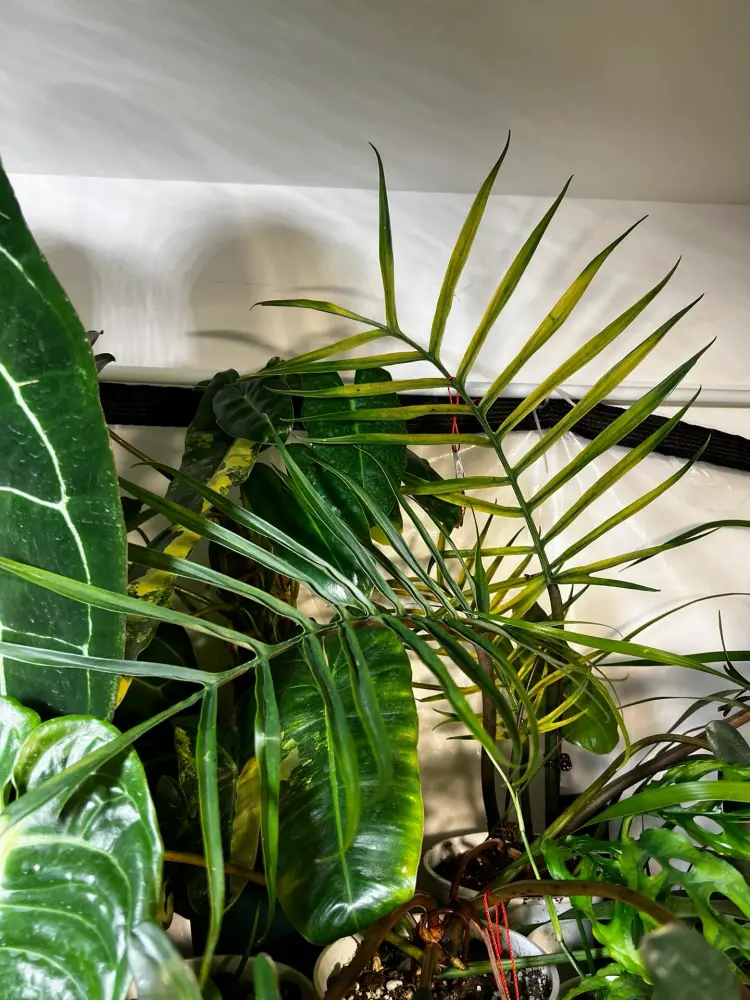
The shape is honestly the main reason I like Philodendron Tortum so much. It does not have the soft, heart-shaped look that many philodendrons have. The leaves are narrow, divided, and fishbone-like, with a slightly clawing shape that reaches out in different directions. From a distance, the whole plant looks a little wild, almost sharp.
But the funny thing is that the leaves are not stiff or prickly at all. I expected them to feel firm, maybe even a little rough, because the outline looks so dramatic. Instead, the leaves are surprisingly soft and flexible when you touch them. That contrast makes the plant more interesting to me — it looks bold and almost spiky, but it does not feel harsh.
It is also not a compact plant. Tortum does not sit politely on a small shelf and keep to itself. The leaves stretch outward, and the plant quickly creates a wide, untidy outline. Mine already needed close to 1 meter of space once the leaves spread out, which made me start thinking more seriously about where to place it.
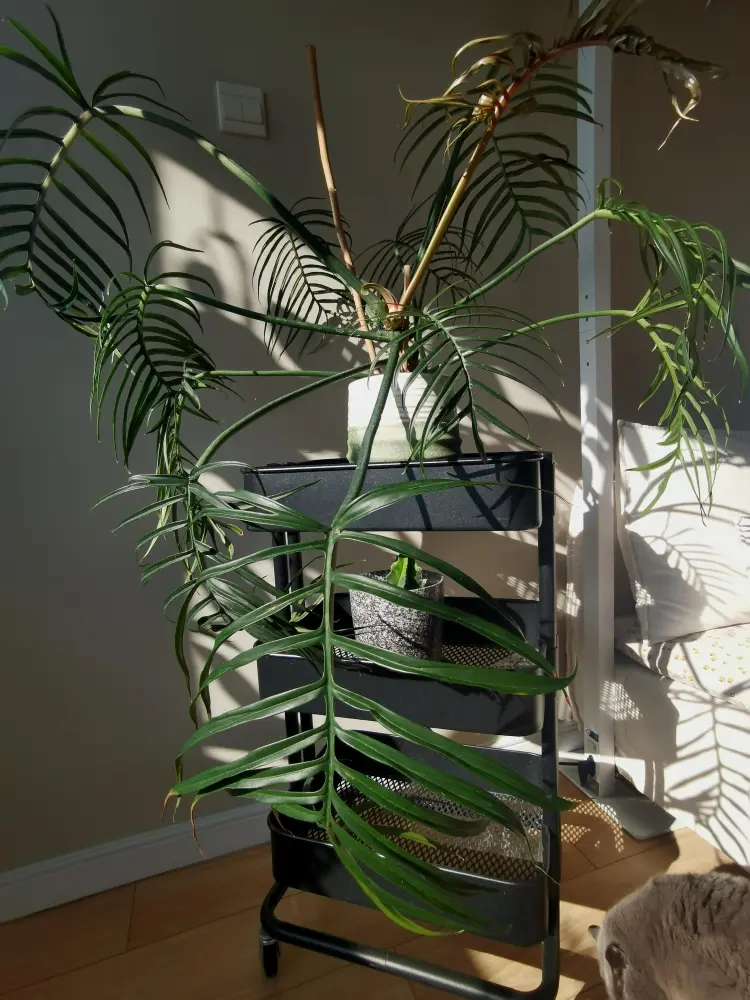
So I would recommend Philodendron Tortum more to someone who likes sculptural, slightly chaotic plants than to someone who wants a neat little tabletop philodendron. If you only have a narrow shelf or a crowded plant corner, I would think twice before buying one. The nursery pot may look manageable, but the leaf spread is the part that really takes over.
One Small Thing I Watch on the Leaf Backs
One small thing I have noticed on Philodendron Tortum is dark spotting on the backs of some leaves. In my case, it looked more like residue building up around sticky spots than a major leaf disease. My guess is that it may be related to nectar-like secretions on the leaf backs, and the sticky surface can collect dust or even develop a little sooty-looking mold if I leave it alone for too long.
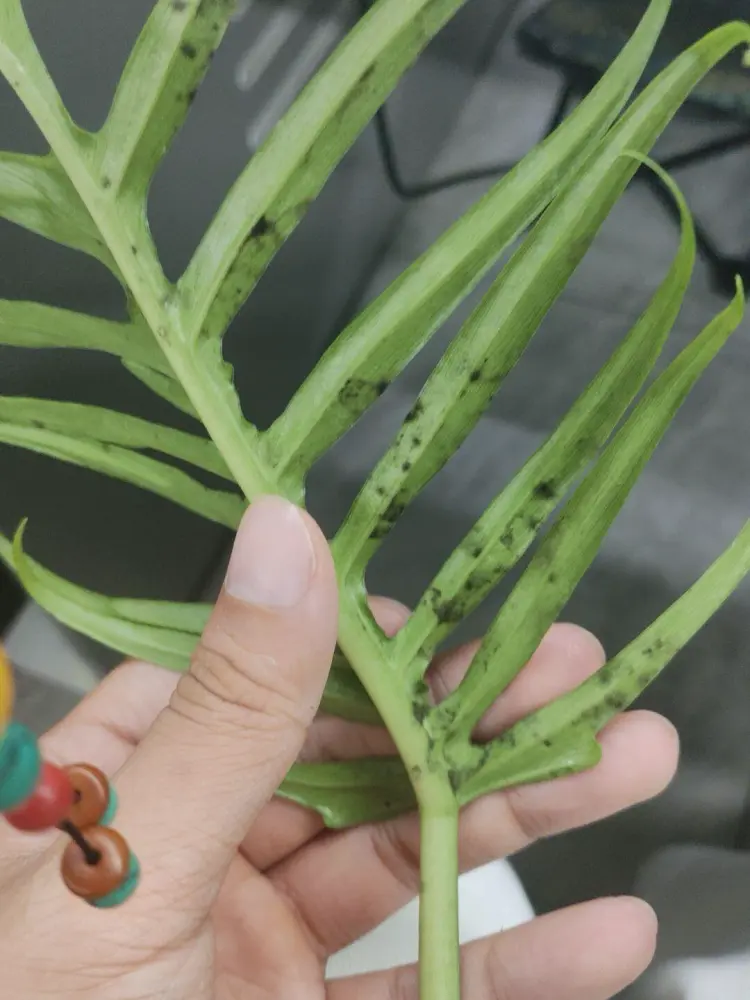
I would not call every black spot “normal,” though. If the spots spread fast, turn wet and mushy, or come with pests, yellow halos, or leaf collapse, I would treat that differently. But when the marks are mostly on the back of the leaf and the plant is otherwise growing well, I usually start by wiping the leaf backs gently and watching whether the spots return.
This is another reason I like checking Tortum by hand instead of only looking at it from a distance. The leaves may look wild and delicate, but they are soft enough that I can wipe them gently without feeling like I am handling a stiff, fragile plant.
Where Things Went Wrong: Cold Weather and Wet Soil
The problem started after the weather cooled down. Before that, my Philodendron Tortum had been growing well, so I kept treating it the same way. I watered it casually, kept it with the rest of my plants, and did not think too much about whether the pot was drying as fast as before.
Once the room became cooler, the soil stayed damp for much longer. The plant was no longer using water as quickly, but I was still caring for it as if it were in active warm-season growth. At first, nothing looked dramatic. Then the yellow leaves started appearing quickly, and it no longer felt like normal old-leaf shedding.
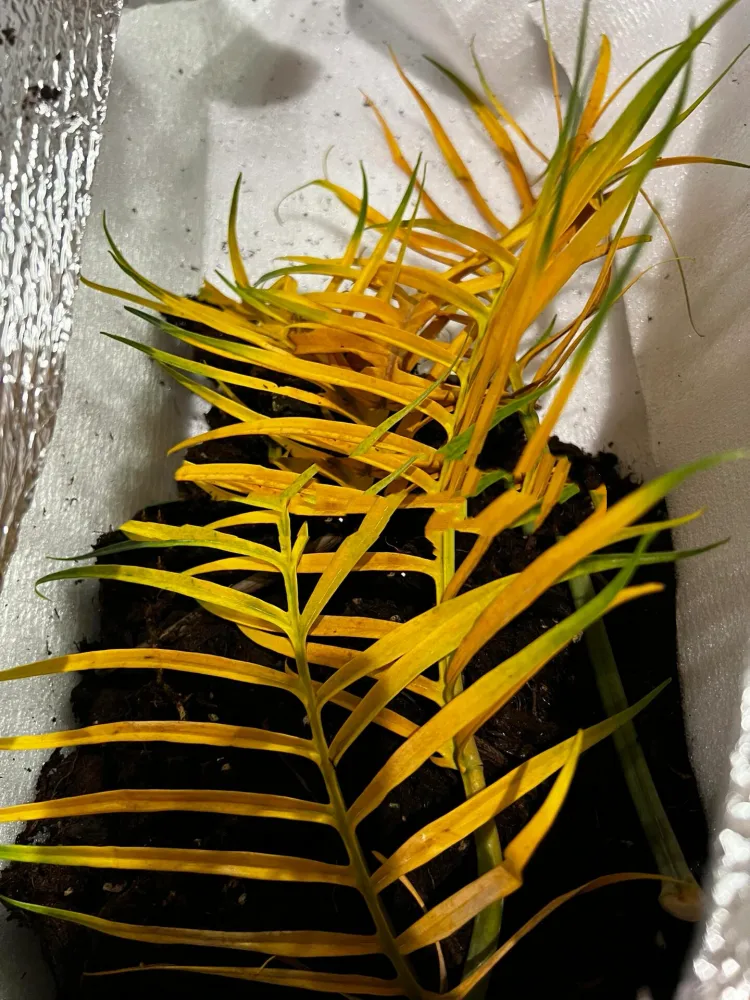
It felt more like the result of cold, slow-drying soil sitting around the roots for too long. The plant still looked strong above the soil, but below the surface, the roots were likely under stress. My mistake was not one single watering. It was keeping the same philodendron watering rhythm after the room had already changed.
What I Did After the Yellow Leaves Got Worse
Once the yellow leaves started getting worse, I did not want to keep guessing from the top of the plant. With Philodendron Tortum, the leaves can still look fairly strong for a while, even when something is not quite right below the soil. So instead of only adjusting the watering and hoping for the best, I decided to check the roots.
I Checked the Roots Instead of Guessing
I took the plant out of the pot and looked at the root system directly. At that point, I was mainly looking for roots that were black, soft, hollow, or clearly rotting. Those are the roots I removed.
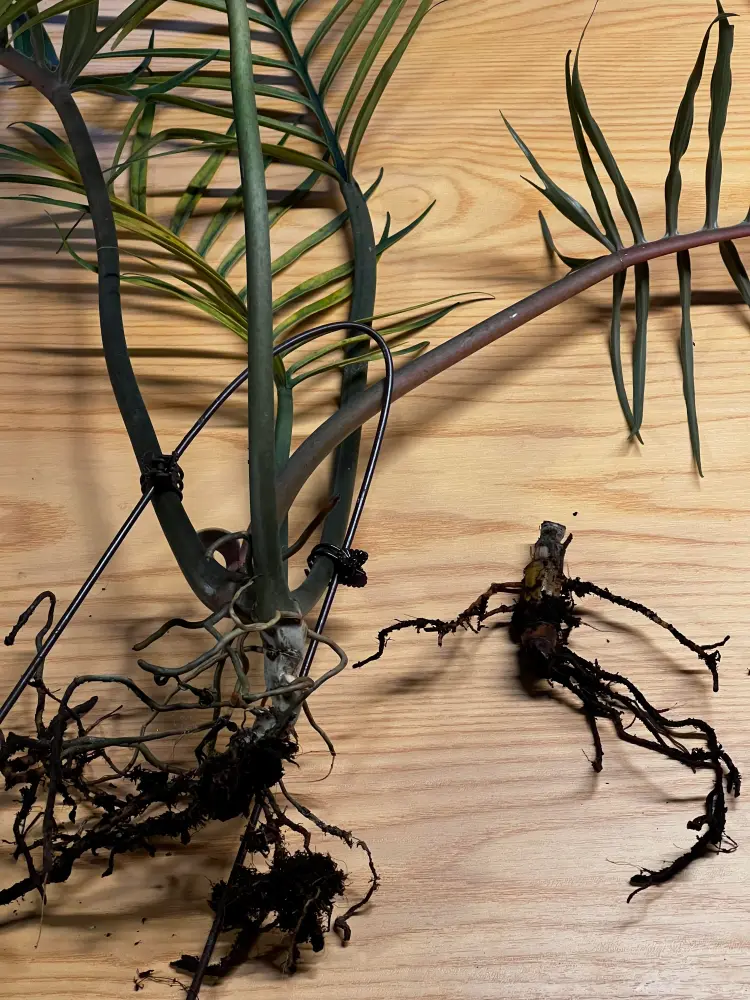
I kept the roots that still felt firm and looked pale or healthy. Some roots can look a little strange after sitting in damp soil, so I try not to cut everything just because it does not look perfect. For me, the main rule is simple: if the root is firm, I leave it; if it is mushy, dark, or falling apart, I cut it off.
This is also why I do not like judging a plant only by yellow leaves. Yellowing tells me something may be wrong, but the roots usually tell me how serious the problem actually is.
I Moved It Into a Lighter Mix
After cleaning up the roots, I moved the plant into a lighter, airier mix. My rough mix was peat-based soil, perlite, and coconut husk at around 4:3:3. I did not measure it like a recipe in a lab, but that was the general direction I wanted. This is close to the kind of balance I look for in a good philodendron soil mix: enough moisture to stop the plant from drying too fast, but enough air around the roots that the pot would not stay heavy and wet for too long.
The goal was not to make the plant dry out instantly. That can stress a recovering plant too. What I wanted was a mix that could hold some moisture while still giving the roots space to breathe, especially during cooler weather when everything dries more slowly.
I care more about the whole mix being airy than relying on a drainage layer at the bottom. A few clay balls or chunky pieces at the base will not save a plant if the main potting mix stays dense and wet for days. For this Tortum, the real fix was not just “better drainage” at the bottom — it was making the entire root zone less suffocating.
I Cut Back the Worst Leaves and Kept the Strongest Growth
I also removed the leaves that were already clearly yellowing. At that point, I was not trying to keep the plant looking full. I cared more about reducing stress and keeping the healthiest growth alive.
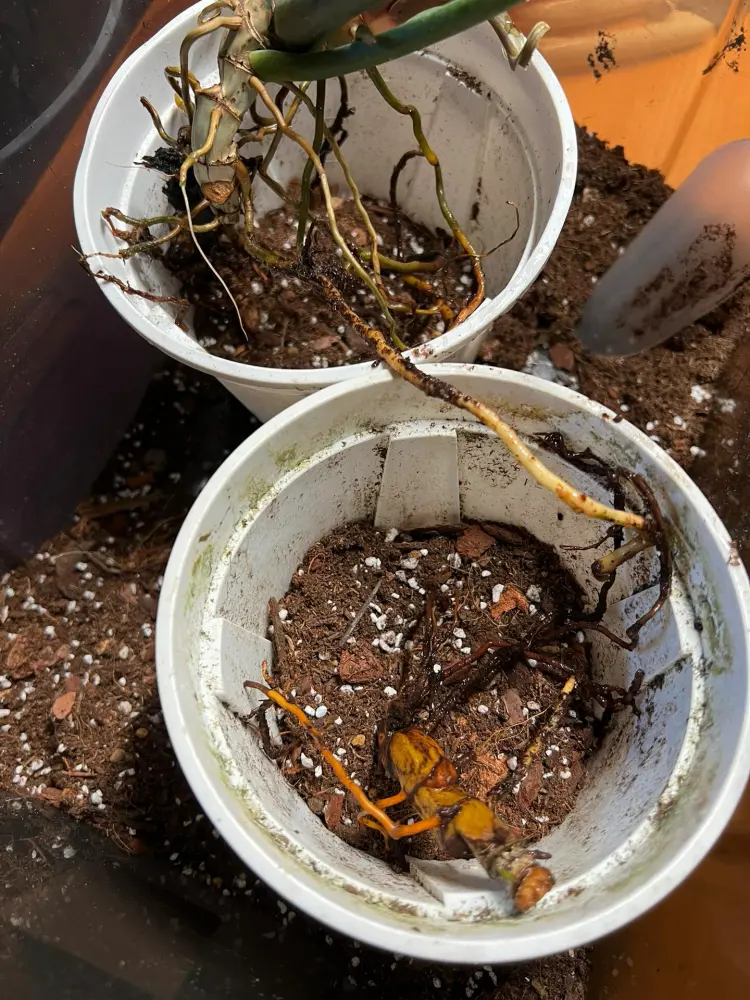
During the repot, I ended up separating the top growth from the lower base section. I am not calling that a success story yet — for now, it is more of a recovery experiment. I placed both pieces back with my other plants and will watch how they respond.
How I Would Care for Philodendron Tortum in Winter Now
After this, I would start adjusting my care before winter really settles in, not after the yellow leaves appear. The biggest change for me would be reducing watering earlier in fall. Once the room starts cooling down and the days become shorter, I would not keep using the same watering rhythm that worked in summer.
I would also check the pot differently. The top layer of soil can look dry while the lower part of the pot is still cold and damp, so I would not rely only on the surface. I would lift the pot, feel the weight, and pay attention to how cool the mix feels. If the pot still feels heavy, cold, and damp, I would leave it alone.
Light still matters in winter, but I would not place Tortum somewhere bright if the pot is sitting against cold glass or in a drafty window corner. A plant can receive decent light and still struggle if the root zone stays cold. For me, a slightly safer, warmer spot is better than chasing the brightest window and chilling the roots at night.
I would also stop fertilizing if the plant has already shown signs of root stress. Weak or recovering roots do not need extra fertilizer pushing them. I would wait until I see active new growth again before feeding lightly.
In winter, I do not want Philodendron Tortum sitting in a cold, heavy pot. Good light helps philodendrons, but warmth and air around the roots matter just as much when the plant has slowed down.
Would I Still Recommend Philodendron Tortum?
Yes, I still like Philodendron Tortum a lot. Even after the yellow leaf problem, it is not a plant I regret growing. It has that dramatic, slightly wild shape I always enjoy in indoor plants, and it grows fast enough to feel rewarding when the conditions are right.
The only extra warning I would add is about pets. The thin, dangling leaf segments seem very tempting to cats. Mine had part of the lower growth chewed, which did not ruin the plant, but it reminded me that this is not a plant I would place where a curious cat can reach it easily. I wrote more about this in my guide to philodendron toxicity to cats.
But I would not describe it as completely foolproof. During active growth, mine felt easy and forgiving. In cooler weather, though, it clearly needed more careful watering than I gave it. If your home stays warm and your potting mix dries at a reasonable pace, Tortum can be a very easy plant to enjoy. If your room gets cold and the soil stays wet for too long, that is where problems can start.
So yes, Philodendron Tortum is still a plant I would recommend, but I would describe it honestly: easy most of the year, dramatic in shape, surprisingly soft to touch, and much less forgiving when cold wet soil sits around the roots.
FAQ
Still exploring philodendron varieties?
Philodendron Tortum is not a difficult plant in my home, but it is not a tiny shelf plant either. If you like its wild, fishbone-shaped leaves, I would compare it with a few other philodendron varieties before buying one. You can return to my main philodendron varieties page to see other leaf shapes, growth habits, and care differences.
Go to Varieties Hub →