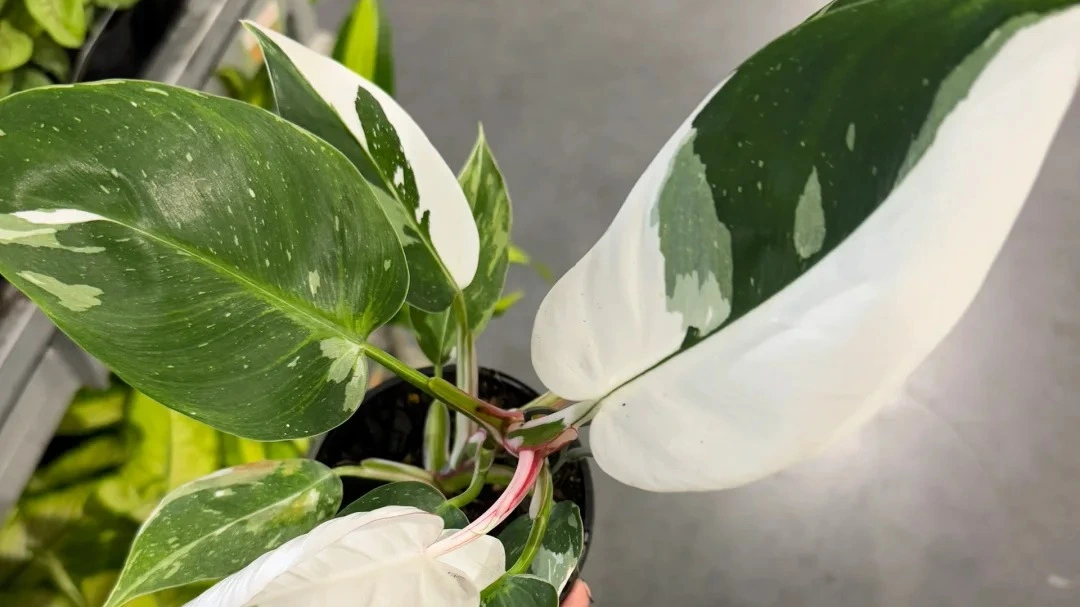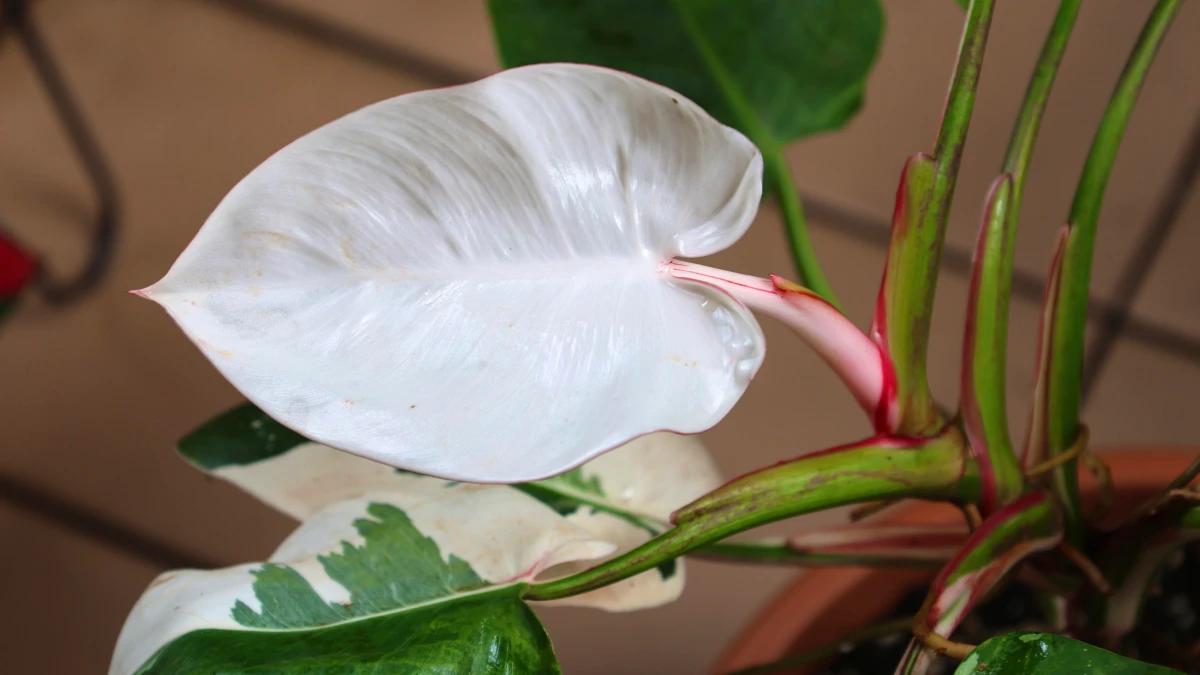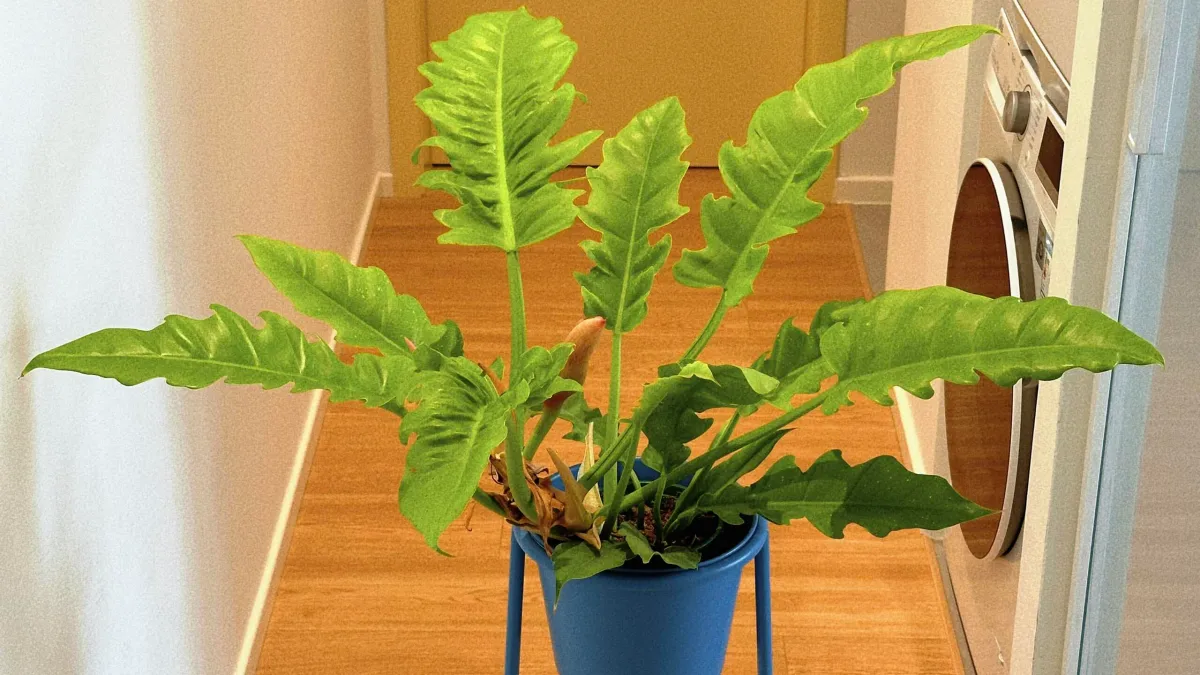
When people buy a philodendron, one of the most common assumptions is that it will eventually need a moss pole. I used to see that advice everywhere too, and for a while it made philodendrons sound much more uniform than they really are. But after growing different types, I don’t think that idea holds up very well.
The truth is that not all philodendrons need a moss pole, and some do not benefit from one nearly as much as people expect. A climbing philodendron usually responds very differently from a self-heading one, and a crawling type is another case again. Lumping them all together creates a lot of unnecessary confusion, especially for beginners trying to decide what support their plant actually needs.
So before deciding whether a philodendron should go on a moss pole, I think the first thing to look at is how that plant naturally grows. Is it a climber that wants to attach and move upward, a self-heading type that grows upright from the center, or a crawler that wants to move across the surface? That distinction matters much more than the plant simply being called a philodendron, which is also why it helps to compare different philodendron types before deciding on support.
Short Answer: No, Not All Philodendrons Need a Moss Pole
No — not all philodendrons need a moss pole. Some climbing types benefit from one very clearly, while others can grow perfectly well without it, and some types hardly need one at all.
The key is not the plant label, but the way that philodendron grows. Climbing, self-heading, and crawling types use support very differently, which is why one answer does not fit them all.
Which Philodendrons Benefit Most From a Moss Pole?
Climbing Philodendrons
The philodendrons that benefit most from a moss pole are usually the climbing types. These are the ones that naturally grow by attaching themselves to a surface and moving upward over time. In that kind of growth habit, support is not just about keeping the plant from falling over — it is part of how the plant develops.
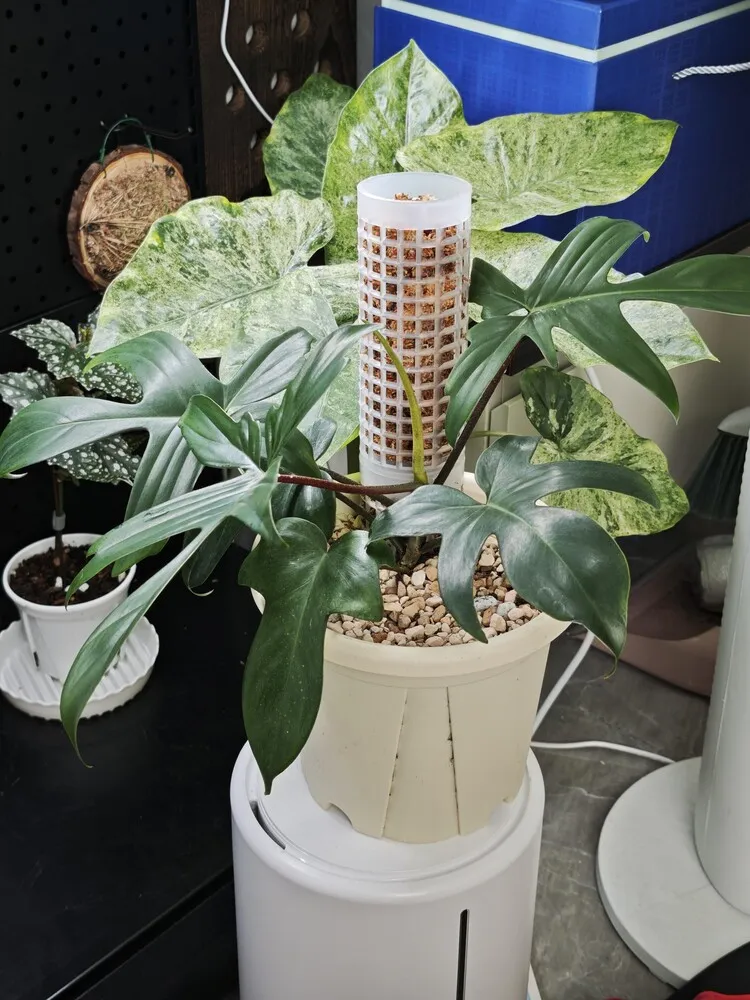
When a climbing philodendron is given a proper moss pole, it often grows in a way that looks more stable, more upright, and more organized. The stem usually stays more controlled, the plant looks less loose, and the newer growth often develops with better consistency. In many cases, this also helps the leaves become larger, thicker, and more mature-looking than they would on an unsupported vine.
This is especially noticeable in plants like Philodendron micans, Brasil, hederaceum, melanochrysum, verrucosum, and many Florida-type philodendrons. Plants like micans can still survive without a moss pole, but if you want tighter growth, stronger upward development, and leaves that move closer to their mature form, this is the group where a moss pole usually makes the biggest difference.
Which Philodendrons Usually Do Not Need a Moss Pole?
Self-Heading Philodendrons
Self-heading philodendrons grow in a more upright, compact form instead of producing long climbing vines. Their shape is built by stacking growth more tightly over time, rather than attaching themselves to a surface and moving upward the way climbing types do.
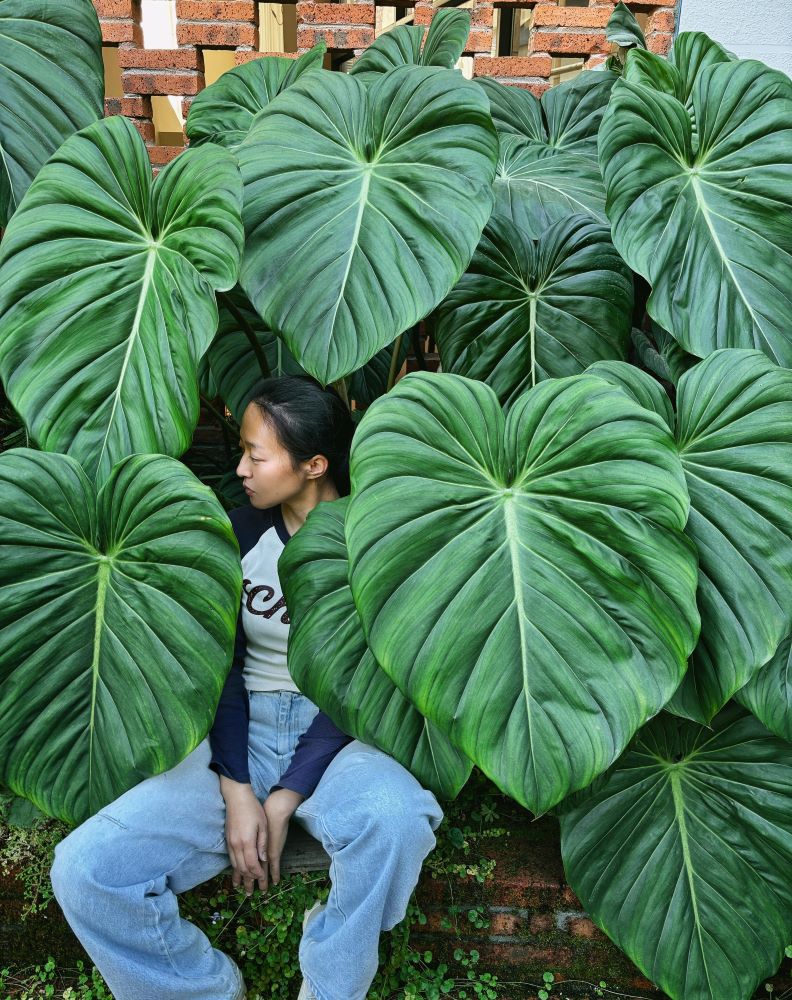
Because of that, these types usually do not need a moss pole. In most cases, adding one does very little for the plant’s natural development. The plant may eventually need a simple stake or support if it becomes top-heavy, but that is different from needing a moss pole for climbing. Common examples include Prince of Orange, Moonlight, Birkin, Black Cardinal, Imperial Red, and Congo-type philodendrons.
Crawling Philodendrons
Crawling philodendrons are another group that usually does not need a moss pole. These plants do not naturally grow straight up. Instead, they move horizontally across the surface, extending along the soil as the stem creeps forward over time.
For these types, the better setup is usually a longer pot or more horizontal growing space, not a vertical pole. Trying to train them onto a moss pole often works against the way they actually want to grow. Philodendrons like gloriosum, plowmanii, mamei, and pastazanum are much better examples of plants that want room to crawl than plants that need to climb.
What Happens If You Don’t Give a Climbing Philodendron a Moss Pole?
If you do not give a climbing philodendron a moss pole, it can still survive and keep growing. This is usually not a life-or-death issue. A healthy plant can continue putting out leaves without being attached to a moss pole, especially if the light, watering, and root health are otherwise good.
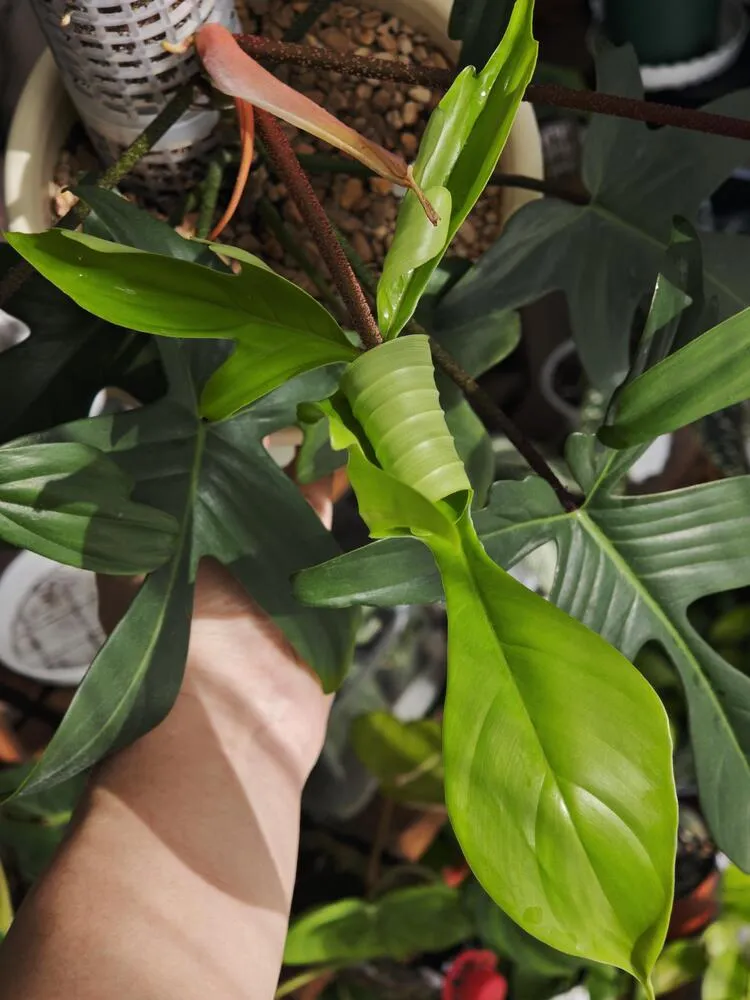
The difference usually shows up in form and development, not basic survival. Without a proper surface to climb, the main stem often starts to stretch, bend, or wander. The spacing between nodes can become longer, the plant may look looser and less balanced, and the newer leaves often stay in a more juvenile stage instead of gradually sizing up. Some climbing philodendrons show this difference much more clearly than others. The effect is often more dramatic in plants grown for larger, more mature foliage than in simpler vining types that people are happy to let trail or climb loosely.
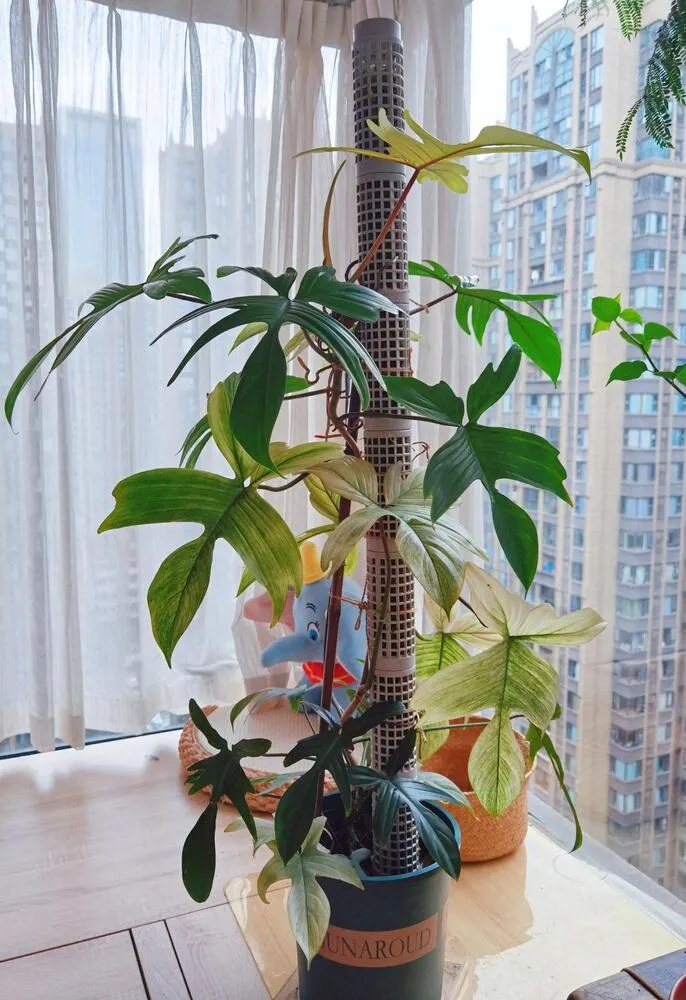
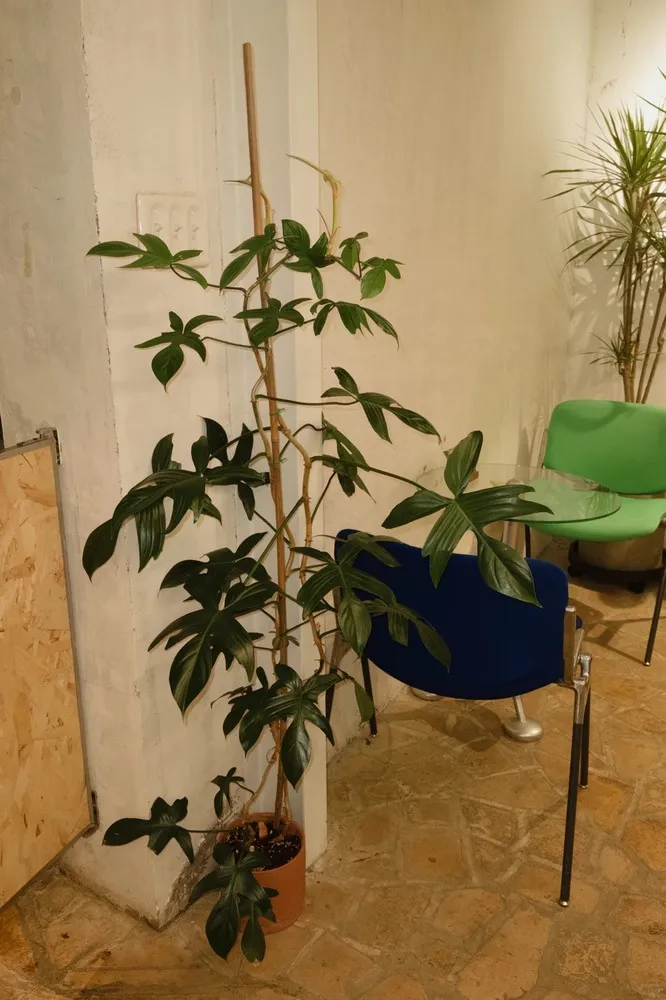
A simple stake can still be useful because it helps keep the plant upright and prevents the stem from flopping around too much. But in my experience, that is not the same as giving a climbing philodendron something it can actually attach to and grow against. A stake mainly offers support. A moss pole does more to support the way the plant naturally develops.
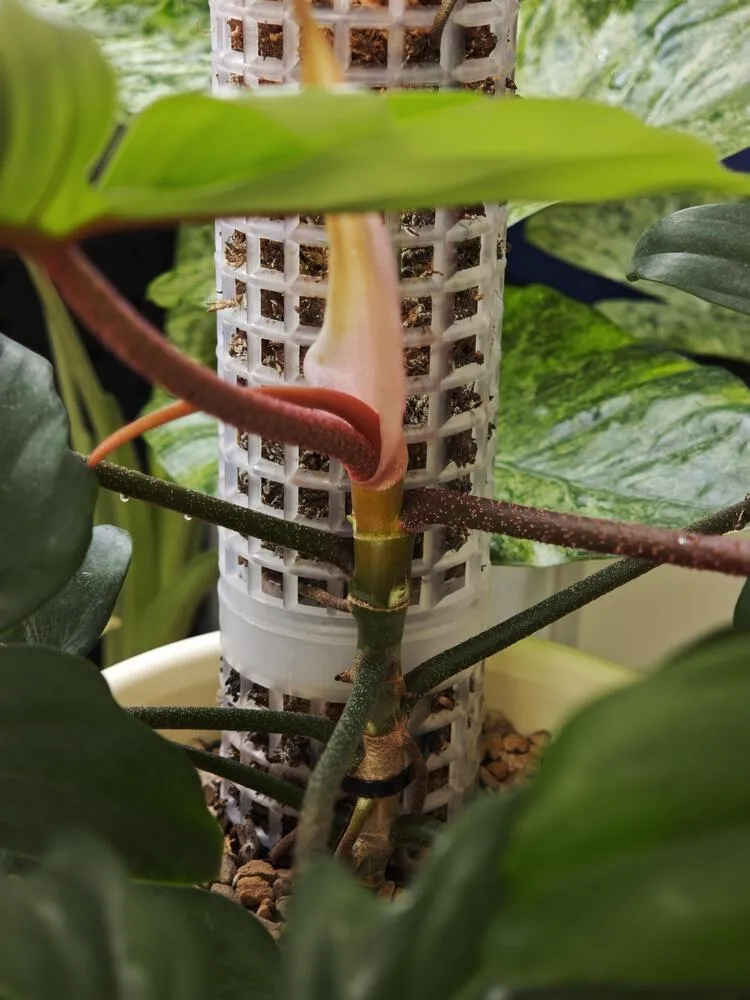
That difference becomes more obvious over time. On a proper moss pole, aerial roots are more likely to engage with the surface, the top growth tends to stay stronger, and the newer leaves often come in larger, thicker, and more mature-looking. So for me, the real question is not whether a climbing philodendron can live without a moss pole. It usually can. The better question is whether you want it to simply continue growing, or whether you want it to develop into a stronger and more structured version of itself.
Does a Philodendron Need a Moss Pole or Just Some Kind of Support?
Not every climbing philodendron absolutely needs a true moss pole. In some cases, a stake, wooden plank, trellis, or coir pole can still be useful and may be completely enough for the way you want to grow the plant. A lot depends on whether your goal is simply to keep the stem upright, or to encourage more mature upward growth. If you already know you want to use one, the next question is usually how to put a philodendron on a moss pole properly.
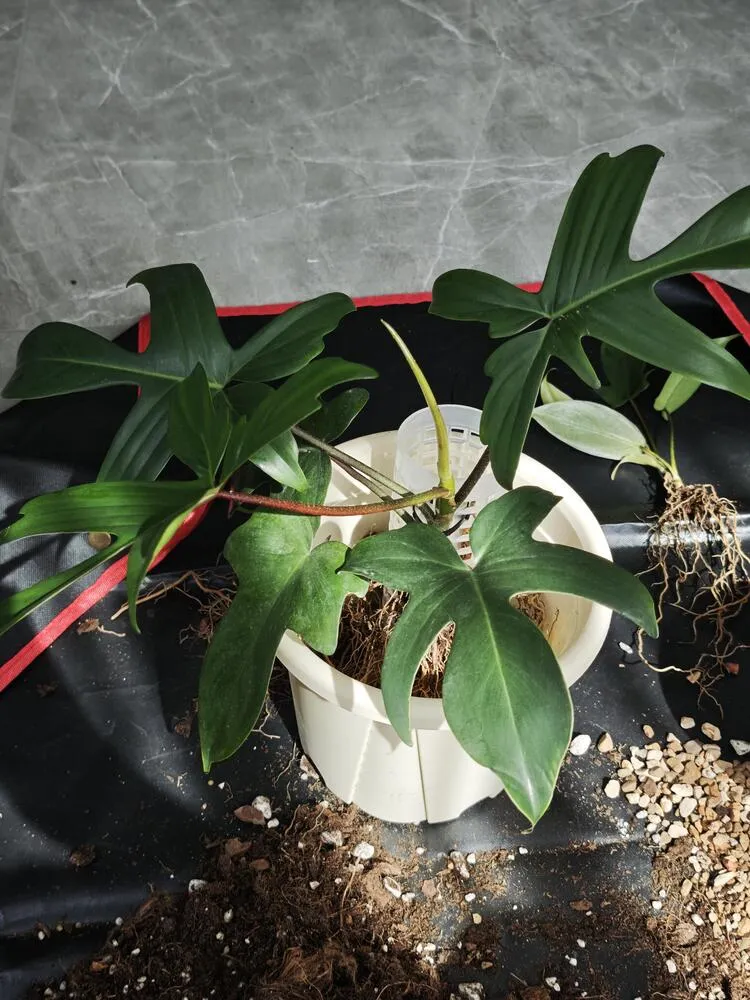
If you mainly want the plant to look tidier and avoid bending all over the place, a basic support can do that job well enough. A stake or trellis can help guide the vine, keep the plant from flopping, and make it easier to manage indoors. For many growers, that is already enough.
But if your goal is to give the plant a surface that aerial roots can actually engage with, and to encourage larger, thicker, more mature leaves, a moss pole usually has a clear advantage. It is not just vertical support — it is a more functional climbing surface. So no, a philodendron does not always need a moss pole specifically. But if you want the benefits that come from real attachment and stronger top growth, a moss pole is often the most effective option.
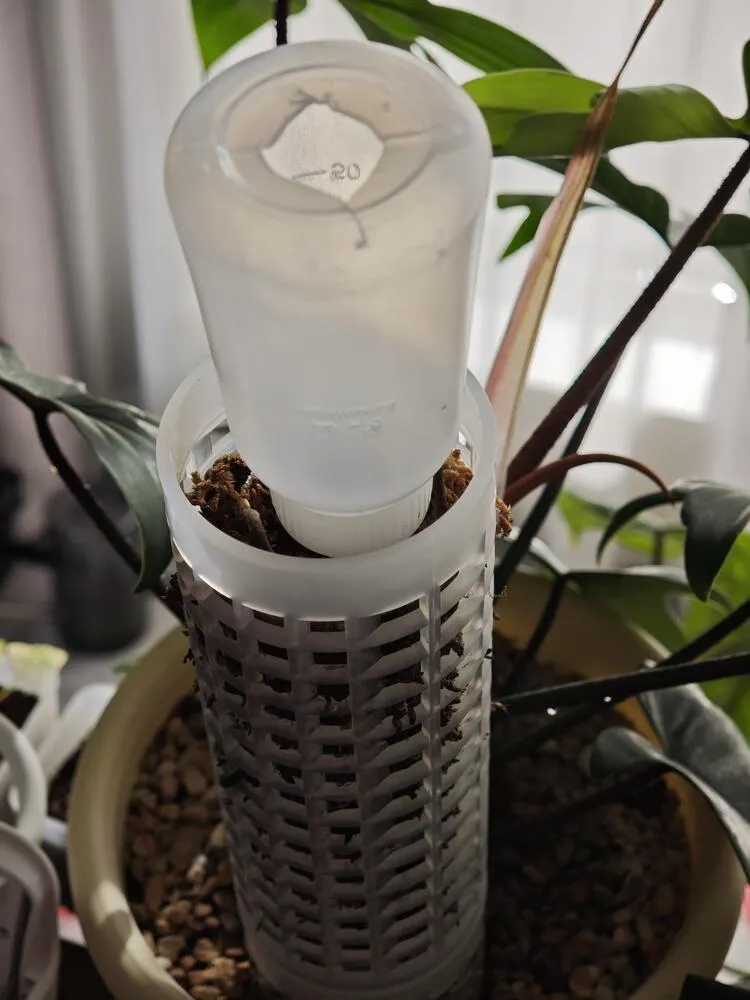
How to Tell Whether Your Philodendron Needs a Pole
I Look at the Growth Habit
The first thing I look at is how the plant naturally wants to grow. Is it trying to climb upward, stay compact from the center, or move horizontally across the surface? That tells me much more than the plant label alone. A climbing philodendron is the one most likely to benefit from some kind of upward support, while a self-heading or crawling type usually needs something different — or nothing at all.
I Watch the Stem and Node Spacing
I also pay attention to what the stem is doing over time. If the vine is getting longer, the nodes are spacing out more, and the plant looks like it is starting to reach or lean, that usually tells me it would benefit from support. I also watch for aerial roots and whether the plant seems to be looking for something to attach to. When a climbing philodendron starts getting looser and more stretched instead of building stronger upward growth, that is usually my sign that it is ready for more than just a pot and open air.
I Think About My Goal
The last part is personal: what do I actually want this plant to become? If I want it to trail casually, I may not give it a moss pole at all. If I want it to stay tidier, a simple support might be enough. But if I want larger leaves, stronger top growth, and a more mature look, then I usually lean toward giving it a real climbing surface.
That is why I would not say every philodendron needs a moss pole. For me, the better approach is to look at the plant’s growth habit, watch how it behaves over time, and then decide based on the result I want. A moss pole is a tool, not a rule.
FAQ
Still exploring philodendron care?
If you’re comparing care routines, common problems, or indoor growing conditions, my main philodendron care page is the best place to keep exploring. It brings together the most useful guides in one place.
Go to Care Hub →