When a philodendron starts developing brown or yellow spots, I usually don’t treat those as two completely separate problems right away. In real life, the line between them is often blurry. A spot may begin as a pale yellow area, then darken, dry out, or collapse into brown tissue later. That is why I’ve found that color alone rarely tells the full story.
What matters more to me is how the spot behaves. I look at the shape, whether the tissue feels dry or soft, where the spotting is showing up on the plant, and whether it is staying stable or spreading. A few dry patches on the side facing the window mean something very different from small dark spots with yellow halos, or from yellow areas that keep enlarging and turning brown. Once a philodendron starts yellowing more broadly, I usually stop treating it as a simple surface blemish.
So when I’m trying to figure out what philodendron spots really mean, I don’t start by asking whether they are yellow or brown. I start by asking what kind of damage pattern I’m actually looking at. For me, that usually leads to a much more useful answer than color alone.
What the Spots Actually Look Like Tells Me More Than the Color
Small Brown Spots With Yellow Halos
When I see small brown spots surrounded by a yellow halo, I start thinking more seriously about some kind of leaf spot issue rather than simple dryness or old-leaf aging. That kind of pattern often looks more defined than random stress damage. The center darkens, the tissue around it yellows, and the spot can look like it is being outlined rather than fading naturally.
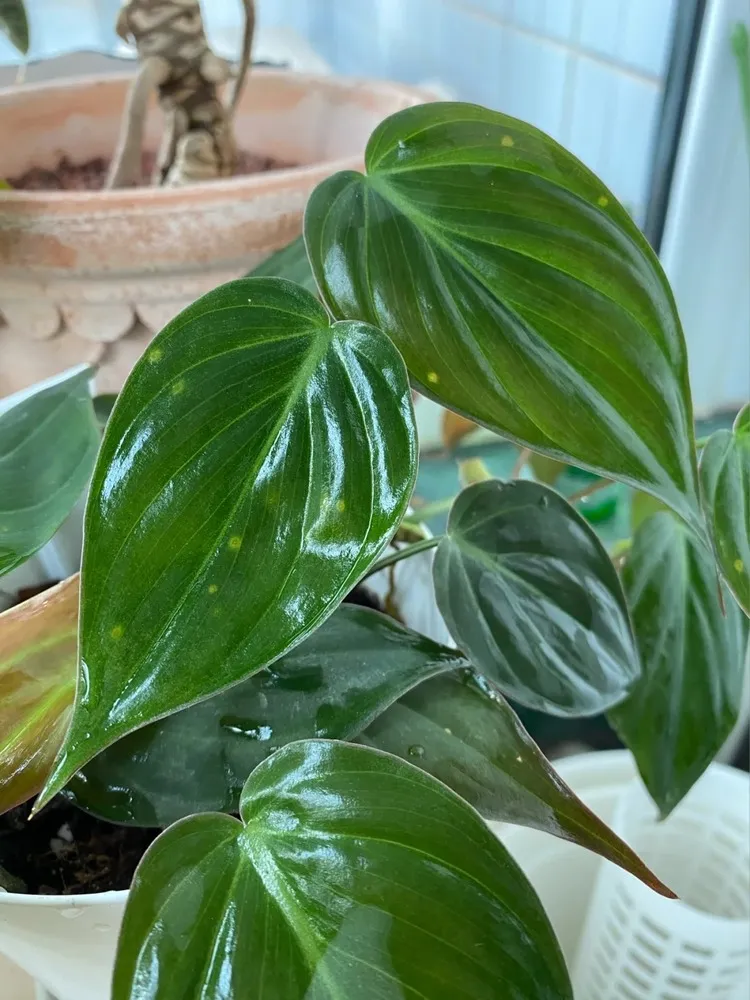
This is the kind of spotting that makes me pay attention to leaf wetness, stagnant air, and whether new spots are continuing to appear. I do not immediately assume a severe disease from one spot alone, but this is one of the patterns that pushes me to watch much more carefully for bacterial or fungal involvement.
Pale Yellow Spots That Later Turn Brown
Some spots start out much lighter. They may look pale yellow, slightly translucent, or water-soaked at first, and only later turn tan or brown as the damaged tissue dies off. When I see that sequence, I often think first about edema, moisture imbalance, or early tissue stress rather than sunburn or pests.
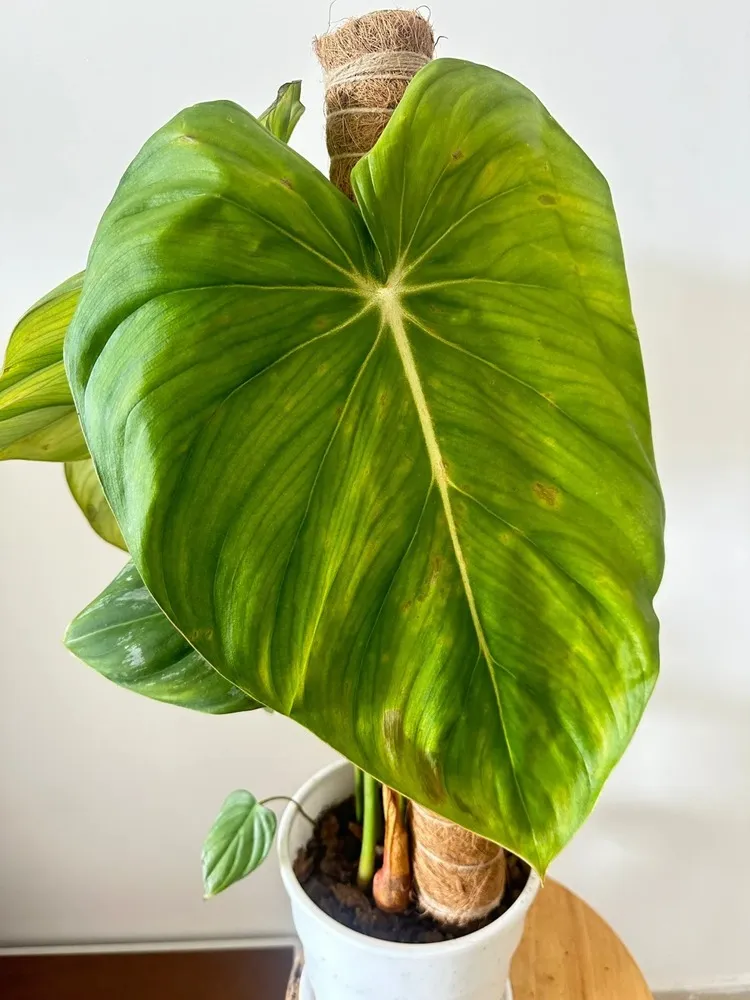
This kind of damage usually feels more like the plant has struggled with water movement or internal pressure than with something chewing on the leaf. The yellow stage matters here, because by the time the tissue turns brown, the original clue is easy to miss. That is one reason I try to notice spots early instead of only once they have dried into dead patches.
Dry Brown Patches on the Bright Side of the Leaf
When the damaged area looks dry, papery, and more patch-like than spot-like, especially on the side of the leaf facing stronger light, I start thinking about sunburn or scorch. That kind of damage makes much more sense once you understand how much light philodendrons can actually handle indoors. This kind of damage usually does not look wet or soft. It looks more like the tissue has been bleached, dried out, and then crisped over.
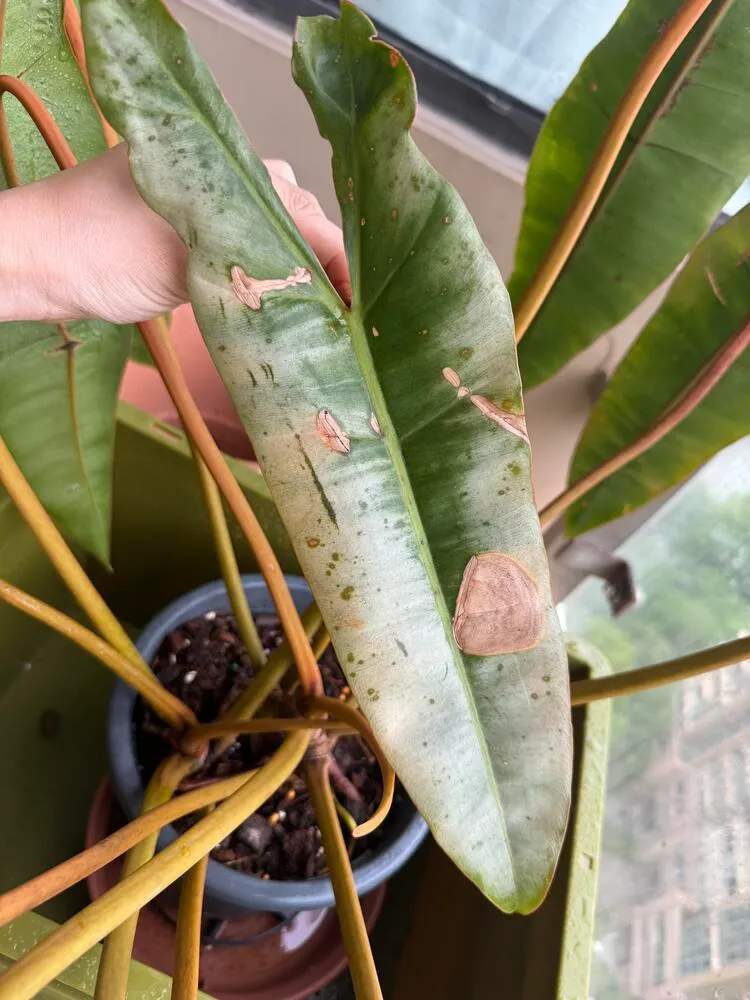
Location matters a lot here. If the plant recently got stronger direct light, was moved closer to a window, or only the brightest-facing leaves are affected, that pushes me even more in that direction. This kind of brown damage usually feels different from moisture-related spotting because it tends to stay drier and more fixed in place.
Brown Patches After Cold Exposure
Sometimes a brown patch is not about sun, pests, or disease at all. If a philodendron has recently been exposed to a sudden temperature drop, cold drafts, or a chilly window, the damaged area can show up later as a brown or tan patch where the tissue has been injured by cold.
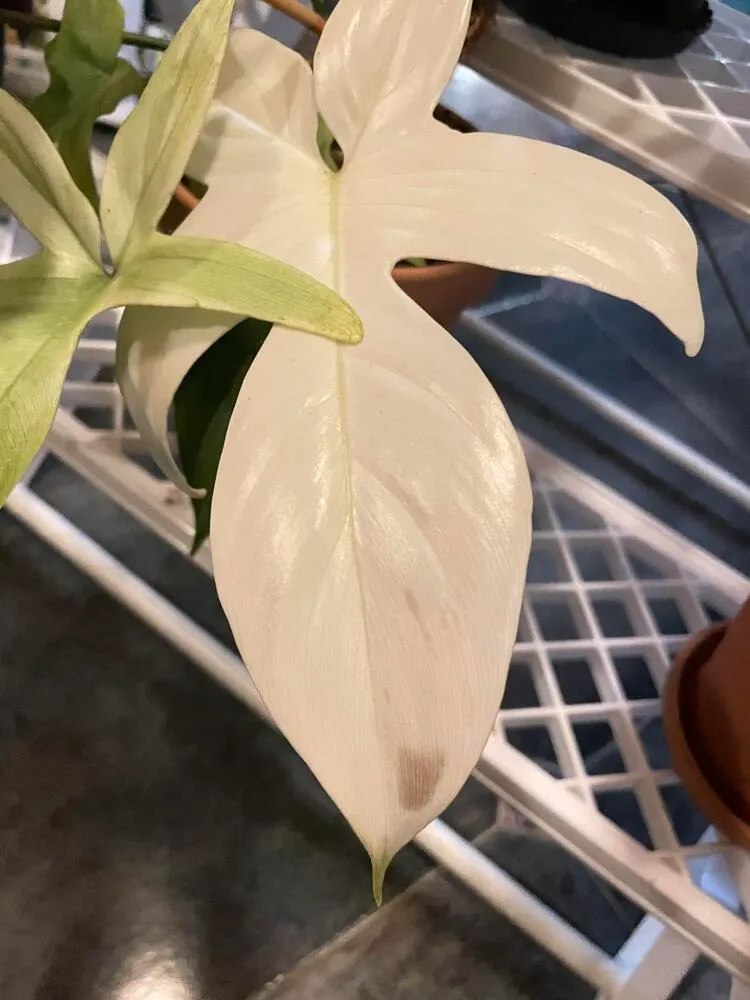
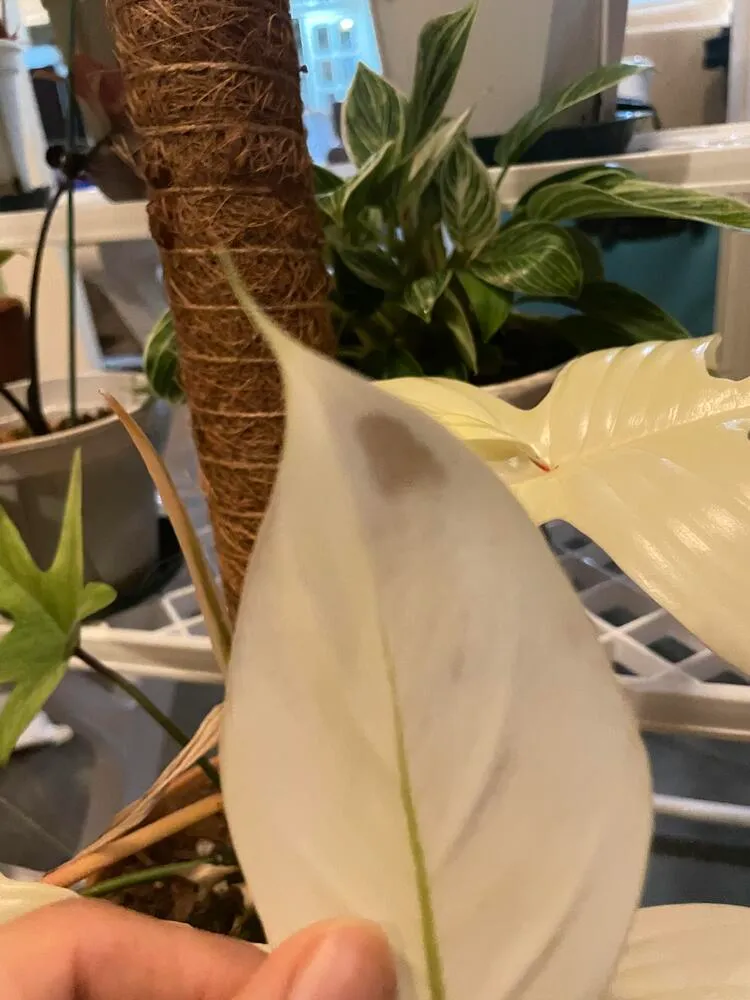
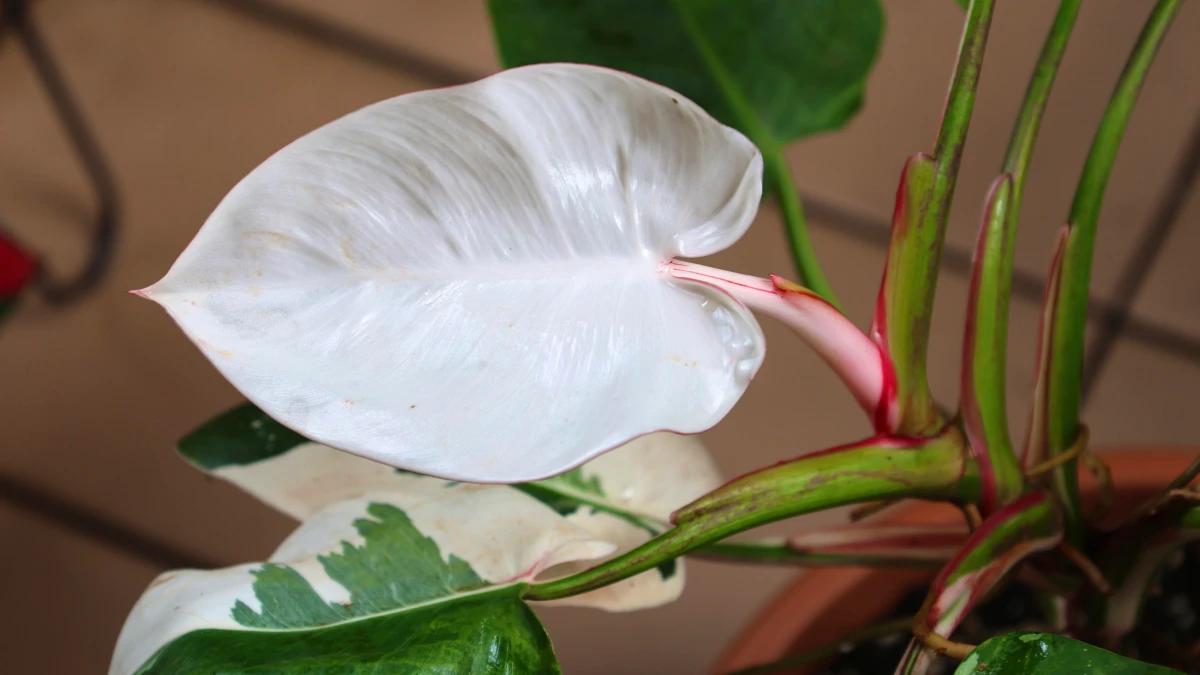
I pay extra attention to this on very pale or lightly pigmented leaves, because cold damage often shows up more clearly there. In that case, the spot can look dramatic even when the problem is really environmental rather than infectious. What usually helps me identify it is not just the patch itself, but the fact that the plant was recently exposed to colder conditions.
Tiny Yellow-to-Brown Speckling
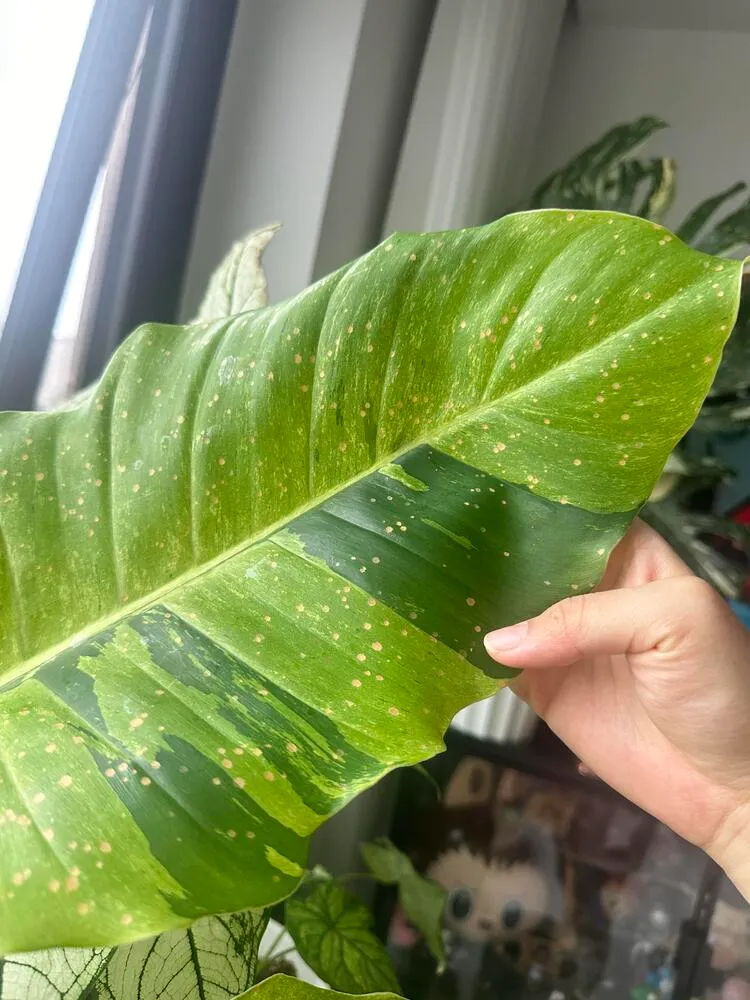
When the leaf is covered in very small scattered specks rather than larger patches, I start thinking about pests before anything else. This kind of pattern often begins as faint yellow stippling and then becomes duller, browner, or more bronzed as the damage builds.
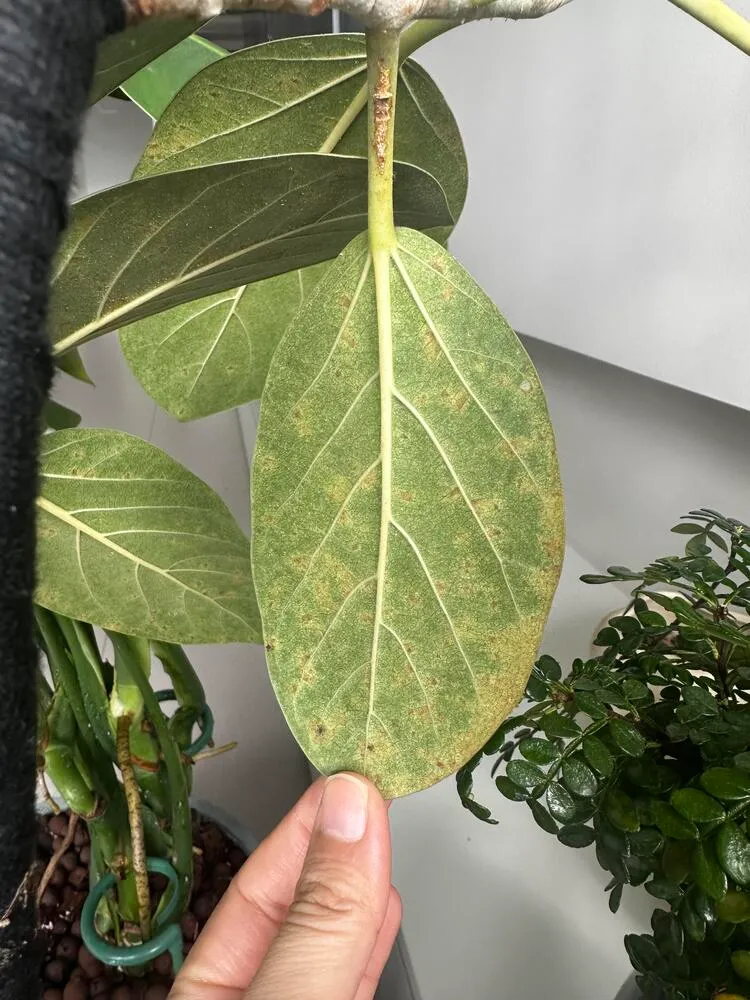
What makes this pattern different is how fine and repeated it often looks. Instead of one or two isolated spots, the leaf can seem dusted with tiny marks. When I see that kind of speckling, I usually flip the leaf over and check the undersides before I blame watering or light. For me, this is one of the easiest spot patterns to misread if I only look from the top.
Large Yellow Areas That Collapse Into Brown Damage
When a philodendron develops larger yellow sections that later sink, dry, or collapse into brown dead tissue, I usually worry less about a minor leaf blemish and more about broader plant stress. This kind of damage often feels more systemic. It is not just one tiny spot on an otherwise happy leaf — it looks more like the leaf is losing healthy tissue over a wider area.
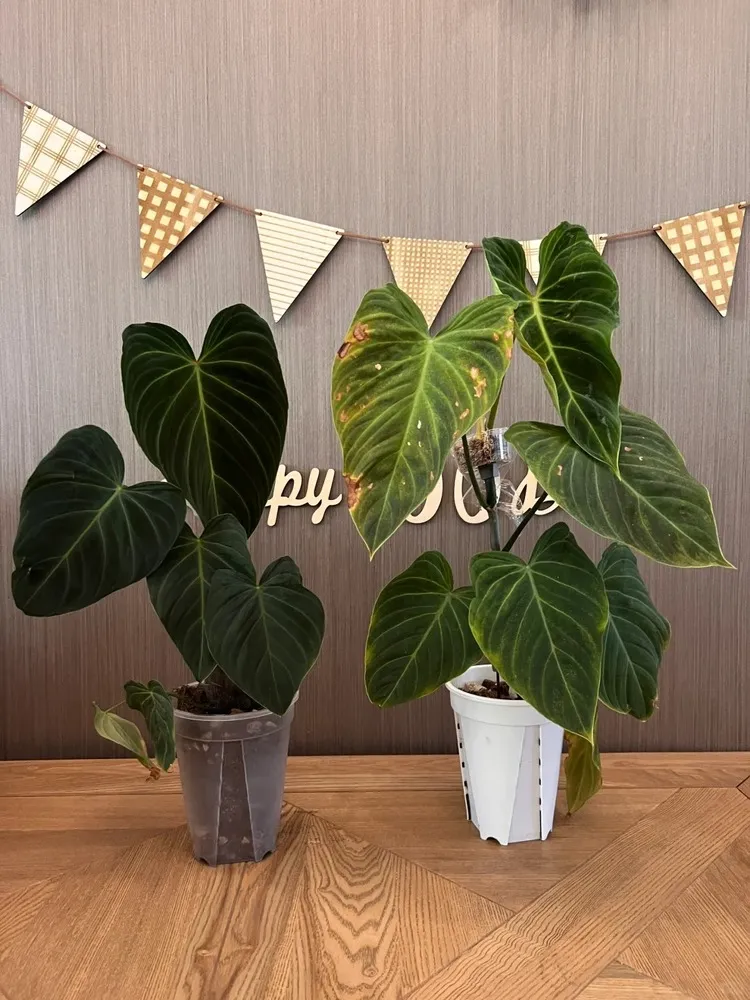
When I see this pattern, I start thinking about things like root stress, overwatering, or a plant that is generally not functioning well below the soil line. If the pot is also staying wet longer than normal, I start reading those collapsing yellow-to-brown areas as part of an overwatered philodendron pattern, not just isolated leaf damage. Especially if the soil is staying wet, growth has slowed, or other leaves are starting to show similar decline, I read these larger collapsing patches as part of a bigger problem rather than a small cosmetic mark.
How I Narrow Down the Cause of Philodendron Spots
I Look at Where the Spots Are Showing Up
The first thing I look at is where the spots are appearing on the plant. Are they mostly on older leaves, on the newest growth, only on the side facing the window, or scattered across several leaves at once? That already changes the way I read them.
For example, damage on the brightest-facing leaves makes me think more about light stress, while spotting that keeps appearing across multiple leaves makes me pay more attention to moisture, airflow, or possible disease. If the problem is limited to one aging leaf, I read it very differently from spotting that keeps showing up on newer, otherwise important growth.
I Check Whether the Spots Look Dry, Soft, or Water-Soaked
After that, I look at the texture of the damaged area, not just the color. A dry, crisp, papery patch usually points me in a different direction from a soft or water-soaked spot. Some lesions look sunken and damp at first, while others feel flat and dry from the beginning.
That difference matters a lot. Dry spots often suggest scorch or older physical damage, while softer or wetter-looking spots make me think more seriously about excess moisture, tissue collapse, or leaf spot issues. If the tissue looks translucent before it turns brown, that usually tells me more than the brown color itself.
I Think About the Plant’s Recent Growing Conditions
Then I step back and think about what has been happening around the plant recently. Has the soil been staying wet too long? Sometimes that points not just to watering frequency, but to a potting mix that is holding too much moisture around the roots. Have the leaves been getting misted or splashed often? Did the plant recently get stronger sun, weaker airflow, colder nights, or any sign of pests underneath the leaves?
This part is what helps me connect the spots to a real cause instead of guessing from the leaf alone. A philodendron that developed spots after sitting wet in stagnant air tells a different story from one that was moved into harsher light, or one that has fine pest damage underneath the leaves. For me, spotting makes much more sense once I read it together with the plant’s recent conditions.
When Spots Make Me Worry About Disease More Than Stress
Most leaf spots are not something I automatically treat as disease the moment I see them. A philodendron can mark a leaf for all kinds of non-infectious reasons, including light stress, moisture imbalance, root issues, or even minor physical damage. What makes me more concerned is not just the presence of spots, but the way they keep behaving over time.
I start worrying more about disease when the spots seem to be spreading instead of stabilizing. If new spots keep appearing, multiple leaves are getting involved, or the marks have that darker center with a yellow halo that looks more active than dry, I pay much closer attention. I also become more cautious when the leaves have been staying wet often, the air has been stagnant, or the plant is in a setup where moisture sits on the foliage longer than it should.
Another thing that shifts my thinking is when the spotting no longer feels random. One damaged patch on an older leaf can still be simple stress. But when similar spots start repeating across the plant, especially under wet or poorly ventilated conditions, I stop reading them as isolated blemishes and start treating disease as a more realistic possibility.
What I Do Next Depends on the Type of Spot
I Watch Before I Cut
If the spots look stable, I usually do not rush to cut the leaf right away. A few marks on one leaf do not always mean the whole plant is in trouble, and sometimes the most useful thing is simply watching whether the damage stays where it is or keeps moving. I learn much more from the pattern over a few days than from panicking on day one.
I Adjust Moisture and Airflow First
If the spotting seems connected to moisture, I usually start with the environment before anything else. That means checking whether the soil is staying wet too long, reducing unnecessary leaf wetness, and improving airflow around the plant. In many cases, those changes tell me more than immediately reaching for a treatment.
I Inspect for Pests Before I Assume Anything Else
If the pattern looks fine, speckled, or uneven, I check the undersides of the leaves before blaming watering or disease. Tiny pest damage is easy to miss at first, and I would rather confirm that early than misread the whole problem from the top of the leaf alone.
I Move Faster If the Spots Keep Spreading
What changes my response is not just the spot itself, but whether it keeps getting worse. If new spots continue appearing, multiple leaves are affected, or the damage starts looking more active than stable, I treat it more seriously and respond faster. For me, that is the main thing I have learned about brown and yellow spots on philodendrons: color alone is not enough. I trust the pattern, the texture, the spread, and the plant’s recent conditions much more than the word “brown” or “yellow” by itself.
That is probably the biggest shift in how I read philodendron spotting now. I no longer start by asking whether the mark is brown or yellow. I start by asking what kind of damage pattern I am looking at, whether it is stable or spreading, and what the plant has been dealing with recently. For me, that leads to much better decisions than reacting to color alone.
FAQ
Still not sure what your philodendron is telling you?
If your philodendron still seems off, this may be only one part of the picture. I’ve collected the most common indoor philodendron problems — along with the patterns I watch for and the changes that have helped my plants recover.
Go to Problems Hub →