
Philodendron Varieties: Types, Growth Habits, and Popular Houseplant Favorites
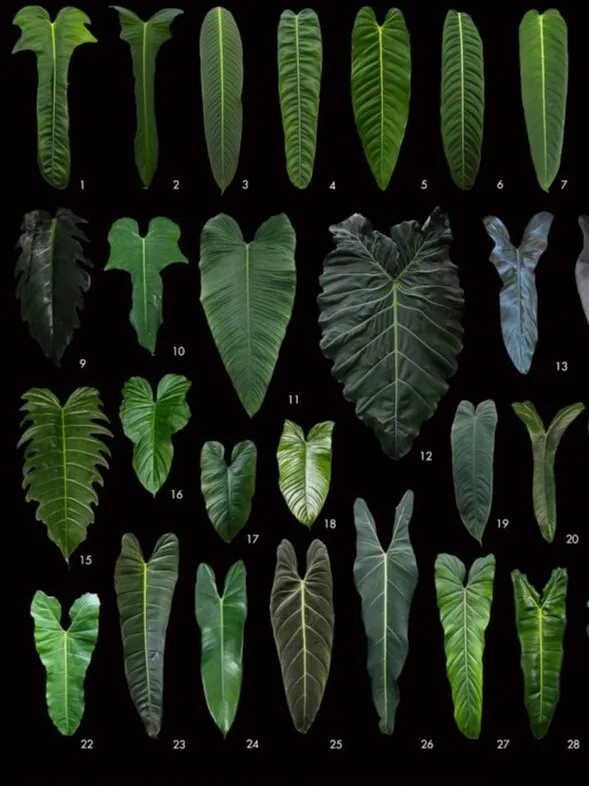
Philodendrons can look surprisingly different from one another. Some climb, some trail, some stay upright, and some crawl horizontally instead of growing upward at all. That variety is part of what makes the genus so interesting — but also what makes it confusing at first.
This page is meant to help you understand philodendron varieties in a more practical way: by growth habit, beginner-friendliness, and the kinds of plants people most often compare or mix up. Instead of trying to list everything, it gives you a clearer way to recognize the major groups and decide which varieties are worth exploring next.
What Makes Philodendron Varieties So Different?
Philodendron varieties differ in more than just color or leaf shape. The biggest differences usually come from how they grow: some need support, some hang naturally, some stay compact and upright, and some spread horizontally across the soil. Once you start sorting them by growth habit instead of just appearance, the whole genus becomes much easier to understand.
The Main Types of Philodendrons by Growth Habit
Growth habit is one of the easiest ways to make sense of philodendron varieties. Two plants can both be philodendrons and still behave completely differently indoors depending on whether they climb, trail, stay upright, or crawl.
Climbing Philodendrons
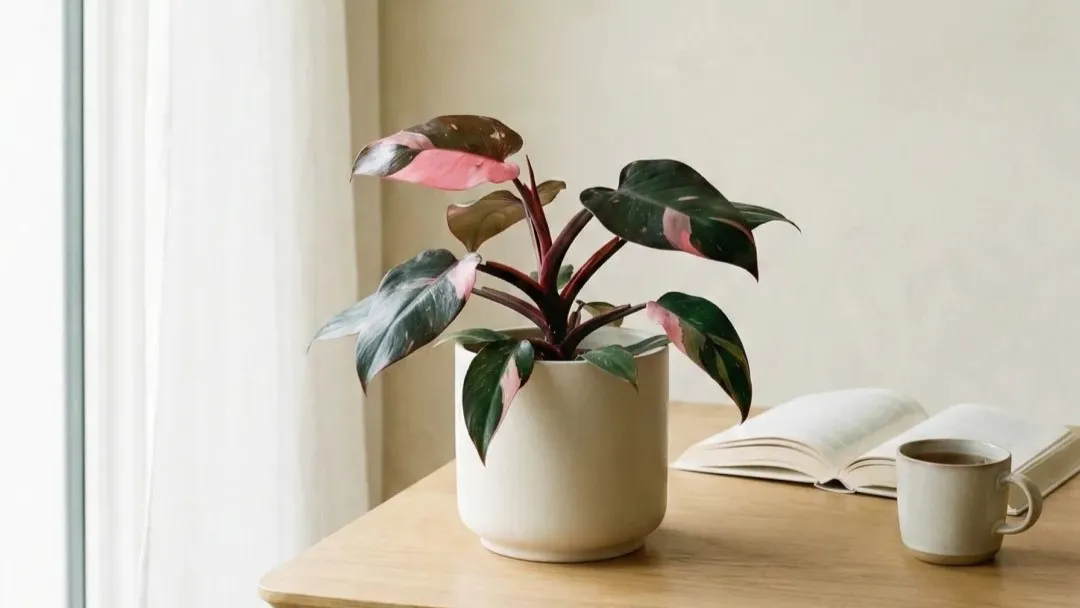
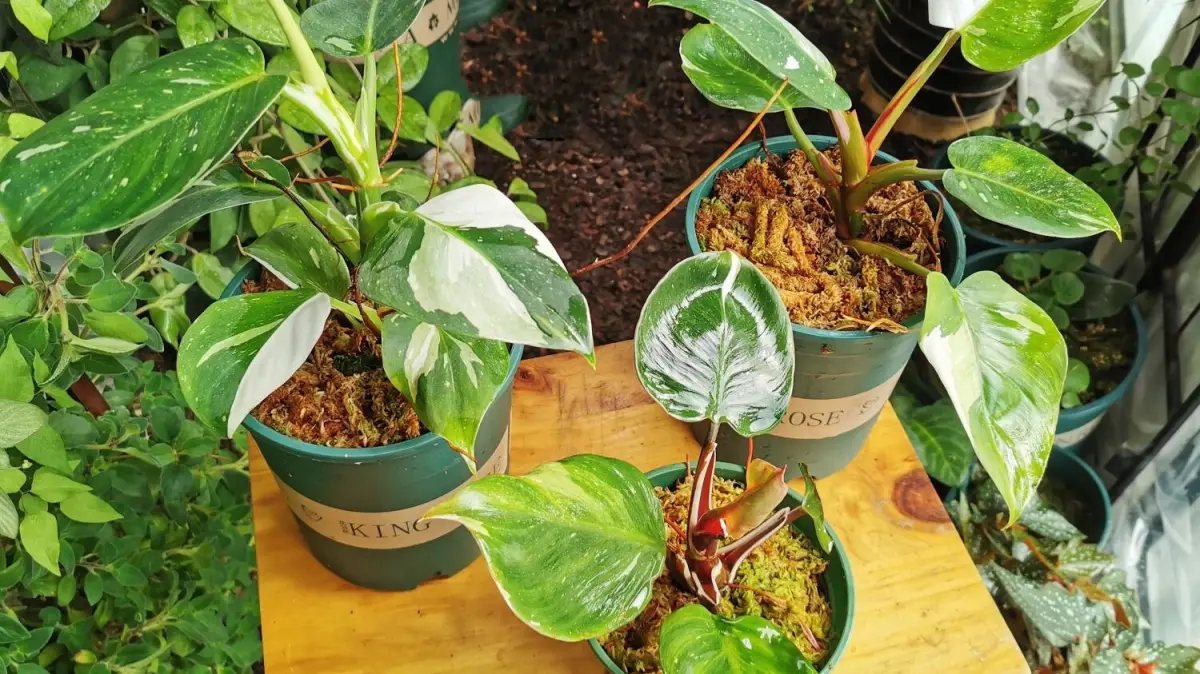
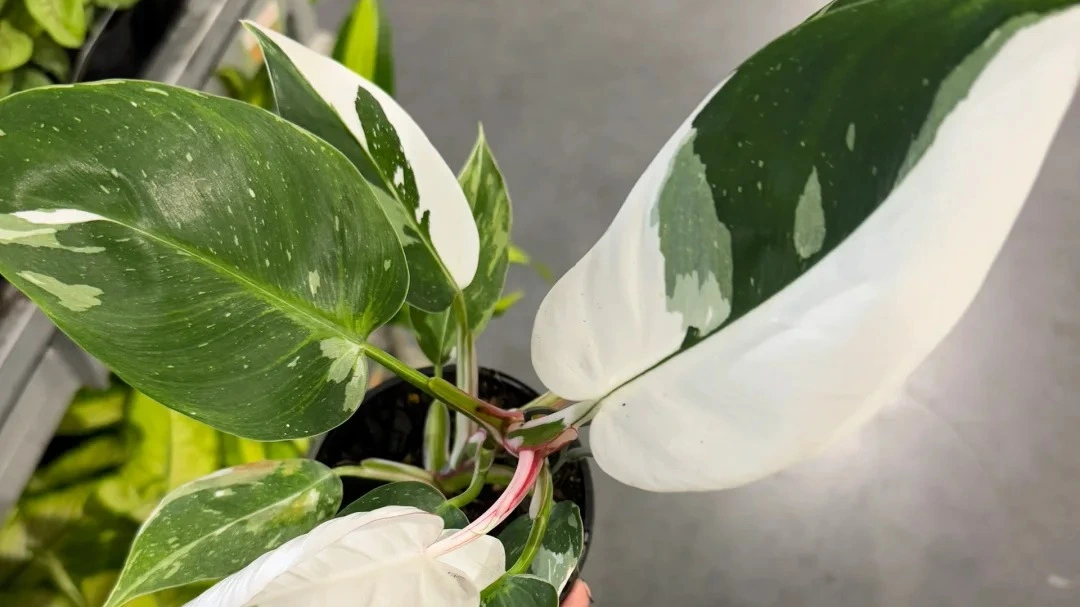
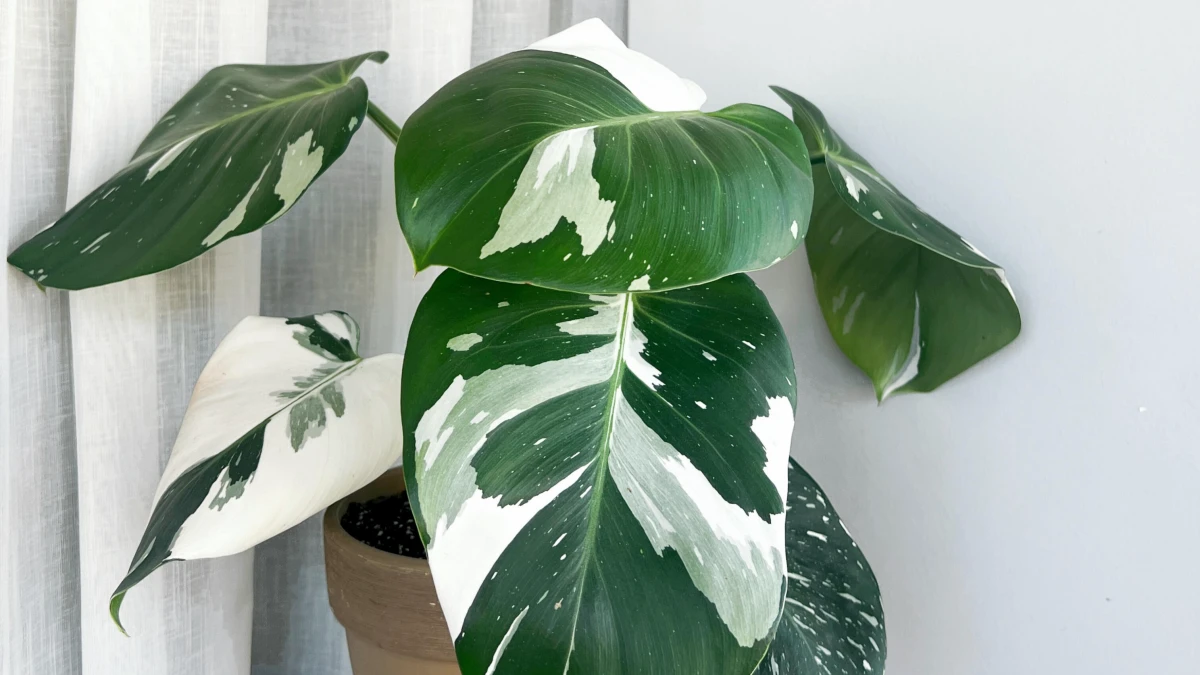

Silver Sword
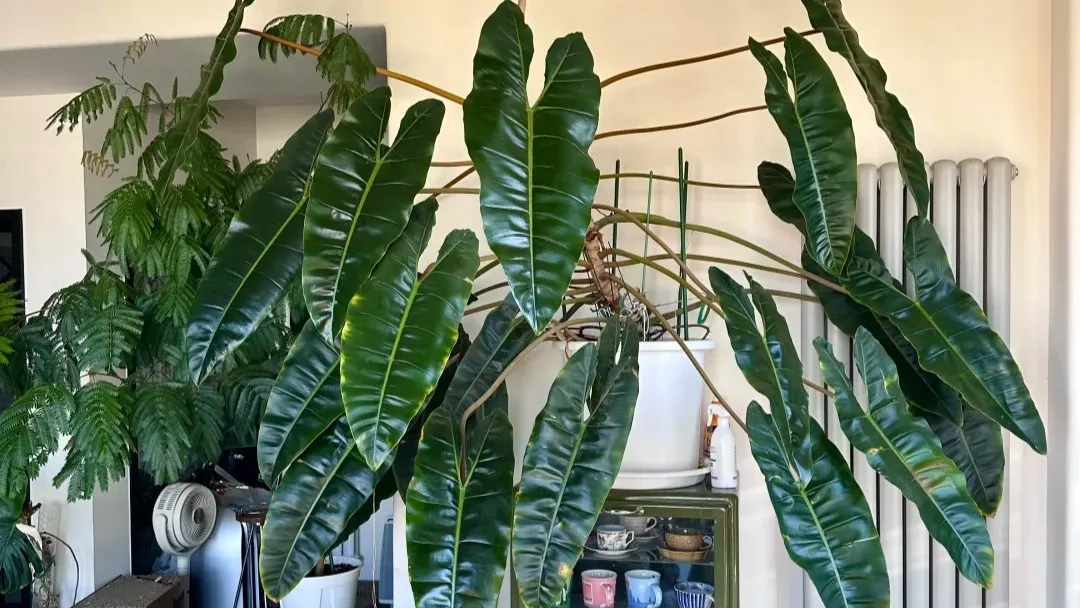
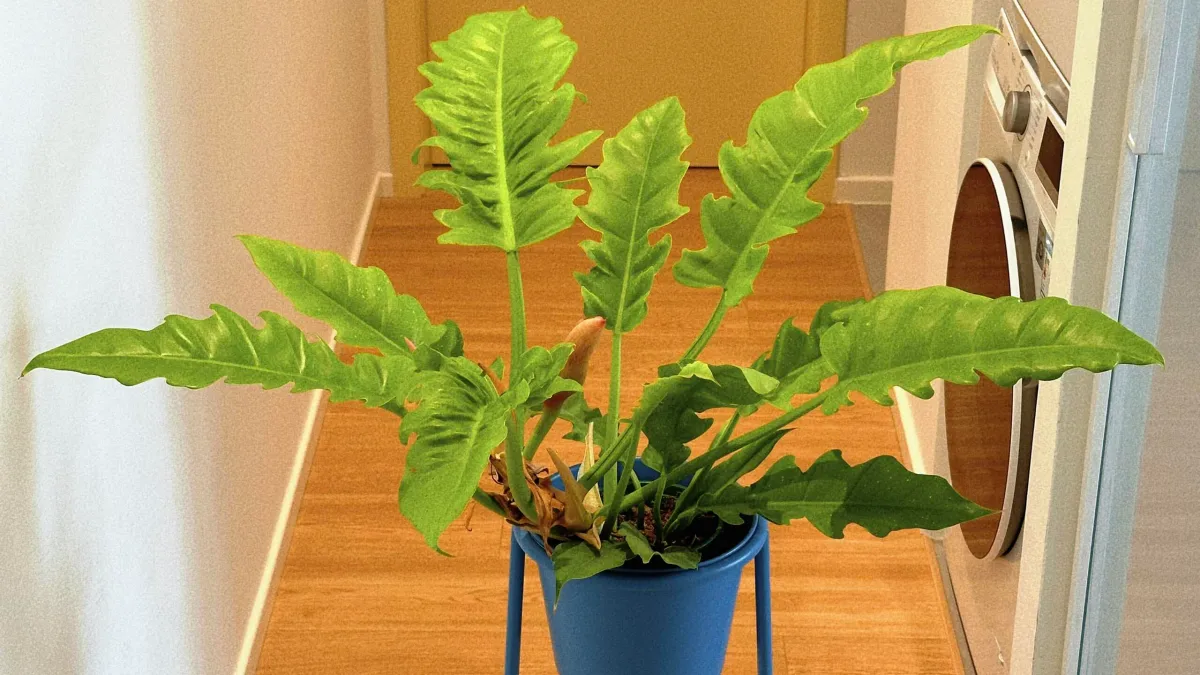
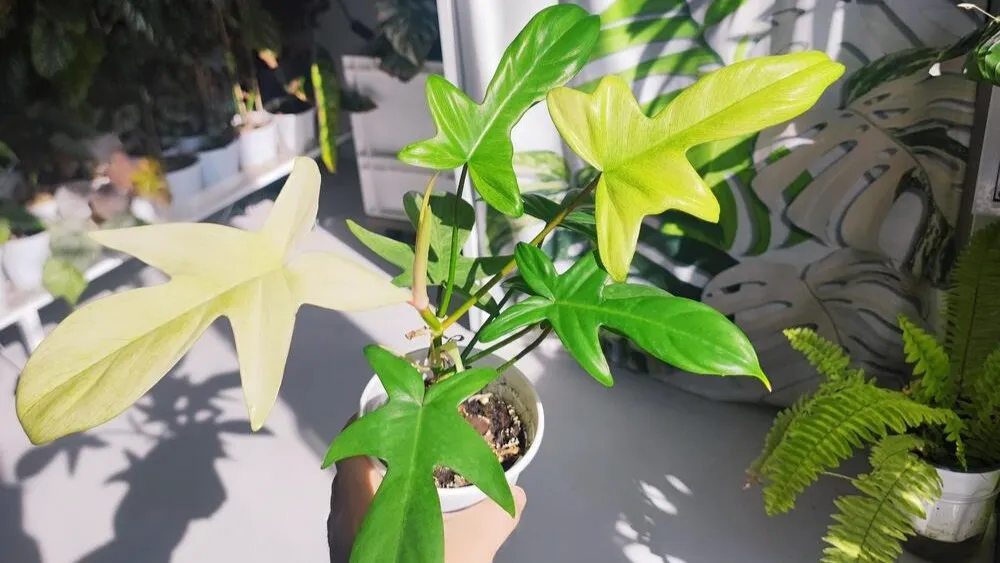
Melanochrysum
Trailing Philodendrons
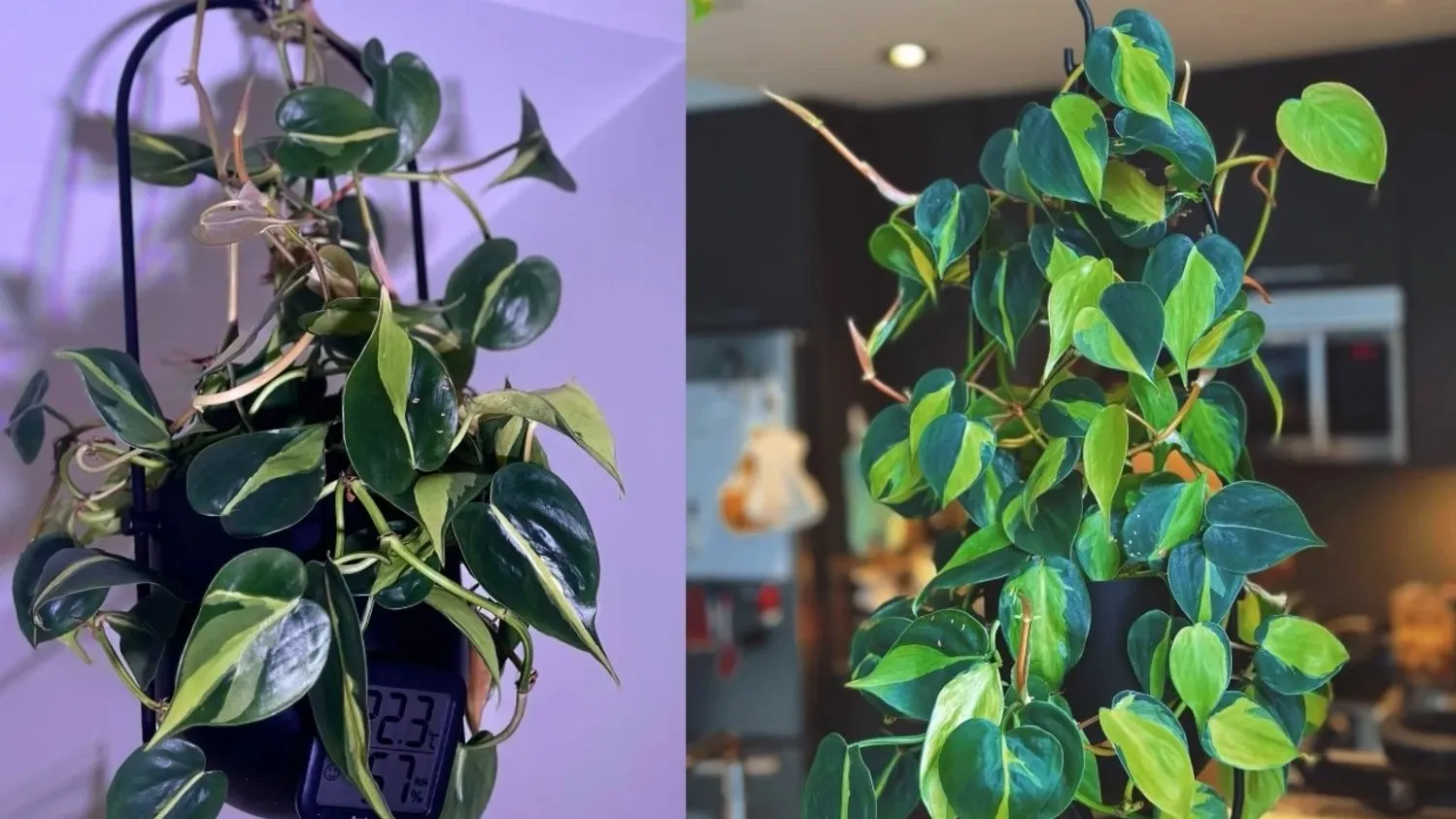
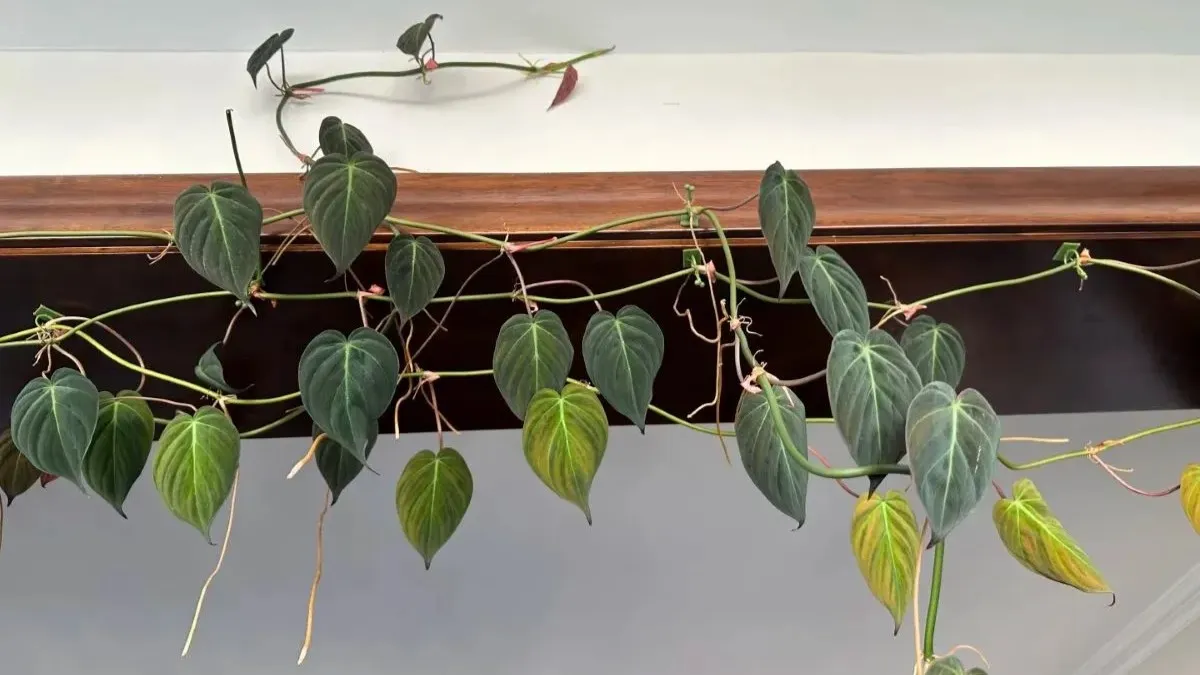
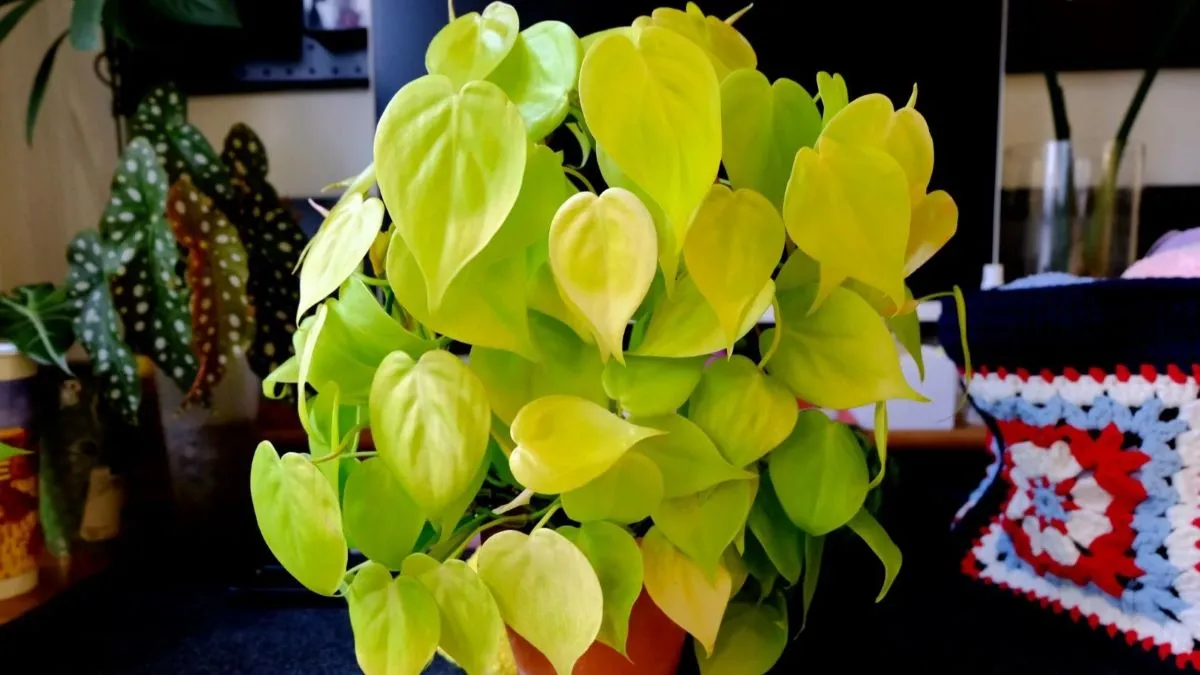
Self-Heading Philodendrons
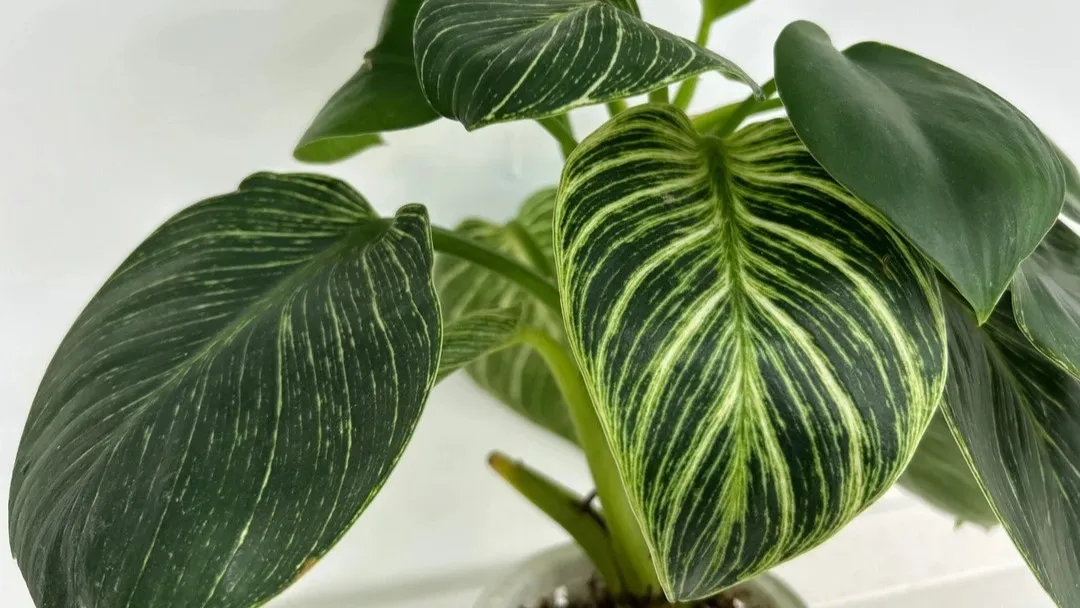
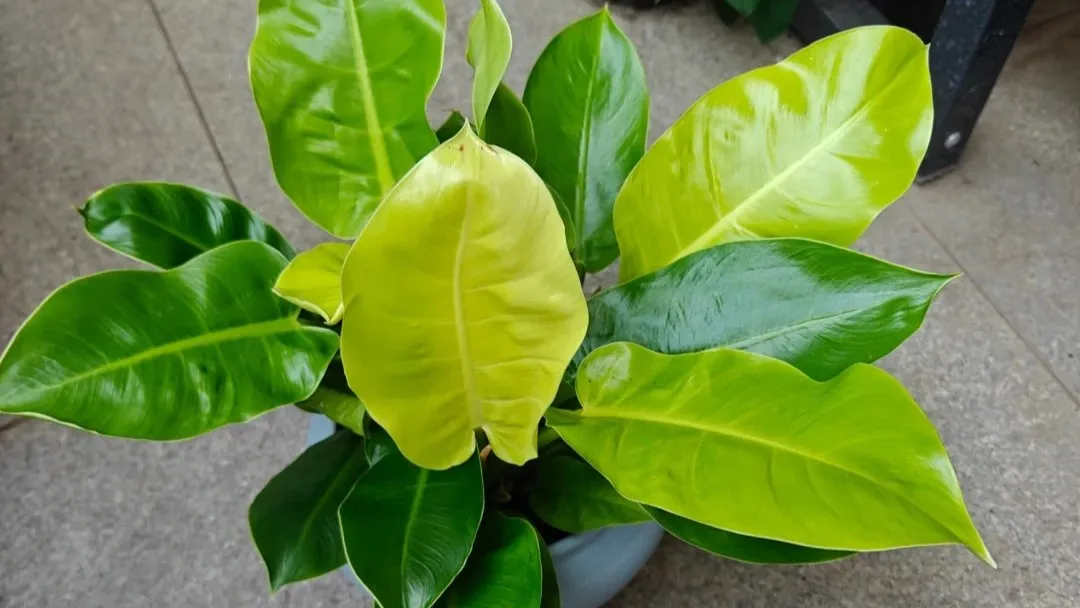
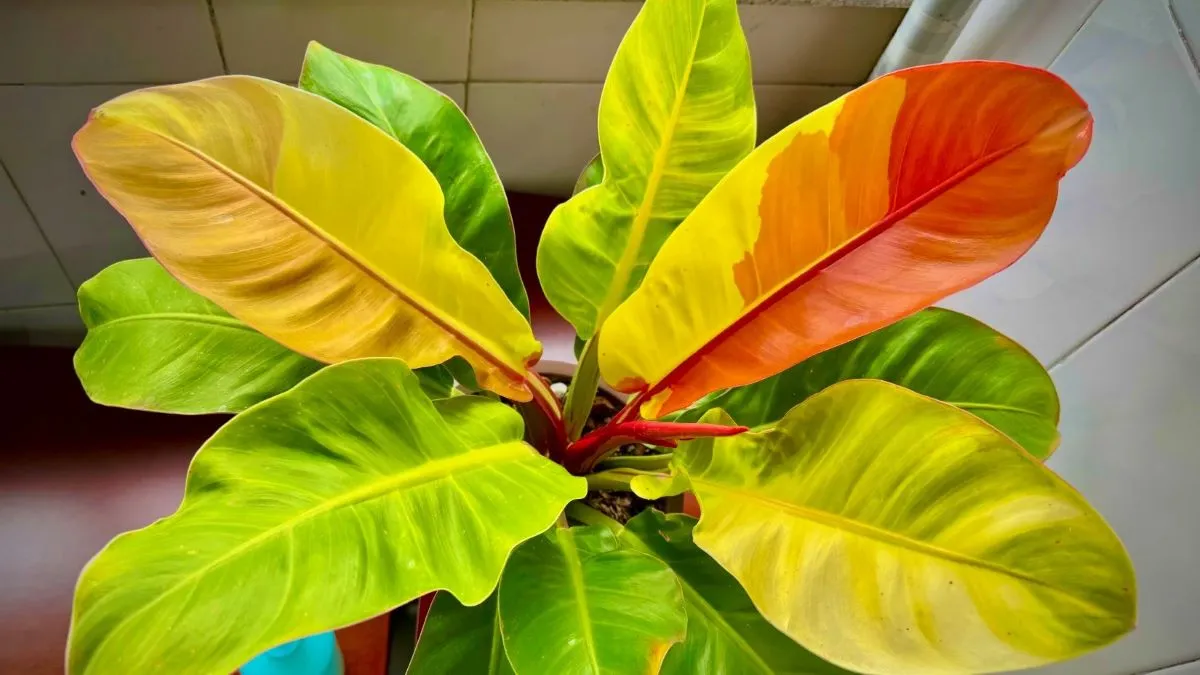
Crawling Philodendrons
Gloriosum
Mamei
Plowmanii
Pastazanum
Best Philodendron Varieties for Beginners
Not all philodendrons are equally easy to start with. Some adapt well to average home conditions, recover more easily from small mistakes, and grow in a way that makes them easier to read. These are the types I would point most beginners toward first.
Popular Philodendron Houseplant Favorites
Some philodendrons show up in almost every houseplant collection for a reason. They are widely available, visually distinctive, and familiar even to people who are new to the genus. This section brings together the varieties most people tend to recognize first.
Philodendron Look-Alikes and Common Confusion
Some of the most searched “philodendron varieties” are not really varieties at all, but common naming confusion. This is especially true with pothos, monstera, and the phrase “split leaf philodendron,” which people often use very loosely.
Pothos vs philodendron
Philodendron vs monstera