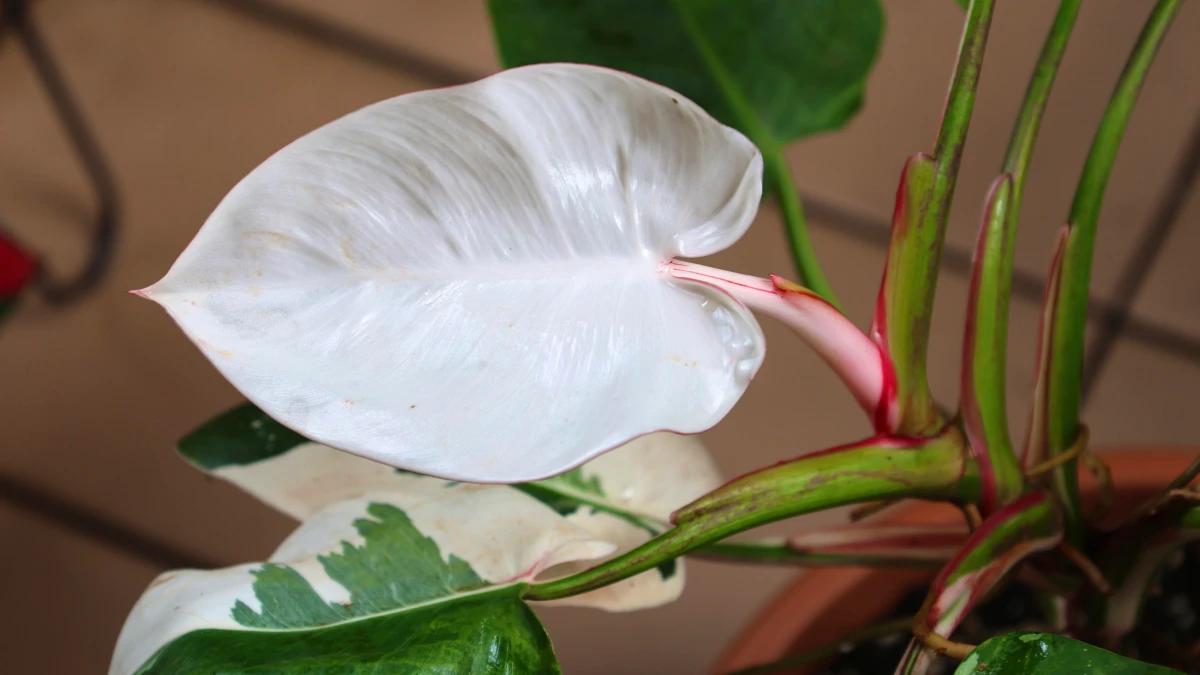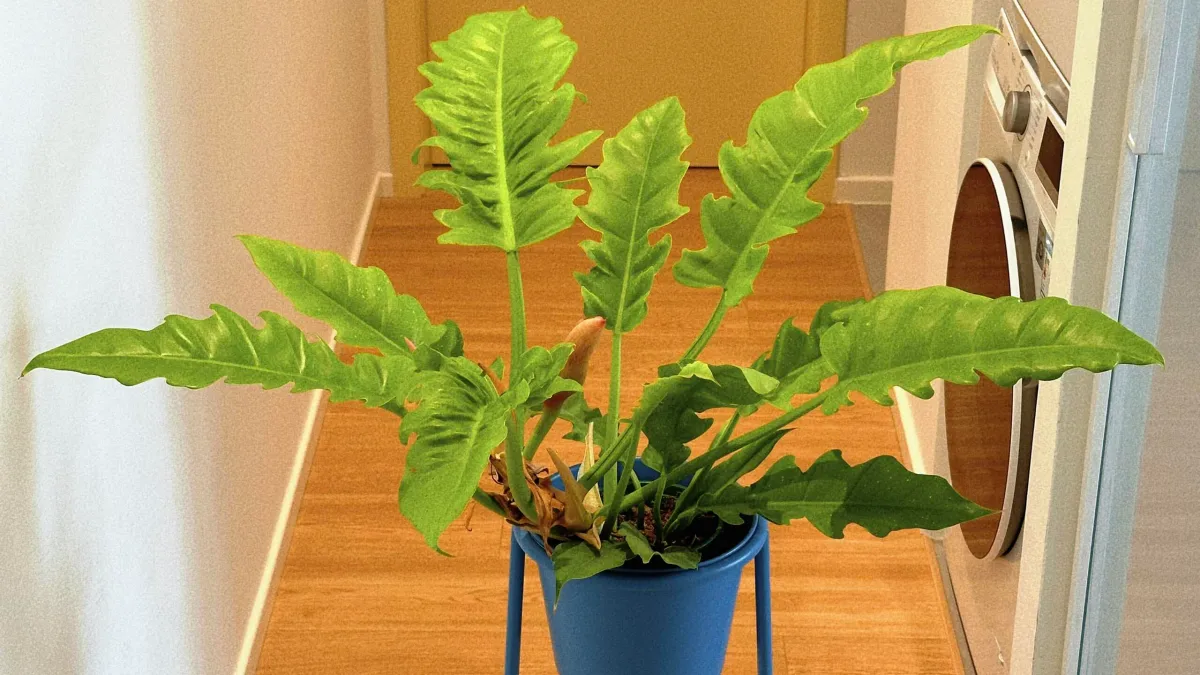
Yes — philodendrons are toxic to both cats and dogs. In most cases, the risk comes from chewing the plant, which causes immediate mouth irritation rather than the kind of delayed, whole-body poisoning people often picture first.
If you’re only worried about one pet, you can also read my more specific guides on philodendron toxicity in cats and philodendron toxicity in dogs.
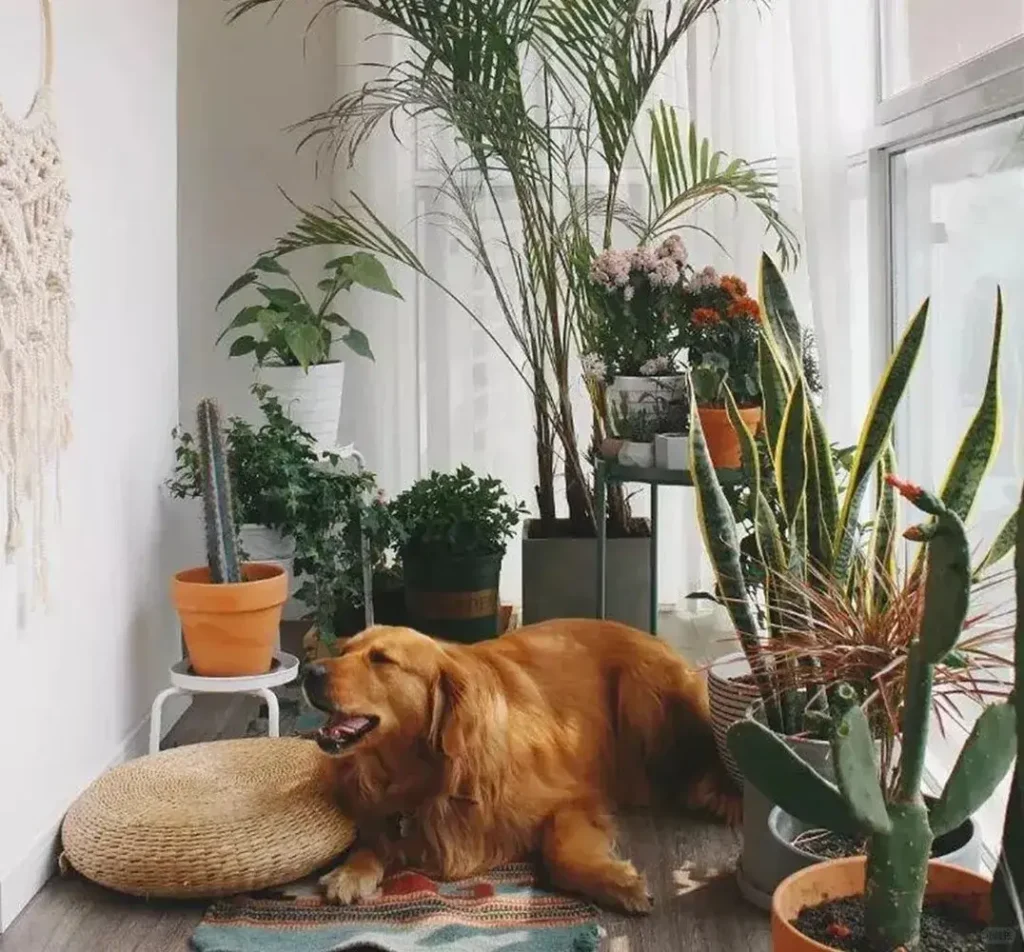
Why Philodendrons Are Toxic to Pets
Philodendrons contain insoluble calcium oxalate crystals, which are needle-like crystals that irritate the mouth and upper digestive tract when a pet chews the plant. The reaction is usually immediate, which is why many pets stop after one bite, even though that one bite can still cause obvious discomfort.
For practical purposes, it is best to treat the entire plant as toxic. The leaves and stems are the parts pets are most likely to chew, and those are more than enough to cause symptoms.
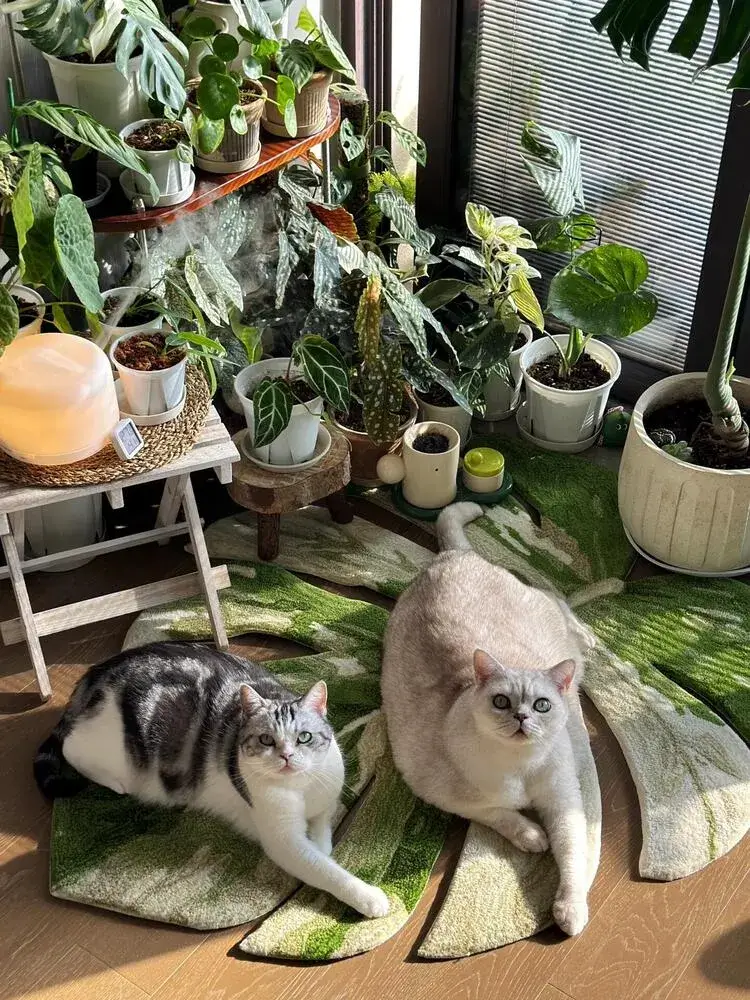
What happens if a pet chews philodendron
Most pets react immediately because chewing philodendron is painful. Many stop after one bite, but even a small chew can cause obvious discomfort. The reaction is usually centered in the mouth and upper digestive tract rather than showing up later as a vague illness. Vomiting can happen if plant material is swallowed, and serious airway swelling is possible but rare.
Common symptoms in cats and dogs
The most typical signs are:
- drooling or foaming
- pawing at the mouth
- oral pain
- swelling or irritation of the lips, tongue, or mouth
- vomiting
- trouble swallowing
- decreased appetite for a while after exposure
These are the signs most consistently listed by ASPCA and Pet Poison Helpline for philodendron exposure.
What to do immediately
If your pet chews philodendron:
- Remove any plant material you can safely take away from the mouth.
- Rinse the mouth gently with water if your pet will tolerate it.
- Offer a small amount of water to drink.
- Watch closely for persistent drooling, repeated vomiting, marked swelling, or trouble breathing.
- Call your veterinarian or a pet poison service for advice, especially if your pet is very small, already medically fragile, or swallowed a larger amount.
Mild irritation may settle down, but some reactions should never be handled as a simple wait-and-see situation.
When to call a vet right away
Do not just “wait and see” if you notice any of these:
- trouble breathing
- repeated vomiting
- severe mouth swelling
- obvious distress that is not settling down
- refusal to drink
- signs in a puppy, kitten, or very small pet after more than a tiny nibble
Upper airway swelling is uncommon, but it is the main reason philodendron exposure can become urgent. Persistent gastrointestinal signs also warrant veterinary care.
Safer placement tips
If you keep philodendrons and also have pets, the main safety issue is access. Trailing philodendrons are especially tempting because dangling vines are easy for cats to bat at and easy for dogs to reach if the plant sits low. Safer options are a truly inaccessible shelf, a closed room, or a plant area your pets cannot enter unsupervised. For trailing types especially, “high enough” is not always the same as “out of reach.” Do not assume that “my pet usually ignores plants” is enough protection if the plant is within reach every day. The plant is toxic whether it is a heartleaf type or another common philodendron grown indoors.
Bottom line
Philodendrons are toxic to both cats and dogs, and the biggest practical risk is access. Most pets that chew them develop painful mouth irritation rather than severe whole-body poisoning, but that does not make the plant safe to keep within reach. If you live with pets, the most useful next step is not guessing whether they will ignore the plant — it is setting up your home so they cannot test it in the first place.
FAQ
Still not sure what your philodendron is telling you?
If your philodendron still seems off, this may be only one part of the picture. I’ve collected the most common indoor philodendron problems — along with the patterns I watch for and the changes that have helped my plants recover.
Go to Problems Hub →