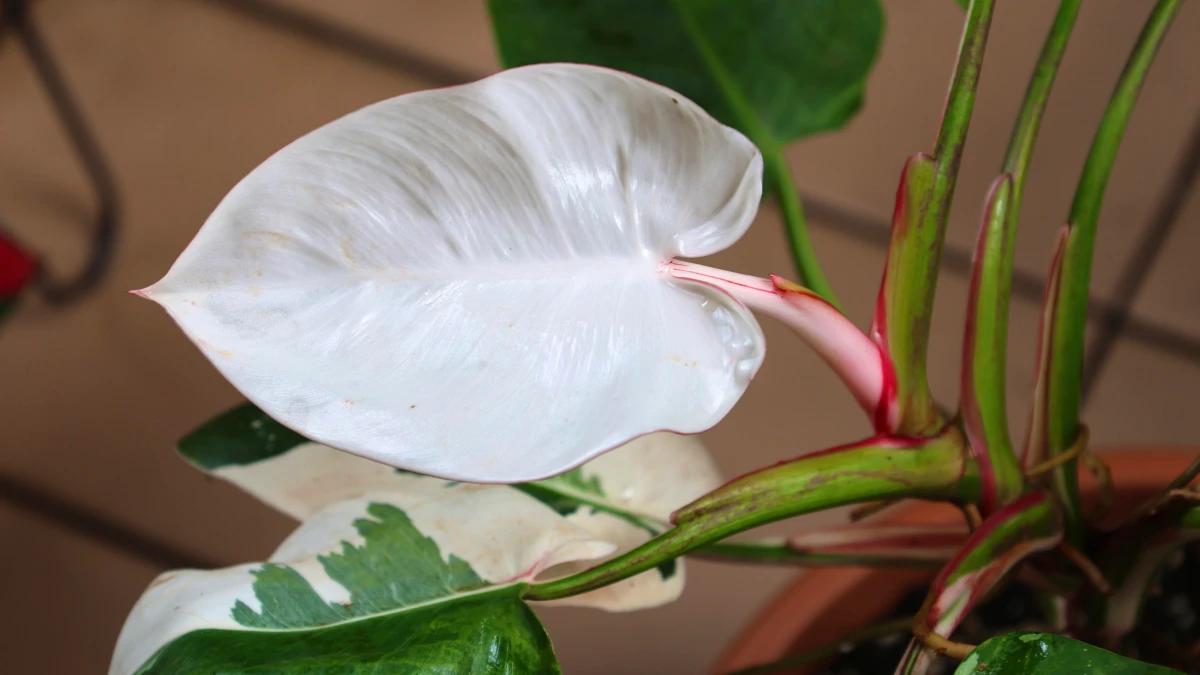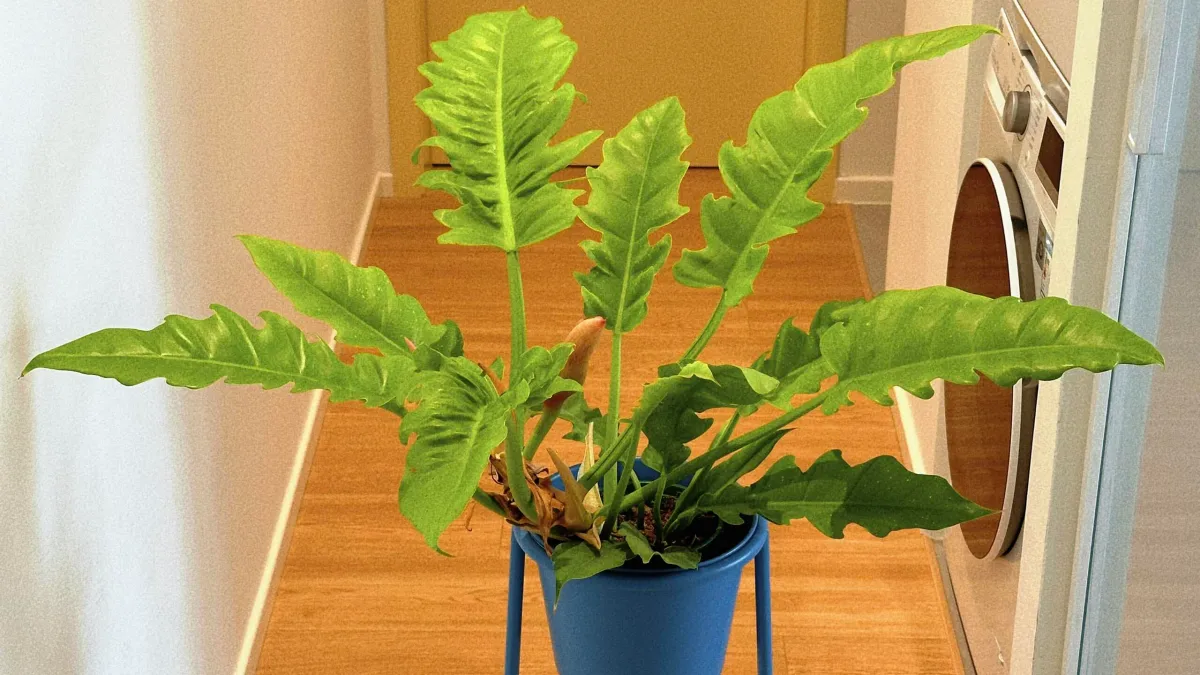
The Short Answer: Yes, Philodendrons Are Toxic to Dogs
Yes, philodendrons are toxic to dogs. In most cases, the main issue is mouth irritation after chewing the plant, often followed by drooling, discomfort, and sometimes vomiting. So while philodendron is not usually thought of in the same category as the most severe systemic poisoning emergencies, it is still not a plant I would consider safe to keep within easy reach of a dog.
For dog owners, the practical risk often comes down to access, because whether philodendrons are toxic to pets is only the starting point. A philodendron that stays completely out of reach creates a very different situation from one that hangs low enough to grab. So even if this is not usually the most extreme kind of poisoning emergency, it is still not a plant I would want a dog to test. If you’re comparing different pets at home, it also helps to look at how philodendron exposure tends to play out in cats.
Why Philodendron Can Be a Bigger Problem in Homes With Dogs
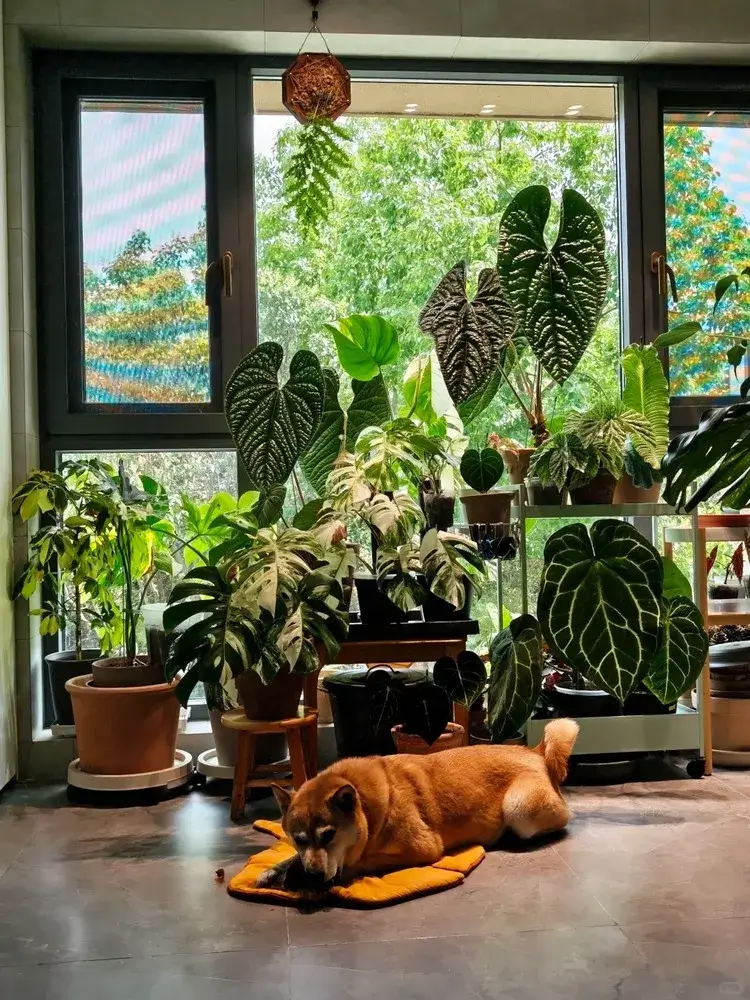
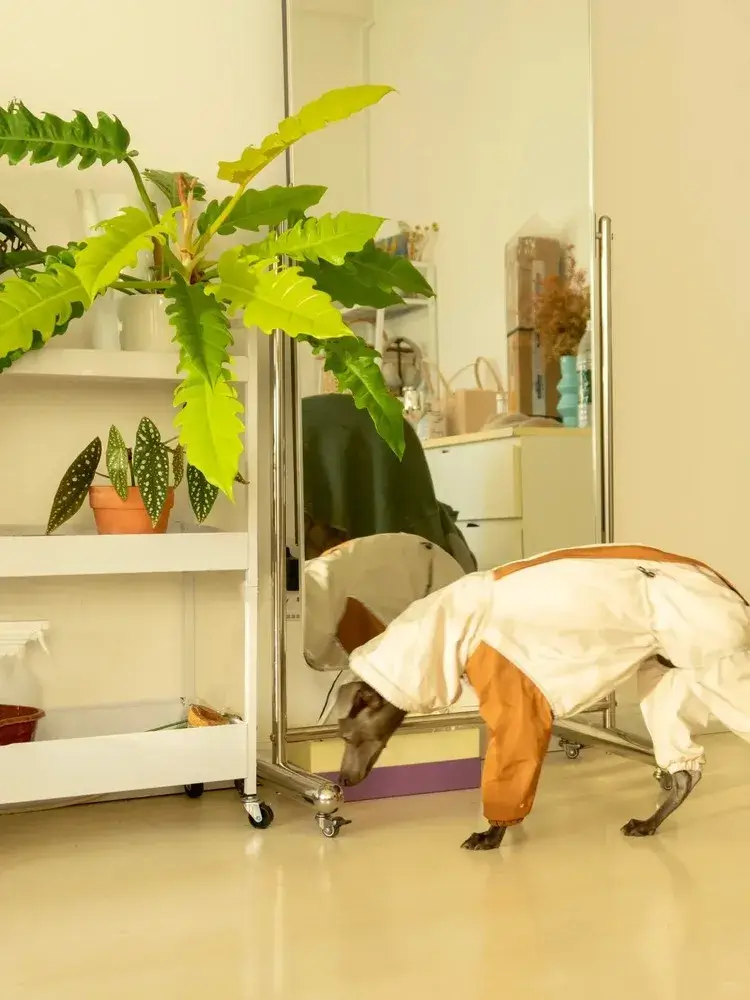
In many homes, philodendron becomes a more practical problem with dogs simply because dogs live at plant level. Low leaves, floor pots, and trailing vines are much easier for a dog to reach than they are for a person to notice in time. A plant does not have to be sitting directly on the floor to be a problem if part of it hangs low enough to grab.
Puppies add another layer of risk because they explore with their mouths. A young dog may chew a leaf out of curiosity the same way it chews furniture, toys, or anything new within reach. And unlike an animal that takes one test bite and stops, some dogs tear off larger pieces and swallow them, which can mean more irritation, more vomiting, and a messier situation overall.
Trailing philodendrons are especially risky when they are placed low or allowed to hang within reach. In a dog-friendly home, the danger is often less about the plant looking dramatic on a shelf and more about whether a dangling vine has quietly become chewable.
What Usually Happens If a Dog Chews Philodendron
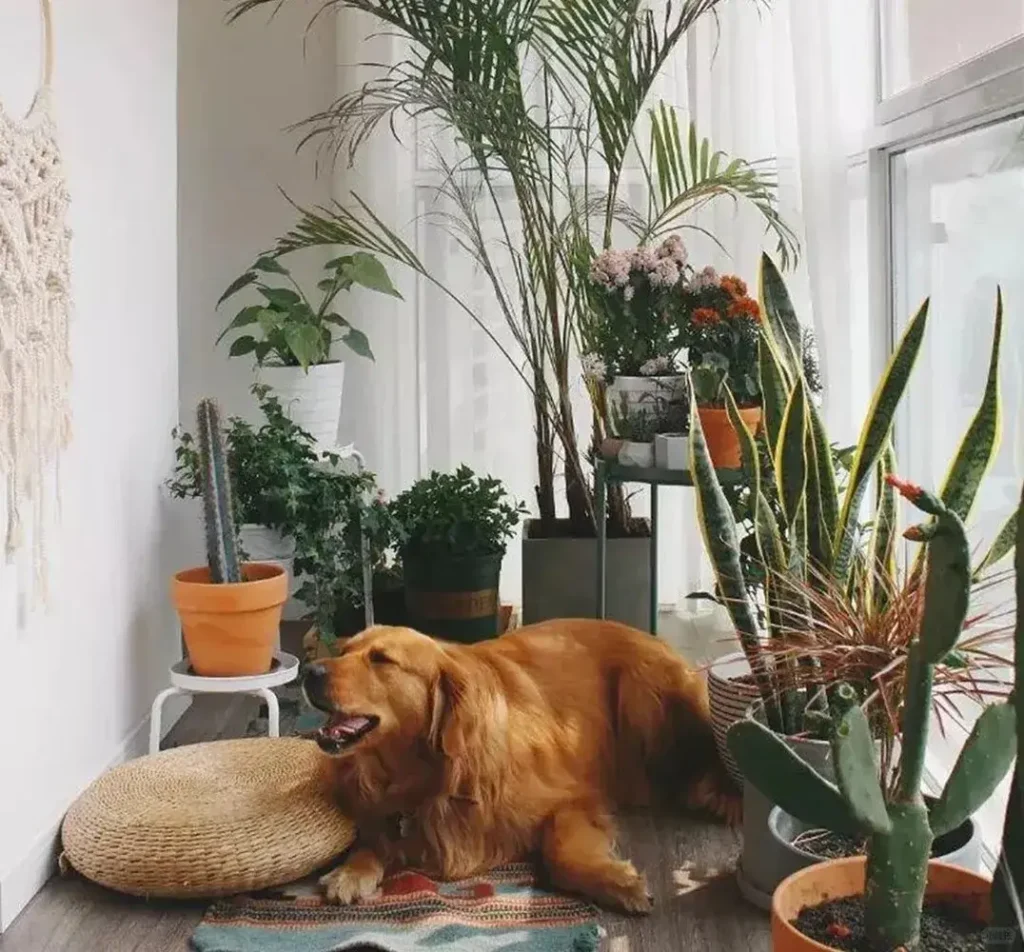
In most cases, the first signs show up quickly. A dog that chews philodendron will often drool, act uncomfortable around the mouth, and sometimes vomit soon afterward. Some dogs paw at the mouth, rub the face, or seem reluctant to eat for a while because the lips, tongue, and throat feel irritated. Difficulty swallowing can happen too, especially if the irritation is more intense.
What usually happens is immediate irritation rather than a delayed, mysterious illness. Many dogs stop after one bite because chewing the plant is painful, but a dog that tears off and swallows more plant material may end up with a messier reaction, especially if vomiting starts. More serious concern begins if swelling becomes obvious or breathing seems affected. Severe throat swelling and breathing difficulty are considered rare, but they are the signs that make philodendron exposure more urgent.
What I Would Do Right Away
Remove the Plant and Any Visible Bits
If a dog chewed a philodendron, I would first take the plant away and remove any loose pieces I could safely see. The main goal at that moment is to stop the chewing from continuing and keep the dog from swallowing more plant material.
Offer Water and Check the Mouth
After that, I would offer a little water and take a quick look at the mouth if the dog would allow it. If there were bits of leaf still stuck around the lips or tongue, I would try to clear them gently. Rinsing the mouth with plain water can help reduce some of the irritation, but I would not force it if the dog was already distressed. Poison-control guidance for insoluble calcium oxalate plants commonly includes removing plant material and gently rinsing the mouth when possible.
Watch for Vomiting, Swelling, or Trouble Breathing
Then I would watch closely for the signs that matter most: repeated vomiting, obvious mouth swelling, trouble swallowing, unusual distress, or any change in breathing. Mild drooling and mouth discomfort may settle down, but swelling or breathing problems make the situation more urgent. Pet Poison Helpline notes that severe swelling affecting breathing is rare, but it is the complication that deserves the most caution.
Call a Vet If the Reaction Looks More Than Mild
Which Dogs Are the Hardest to Keep Around Philodendrons?
Puppies and Young Dogs
Puppies and young dogs are usually the hardest to manage around philodendrons because they explore everything with their mouths. They are more impulsive, less predictable, and much less likely to leave a plant alone just because it is unfamiliar. In that stage, a dangling leaf or low pot can easily become just another thing to chew.
Small Dogs
Small dogs can be tricky for a different reason. Floor pots, low shelves, and trailing vines often sit right at their eye level, which means access is constant rather than occasional. And while the plant is toxic regardless of size, repeated vomiting, obvious mouth irritation, or swelling can feel more concerning in a very small dog simply because there is less margin for “let’s just see how this goes.”
Dogs That Already Chew Household Objects
If a dog already chews shoes, cords, toys, baskets, or anything left within reach, I would assume plants may eventually become part of that pattern too. In that kind of home, philodendron is not just a theoretical toxicity issue. It becomes one more chewable object in the environment, which makes prevention much more important than hoping the dog will ignore it.
In other words, the hardest dogs to manage around philodendrons are usually not the biggest or strongest ones, but the ones that are mouthy, curious, and constantly within reach of the plant.
What Makes Philodendron More Risky in a Dog-Friendly Home
Floor pots, low shelves, and trailing vines are the biggest problems in a home with dogs. A philodendron may look “up and away” to a person, but if a vine hangs low enough to grab, it is still accessible. In dog-friendly spaces, I would worry less about whether the plant looks decorative on a shelf and more about whether any part of it has quietly become chewable.
For that reason, I would be most cautious with trailing types placed on low stands, open shelves, or furniture near a dog’s usual path. In most homes, the practical question is not whether the plant is technically off the floor, but whether the dog can still reach it with one curious grab.
My Honest Advice for Dog Owners
If you have a calm adult dog that has never shown much interest in houseplants, the practical risk may be lower. That still does not make philodendron safe, but it does mean the situation is very different from living with a dog that grabs anything within reach. In a quieter home with a reliable adult dog, careful placement may be enough to keep the risk manageable.
If you have a puppy, a young dog, or a dog that already chews household objects, I would be much more cautious. In that kind of setup, I would not rely on hope, habit, or training alone. I would assume the plant may eventually get tested and plan around that from the start.
In most homes, access matters more than aesthetics. A philodendron on a low stand, trailing off a shelf, or hanging within reach is a much bigger problem than a beautiful plant placed where the dog truly cannot get to it.
FAQ
Still not sure what your philodendron is telling you?
If your philodendron still seems off, this may be only one part of the picture. I’ve collected the most common indoor philodendron problems — along with the patterns I watch for and the changes that have helped my plants recover.
Go to Problems Hub →